What Makes Rainbowfish Sleep More Than Usual?
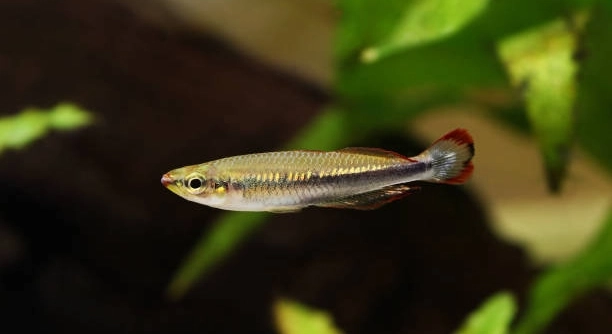
Rainbowfish are small, colorful fish often kept in home aquariums. Observing them can be relaxing, and their bright scales make them a joy to watch. Sometimes, you may notice them resting longer than usual. Rainbowfish may sleep more than usual due to changes in water temperature, light exposure, stress levels, or health conditions. Extended rest … Read more
Do Rainbowfish Prefer High or Low Flow?

Have you ever noticed how water movement shapes fish behavior and comfort in an aquarium setting, especially for active species like rainbowfish that rely on stable conditions for health, color, and daily swimming patterns overall. Rainbowfish generally prefer low to moderate water flow rather than high current environments. Excessive flow increases energy expenditure and stress, … Read more

Do Rainbowfish Ever Stop Growing?

Rainbowfish are popular aquarium fish known for their bright colors and lively behavior. Many new owners enjoy watching them swim gracefully, but they often notice that these fish seem to keep getting bigger over time. Rainbowfish continue to grow throughout their lives, but the rate slows significantly as they reach maturity. Most species reach full … Read more

7 Things That Trigger Breeding in Rainbowfish

Rainbowfish are colorful and lively additions to any freshwater aquarium. Observing their natural behaviors can be enjoyable, especially when they begin to show signs of readiness to reproduce and expand your fish population. Breeding in rainbowfish is primarily triggered by environmental and physiological factors. Key triggers include water temperature, lighting cycles, diet quality, social interactions, … Read more

7 Ways to Calm a Spooked Rainbowfish

Rainbowfish are vibrant and active fish that can brighten any aquarium. Sometimes, sudden changes in their environment or loud noises can spook them, leaving them stressed and uneasy in their tank. Calming a spooked rainbowfish involves minimizing sudden stimuli, providing hiding spaces, maintaining stable water conditions, and using gentle movements during feeding or tank maintenance. … Read more

7 Behavioral Shifts During Breeding Time

Breeding season can bring noticeable changes in an animal’s behavior that may seem surprising at first. These shifts are natural and occur across many species, reflecting their instinctual drive to reproduce successfully. Observing these behaviors can be both fascinating and informative. During breeding time, animals often display seven key behavioral shifts, including increased aggression, heightened … Read more

7 Foods That Enhance Rainbowfish Color

Keeping rainbowfish in a home aquarium can be rewarding, especially when their colors shine brightly. Many fish owners enjoy observing the vibrant hues, but maintaining that vivid appearance requires more than just clean water and proper lighting. Rainbowfish color can be enhanced through a diet rich in natural pigments, proteins, and vitamins. Foods like krill, … Read more

How to Tell If a Rainbowfish Is Feeling Unwell

Rainbowfish are colorful and lively additions to any home aquarium, bringing charm and movement to the tank. Observing them closely helps owners notice subtle changes in behavior or appearance that could indicate a problem. Rainbowfish may show signs of illness through changes in appetite, coloration, swimming patterns, or physical appearance. Early detection of these symptoms … Read more

Why Rainbowfish Might Ignore Their Tankmates

Do you ever notice your rainbowfish swimming alone, seeming uninterested in the other fish in the tank? Many owners watch quietly as their colorful companions ignore one another, leaving them wondering about this unusual behavior. Rainbowfish may ignore their tankmates due to stress, territorial instincts, or differences in temperament. Environmental factors such as overcrowding, water … Read more

Why Rainbowfish Might Hover in One Spot

Rainbowfish are colorful and lively, often catching the attention of aquarium enthusiasts. Observing them can be calming, yet you might notice some hovering in one spot for longer than expected, appearing almost motionless in the water. Rainbowfish hover in one spot primarily to regulate their position and conserve energy. This behavior allows them to maintain … Read more