
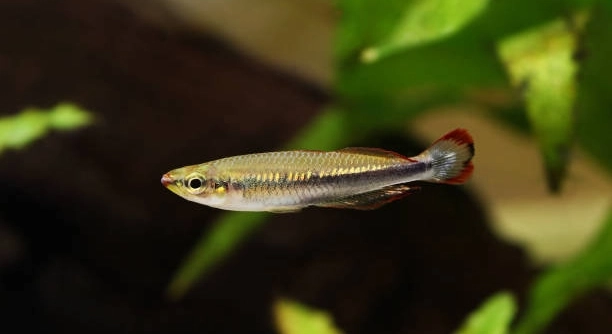
Rainbowfish are small, colorful fish often kept in home aquariums. Observing them can be relaxing, and their bright scales make them a joy to watch. Sometimes, you may notice them resting longer than usual.
Rainbowfish may sleep more than usual due to changes in water temperature, light exposure, stress levels, or health conditions. Extended rest is often a natural response to environmental adjustments or minor illnesses affecting their energy levels.
Learning about these behaviors can help you maintain a healthy environment. Understanding their sleep patterns ensures your rainbowfish stay active, comfortable, and thriving in their aquatic home.
Changes in Water Temperature
Rainbowfish are sensitive to water temperature, and even slight fluctuations can affect their behavior. If the water is cooler than usual, they may become less active and rest more often. Warmer water can increase their metabolism, making them swim more frequently. It is important to maintain a stable temperature suited to rainbowfish, usually between 74 and 78 degrees Fahrenheit. Sudden changes in temperature can stress them, causing extended periods of inactivity. Observing their daily patterns can help identify when the water may need adjusting. Using a reliable aquarium heater and thermometer ensures the environment remains consistent. Regular monitoring of water conditions, including pH and hardness, also contributes to their overall comfort. A stable and healthy tank environment helps rainbowfish maintain natural sleep cycles. Noticing changes early can prevent long-term health issues and keep your fish active and alert throughout the day.
Maintaining consistent temperature encourages normal activity and reduces excessive sleep.
Proper water management is key. If rainbowfish are resting too much, checking for subtle temperature drops or spikes is essential. A well-heated, stable aquarium ensures they remain lively and healthy, reducing stress-related inactivity. Keeping records of daily temperature changes helps track patterns and prevent sudden disturbances.
Light Exposure and Day-Night Cycles
Rainbowfish rely on light cues to regulate their sleep and activity.
Insufficient or excessive light can confuse their internal clock. Natural daylight or aquarium lighting on a regular schedule helps them maintain balanced energy levels. Inconsistent lighting may make them rest longer than usual.
Setting up a timer for aquarium lights ensures rainbowfish have a predictable day-night cycle. This routine supports healthy sleep patterns and reduces stress. Too much artificial light can disrupt their rest, while too little light may make them lethargic. Observing how they react to changes in lighting can help fine-tune their environment. Gradual adjustments, rather than abrupt shifts, are more effective for regulating sleep. Even small changes in light intensity or duration can impact their overall behavior. Maintaining consistency allows rainbowfish to stay active when they should and sleep when it is natural for them. Proper lighting also enhances their vibrant colors, making them visually appealing while supporting health and activity levels.
Stress and Tank Environment
Stress can make rainbowfish sleep more than usual. Overcrowded tanks, aggressive tank mates, or sudden changes in the environment can all lead to longer rest periods.
Rainbowfish are highly sensitive to their surroundings. Loud noises near the tank, strong water currents, or frequent handling can cause stress. Stress reduces their energy, making them less active and prompting extended periods of rest. Observing interactions between fish helps identify stress sources. Providing hiding spots and plants can create a calm space. Even small adjustments, like rearranging decorations gradually, can reduce tension. Maintaining consistent feeding schedules and water quality also supports a stable environment. A peaceful tank encourages normal swimming patterns and reduces excessive sleep caused by stress-related fatigue.
Addressing stress early is important. Small environmental improvements can restore activity levels and ensure rainbowfish remain healthy and comfortable, preventing long-term lethargy or health issues from prolonged inactivity.
Health and Diet
Rainbowfish may sleep more if they are not getting proper nutrition or if illness is present.
A poor diet lacking essential nutrients can lower energy levels. Overfeeding or underfeeding can also affect their health, causing extended rest. Balanced meals with high-quality flakes, frozen, or live food keep them active and vibrant. Observing eating habits helps detect dietary issues early, preventing energy loss and lethargy.
Illnesses such as bacterial infections, parasites, or swim bladder problems can also make rainbowfish rest more. Signs include slow swimming, clamped fins, or unusual hiding behavior. Regular water changes, careful feeding, and monitoring for visible symptoms are crucial. Prompt attention to health problems ensures recovery and prevents prolonged inactivity. Maintaining hygiene in the tank and avoiding sudden environmental shifts support overall health, keeping rainbowfish lively and their sleep patterns normal. A well-fed, healthy fish will be more active and less prone to excessive rest.
Natural Sleep Patterns
Rainbowfish have natural sleep cycles, and sometimes they simply rest more than we expect. Longer sleep can be part of their normal behavior.
You may notice them hiding among plants or staying near the bottom during rest periods. This is often their way of conserving energy and feeling safe in the tank.
Water Quality
Poor water quality directly affects rainbowfish energy levels. High ammonia, nitrite, or nitrate levels can make them lethargic and increase rest time. Regular testing and maintenance keep the tank safe, promoting normal activity.
Seasonal Changes
Rainbowfish activity may decrease during seasonal shifts. Temperature and daylight changes subtly influence their sleep patterns, even in controlled indoor tanks.
FAQ
Why is my rainbowfish sleeping more than usual?
Rainbowfish may rest longer due to stress, water temperature changes, poor water quality, or illness. Sometimes, it is part of their natural sleep cycle, especially if environmental conditions have shifted slightly. Observing their behavior over several days can help identify the reason.
Can poor diet make rainbowfish sleep more?
Yes. A diet lacking essential nutrients or inconsistent feeding schedules can reduce their energy, causing them to rest more. Providing a variety of flakes, frozen foods, or live foods ensures they get enough protein and vitamins to stay active.
How does water temperature affect their sleep?
Rainbowfish are sensitive to temperature changes. Cooler water slows metabolism, making them less active, while warmer water increases activity. Maintaining a stable temperature between 74 and 78 degrees Fahrenheit helps regulate their sleep and activity patterns.
Do rainbowfish need complete darkness to sleep?
They prefer dim lighting or consistent day-night cycles. Sudden bright lights or irregular schedules can confuse them, leading to longer rest periods. Using a timer for aquarium lights ensures predictable sleep patterns.
Can stress cause excessive sleeping?
Yes, stress from overcrowding, aggressive tank mates, or sudden environment changes can make rainbowfish lethargic. Providing hiding spots, stable water conditions, and a calm environment reduces stress and restores normal activity.
Is illness a common reason for extended rest?
Illnesses such as bacterial infections, parasites, or swim bladder issues can make rainbowfish rest more. Watch for clamped fins, slow swimming, or unusual hiding. Prompt attention, proper medication, and clean water are essential for recovery.
How often should I check water quality?
Testing water weekly for ammonia, nitrites, nitrates, and pH levels is recommended. Poor water quality stresses rainbowfish, leading to lethargy and excessive sleep. Regular water changes and careful monitoring keep them healthy and active.
Will seasonal changes affect rainbowfish sleep?
Even indoors, subtle changes in temperature and daylight hours can influence sleep. They may rest more during cooler months or when daylight is shorter. Keeping a consistent light and temperature routine reduces unnecessary rest.
Can excessive sleeping harm my rainbowfish?
Extended rest itself is not harmful if caused by natural behavior, but prolonged lethargy due to stress, illness, or poor water conditions can lead to health problems. Monitoring behavior and tank conditions is crucial.
How can I encourage my rainbowfish to be more active?
Maintain stable water conditions, provide a balanced diet, offer hiding spots, and ensure a proper light schedule. Minimizing stress and addressing health issues promptly helps rainbowfish regain normal energy levels.
Are some rainbowfish naturally more sleepy than others?
Yes, individual differences exist. Some may naturally be less active, while others swim constantly. Observing their normal patterns helps distinguish between healthy behavior and concerning lethargy.
How do I know if my rainbowfish is sick or just resting?
Signs of illness include clamped fins, loss of appetite, unusual swimming patterns, and hiding more than usual. Resting alone is normal, but combining these signs with prolonged inactivity indicates a health problem that needs attention.
Can lighting changes alone affect sleep?
Yes. Sudden or inconsistent lighting can make rainbowfish sleep more or less than normal. Gradual adjustments and a reliable day-night schedule help maintain natural sleep cycles.
Should I separate a stressed or sick fish?
Sometimes isolating a sick or stressed rainbowfish in a quarantine tank can prevent further stress or disease spread. Ensure the quarantine tank mimics the main tank’s temperature and water quality.
How long is normal sleep for rainbowfish?
Rainbowfish usually rest a few hours during the night and have short periods of inactivity during the day. Prolonged daytime rest often signals stress, illness, or environmental issues.
Can decorations affect sleep patterns?
Yes, hiding spots and plants provide a sense of security. Without them, rainbowfish may feel exposed, leading to irregular rest or hiding more than usual. A well-decorated tank supports normal sleep and activity.
What role does tank size play in activity?
Small or overcrowded tanks can stress rainbowfish, reducing their activity and increasing rest periods. Providing adequate space for swimming is essential for healthy energy levels.
How can I prevent excessive sleep in rainbowfish?
Maintain clean water, consistent temperature, proper lighting, a balanced diet, and a calm environment. Observing behavior daily helps catch issues early, keeping rainbowfish active and healthy.
Is it normal for baby rainbowfish to sleep more?
Yes, young fish need more rest as they grow. Their sleep may be longer than adults, but activity levels during feeding and exploration should remain consistent.
What should I do if my rainbowfish suddenly starts sleeping a lot?
Check water quality, temperature, lighting, diet, and signs of illness or stress. Make necessary adjustments, and if behavior does not improve, consult a veterinarian or aquatic specialist.
Can different species of rainbowfish have different sleep needs?
Yes, some species naturally rest more, while others are more active. Understanding your species’ typical behavior helps identify unusual changes.
Do rainbowfish dream?
There is no scientific evidence of dreaming in rainbowfish. Their rest periods are more about conserving energy and maintaining health than complex mental activity.
Is prolonged sleep a sign of aging in rainbowfish?
Older rainbowfish may rest more due to lower energy levels. This is generally normal but should be distinguished from inactivity caused by stress or illness.
Can I influence sleep with feeding schedules?
Yes, feeding at consistent times supports activity patterns. Irregular feeding can confuse their internal clock, causing them to rest more during the day.
Are there signs of healthy sleep in rainbowfish?
Healthy sleep includes resting near plants or decorations, occasional fin movement, and resuming normal swimming during active periods. Sudden changes in rest patterns may indicate a problem.
How long does it take for rainbowfish to adjust to a new tank?
Adjustment can take days to weeks. During this time, they may rest more frequently. Providing hiding spots, stable water, and consistent feeding helps them settle faster.
Can social interactions affect sleep?
Yes, aggressive or dominant tank mates can stress rainbowfish, leading to longer rest periods. Keeping compatible species together encourages normal activity and reduces excessive sleeping.
What role does water current play in activity?
Strong currents can tire rainbowfish, causing more rest. Gentle, steady flow allows normal swimming without overexertion. Observing their behavior helps adjust the flow appropriately.
Is it normal for rainbowfish to sleep during the day?
Some daytime rest is normal, especially in dim areas of the tank. Extended inactivity during daylight, combined with other signs, may indicate stress, illness, or poor environment.
Can supplements improve activity levels?
Providing vitamins or fortified foods can help if dietary deficiencies exist. A balanced diet supports energy levels, reducing excessive sleep caused by lack of nutrients.
How can I track sleep patterns effectively?
Keep a simple journal noting resting times, water temperature, feeding, and lighting. Patterns help identify changes due to stress, illness, or environmental shifts, making adjustments easier.
Are there signs that sleep is becoming harmful?
Yes, lethargy, refusal to eat, clamped fins, and abnormal swimming indicate a problem. Promptly checking water quality, diet, and health is crucial to prevent worsening conditions.
Can tank mates encourage activity?
Yes, compatible and calm species can stimulate normal swimming patterns, reducing excessive rest. Aggressive or overly active fish may cause stress instead.
Do rainbowfish sleep in groups or alone?
They often rest near other fish for security. Isolated resting is normal temporarily but prolonged separation may indicate stress or illness.
How often should I observe their behavior?
Daily observation helps catch changes early. Monitoring sleep, swimming, feeding, and interaction ensures rainbowfish remain healthy and active.
Is it normal for older rainbowfish to be less active?
Yes, reduced activity is part of aging. However, sudden increases in rest may indicate illness rather than natural aging.
Can water pH affect sleep?
Yes, improper pH levels stress rainbowfish, leading to lethargy. Maintaining a stable range between 6.5 and 7.5 supports normal energy levels.
How do I know if excessive sleep is temporary?
If water quality, diet, temperature, and lighting are stable, longer rest may be temporary. Observing for a few days while making minor adjustments helps determine if it’s a passing phase.
Can adding plants help reduce stress-related sleep?
Yes, plants provide hiding spots and reduce stress. A well-decorated tank encourages natural activity and prevents excessive resting due to feeling exposed.
Is it normal for rainbowfish to sleep at the tank bottom?
Occasional resting near the bottom is normal, especially among plants. Constant bottom dwelling, combined with other signs, may indicate stress, illness, or poor water quality.
Can overfeeding make rainbowfish sleep more?
Yes, overeating can lead to lethargy. Balanced portions prevent sluggishness and maintain normal energy levels, supporting healthy sleep patterns.
How can I differentiate natural sleep from sickness?
Natural sleep includes short, predictable rest periods, usually near plants, with normal activity resuming afterward. Prolonged inactivity, lack of appetite, or abnormal swimming suggests illness or environmental stress.
Does tank location affect sleep?
Yes, tanks in noisy or bright areas can stress fish, leading to longer rest periods. Placing the tank in a calm, consistent environment supports normal activity.
Can frequent water changes reduce excessive sleep?
Regular water changes improve quality, reduce toxins, and encourage activity. Neglecting maintenance can lead to lethargy and prolonged resting periods.
Are some rainbowfish more sensitive to light than others?
Yes, species and individual differences exist. Observing their response to lighting helps create a comfortable schedule, preventing excessive rest caused by confusion or stress.
Can sudden decorations or rearrangements affect sleep?
Yes, abrupt changes can stress rainbowfish, increasing rest. Gradual rearrangement and maintaining hiding spots help them adjust without disrupting activity levels.
Is it normal for rainbowfish to sleep after feeding?
Short rest after feeding is common. They use energy for digestion, which may temporarily reduce activity but should not last excessively.
Can overcrowding cause excessive sleep?
Yes, too many fish increase stress and reduce swimming space, leading to lethargy. Adequate tank size and compatible species help maintain normal activity.
How long can rainbowfish survive if they sleep excessively due to stress?
If stress continues, prolonged lethargy can lead to health issues, including weakened immunity. Promptly addressing causes ensures they remain healthy.
Does water hardness affect sleep?
Extreme hardness can stress rainbowfish, causing inactivity. Maintaining moderate hardness levels appropriate for the species supports normal energy and rest.
Can seasonal feeding adjustments affect sleep?
Yes, reduced feeding in cooler periods may lower activity. Providing consistent nutrition supports energy levels and prevents excessive resting.
Is it normal for rainbowfish to hide while sleeping?
Yes, hiding during rest provides security. They often choose plants or shaded areas for comfort, which is typical behavior.
How can I tell if sleep is due to aging or illness?
Gradual increases in rest with normal appetite usually indicate aging. Sudden lethargy with other symptoms points to illness. Monitoring behavior over time helps distinguish the cause.
Can light spectrum affect sleep patterns?
Yes, some light wavelengths can influence activity. Using aquarium lights that mimic natural daylight helps regulate sleep and energy levels.
Are there behavioral signs before rainbowfish start sleeping?
Yes, reduced swimming speed, seeking shaded areas, and slight fin movements are typical. Observing these cues helps understand their natural sleep patterns.
Does water flow direction affect sleep?
Strong currents can tire them, causing more rest. Gentle, consistent flow supports normal swimming and reduces unnecessary lethargy.
Can keeping a consistent schedule improve activity levels?
Yes, feeding, lighting, and maintenance on a routine encourages predictable energy patterns, reducing excessive sleep caused by environmental stress.
Do rainbowfish sleep deeper at night?
Yes, they tend to rest more during nighttime, though some species may take short naps during the day. Proper lighting cycles support this natural behavior.
Is excessive sleeping a common concern for all rainbowfish owners?
It can be, especially for beginners who may overlook water quality, stress, or diet. Paying attention to behavior prevents long-term health issues.
Can water movement mimic natural habitats and reduce sleep?
Yes, moderate currents simulate natural environments, encouraging activity while preventing unnecessary rest due to boredom or stress.
Are rainbowfish more active in groups?
Yes, social interaction encourages swimming and reduces prolonged resting periods. They feel safer and more stimulated in compatible groups.
How can I safely adjust their environment to reduce excessive sleep?
Gradually adjust temperature, lighting, and decorations. Introduce compatible tank mates and provide a balanced diet. Slow changes prevent stress and maintain normal activity patterns.
Does the tank’s size influence sleep frequency?
Yes, small or crowded tanks increase stress, leading to longer rest. Adequate space supports energy, activity, and healthy sleep cycles.
Can seasonal temperature changes indoors still affect sleep?
Yes, subtle indoor fluctuations can influence metabolism. Maintaining consistent heating and lighting minimizes unnecessary rest caused by environmental shifts.
How long does it take for rainbowfish to return to normal activity after stress?
Recovery varies from a few days to weeks, depending on stress severity. Stable conditions, proper diet, and calm surroundings accelerate adjustment and restore normal energy.
Can changing water too frequently disrupt sleep?
Yes, sudden large changes in water parameters can stress them. Gradual, partial water changes maintain comfort while improving quality.
Are all lethargic behaviors linked to sleep?
No, some inactivity is due to illness, stress, or poor water quality. Observing other signs, like appetite and swimming, helps determine the cause.
How important is daily observation for rainbowfish health?
Daily monitoring of swimming, feeding, and resting patterns is crucial. It allows early detection of problems and ensures a healthy, active fish population.
Does tank cleanliness directly impact sleep?
Yes, dirty tanks increase stress and toxins, causing lethargy. Regular cleaning and water maintenance maintain normal activity and healthy sleep patterns.
Can changing the feeding type reduce excessive sleep?
Yes, offering a variety of high-quality foods encourages activity. Live or frozen foods stimulate movement and reduce lethargy from boredom or poor nutrition.
Are rainbowfish more active in planted tanks?
Yes, plants provide hiding spaces, reduce stress, and encourage exploration, which decreases excessive resting and supports healthy sleep cycles.
How can I create a balanced routine for my rainbowfish?
Consistent feeding, lighting, water maintenance, and observation create a predictable environment. This reduces stress, supports health, and ensures normal activity and sleep patterns.
Can sudden noises affect sleep?
Yes, loud or repeated noises stress them, causing prolonged rest. Quiet surroundings encourage normal behavior and reduce unnecessary lethargy.
Is it normal for rainbowfish to change sleep patterns after moving to a new tank?
Yes, they may rest more initially. Gradual acclimation and stable conditions help them adjust and return to typical activity levels.
Does age affect sleep needs?
Yes, younger fish need more rest for growth, while older fish may be less active. Monitoring behavior ensures proper care at all stages.
How do I distinguish normal resting from unhealthy lethargy?
Normal resting is short, predictable, and near hiding areas, while unhealthy lethargy includes unusual hiding, clamped fins, or lack of appetite. Observation and checking environmental factors help identify issues.
Can tank decorations mimic natural habitats to improve activity?
Yes, hiding spots, plants, and gentle currents simulate natural conditions, encouraging exploration and reducing excessive rest due to stress or boredom.
What is the best way to maintain rainbowfish health for normal sleep?
Provide stable water conditions, balanced diet, proper lighting, hiding spaces, and calm surroundings. Regular observation ensures early detection of stress or illness.
How long does it take to notice improvement after correcting sleep issues?
Improvements can be seen in a few days to a week. Consistency in environment, diet, and lighting helps restore normal sleep and activity levels.
Can I track sleep patterns with a journal?
Yes, recording resting times, feeding, lighting, and tank conditions helps identify causes of excessive sleep and monitor improvements over time.
Are rainbowfish active immediately after feeding?
Typically, yes. Short rest after feeding is normal, but prolonged inactivity may indicate stress, illness, or environmental issues. Observing their response helps maintain proper care.
Do rainbowfish need companion species for normal activity?
Compatible companions encourage swimming and reduce excessive resting. Aggressive or incompatible fish may increase stress and lethargy instead.
Can lighting color affect sleep cycles?
Certain light spectrums can influence activity. Using daylight-mimicking lights supports natural energy patterns and reduces confusion that leads to longer rest periods.
Are sudden water chemistry changes harmful?
Yes, abrupt shifts in pH, hardness, or temperature can stress rainbowfish, causing increased rest. Gradual changes and careful monitoring prevent lethargy.
How can I prevent long-term excessive sleep in rainbowfish?
Maintain stable water conditions, provide a balanced diet, consistent lighting, hiding spaces, and reduce stress. Regular observation ensures timely adjustments, promoting healthy activity and sleep.
Can a sick rainbowfish recover fully if treated promptly?
Yes, early detection and proper treatment of illness allow recovery. Maintaining ideal tank conditions supports healing and restores normal sleep and activity patterns.
Do rainbowfish adjust sleep based on tank mate behavior?
Yes, calm and active tank mates encourage normal activity. Aggressive or stressed companions can lead to prolonged resting due to fear or stress.
How often should feeding schedules be reviewed?
Regularly, especially if fish show lethargy or excessive rest. Consistent feeding times maintain energy levels and predictable activity patterns.
Is it normal for rainbowfish to nap during the day?
Yes, short daytime rest is normal, especially in shaded areas. Excessive or prolonged napping may indicate stress or environmental issues.
Can changing tank placement affect sleep?
Yes, moving the tank to a noisy or brightly lit area can stress rainbowfish, increasing rest periods. A stable, calm location supports normal behavior.
How do I know if a new tank setup is affecting sleep?
Monitor behavior closely after setup. Increased hiding or inactivity indicates stress. Gradual acclimation and stable conditions help rainbowfish adjust and restore normal activity.
Are there species differences in sleep needs?
Yes, some rainbowfish species are naturally more active, while others rest more. Understanding species-specific behavior helps identify unusual patterns.
Does water clarity influence activity levels?
Yes, cloudy or dirty water can stress rainbowfish, leading to longer rest. Maintaining clean water
Rainbowfish are delicate and fascinating creatures. Observing their behavior can teach us a lot about their needs. One thing you may notice is that they sometimes sleep more than expected. This extra rest can be caused by several factors, including water temperature, lighting, diet, stress, and health. Each of these elements plays a role in how active or lethargic they become. By paying attention to their environment and behavior, you can better understand what is normal for your fish and what might need adjustment. Healthy rainbowfish tend to have predictable patterns of activity and rest.
Water temperature is one of the most important factors affecting rainbowfish behavior. They are sensitive to even slight changes, and inconsistent temperatures can lead to longer periods of inactivity. Stable temperatures, usually between 74 and 78 degrees Fahrenheit, help them maintain energy levels and a regular sleep cycle. Lighting is another key element. Rainbowfish respond to day-night cycles, and irregular or sudden changes in light can confuse them. Using a timer for aquarium lights can create a stable schedule, which encourages normal activity. These environmental factors, when carefully maintained, allow rainbowfish to thrive and reduce the risk of excessive sleeping caused by stress or confusion.
Diet and health are equally important. A poor or inconsistent diet can leave rainbowfish low on energy, causing them to rest more than usual. Feeding a balanced combination of flakes, frozen foods, and live foods ensures they get the nutrients they need. Illness can also contribute to extended sleep, with symptoms such as clamped fins, unusual hiding, or slow swimming. Keeping the tank clean and monitoring water quality, including pH, ammonia, and nitrate levels, supports overall health. Observing your rainbowfish daily, adjusting their environment as needed, and addressing stressors promptly will help maintain their activity and keep them healthy. With consistent care, your rainbowfish can remain vibrant, active, and enjoy natural rest patterns.

Hello,
If you enjoy the content that we create, please consider saying a "Thank You!" by leaving a tip.
Every little bit helps us continue crafting quality advice that supports the health, happiness, and well-being of pets around the world, for pets of all shapes, sizes, and species.
We really appreciate the kindness and support that you show us!