
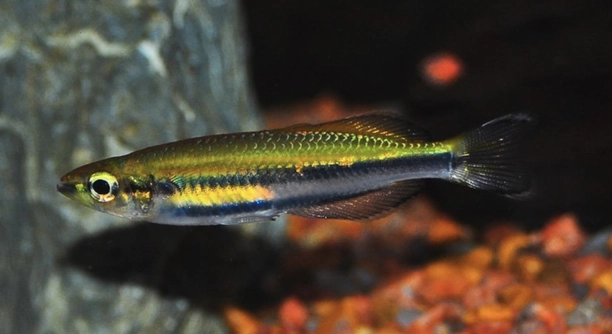
Do you ever notice your rainbowfish swimming alone, seeming uninterested in the other fish in the tank? Many owners watch quietly as their colorful companions ignore one another, leaving them wondering about this unusual behavior.
Rainbowfish may ignore their tankmates due to stress, territorial instincts, or differences in temperament. Environmental factors such as overcrowding, water quality, and insufficient hiding spaces also play a significant role in their social interactions within an aquarium.
Understanding these reasons can improve your tank management and fish care. Small adjustments in habitat and observation can make a noticeable difference in rainbowfish behavior.
Environmental Stressors in the Tank
Rainbowfish are sensitive to changes in their surroundings. Sudden temperature shifts, poor water quality, or overcrowded conditions can make them retreat from their tankmates. I’ve noticed that even small changes, like moving decorations or adding new plants, can temporarily affect their behavior. Stress can reduce their appetite and cause them to hide more often, which sometimes looks like they are ignoring other fish. Providing stable water parameters, including proper pH and temperature levels, helps them feel secure. Adequate swimming space is also important. When tanks are too small or overstocked, rainbowfish may avoid interaction simply to protect themselves. Observing their patterns daily can reveal if stress is the reason for their isolation. By addressing these environmental factors, you can help your rainbowfish regain comfort and start interacting naturally again.
Stable conditions are key. Maintaining consistent water quality prevents stress-related isolation.
Ensuring a well-maintained tank is essential. Regular water changes, a proper filtration system, and enough room for swimming create a healthier environment. Adding plants and hiding spots encourages natural behavior. Monitoring water parameters and making adjustments gradually supports their social interaction, reducing isolation over time.
Personality Differences
Some rainbowfish are naturally more timid than others. Shy individuals may avoid active or aggressive tankmates.
Understanding individual temperaments helps in managing mixed groups. Careful observation allows you to place compatible fish together and avoid unnecessary stress, improving overall harmony in the tank.
Each rainbowfish has its own personality, just like people. Some are bold and enjoy swimming near others, while some prefer solitude or only interact occasionally. Introducing new fish slowly can reduce fear and tension. Matching fish by size and activity levels often encourages more interaction. Avoiding aggressive species prevents shy rainbowfish from hiding constantly. Over time, even reserved fish may become more social if they feel secure in their environment. Paying attention to these subtle personality differences can explain why some rainbowfish seem to ignore their tankmates and help you create a balanced, calm aquarium.
Feeding and Competition
Rainbowfish may ignore tankmates if food is scarce or if certain individuals dominate feeding areas. Ensuring that everyone gets enough prevents stress and reduces avoidance behavior.
Feeding routines affect interactions more than many people realize. Aggressive eaters can intimidate shy fish, causing them to stay away during mealtime. I usually spread food across different areas of the tank so that all fish have access. Using sinking pellets and floating flakes at the same time helps reach both bottom and surface dwellers. Watching how they respond during feeding can reveal hidden social tensions or health issues. A calm feeding environment encourages shy rainbowfish to come out and interact, making the tank feel more balanced.
Food quality also matters. Nutrient-rich diets support energy and activity levels. Healthy fish are more likely to socialize and explore, while weak or underfed individuals may isolate themselves. Consistent feeding schedules combined with proper nutrition can improve overall behavior. Observing which fish hesitate or avoid food can highlight issues with hierarchy or individual stress. Adjusting portion sizes and feeding spots ensures a fair distribution and reduces conflict. Over time, this simple step can make shy rainbowfish more confident around their tankmates, encouraging healthier social patterns.
Tank Layout and Hiding Spaces
Tank design influences how rainbowfish interact. Open swimming areas and sufficient hiding spots prevent territorial disputes and encourage natural behavior.
Plants, rocks, and decorations create visual barriers and reduce stress. I’ve seen timid rainbowfish become more active when there are places to retreat. Without these spaces, shy fish may hide constantly, seeming to ignore others. Arranging the tank with a mix of open zones and sheltered corners allows them to explore safely. Floating plants and mid-level decorations offer extra cover while still letting fish swim freely. Regularly rotating decorations can refresh the environment and spark curiosity, helping reserved rainbowfish gradually engage with tankmates. Observation is key; noticing which areas are used most can guide adjustments for better interaction.
Balanced layouts also affect aggression. When fish have territories and hiding spots, dominant individuals are less likely to chase or intimidate others. Overcrowded tanks or minimal shelter often lead to isolation and stress. By creating multiple zones, shy rainbowfish can approach others at their own pace. Incorporating varied heights and textures encourages exploration, while open spaces maintain swimming freedom. The goal is to provide security without limiting movement. Adjusting layouts over time allows you to observe changes in behavior and make small improvements. Thoughtful design supports calmer, more social rainbowfish, reducing avoidance naturally.
Social Hierarchy
Rainbowfish often follow a social order in the tank. Dominant individuals may claim certain areas, leaving others to avoid them.
Shy or weaker fish might stay on the edges or in hiding spots. Understanding this hierarchy helps explain why some rainbowfish seem to ignore their tankmates.
Breeding Behavior
During breeding periods, rainbowfish can become more territorial and selective in their interactions. Males may focus on courting females, temporarily ignoring other fish in the tank. This behavior is natural and usually short-term.
Health and Illness
Illness can make rainbowfish withdrawn. Sick fish may avoid tankmates, staying hidden until they recover. Regular monitoring of their health can prevent prolonged isolation.
FAQ
Why do my rainbowfish ignore only one or two tankmates?
Rainbowfish may react differently to specific individuals due to temperament differences. Some fish are naturally shy, while others are more active or bold. Dominant fish can intimidate weaker ones, causing selective avoidance. I’ve noticed that when a new fish is introduced, timid rainbowfish often isolate themselves until they feel safe, sometimes ignoring only certain tankmates. Observing body language, swimming patterns, and feeding behavior can help identify which fish are more dominant and which are avoiding interaction. Adjusting tank layout, adding hiding spots, or separating aggressive individuals temporarily can improve harmony and reduce selective ignoring.
Can tank size affect rainbowfish social behavior?
Yes, tank size plays a big role in their interactions. Small or overcrowded tanks increase stress and competition for space, making shy fish hide more often. I’ve kept rainbowfish in larger tanks and noticed that they swim more freely and interact more because each fish has enough room. Overcrowding can also intensify dominance issues, leading to more avoidance behavior. Providing at least 20 gallons for a small school and increasing space with taller tanks for active species encourages more natural social patterns. Proper tank size paired with decorations and plants helps rainbowfish feel secure and engage with their tankmates.
Do rainbowfish ignore others when stressed?
Stress is a common reason for isolation. Water quality, sudden changes in temperature, or moving decorations can make rainbowfish retreat from their tankmates. I often check water parameters and notice that after stabilizing temperature and keeping conditions consistent, shy rainbowfish become more social. Stress reduces appetite, energy, and interaction, so maintaining a calm and stable environment is crucial. Signs like hiding, clamped fins, or erratic swimming indicate stress. Addressing these factors, such as improving filtration or reducing overcrowding, encourages shy fish to return to normal social behavior gradually.
Will rainbowfish interact more if I feed them properly?
Feeding routines and food distribution directly affect social interactions. Aggressive eaters can intimidate timid fish, making them avoid tankmates during meals. I usually scatter food across multiple spots to ensure all fish get a share. Using both sinking and floating food can reach bottom dwellers and surface swimmers at the same time. Consistent feeding schedules and quality nutrition also boost energy, helping fish become more active and willing to interact. Observing who eats first and who hesitates can highlight underlying social dynamics, allowing adjustments to feeding methods that reduce avoidance behavior.
Do decorations and plants influence their behavior?
Yes, tank layout significantly impacts rainbowfish interactions. Plants, rocks, and hiding spaces provide security for shy fish, helping them explore safely. I’ve seen timid rainbowfish become more confident after adding floating plants or vertical decorations that create mid-level cover. Open swimming areas combined with shelters allow fish to choose when to engage, reducing stress. Rotating decorations occasionally keeps the environment stimulating and encourages curiosity. Properly designed layouts prevent territorial disputes and give all fish a chance to swim freely while still feeling secure, promoting calmer social behavior and less avoidance.
Can health issues cause them to avoid tankmates?
Illness often leads to withdrawal. Rainbowfish may hide and avoid interaction if they feel unwell. I keep an eye out for signs like clamped fins, slow movement, or loss of appetite. Early detection and treatment usually allow the fish to recover and resume normal social activity. Maintaining good water quality, providing a balanced diet, and observing behavior daily helps prevent prolonged isolation due to health problems. Even minor stress or illness can affect their interactions, so proactive care is key.
Do rainbowfish ignore others during breeding?
Yes, breeding behavior can temporarily change social dynamics. Males often focus on courting females and may ignore other fish. I’ve noticed that during this time, territorial behavior increases, and fish can be selective in interactions. This is natural and usually short-term. Providing plenty of space and hiding spots reduces tension and ensures all fish remain comfortable.
Can temperament differences be managed?
Temperament differences are natural, but careful observation and tank management can help. Pairing fish of similar activity levels and sizes encourages interaction. I often separate aggressive or overly dominant individuals temporarily to give shy fish confidence. Observing behavior patterns helps create a more balanced group and reduces stress-related avoidance. Adjusting tank layout, feeding strategies, and social groupings ensures each rainbowfish feels secure, improving overall tank harmony.
Final Thoughts
Rainbowfish are colorful and active fish, but their social behavior can sometimes seem puzzling. It is normal for them to ignore certain tankmates at times, and it does not always indicate a serious problem. Factors such as stress, tank size, feeding routines, and individual temperament all influence how they interact. Observing their daily patterns can reveal a lot about their comfort level. When rainbowfish feel secure and their environment meets their needs, they are more likely to swim confidently and engage with the other fish. Even small changes, like adding a few plants or moving decorations, can help them feel safer and more willing to explore the tank alongside their companions. Understanding these factors allows owners to respond thoughtfully rather than overreacting to temporary or minor avoidance behavior.
Creating a well-maintained and balanced tank is essential for encouraging social behavior. Clean water, proper filtration, and a stable temperature provide a foundation for rainbowfish to thrive. Feeding practices also play a role, as aggressive eaters or uneven distribution of food can cause timid fish to stay hidden. By spreading food across different areas and using a mix of sinking and floating options, all fish get access, which reduces tension and competition. Hiding spots, plants, and open swimming spaces help rainbowfish feel secure while still allowing room for interaction. Paying attention to tank layout, social hierarchy, and breeding cycles can make a noticeable difference in behavior. Over time, even naturally shy rainbowfish can become more confident if their environment supports their needs. Small, consistent adjustments often produce better results than drastic changes.
Patience and observation are key when dealing with rainbowfish that seem to ignore their tankmates. Every fish has its own personality, and some will always be more reserved than others. Instead of forcing interaction, providing a comfortable environment and maintaining proper care encourages natural social behavior. Monitoring their health is also important because illness or stress can cause prolonged isolation. By addressing these aspects, owners can support their rainbowfish in feeling safe, healthy, and more interactive. Observing their interactions, making gradual improvements, and respecting their individual preferences help maintain a calm and balanced tank. In the end, understanding why rainbowfish behave the way they do allows for a more enjoyable experience as a keeper and ensures the fish remain happy and healthy in their aquarium.

Hello,
If you enjoy the content that we create, please consider saying a "Thank You!" by leaving a tip.
Every little bit helps us continue crafting quality advice that supports the health, happiness, and well-being of pets around the world, for pets of all shapes, sizes, and species.
We really appreciate the kindness and support that you show us!