
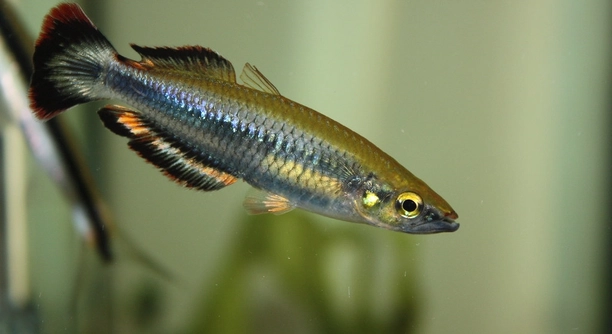
Rainbowfish are colorful and lively additions to any home aquarium, bringing charm and movement to the tank. Observing them closely helps owners notice subtle changes in behavior or appearance that could indicate a problem.
Rainbowfish may show signs of illness through changes in appetite, coloration, swimming patterns, or physical appearance. Early detection of these symptoms allows timely intervention and ensures their overall health and well-being in a controlled aquatic environment.
Knowing the early signs of sickness helps maintain a healthy aquarium and keeps your rainbowfish active, vibrant, and thriving for years to come.
Recognizing Changes in Behavior
Rainbowfish often give subtle hints when something is wrong. A fish that usually swims actively may start hiding in corners or resting at the bottom of the tank. Sudden aggression toward other fish or unusual lethargy can also signal distress. Observing patterns over several days helps identify these behavioral shifts. Feeding habits are another key indicator. If your rainbowfish suddenly refuses food or eats much less than usual, it could indicate stress or illness. Stressful conditions, such as poor water quality, overcrowding, or rapid temperature changes, often trigger these behaviors. Changes in social interaction are noticeable too; normally social fish that isolate themselves should be monitored closely. Keeping a simple log of daily behavior can help you detect even minor deviations. The earlier you notice these changes, the faster you can take action to prevent worsening conditions. Regular observation is essential for maintaining the overall health of your rainbowfish.
Behavioral changes are often the first signs of illness and should not be ignored.
Tracking movement patterns, feeding response, and social interactions allows owners to catch problems before they escalate. Consistent monitoring supports timely intervention and long-term fish health.
Spotting Physical Symptoms
Physical signs often accompany behavioral changes in rainbowfish.
Color fading, spots, or abnormal growths can indicate disease. Fin damage, bloating, or rapid gill movement are also important to watch for.
Rainbowfish that appear dull, have clamped fins, or show frayed tails are experiencing stress or infection. Bloating or a swollen belly may indicate internal parasites or organ issues. Eye cloudiness, white patches, or mucus buildup can point to bacterial or fungal infections. Consistently monitoring your fish’s appearance is critical. Noticing small changes early, such as slight discoloration or fin fraying, allows intervention before problems become severe. Environmental factors like water pH, ammonia levels, and temperature fluctuations directly impact physical health, so maintaining stable conditions is essential. Proper nutrition and a balanced diet also support resilience against disease. Observing your fish closely each day helps detect subtle symptoms that may otherwise go unnoticed. Addressing these issues promptly prevents serious illness and contributes to a thriving aquarium environment. Regular inspection of every fish ensures early detection and appropriate care.
Monitoring Water Quality
Poor water quality can quickly affect rainbowfish health. Regular testing for ammonia, nitrite, nitrate, and pH levels is crucial. Maintaining stable water parameters reduces stress and prevents disease outbreaks.
Changes in water conditions, such as sudden temperature shifts or chemical imbalances, can make rainbowfish more susceptible to illness. High ammonia or nitrite levels irritate gills, reduce oxygen absorption, and weaken the immune system. Fluctuations in pH stress the fish, leading to lethargy or hiding behavior. Keeping the tank clean through partial water changes and proper filtration is essential. Observing fish reactions after water adjustments helps ensure the environment remains stable. A stable, clean aquarium supports vibrant coloration, normal behavior, and strong resistance to common diseases.
Regular maintenance is key, including testing water and performing weekly partial changes to prevent toxic buildup. Proper filtration, aeration, and monitoring keep the habitat safe for rainbowfish to thrive.
Adjusting Diet and Feeding Habits
Feeding the right diet affects both health and behavior. Variety and portion control are important.
Rainbowfish thrive on a balanced diet that includes high-quality flakes, pellets, and occasional live or frozen foods like brine shrimp or daphnia. Overfeeding can cause bloating and poor water quality, while underfeeding leads to malnutrition. Observing how much your fish eat at each feeding helps you adjust portions appropriately. Offering small, frequent meals supports digestion and reduces leftover food that can pollute the tank. Nutrient-rich foods enhance coloration, growth, and immunity, making your fish more resilient to illness. Keeping feeding routines consistent also reduces stress and aggressive behavior among tank mates.
Feeding practices directly influence overall fish vitality. Combining quality nutrition with careful observation ensures rainbowfish remain active, colorful, and healthy, supporting long-term aquarium stability.
Quarantine New Fish
Quarantining new rainbowfish prevents the spread of disease to established tank inhabitants. A separate tank for observation is essential for at least two weeks.
During this period, monitor for signs of illness such as lethargy, spots, or unusual behavior. Early detection ensures problems are managed before introduction to the main tank.
Using Medication Correctly
Follow precise dosing instructions when treating rainbowfish. Overuse or underuse of medication can worsen health issues and stress fish.
Rainbowfish respond differently to treatments depending on species and water conditions. Always remove activated carbon from filters during medication, as it can absorb chemicals and reduce effectiveness. Monitor fish closely throughout the treatment process, checking for adverse reactions. Treat the entire tank if one fish is affected to prevent recurrence, and perform water changes as recommended. Keeping a written schedule of doses helps maintain accuracy and safety, ensuring fish recover effectively without unnecessary risk.
Maintaining Tank Cleanliness
Regular cleaning removes debris and prevents harmful bacteria buildup. Maintaining substrate, decorations, and filter media is essential for healthy fish.
FAQ
How can I tell if my rainbowfish is stressed?
Stress in rainbowfish often shows as unusual swimming patterns, hiding, or sudden aggression. Loss of appetite, faded colors, and clamped fins are also signs. Stress can be triggered by poor water quality, overcrowding, sudden temperature changes, or aggressive tank mates. Observing daily behavior helps spot these signs early.
What should I do if my rainbowfish stops eating?
A loss of appetite may indicate illness or stress. Check water parameters first, ensuring ammonia, nitrite, and pH are within safe ranges. Adjust feeding routines and offer varied foods such as live or frozen options. If the fish continues to refuse food, consider isolating it for observation and consult a veterinarian experienced with fish.
Why is my rainbowfish swimming erratically?
Erratic swimming can be caused by water quality issues, stress, or internal parasites. Inspect the tank for sudden temperature fluctuations, ammonia spikes, or overcrowding. Look for physical symptoms like bloating or fin damage. Correcting environmental factors and maintaining a clean tank often improves behavior. Persistent erratic movement may require treatment for illness.
What does it mean if my rainbowfish changes color?
Color changes can indicate stress, illness, or poor water quality. Faded or dull colors may signal poor nutrition or disease, while sudden darkening can be a stress response. Ensure water conditions are stable and provide a balanced diet. Monitor closely for other symptoms such as lethargy or abnormal swimming.
How often should I check water quality?
Testing water at least once a week is recommended. Check ammonia, nitrite, nitrate, and pH levels. Keeping a consistent schedule allows you to detect issues before they harm fish. Regular partial water changes and cleaning also help maintain stable, healthy conditions in the tank.
Can rainbowfish live with other species?
Rainbowfish are generally peaceful and social, preferring to be in groups of their own kind. They can coexist with other non-aggressive fish that thrive in similar water conditions. Avoid pairing with large or aggressive species that may stress or harm them.
What are common diseases in rainbowfish?
Rainbowfish are susceptible to fungal, bacterial, and parasitic infections. Symptoms include fin rot, white spots, bloating, clamped fins, and lethargy. Maintaining clean water, proper nutrition, and quarantine for new fish reduces the risk. Early detection and treatment are critical for recovery.
How do I treat a sick rainbowfish?
Identify the specific symptoms before choosing medication. Follow dosing instructions carefully and monitor fish for adverse reactions. Remove activated carbon from filters during treatment. Support the tank environment with stable water conditions, and isolate the sick fish if needed to prevent spreading illness.
Can poor diet make my rainbowfish sick?
Yes, inadequate nutrition weakens the immune system, reduces color vibrancy, and increases susceptibility to disease. Provide a balanced diet with high-quality flakes, pellets, and occasional live or frozen foods. Feeding small, frequent meals ensures proper digestion and overall health.
Is it normal for rainbowfish to hide sometimes?
Occasional hiding is normal, especially when they feel threatened or stressed. However, prolonged hiding, lethargy, or refusal to eat may indicate illness or unsuitable tank conditions. Observing patterns and maintaining optimal water quality will help them feel safe and active.
How can I prevent illness in rainbowfish?
Maintain clean water, stable temperature, and proper pH levels. Feed a balanced diet, avoid overcrowding, and quarantine new fish before introducing them. Regular observation of behavior and appearance allows early detection and intervention, reducing the risk of serious illness.
What signs show my rainbowfish needs immediate attention?
Signs include rapid gill movement, severe lethargy, bloating, frayed fins, unusual swimming, or white patches on the body. Immediate action involves checking water parameters, isolating the fish, and applying appropriate treatment to prevent worsening of the condition.
Can stress affect my rainbowfish’s lifespan?
Chronic stress weakens the immune system, leading to disease and premature death. Stable water conditions, proper nutrition, and a peaceful tank environment help minimize stress and promote long-term health and activity.
How do I introduce new rainbowfish to the tank?
Quarantine new fish for at least two weeks. Gradually acclimate them to the main tank’s water temperature and conditions. Introduce them slowly to reduce stress and prevent potential disease transmission to established fish.
What temperature is best for rainbowfish?
Rainbowfish generally thrive in temperatures between 74–82°F (23–28°C). Sudden changes can stress them, making them vulnerable to disease. Using a reliable heater and monitoring daily ensures stable conditions and supports overall health.
How do I know if water parameters are safe?
Use test kits to check ammonia, nitrite, nitrate, and pH levels. Ammonia and nitrite should be at zero, nitrate below 20 ppm, and pH stable within the species’ preferred range. Consistent testing ensures a safe and healthy environment for rainbowfish.
What role does tank size play in health?
A spacious tank prevents overcrowding, reduces stress, and provides room for swimming. Rainbowfish are active swimmers and thrive in tanks that allow free movement. Insufficient space can lead to aggression, stunted growth, and increased disease risk.
Can rainbowfish recover from illness?
Early detection, proper treatment, and stable water conditions improve recovery chances. Nutrient-rich diets and isolation when needed support healing. Recovery may take time, and careful monitoring ensures the fish returns to full health.
Why are my rainbowfish hiding and not eating?
This usually signals stress, illness, or poor water conditions. Check water parameters, diet, and tank environment. Isolate the fish if necessary and provide proper care. Prompt attention prevents worsening health issues and encourages recovery.
How often should I clean the tank?
Partial water changes once a week and periodic substrate cleaning help maintain healthy water conditions. Avoid over-cleaning, which can disturb beneficial bacteria. A clean, stable tank supports the overall health and well-being of rainbowfish.
Can I keep rainbowfish in a community tank?
Yes, with compatible, non-aggressive species. Keep them in groups of their own kind for social comfort. Avoid large, aggressive fish that may stress or harm them, ensuring a peaceful environment that promotes normal behavior.
What is the best diet for vibrant colors?
Provide high-quality flakes or pellets enriched with carotenoids, along with live or frozen foods like brine shrimp and daphnia. A varied diet supports bright colors, strong immune systems, and overall vitality. Rotate foods to ensure balanced nutrition.
How do I prevent fin rot?
Maintain clean water, avoid overcrowding, and provide a balanced diet. Remove sick fish from the main tank and treat infections promptly. Regular observation allows early intervention before fin rot worsens, preserving healthy fins and swimming ability.
Are cloudy eyes a serious sign?
Cloudy eyes may indicate bacterial infection, poor water quality, or injury. Test water parameters and isolate affected fish. Early treatment with appropriate medication and maintaining clean water conditions usually improves recovery.
How long do rainbowfish live?
Rainbowfish typically live 5–8 years with proper care. Stable water conditions, balanced nutrition, and disease prevention contribute to reaching their full lifespan. Regular observation and attention to health are essential for longevity.
Why is my rainbowfish gaping at the surface?
Gasping at the surface often indicates low oxygen levels or poor water quality. Ensure proper aeration, filtration, and regular water changes. Maintaining optimal conditions prevents stress and supports normal respiratory function.
How can I tell if a rainbowfish has parasites?
Signs include scratching against objects, rapid gill movement, bloating, or visible spots. Monitor behavior and appearance closely. Early detection and appropriate treatment are necessary to prevent serious health complications.
What is the best way to introduce live food?
Rinse live food thoroughly before feeding and introduce small amounts to avoid overfeeding. Observe fish while feeding to ensure all receive adequate nutrition. Live food stimulates natural hunting behavior and provides essential nutrients for growth and color.
Can temperature swings make rainbowfish sick?
Yes, sudden changes weaken the immune system, cause stress, and increase susceptibility to disease. Keep water temperature stable within the preferred range and monitor with a reliable thermometer to ensure a healthy environment.
How do I tell if a rainbowfish is recovering?
Improved appetite, normal swimming behavior, vibrant coloration, and reduced hiding indicate recovery. Continue monitoring water quality and feeding a balanced diet to support full healing and long-term health.
What should I do if one fish spreads disease?
Immediately isolate the sick fish, test water parameters, and treat the entire tank if necessary. Remove uneaten food, perform partial water changes, and follow medication instructions carefully to control the spread.
Are rainbowfish sensitive to pH changes?
Yes, rapid pH shifts cause stress and can trigger illness. Maintain stable conditions within their preferred range to support healthy behavior, immune function, and overall vitality.
Can overcrowding cause disease?
Overcrowding increases stress, aggression, and waste buildup, leading to poor water quality and higher disease risk. Provide adequate tank space for each fish to swim comfortably and maintain a healthy, stable environment.
How do I recognize gill problems?
Signs include rapid gill movement, gasping at the surface, and clamped fins. Inspect water quality and test for parasites or bacterial infections. Prompt treatment and stable conditions prevent further complications.
What is the safest way to medicate a tank?
Follow manufacturer instructions precisely, remove activated carbon from filters, and monitor fish closely. Maintain water quality and temperature during treatment. Isolate severely affected fish if necessary and perform recommended water changes after the course.
How long should quarantine last?
Quarantine new fish for at least two weeks. Observe daily for signs of illness or stress. This precaution protects established fish and ensures only healthy individuals are introduced to the main tank.
Can rainbowfish live alone?
Rainbowfish are social and thrive in groups. Keeping a single fish can cause stress and unusual behavior. Maintain a small school of at least five to seven individuals for proper social interaction and comfort.
How do I prevent fungal infections?
Maintain clean water, remove uneaten food, avoid overcrowding, and monitor for injury. Early detection and treatment prevent fungal growth and protect overall fish health.
Why is my rainbowfish floating oddly?
Abnormal floating may indicate swim bladder issues, bloating, or internal infection. Check diet, water quality, and observe for other symptoms. Prompt intervention improves recovery and prevents worsening conditions.
How do I make my rainbowfish more active?
Provide adequate space, maintain proper water conditions, and offer a balanced diet with occasional live or frozen foods. Consistent feeding schedules and a stress-free environment encourage natural activity and social behavior.
Is it normal for rainbowfish to rest at the bottom sometimes?
Occasional resting is normal, especially at night. Persistent lethargy, hiding, or refusal to eat may indicate illness or stress. Monitoring daily behavior ensures any issues are addressed promptly.
How can I tell if a rainbowfish has internal parasites?
Symptoms include bloating, weight loss, loss of appetite, and unusual swimming. Consult a veterinarian for proper diagnosis and treatment. Maintaining clean water and a balanced diet reduces risk.
Can water hardness affect rainbowfish health?
Yes, extreme hardness or softness can stress fish and affect breeding or coloration. Maintain moderate hardness suitable for rainbowfish species to support health, growth, and immunity.
How do I keep rainbowfish colors bright?
Feed a nutrient-rich diet, maintain clean water, and reduce stress. Healthy conditions, proper lighting, and stable parameters enhance natural coloration and overall vitality.
What should I do if fin rot returns?
Treat immediately with appropriate medication, maintain clean water, and isolate affected fish if necessary. Monitor for underlying causes such as poor water quality or aggression from tank mates.
How often should I observe my rainbowfish?
Daily observation allows early detection of illness or stress. Watch swimming patterns, feeding habits, coloration, and interactions to maintain a healthy, thriving aquarium.
Why do rainbowfish jump out of the tank?
Jumping often occurs due to stress, overcrowding, poor water quality, or lack of stimulation. Use a secure lid and maintain optimal conditions to prevent accidents and injuries.
Can overcrowding hide early signs of illness?
Yes, busy or aggressive tank conditions may mask subtle changes in behavior or appearance. Monitor individual fish closely to catch early symptoms before they escalate.
How can I support recovery after illness?
Maintain clean water, provide high-quality food, monitor behavior, and reduce stressors. Isolation of affected fish and following treatment instructions ensures full recovery and prevents relapse.
Are rainbowfish sensitive to chemicals in water?
Yes, chlorine, heavy metals, and cleaning residues can stress fish or cause illness. Use water conditioners and ensure no chemical contamination to maintain a safe environment.
How do I prevent future health issues?
Regular water testing, proper feeding, quarantine for new fish, and consistent observation are key. Maintaining stable, clean conditions supports overall health and longevity of rainbowfish.
What is the best way to introduce live plants?
Rinse plants thoroughly, check for pests, and gradually place them in the tank. Live plants improve water quality, provide hiding spots, and reduce stress, contributing to healthier rainbowfish.
How can I tell if my rainbowfish is dehydrated?
Fish absorb water through gills and skin; dehydration is rare but may appear as sunken eyes, lethargy, or rapid gill movement. Ensure proper water conditions to prevent such issues.
What should I do if multiple fish get sick?
Treat the entire tank if necessary, maintain optimal water conditions, isolate severely affected fish, and follow medication instructions. Early intervention limits spread and improves recovery chances.
Can sudden lighting changes affect rainbowfish?
Yes, abrupt lighting changes can stress fish and alter behavior. Gradually adjust light schedules to mimic natural cycles, supporting activity, feeding, and coloration.
How long should treatment last?
Follow medication instructions carefully. Duration depends on the illness and severity. Monitor fish closely and maintain water quality throughout treatment to ensure effectiveness and prevent relapse.
Is it normal for rainbowfish to change behavior seasonally?
Slight variations can occur due to water temperature or light changes. Significant shifts in activity, appetite, or coloration may indicate stress or illness rather than normal seasonal behavior.
How do I know if my rainbowfish is happy?
Active swimming, normal feeding, vibrant coloration, and social interactions indicate good health and comfort. Observing these patterns helps ensure their well-being in the aquarium environment.
Can I treat multiple conditions at once?
Treating multiple issues simultaneously should be done cautiously. Identify specific problems and follow recommended protocols, as combining medications may stress fish or reduce effectiveness. Careful monitoring is essential.
How often should I replace filter media?
Replace or clean filter media according to manufacturer instructions to maintain proper filtration. Avoid over-cleaning to preserve beneficial bacteria. Consistent maintenance ensures healthy water conditions for rainbowfish.
What is the best tank setup for rainbowfish?
Provide ample swimming space, stable water conditions, live plants, hiding spots, and gentle filtration. A well-structured tank reduces stress, supports natural behavior, and promotes long-term health.
Can rainbowfish tolerate slightly lower temperatures?
Slight drops may be tolerated briefly, but prolonged exposure to temperatures below their preferred range can stress fish, weaken immunity, and increase susceptibility to disease.
How do I encourage natural behavior?
Provide open swimming areas, plants, hiding spots, and occasional live food. Stable water parameters and proper tank mates support active, social, and healthy rainbowfish behavior.
What are early warning signs of illness?
Lethargy, faded colors, clamped fins, loss of appetite, abnormal swimming, or hiding more than usual. Daily observation helps detect these signs before serious complications arise.
Can stress affect breeding?
Yes, stressed rainbowfish may refuse to spawn, produce fewer eggs, or show reduced coloration. Maintaining optimal conditions and minimal disturbances supports successful breeding.
How do I prevent injury in the tank?
Remove sharp decorations, maintain proper stocking levels, and provide hiding spots. Ensuring safe swimming space minimizes risk of injury and supports overall fish health.
Why is my rainbowfish rubbing against objects?
Rubbing, or flashing, may indicate parasites, skin irritation, or stress. Check water quality and observe for external signs of disease. Prompt treatment reduces discomfort and prevents worsening health issues.
How do I reduce aggression in the tank?
Provide adequate space, hiding spots, and maintain appropriate group sizes. Avoid overcrowding and ensure compatible species to minimize stress and aggression.
Can rainbowfish recover from fin damage?
Yes, with clean water, proper nutrition, and minimal stress, fins can regrow. Treat underlying causes such as injury or disease to prevent recurring damage.
Is it safe to mix rainbowfish species?
Generally yes, if species share similar water requirements and temperament. Avoid mixing highly aggressive or very small species that may become stressed or preyed upon.
What should I do if my rainbowfish refuses live food?
Offer small portions gradually, mix with flakes or pellets, and observe feeding behavior. Some fish take time to adapt, but persistence ensures proper nutrition and enrichment.
How often should I monitor tank temperature?
Daily checks help maintain stability. Use a reliable thermometer and adjust the heater if needed. Consistent temperatures support immune function, activity, and overall health.
What is the best way to transport rainbowfish?
Use a secure container with sufficient water, minimize temperature changes, and limit handling. Short transport times reduce stress and protect health during relocation.
Can poor lighting affect rainbowfish health?
Inadequate or harsh lighting can stress fish, dull coloration, and alter behavior. Provide moderate lighting with a regular day-night cycle to support natural activity and color vibrancy.
How do I know if a rainbowfish is too old?
Signs include reduced activity, faded colors, slower feeding response, or recurring illness. Proper care extends lifespan, but aging is natural and gradual.
Are rainbowfish sensitive to noise?
Excessive vibrations or loud noise may stress rainbowfish, causing hiding or erratic swimming. A quiet, stable environment supports normal behavior and reduces health risks.
How do I handle a sick fish safely?
Use clean nets, avoid stressing the fish, and follow isolation and treatment protocols. Wash hands before and after handling to prevent contamination.
Can rainbowfish develop chronic stress?
Yes, long-term exposure to poor conditions, overcrowding, or aggressive tank mates leads to chronic stress. Stress weakens immunity, reduces lifespan, and increases disease susceptibility.
How do I know if treatment is working?
Observe behavior, appetite, coloration, and swimming patterns. Improvement in these areas indicates effective treatment. Continue monitoring until full recovery is evident.
What is the most common reason rainbowfish get sick?
Poor water quality, stress, overcrowding, and improper diet are primary contributors. Address
Rainbowfish are colorful and active fish that can bring life to any aquarium. Their health depends heavily on proper care, including clean water, balanced nutrition, and a stable environment. Observing them regularly helps catch early signs of illness, which can make a big difference in recovery. Even small changes in behavior, such as hiding more than usual or swimming erratically, may indicate that something is wrong. Similarly, physical changes like faded coloration, frayed fins, or bloating should not be ignored. Paying attention to these signals allows owners to respond quickly and prevent more serious health issues. Maintaining a healthy aquarium is a combination of consistent monitoring, proper feeding, and understanding the basic needs of rainbowfish.
Water quality plays a major role in keeping rainbowfish healthy. Testing for ammonia, nitrite, nitrate, and pH levels should be done regularly, and partial water changes are essential to prevent harmful buildup. Temperature stability is equally important, as sudden changes can stress fish and make them more susceptible to illness. Overcrowding or introducing aggressive tank mates can also increase stress and reduce overall well-being. Filtration and aeration must be maintained so that fish have enough oxygen and waste is properly removed. Even small lapses in tank maintenance can lead to noticeable changes in behavior or appearance. Keeping a clean and stable environment helps rainbowfish thrive, reduces the risk of disease, and encourages natural behavior.
Feeding is another critical aspect of rainbowfish care. A varied and balanced diet supports strong immune systems, vibrant coloration, and healthy growth. Overfeeding can cause bloating and poor water quality, while underfeeding can lead to malnutrition. Offering live or frozen foods occasionally encourages natural hunting behavior and provides essential nutrients. Observation during feeding is useful to ensure all fish are eating properly and not being bullied by tank mates. Overall, caring for rainbowfish requires attention, consistency, and patience. By monitoring behavior, maintaining water quality, and providing a proper diet, owners can help their rainbowfish live long, active, and healthy lives, ensuring the aquarium remains a vibrant and safe home for all inhabitants.

Hello,
If you enjoy the content that we create, please consider saying a "Thank You!" by leaving a tip.
Every little bit helps us continue crafting quality advice that supports the health, happiness, and well-being of pets around the world, for pets of all shapes, sizes, and species.
We really appreciate the kindness and support that you show us!