
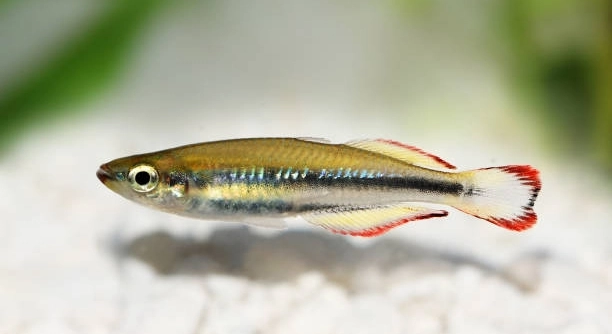
Rainbowfish are colorful and lively, often catching the attention of aquarium enthusiasts. Observing them can be calming, yet you might notice some hovering in one spot for longer than expected, appearing almost motionless in the water.
Rainbowfish hover in one spot primarily to regulate their position and conserve energy. This behavior allows them to maintain stability in the water column, avoid unnecessary movement, and respond efficiently to environmental changes or nearby threats without expending excessive energy.
Learning more about this behavior can help you understand their needs better and create a more comfortable environment for these vibrant fish.
Reasons Rainbowfish Hover in One Spot
Rainbowfish may hover in one spot for several reasons. One common factor is feeding habits. They often pause in the water column while searching for small insects, plankton, or flakes. Hovering allows them to focus on nearby food without wasting energy swimming constantly. Another reason is environmental comfort. If the water temperature, pH level, or flow is slightly off, rainbowfish may stay still to adjust and stabilize themselves. Social dynamics also play a role; they may position themselves near other fish to feel secure or assert their space within the group. Additionally, hovering can be linked to rest periods. Fish do not sleep like humans, but they need quiet moments to conserve energy. By staying in one spot, they maintain low activity levels while remaining alert. Observing these behaviors provides insight into their well-being and daily routines in the tank.
Hovering can also help rainbowfish avoid predators. Remaining motionless makes them less noticeable and reduces the chance of sudden attacks, keeping them safer in their environment.
Being aware of these factors ensures that your rainbowfish remain healthy and stress-free. Adjusting tank conditions, monitoring feeding schedules, and watching social interactions can make a noticeable difference in their behavior and overall vitality.
Environmental Factors Affecting Hovering
Water flow, temperature, and pH are critical factors that influence rainbowfish behavior. Sudden changes in any of these elements may cause them to pause and hover as they acclimate.
Consistent tank conditions are essential for rainbowfish comfort. Strong currents can tire them, while stagnant water may cause them to remain still to conserve energy. Temperature fluctuations affect metabolism, influencing swimming patterns and activity levels. Proper pH levels help maintain physiological balance and prevent stress. Observing their environment carefully helps identify any adjustments needed to promote natural movement and activity. Additionally, tank decorations and hiding spots impact hovering behavior. Fish often pause near plants or rocks to feel secure, balancing their need for exploration with safety. By understanding these environmental influences, caretakers can create a stable, supportive habitat that encourages healthy swimming habits, reducing prolonged hovering and supporting their overall well-being in the aquarium.
How Feeding Patterns Influence Hovering
Rainbowfish often hover when they are deciding whether to eat. Pausing in one spot allows them to watch for food carefully and react quickly when it becomes available. This helps them avoid unnecessary movement and conserve energy.
Feeding times can greatly affect hovering behavior. When food is introduced, rainbowfish may remain still nearby, analyzing the environment before darting to catch flakes or small live prey. They often watch the water surface or floating particles, ensuring it is safe to approach. This cautious behavior reduces energy waste and prevents mistakes that could leave them vulnerable. Hovering is a natural strategy to balance hunger and safety while maintaining control over their surroundings.
The type of food also matters. Flake, frozen, or live food can influence how long rainbowfish hover and how often they swim. They may pause longer with unfamiliar food or when sharing space with other fish. Understanding these feeding patterns helps ensure they remain healthy, active, and less stressed in the tank.
Social Dynamics and Group Behavior
Rainbowfish often hover to observe other fish in the tank. Positioning themselves strategically helps them maintain safety while assessing their surroundings and interactions.
Their group behavior is complex. Hovering allows rainbowfish to monitor the hierarchy within their school, watch for potential threats, and coordinate movements with others. It helps them understand space boundaries, avoid aggressive interactions, and maintain balance in the social structure. By remaining in one spot, they can gauge the behavior of neighboring fish without unnecessary movement, which is energy-efficient.
Dominance and schooling tendencies also affect hovering. Fish in a mid or lower position may pause to avoid confrontation, while leaders may hover to assert control or survey their area. Observing these behaviors provides insight into social stability and helps maintain a peaceful aquarium. By noting patterns, adjustments can be made to minimize stress and encourage healthy interaction within the group.
Rest and Energy Conservation
Rainbowfish often hover to conserve energy. Staying in one spot reduces the need for constant swimming, which helps them maintain stamina for feeding and exploring later.
Hovering can also provide short rest periods. Fish remain alert while minimizing physical exertion, balancing activity with necessary downtime.
Light and Tank Placement
Lighting and tank placement can influence hovering. Rainbowfish may pause in shaded or quiet areas to feel more secure.
Adjusting light intensity and positioning decorations strategically can encourage more natural swimming patterns. Observing how your fish respond to different spots helps create a comfortable environment that supports their well-being.
Observing Health Indicators
Hovering can signal potential health issues. Changes in behavior, such as extended stillness or unusual positioning, may indicate stress, illness, or water quality problems. Monitoring patterns helps identify issues early, allowing prompt action to maintain the fish’s health.
Water Quality Maintenance
Consistent water quality is crucial for rainbowfish activity. Regular testing and filtration prevent harmful conditions that could cause prolonged hovering, supporting overall tank stability and fish comfort.
FAQ
Why do rainbowfish hover more at certain times of the day?
Rainbowfish often adjust their activity based on light levels and feeding schedules. Hovering is common during quieter periods, like mid-morning or late afternoon, when they conserve energy or observe their surroundings. Their natural rhythm encourages periods of rest between active swimming and feeding.
Can hovering indicate illness in rainbowfish?
Yes, unusual or prolonged hovering may be a sign of stress or health problems. Poor water quality, internal parasites, or infections can cause fish to remain still. Monitoring their overall behavior, appetite, and appearance helps identify issues early for timely care.
Is hovering affected by tank size?
Tank size can influence how much rainbowfish hover. In smaller tanks, limited swimming space may lead them to pause more often, while larger tanks allow for continuous movement. Proper space ensures they can swim naturally and stay healthy.
Do other fish in the tank affect hovering?
Yes, social interactions influence hovering. Rainbowfish may pause near more dominant or aggressive species to avoid conflict. Conversely, they may hover to maintain position within their own school, coordinating movements or observing others for safety.
How does water flow impact hovering behavior?
Strong currents can tire rainbowfish, causing them to hover to regain energy. Gentle or moderate flow allows continuous swimming. Hovering in areas with calmer water helps them maintain balance and reduces stress from constant resistance.
Can diet influence how much rainbowfish hover?
Food type and feeding frequency can affect hovering. Live or floating food may cause them to pause and observe before eating. Inconsistent feeding can also lead to hovering as they anticipate meals while conserving energy. Proper diet encourages natural swimming and activity patterns.
Are certain species of rainbowfish more prone to hovering?
Yes, some species naturally hover more due to temperament or body shape. Species with higher energy levels may swim constantly, while more cautious types pause frequently to observe their environment or school dynamics. Recognizing species traits helps interpret hovering behavior.
Does temperature play a role in hovering?
Temperature affects metabolism and activity levels. Cooler water can slow movement, resulting in more hovering, while warmer water may increase swimming. Keeping the tank within recommended temperature ranges ensures consistent energy and reduces excessive stillness.
Can decorations and tank layout affect hovering?
Yes, fish use plants, rocks, and hiding spots for security. Hovering near these areas helps them feel safe and reduces stress. Providing a well-arranged tank encourages natural behavior while allowing them to rest and observe without feeling threatened.
Is it normal for rainbowfish to hover near the surface?
Hovering near the surface is common when feeding or seeking oxygen-rich water. It may also occur if they feel unsafe in other parts of the tank. Observing patterns can indicate whether it is natural behavior or a response to environmental conditions.
How can I reduce excessive hovering in my rainbowfish?
Ensuring stable water quality, consistent feeding, and proper tank layout can reduce unnecessary hovering. Providing adequate space, moderate flow, and social stability helps fish swim naturally and minimizes stress-induced stillness. Monitoring behavior over time supports a healthy, active aquarium environment.
What signs indicate hovering is just normal behavior?
Brief pauses during feeding, resting periods, or observing surroundings are typical. Fish remain alert, swim normally afterward, and show no other stress signs. Recognizing normal patterns helps differentiate between healthy hovering and behavior caused by environmental or health concerns.
Does lighting affect how rainbowfish hover?
Yes, bright or harsh light may encourage them to hover in shaded areas. Conversely, dimmer lighting can make them more active. Adjusting light intensity and providing shaded spots supports natural movement and reduces stress-related hovering.
Can hovering behavior change as rainbowfish grow?
Yes, younger fish may hover more as they acclimate to the tank, while adults may establish territories and swim actively. Growth and maturity influence activity levels, energy conservation, and social interactions, affecting how often they pause in one spot.
How often should I check on hovering behavior?
Regular observation is important. Noticing patterns over days or weeks helps determine normal activity versus unusual behavior. Consistent monitoring allows early intervention if hovering indicates stress, illness, or environmental issues, keeping your rainbowfish healthy and comfortable.
Final Thoughts
Observing rainbowfish hover in one spot can be both intriguing and informative. This behavior is a natural part of their daily routine and serves several purposes. Hovering allows them to conserve energy, monitor their surroundings, and maintain social awareness within their group. It also helps them respond quickly to potential threats or changes in the environment. By understanding why rainbowfish exhibit this behavior, caretakers can better support their well-being and ensure that their aquarium provides a safe, comfortable, and stimulating environment. Paying attention to these small movements can reveal a lot about their health, comfort level, and how well they are adapting to the tank conditions.
Water quality, temperature, and tank layout play a significant role in hovering behavior. Rainbowfish are sensitive to changes in their environment, and even minor fluctuations can affect their activity levels. Strong water flow, improper temperature, or poor pH balance may cause fish to pause frequently, while consistent and stable conditions encourage natural swimming patterns. Tank decorations, plants, and hiding spots also impact how and where rainbowfish hover. They often pause near secure areas to feel safe while still being able to observe the tank. By maintaining stable conditions and arranging the tank thoughtfully, caretakers can reduce unnecessary stress and promote healthy movement, allowing the fish to hover naturally without indicating a problem.
Feeding patterns and social interactions are equally important. Rainbowfish may hover to watch for food or to navigate interactions with other fish in the tank. Understanding their diet and school dynamics helps interpret why they might remain still at certain times. Some species naturally hover more than others, and individual personality traits also influence this behavior. Observing how rainbowfish respond to different types of food, feeding times, and the presence of other fish provides insight into their comfort and activity levels. Being attentive to these details allows caretakers to make small adjustments that can have a meaningful impact on their health and happiness, ensuring that hovering is a normal, safe, and well-understood part of their behavior.

Hello,
If you enjoy the content that we create, please consider saying a "Thank You!" by leaving a tip.
Every little bit helps us continue crafting quality advice that supports the health, happiness, and well-being of pets around the world, for pets of all shapes, sizes, and species.
We really appreciate the kindness and support that you show us!