
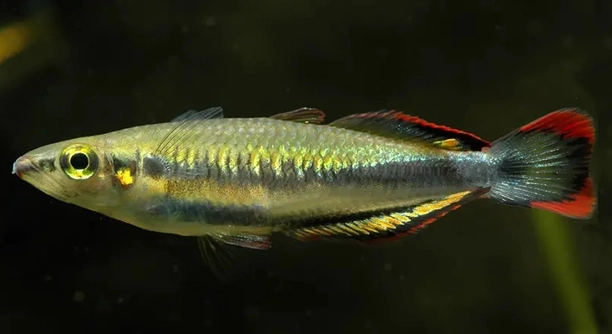
Have you ever noticed how water movement shapes fish behavior and comfort in an aquarium setting, especially for active species like rainbowfish that rely on stable conditions for health, color, and daily swimming patterns overall.
Rainbowfish generally prefer low to moderate water flow rather than high current environments. Excessive flow increases energy expenditure and stress, while gentle circulation supports natural schooling behavior, efficient feeding, and consistent oxygen distribution across the aquarium habitat over time consistently.
Flow choice affects behavior, coloration, and longevity, making proper setup essential for maintaining calm, active, and healthy rainbowfish environments indoors.
Understanding Natural Flow Preferences
Rainbowfish come from rivers and streams where water moves steadily but rarely crashes with force. In aquariums, this means they thrive when flow feels consistent and smooth. Gentle circulation helps spread oxygen, keeps waste from settling, and allows fish to swim without constant resistance. When flow is balanced, rainbowfish show brighter colors, calmer schooling, and better feeding responses. I have noticed that tanks with adjustable filters create a more relaxed atmosphere compared to strong powerheads. Too much current can push fish into corners or force them to rest more often. A moderate setup lets them glide, turn, and interact naturally. This also supports plant growth, which further softens water movement. Overall, stability matters more than strength when choosing flow for rainbowfish, especially in community tanks where comfort affects long term health. Proper flow adjustment reduces stress levels and supports daily activity patterns for both juvenile and adult rainbowfish alike fish.
Low to moderate flow also makes feeding easier. Food stays suspended longer instead of rushing past fish. This allows rainbowfish to eat evenly, reduces competition, and limits excess waste. Consistent flow keeps maintenance simple and supports stable water parameters over time for most home aquariums used by keepers everywhere today.
High flow setups are sometimes marketed as healthier, but they rarely match rainbowfish needs. Strong current demands constant swimming, which can increase fatigue and reduce resting time. Over weeks, this stress may dull coloration and weaken immune response. I prefer observing how fish position themselves in the tank. When they cluster behind decorations or plants, flow is often too strong. Reducing output or redirecting nozzles usually improves behavior within days. Simple changes like spray bars or diffusers help distribute movement evenly. The goal is steady circulation that supports activity without overwhelming the fish during daily swimming and feeding routines periods.
How Tank Setup Influences Flow
Tank size and filtration choice directly influence flow perception. Smaller tanks feel stronger current faster, even with modest filters. Choosing adjustable equipment allows better control. I find this especially helpful when housing mixed species. Proper sizing prevents unnecessary stress and supports consistent movement throughout the aquarium for rainbowfish care success.
Decor, plants, and layout all affect how water moves through a tank. Tall plants break up flow and create calm zones where rainbowfish can rest. Rocks and wood redirect current, preventing direct pressure on open swimming areas. I usually arrange decor before setting final filter output. This helps me see where water accelerates or slows. Watching fish behavior after adjustments provides clear feedback. When fish swim freely across the tank, flow is usually appropriate. Regular maintenance also plays a role. Clean filters maintain predictable output, while clogged media can cause uneven surges. Lighting and stocking levels should match the chosen flow, since crowded tanks feel stronger current. Balancing these elements creates a stable environment that supports natural movement, feeding, and coloration. Flow should complement the tank rather than dominate it. Thoughtful planning makes rainbowfish easier to keep and more enjoyable to observe over time. This approach reduces sudden changes and supports long term consistency. I aim for equipment that allows fine adjustments rather than fixed settings. Small tweaks often prevent larger problems later. With patience, flow becomes a quiet support system that works in the background every day without demanding constant attention from the keeper during routine aquarium care tasks.
Signs of Improper Water Flow
When water flow is unsuitable, rainbowfish show clear behavioral changes that are easy to notice. They may avoid open areas, swim erratically, or rest near tank edges. Appetite often decreases, and colors appear duller over time compared to calmer, well balanced setups. This pattern usually worsens if conditions remain unchanged.
Physical stress can also develop under improper flow conditions. Constant resistance forces rainbowfish to expend more energy just to maintain position. Over weeks, this may weaken immune response and increase vulnerability to disease. I have noticed frayed fins and slower growth in tanks with excessive current. Fish may cluster behind decorations seeking relief, which limits natural schooling behavior. Even moderate flow can feel strong in smaller tanks. Monitoring swimming patterns daily helps catch issues early. Stable, gentle movement supports healthy metabolism, balanced oxygen intake, and predictable routines that reduce overall strain on the fish over periods in confined aquarium environments.
Flow issues often interact with other tank factors, making them harder to isolate. Overstocking intensifies current pressure, while bare tanks offer little resistance. I prefer adding plants before increasing filtration strength. This approach softens movement and creates varied zones. Feeding behavior provides useful clues. When food rushes past fish too quickly, flow is likely excessive. Consistent observation matters more than equipment ratings. Small adjustments, made slowly, allow fish to adapt without shock. Maintaining a calm baseline supports long term health and reduces the need for constant intervention. This balance becomes easier to maintain with routine checks and patience over time.
Adjusting Flow for Best Results
Adjusting flow starts with choosing equipment that allows control. Adjustable filters, spray bars, and directional nozzles help fine tune movement. I usually begin with the lowest setting and increase gradually. Observing fish placement after each change provides immediate feedback. The goal is even circulation without pushing fish into constant swimming or hiding behind tank decor. This method reduces stress and supports steady adjustment without sudden environmental disruption during regular aquarium maintenance routines at home setups.
Flow adjustments should always match tank size, stocking levels, and layout. Stronger filters are not better by default. I focus on how water moves across the full tank rather than output numbers. Redirecting flow toward glass surfaces disperses force evenly. Plants and hardscape should be used intentionally to slow movement. I test changes during feeding, since this reveals real conditions. If food remains suspended briefly, flow is appropriate. Regular cleaning maintains consistent performance. Sudden changes should be avoided, as rainbowfish respond best to gradual shifts. Consistency supports confidence, activity, and coloration over time. I have found that patience leads to fewer problems and more predictable behavior in community aquariums where stability benefits every species and reduces long term stress for both fish and keeper alike.
Managing Flow in Community Aquariums
Community tanks require careful flow balance to support multiple species comfortably. Rainbowfish prefer steady movement, while slower fish need calmer zones. I adjust flow to favor the least active species. This prevents constant stress and allows natural behavior across the entire tank for all residents over time and long term.
Strong current often causes smaller or bottom dwelling fish to hide constantly. This creates uneven activity and tension during feeding. I watch interactions closely after changes. When all fish swim freely without crowding, flow is usually balanced and stable across the tank throughout daily routines for every species present inside.
Choosing the Right Filtration Setup
Filtration choice directly affects perceived flow and overall comfort. Hang on back filters create surface movement, while canister filters offer smoother circulation. I prefer adjustable models that allow small changes. Oversized filters can overwhelm fish if unrestricted. Flow should move debris toward intake without forcing constant swimming. Placement matters as much as power. Aiming output along the glass softens pressure. I also avoid stacking strong pumps together. Balanced filtration keeps oxygen levels steady, supports biological stability, and maintains predictable water movement that rainbowfish adapt to easily over time in well maintained aquariums with consistent care routines daily and long term.
Maintaining Long Term Stability
Flow consistency matters more than perfection in most setups. Sudden changes disrupt behavior and feeding patterns. I make adjustments slowly and monitor response. When rainbowfish remain active yet relaxed, the environment is working as intended without constant intervention from the keeper during regular observation periods over time indoors daily setups.
FAQ
Do rainbowfish get stressed in high flow tanks?
Yes, rainbowfish can experience stress in tanks with strong currents. I have seen them cluster behind decorations or plants to escape forceful water, which limits swimming and natural schooling behavior. Over time, this stress can dull coloration, reduce feeding, and weaken their immune system, making them more prone to illness. Gentle, consistent flow helps avoid these issues and allows them to move freely without unnecessary energy expenditure.
How do I know if the flow is too strong for rainbowfish?
Signs include fish constantly swimming against the current, hiding behind rocks or plants, or showing irregular swimming patterns. I also watch feeding behavior. If food moves too quickly past them, flow is likely too high. Observing their positioning and movement daily helps identify whether adjustments are needed to maintain a calm environment. Small tweaks often improve comfort without major equipment changes.
Can rainbowfish adapt to stronger currents over time?
Rainbowfish can tolerate slightly stronger flow if introduced gradually. I usually increase flow incrementally while observing their behavior. Sudden surges, however, cause stress and fatigue. Adaptation depends on tank size, decoration, and stocking density. Ensuring calm zones with plants or rocks allows fish to rest while still experiencing increased circulation.
Does tank size affect perceived flow?
Absolutely. Smaller tanks make even moderate flow feel stronger, while larger tanks can diffuse current more evenly. I always consider tank dimensions before setting up filtration. Placement of decorations, plants, and spray bars helps distribute water movement naturally. Adjustments that work in one tank may feel entirely different in another due to volume and shape.
Which equipment works best for controlling flow?
Adjustable filters, canister filters with flow control, and spray bars are my go-to choices. They allow precise direction and intensity adjustments. Fixed powerheads can create uneven or harsh currents, so I avoid relying solely on them. Redirecting output along glass or over decorations softens force and creates areas for rest.
How does flow affect feeding?
Proper flow keeps food suspended without pushing it away too quickly. I have noticed rainbowfish feed more evenly when flow is gentle. High current can make food difficult to catch, leading to competition and leftover debris. Adjusting flow during feeding periods ensures all fish get enough nutrition without waste accumulation in the tank.
Do plants and decorations help manage water flow?
Yes, they create natural barriers that slow current and offer resting spots. I use tall plants and strategically placed rocks to break up forceful water. This allows rainbowfish to explore freely while avoiding fatigue. Layout adjustments are often more effective than turning down filter output drastically.
Can over-filtering harm rainbowfish?
Yes. Too strong filtration increases stress, forces constant swimming, and can impact coloration and health. I prefer using slightly underpowered or adjustable systems, combining flow redirection with softening elements like plants. Balanced circulation supports oxygenation and waste removal without overwhelming the fish.
How often should I check flow in a tank?
Daily observation works best. I look for swimming patterns, feeding behavior, and resting locations. Minor changes in tank stocking or decorations can alter flow perception. Frequent checks allow me to make small, gradual adjustments that keep rainbowfish comfortable and maintain a stable environment consistently over time.
Does flow influence social behavior?
Yes, it affects schooling and interaction. Rainbowfish in appropriate flow swim together naturally and establish territories without aggression. Strong currents can force clustering, reduce movement, and stress subordinate fish. I always prioritize gentle circulation to maintain normal social behavior and avoid dominance conflicts.
Are there any flow considerations for breeding rainbowfish?
Yes, gentle flow is essential during breeding. Eggs and fry are delicate, and strong currents can sweep them away or stress adults. I usually reduce output during breeding periods and ensure calm zones with dense plants or spawning mops. Controlled flow supports successful reproduction and survival of young.
Does water temperature affect flow preferences?
Indirectly, yes. Higher temperatures increase metabolism, making fish more sensitive to strong currents. I make minor flow adjustments depending on water temperature to ensure rainbowfish can swim comfortably without excessive fatigue. Maintaining both stable temperature and moderate flow supports overall health.
Can I use multiple flow zones in one tank?
Yes, and I often do. Combining calm areas with moderate flow zones allows rainbowfish to rest and swim actively. Plants, rocks, and adjustable nozzles help create these zones naturally. This approach benefits both active and less active tankmates while maintaining stable oxygen distribution and waste removal.
What is the long-term impact of improper flow?
Chronic high flow can lead to stunted growth, weakened immune systems, and dull coloration. I have observed long-term stress in rainbowfish confined to strong currents. Properly balanced flow ensures consistent activity, healthier fish, and reduced maintenance problems, supporting a stable and thriving aquarium over years.
Final Thoughts
Rainbowfish are active, colorful fish that respond strongly to their environment. Water flow is one of the most important factors for their health and behavior. In a tank with too much current, fish can become stressed, avoid open areas, or even hide behind plants and decorations. This constant effort to resist strong flow uses extra energy, which can affect feeding, growth, and immunity over time. On the other hand, tanks with very low or no circulation may experience stagnant areas, reduced oxygen levels, and waste buildup, which can also impact rainbowfish negatively. Finding the right balance of flow is key, and it is not just about the strength of the current but also its consistency and distribution throughout the aquarium.
Adjusting flow for rainbowfish involves more than simply turning the filter up or down. Tank size, stocking levels, and placement of plants or decorations all influence how water moves and how the fish perceive it. In smaller tanks, even moderate flow can feel strong, while larger tanks can absorb higher currents more easily. I often start with a gentle output and observe how the fish respond, paying attention to where they swim, rest, and feed. Gentle circulation that moves water evenly but does not overwhelm the fish is ideal. Using adjustable filters, spray bars, or directional nozzles allows gradual changes without causing sudden stress. Creating calm zones with plants, rocks, or driftwood gives rainbowfish places to rest while still experiencing proper oxygenation and waste removal. Over time, small adjustments and careful observation help maintain a stable environment, keeping the fish active, healthy, and colorful.
Long-term stability is just as important as short-term comfort. Rainbowfish thrive when flow remains consistent over weeks and months. Sudden changes, whether due to equipment adjustments, overstocking, or tank rearrangements, can disrupt their behavior, feeding, and social interactions. Observing their daily patterns allows for early detection of problems before they become serious. Proper flow management supports schooling behavior, feeding efficiency, and overall energy levels. It also minimizes stress, which is crucial for immune health and coloration. Maintaining balanced circulation in combination with regular cleaning, monitoring water parameters, and careful planning of tank layout creates a reliable environment for rainbowfish. By focusing on flow that matches their natural tendencies, the fish remain active, vibrant, and comfortable, ensuring long-term success in the aquarium.

Hello,
If you enjoy the content that we create, please consider saying a "Thank You!" by leaving a tip.
Every little bit helps us continue crafting quality advice that supports the health, happiness, and well-being of pets around the world, for pets of all shapes, sizes, and species.
We really appreciate the kindness and support that you show us!