
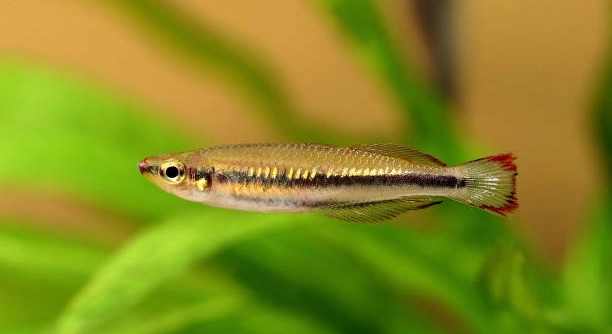
Keeping rainbowfish in a home aquarium can be rewarding, especially when their colors shine brightly. Many fish owners enjoy observing the vibrant hues, but maintaining that vivid appearance requires more than just clean water and proper lighting.
Rainbowfish color can be enhanced through a diet rich in natural pigments, proteins, and vitamins. Foods like krill, brine shrimp, spirulina, and certain vegetables help boost coloration, improve health, and support overall vitality, leading to brighter, more striking fish.
Feeding the right foods consistently can make a noticeable difference in their appearance. Learning which options work best will help your rainbowfish look its healthiest.
Krill
Krill are small crustaceans that are packed with natural pigments called carotenoids. These pigments directly affect the brightness of rainbowfish colors. I started feeding my rainbowfish krill a few times a week and noticed their reds and oranges becoming more vivid within a month. Krill are easy to digest and provide essential proteins that support growth. They also contain omega-3 fatty acids, which help improve overall health and immune function. Using krill as a staple in their diet can be very effective, especially when paired with other color-enhancing foods. Frozen or freeze-dried krill are convenient and maintain most nutrients. Live krill can also stimulate natural hunting behavior, giving the fish mental enrichment and activity. It’s best to vary the amount based on the size of your fish. Overfeeding can lead to water quality issues, so moderation is key. Many keepers see dramatic improvements in coloration with a consistent krill feeding routine.
Krill are excellent for boosting color and health, offering protein, omega-3s, and natural pigments in one small package.
Adding krill regularly to your rainbowfish’s diet helps intensify reds and oranges, but balance is important. Too much can cloud the water and cause waste build-up. Pairing krill with plant-based foods like spirulina ensures that your fish get a rounded diet. I mix frozen krill with small portions of chopped vegetables to give them variety and maintain nutrient balance. Observation is key—if the fish are active and showing brighter hues, the diet is working well. Introducing krill gradually helps prevent digestive issues and reduces stress from sudden dietary changes. A combination of live, frozen, and freeze-dried krill can keep feedings interesting for the fish while preserving maximum nutrition. Over time, the gradual increase in pigment intake will reflect in more vibrant scales, making the aquarium look alive and colorful. Maintaining water quality and feeding in small amounts several times a week maximizes benefits.
Spirulina
Spirulina is a blue-green algae rich in carotenoids and protein. It enhances red, orange, and yellow tones.
Including spirulina in rainbowfish diets improves vibrancy and strengthens their immune systems, making them more resilient to common illnesses.
I usually sprinkle powdered spirulina over flakes or pellets. My rainbowfish began showing brighter orange and red shades after a few weeks. Spirulina also helps with digestion and overall vitality. It’s plant-based, so it complements animal proteins like krill or brine shrimp. Feeding small amounts daily or every other day ensures they receive consistent pigment without overloading their system. Mixing it with other foods prevents selective feeding, so every fish gets nutrients. I’ve noticed that when combined with occasional live foods, their natural colors are more uniform across the tank. Spirulina is easy to store, and even a tiny pinch per feeding makes a difference. Using it regularly supports long-term health while enhancing the aesthetic appeal of your rainbowfish collection.
Brine Shrimp
Brine shrimp are high in protein and carotenoids, making them ideal for enhancing rainbowfish colors. I feed my fish frozen or live brine shrimp several times a week and see noticeable improvements in their red and orange hues.
Brine shrimp provide essential nutrients that support growth, immune health, and overall vitality. Their small size makes them easy for rainbowfish to eat, and the natural pigments help maintain bright coloration. I usually thaw frozen shrimp before feeding to prevent water contamination. Live brine shrimp also encourage natural hunting behavior, keeping the fish active and engaged. Consistent feeding of brine shrimp, combined with a balanced diet, results in brighter, more uniform colors over time. Monitoring portion sizes ensures water quality stays stable while maximizing benefits.
When mixed with other foods like krill or spirulina, brine shrimp become part of a varied diet that keeps rainbowfish healthy and colorful. Feeding small amounts multiple times a week ensures they get nutrients without overfeeding, and the added protein supports growth and energy. I alternate between live and frozen options, which keeps my fish stimulated and prevents monotony. Observing their behavior after feeding shows which foods they prefer, and I adjust portions accordingly. Over several weeks, the carotenoids from brine shrimp noticeably deepen their red and orange shades, enhancing their overall appearance in the tank.
Daphnia
Daphnia are small water fleas rich in nutrients and carotenoids, improving rainbowfish color while aiding digestion. I include them in my routine a few times weekly for noticeable results.
Daphnia boost natural coloration and contribute to a healthy diet. They provide proteins, vitamins, and minerals essential for growth and vitality. Feeding live daphnia stimulates natural hunting behaviors, keeping rainbowfish active. I alternate with frozen daphnia to maintain a consistent supply and reduce the risk of water contamination. Their high carotenoid content supports brighter reds, oranges, and yellows in scales. Combining daphnia with other pigment-rich foods like krill or spirulina ensures balanced nutrition. Small, frequent feedings prevent overfeeding and maintain water quality. I have noticed that rainbowfish fed daphnia regularly show stronger, more even colors throughout the tank.
Using daphnia alongside other foods enhances overall health and coloration. I usually mix them with flakes or pellets to ensure all fish get nutrients. The combination of live and frozen daphnia keeps feeding interesting while providing essential proteins and carotenoids. Regular inclusion in the diet supports immune function and strengthens natural pigments. Over time, the fish display brighter reds and oranges, making the aquarium more vibrant. Observing their behavior during feeding helps adjust portions, ensuring each fish benefits. Daphnia also help with digestion and waste reduction, supporting overall tank cleanliness. The consistency of this feeding strategy has noticeably improved the appearance and vitality of my rainbowfish.
Bloodworms
Bloodworms are rich in protein and natural pigments, which help deepen red and orange tones in rainbowfish. I feed them sparingly to avoid water quality issues while still providing noticeable color enhancement.
They are easy for fish to eat and highly digestible. Including bloodworms once or twice a week keeps rainbowfish energetic and maintains bright coloration.
Vegetables
Vegetables like spinach, peas, and zucchini provide essential vitamins and carotenoids that support color development. I chop them finely or blanch them to make them easier for my rainbowfish to eat.
Spirulina Flakes
Spirulina flakes are a convenient way to deliver carotenoids and protein daily. I often mix them with regular flakes to boost color gradually.
What foods naturally enhance rainbowfish color?
Rainbowfish benefit from foods high in carotenoids and proteins. Krill, brine shrimp, and bloodworms are excellent for red, orange, and yellow tones. Spirulina, both powdered and in flakes, supports brighter coloration while also providing vitamins and minerals. Vegetables such as spinach, peas, and zucchini contribute additional pigments and nutrients. Incorporating a mix of these foods into your rainbowfish diet helps maintain vibrant, healthy scales and supports growth, immune function, and overall vitality. Rotating between live, frozen, and prepared foods ensures consistent nutrient intake and encourages natural feeding behaviors, keeping the fish active and healthy.
How often should rainbowfish be fed color-enhancing foods?
Feeding frequency is important to maximize color without harming water quality. Small portions once or twice a day work best. Protein-rich foods like krill, brine shrimp, and bloodworms should be offered two to three times weekly. Spirulina and vegetable-based foods can be given daily or every other day to maintain pigment levels. I’ve found that alternating these foods prevents selective eating and ensures every fish receives nutrients. Overfeeding can cloud water and stress fish, so portion control is key. Observing the fish during feeding helps adjust amounts for optimal color enhancement.
Can overfeeding color-enhancing foods harm rainbowfish?
Yes, overfeeding can cause digestive problems, water quality issues, and stress. Foods high in protein or carotenoids, like bloodworms and krill, should be given in moderation. Excessive feeding may result in uneaten food decomposing in the tank, leading to ammonia spikes that can harm fish health. Balancing portions and alternating food types prevents these problems. I usually feed small amounts multiple times a week rather than one large feeding. This method ensures the fish get nutrients while minimizing the risk of pollution. Maintaining clean water alongside a balanced diet is essential for vibrant, healthy rainbowfish.
Do frozen or live foods make a bigger difference in color?
Both frozen and live foods enhance coloration effectively, but they serve slightly different purposes. Live foods, like live brine shrimp or daphnia, stimulate natural hunting behaviors, providing mental and physical activity that improves overall health. Frozen foods maintain nutrients and carotenoids conveniently and safely, without introducing unwanted pests. I use a mix of both in my tank. Rotating between live and frozen foods keeps the fish interested in feeding and ensures a consistent intake of essential pigments. This combination results in brighter, more even colors across all my rainbowfish.
Are plant-based foods necessary for vibrant colors?
Yes, plant-based foods contribute essential carotenoids that strengthen red, orange, and yellow tones. Spirulina is particularly effective for maintaining brightness, while vegetables like spinach and peas provide vitamins and fiber for overall health. I usually mix a small amount of spirulina powder or flakes into their regular diet. Feeding plant-based foods alongside protein-rich options ensures rainbowfish receive a balanced diet that enhances coloration without causing digestive issues. The combination of animal and plant-based foods gradually improves scale brightness and keeps fish healthy over time.
How long does it take to see color improvement?
Color changes in rainbowfish are gradual and depend on diet, age, and health. In my experience, consistent feeding of high-pigment foods like krill, bloodworms, and spirulina shows noticeable results within three to six weeks. Younger fish respond faster than older fish, but even mature fish can regain brightness with proper nutrition. Observing their behavior and scale intensity helps gauge progress. Combining color-enhancing foods with clean water, adequate lighting, and a balanced diet accelerates results. Patience and consistency are key, as gradual improvements indicate the fish are healthy and absorbing nutrients effectively.
Can color-enhancing foods replace a regular diet?
No, color-enhancing foods should complement a balanced diet rather than replace it. Rainbowfish require a variety of proteins, vegetables, and formulated flakes or pellets for complete nutrition. I use high-pigment foods as supplements, offering them alongside staple diets. This approach ensures fish get all essential vitamins, minerals, and amino acids while gradually improving coloration. Relying solely on color-enhancing foods can lead to nutrient deficiencies and health issues. A varied feeding plan maintains vitality, supports growth, and produces vibrant colors without compromising overall well-being.
Maintaining vibrant rainbowfish colors takes attention, patience, and a balanced approach to feeding. The fish’s natural pigments, particularly reds, oranges, and yellows, respond directly to the foods they consume. Incorporating a mix of protein-rich items like krill, brine shrimp, and bloodworms provides essential nutrients while also introducing carotenoids that deepen their coloration. Plant-based options, including spirulina and finely chopped vegetables, add vitamins, minerals, and additional pigments. A combination of these foods ensures the fish receive well-rounded nutrition that supports their health and enhances visual appeal. Consistency is key, but moderation is just as important. Overfeeding, even with the healthiest options, can lead to water quality issues and digestive problems, which in turn can dull the vibrancy of the fish. Observing your rainbowfish during feeding times and adjusting portions helps maintain a stable and productive routine. Feeding small amounts several times a week generally produces the best results without stressing the fish or compromising the tank environment.
Color improvement is not instantaneous and requires patience. Rainbowfish respond gradually to dietary changes, with noticeable differences often appearing over a few weeks. Younger fish tend to show quicker results, but mature fish can also regain brightness if given the proper nutrition. Alongside diet, factors like tank cleanliness, appropriate lighting, and overall care contribute to how well the colors develop. Clean water reduces stress, while adequate lighting can enhance how pigments appear on the scales. Combining these elements with a carefully planned feeding schedule creates an environment where the fish can flourish. Paying attention to individual fish behavior and adjusting food types or portions based on their response can improve results. Over time, the combination of consistent diet, proper tank conditions, and careful observation ensures your rainbowfish display brighter, more even colors, giving the aquarium a lively and attractive appearance.
A thoughtful feeding plan benefits not only color but also long-term health. Rainbowfish require more than just pigment-rich foods; they need a balanced diet to maintain immunity, energy levels, and growth. By including a variety of protein, plant-based, and prepared foods, you can address all nutritional needs while still focusing on coloration. This approach prevents deficiencies and promotes stronger, healthier fish that are more resilient to stress and disease. Regular rotation of live, frozen, and prepared foods keeps feeding interesting and helps stimulate natural behaviors, which supports mental and physical health. Keeping a record of feeding patterns and observing how colors develop can help refine the diet over time. Consistent care, combined with proper nutrition, allows rainbowfish to reach their full color potential while remaining healthy and active in the tank. With attention to both dietary variety and tank conditions, rainbowfish can maintain vivid colors for the long term, making your aquarium both beautiful and balanced.

Hello,
If you enjoy the content that we create, please consider saying a "Thank You!" by leaving a tip.
Every little bit helps us continue crafting quality advice that supports the health, happiness, and well-being of pets around the world, for pets of all shapes, sizes, and species.
We really appreciate the kindness and support that you show us!