
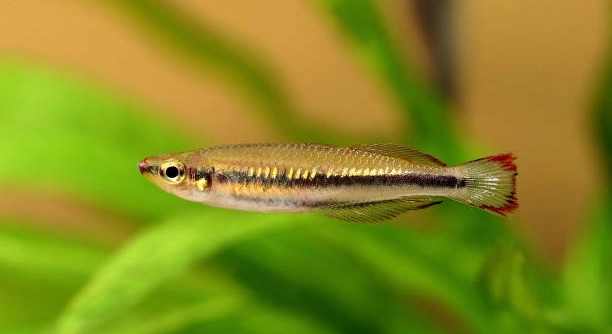
Rainbowfish are popular aquarium fish known for their bright colors and lively behavior. Many new owners enjoy watching them swim gracefully, but they often notice that these fish seem to keep getting bigger over time.
Rainbowfish continue to grow throughout their lives, but the rate slows significantly as they reach maturity. Most species reach full adult size within one to two years, though environmental conditions, diet, and tank size can influence their ultimate growth.
Learning how growth is influenced by care and environment will help you maintain healthy, vibrant rainbowfish for years to come.
How Rainbowfish Growth Works
Rainbowfish grow rapidly during their first year, developing their body shape and colors. Their growth is most noticeable during this stage, as young fish can gain several centimeters in a few months. Growth slows after maturity, but it does not completely stop. Environmental factors like water quality, temperature, and tank size play a major role in how well rainbowfish grow. A well-maintained tank with stable conditions helps fish reach their maximum potential size. Diet also affects growth; fish fed a variety of high-quality foods, including flakes, pellets, and occasional live or frozen treats, tend to grow healthier and display brighter colors. Overcrowded tanks can stunt growth, as competition for food and space limits development. Regular water changes, proper filtration, and avoiding sudden temperature fluctuations all contribute to steady, healthy growth. Observing your rainbowfish over time will show gradual changes in size, color, and behavior, indicating their overall health and adaptation to their environment.
Rainbowfish grow fastest in well-maintained tanks with proper diet, good water conditions, and enough space for movement.
Understanding growth patterns helps you provide care that keeps rainbowfish healthy and vibrant. Proper tank setup, regular feeding, and water maintenance all contribute to their long-term well-being, allowing you to enjoy active, colorful fish for many years.
Factors Affecting Rainbowfish Size
Tank size and stocking density impact how large rainbowfish can grow. Crowded environments often stunt their growth, even with excellent care.
Nutrition, water quality, and stress levels also influence growth. Feeding a balanced diet with sufficient protein, vitamins, and minerals ensures fish develop properly. Overfeeding can lead to obesity and health problems, while underfeeding slows growth. Water temperature affects metabolism; stable temperatures within the recommended range encourage steady development. Stress from aggressive tank mates, poor water conditions, or sudden changes can reduce growth rates. Breeding conditions also matter; some rainbowfish species grow faster when kept in slightly alkaline, well-oxygenated water with consistent maintenance. Regular observation allows owners to spot signs of slow growth, illness, or stress early. Implementing gradual changes and maintaining consistent care helps fish thrive. Over time, attention to these factors results in healthy, brightly colored adults that reach their natural size. Growth may appear slow after maturity, but with proper care, rainbowfish remain active and visually striking. Maintaining a balanced environment is key to supporting their long-term growth and health.
Common Growth Problems
Poor water quality can slow rainbowfish growth. Ammonia, nitrite, and nitrate spikes stress the fish and impact overall development.
Overcrowding is another major factor. When too many fish share a small tank, competition for food and space limits growth. Stress from aggressive tank mates can also reduce size and color vibrancy. Consistent maintenance, proper filtration, and observing behavior help prevent these issues. Adjusting the number of fish and ensuring adequate swimming space supports healthier growth.
Diet plays a critical role in growth problems. Feeding only one type of food can leave nutritional gaps, slowing development. Introducing a mix of flakes, pellets, and occasional live foods ensures protein, vitamins, and minerals. Regular feeding in controlled amounts prevents obesity or malnutrition. Observing fish during feeding helps identify weaker or smaller individuals that may need extra care. With consistent diet and tank management, most growth problems can be minimized, allowing rainbowfish to reach their full potential and display their natural colors.
Supporting Healthy Growth
Stable water temperature and pH levels are essential for rainbowfish health and proper growth.
Providing a balanced diet and a stress-free environment allows rainbowfish to thrive. Tank decorations should allow free swimming while offering hiding spots. Regular water changes and monitoring ammonia, nitrite, and nitrate levels prevent health issues. Observing behavior and color changes helps identify early signs of stress or illness. Nutrition and environment combined determine their size and overall vitality, so consistent care is key. Maintaining these conditions encourages slow but steady growth, vibrant colors, and active behavior.
Growth Rates by Species
Different rainbowfish species grow at different speeds. Some smaller species reach full size in under a year, while larger species may take two years or more.
Environmental factors affect each species uniquely. Tank size, water conditions, and diet influence how quickly they grow and how vibrant their colors become.
Monitoring Growth Over Time
Keeping track of your rainbowfish’s size and behavior helps detect growth issues early. Regular observation allows you to see if fish are eating well, swimming actively, and displaying healthy colors. Using a ruler or measuring board occasionally can give a clear idea of growth trends. Noticing any stunted growth early can prevent long-term health problems. Adjusting feeding schedules, improving water quality, or rearranging tank mates may correct slow growth. Over time, careful monitoring ensures your fish reach their potential size while remaining active and visually striking.
Lifespan and Growth
Rainbowfish continue slow growth throughout their lifespan, but most visual size increases occur in the first years.
FAQ
Do rainbowfish stop growing completely?
Rainbowfish do not completely stop growing. Growth slows significantly once they reach maturity, usually after one to two years depending on the species. While they may only grow a little after maturity, they continue to develop slowly and can live for several more years in optimal conditions.
How can I tell if my rainbowfish is growing properly?
You can monitor growth by regularly observing your fish’s size, color, and behavior. Healthy rainbowfish swim actively, have bright colors, and eat consistently. Measuring them occasionally against a ruler or marked reference in the tank helps track growth over time.
Does tank size affect growth?
Yes, tank size plays a major role. Crowded tanks limit swimming space and increase stress, which can stunt growth. A spacious tank reduces competition for food, provides more oxygen, and allows fish to move naturally, all of which support healthy growth.
What role does diet play in growth?
Diet is crucial for growth. Rainbowfish need a mix of flakes, pellets, and occasional live or frozen foods. Providing a balanced diet rich in protein, vitamins, and minerals ensures they grow to their potential size and maintain vibrant colors. Overfeeding, however, can cause obesity or water quality issues.
How important is water quality?
Water quality directly impacts growth. Poor water conditions, including high ammonia, nitrites, or nitrates, stress fish and slow development. Regular water changes, proper filtration, and monitoring pH and temperature help maintain healthy conditions, allowing rainbowfish to grow steadily.
Do rainbowfish grow faster in warmer water?
Slightly warmer water can increase metabolism, encouraging faster growth, but extremes can cause stress or health problems. Maintaining a stable temperature within the recommended range for the species is more important than attempting to speed up growth.
Can stress affect growth?
Stress from overcrowding, aggressive tank mates, sudden changes, or poor water quality can reduce growth. Minimizing stress by providing hiding spaces, consistent care, and compatible tank mates supports healthy development.
How long does it take rainbowfish to reach full size?
Most rainbowfish reach their adult size in one to two years. Smaller species may mature faster, while larger species may take longer. Growth slows after maturity but can continue slowly over the lifespan of the fish.
Is it normal for rainbowfish to look different in size within the same tank?
Yes, slight size differences are normal. Genetics, hierarchy, and competition for food can create variation. Ensuring equal access to food and a stress-free environment helps smaller fish catch up in growth.
Can I help a slow-growing rainbowfish?
Yes, providing a high-quality diet, optimal water conditions, and proper tank space can encourage growth. Observing individual fish and adjusting care for weaker or smaller ones ensures all rainbowfish have a chance to reach their full potential.
Do rainbowfish need special care as they grow older?
Older rainbowfish benefit from stable water conditions and a consistent diet. Growth slows with age, but maintaining proper care keeps them healthy, active, and colorful for several years. Regular observation helps detect early signs of illness or stress.
Will rainbowfish growth differ between home tanks and natural habitats?
Growth can differ. In the wild, fish may grow slower due to natural predators, food availability, and environmental fluctuations. In well-maintained aquariums, consistent food, temperature, and water quality can allow rainbowfish to grow larger and live longer than they might in the wild.
How does breeding affect growth?
Breeding can temporarily slow growth in both males and females, as energy is diverted to reproduction. Ensuring optimal nutrition and low-stress conditions helps them recover and continue healthy growth after breeding periods.
Are there signs my rainbowfish is not growing properly?
Stunted growth, faded colors, lethargy, or consistent hiding can indicate poor health or stress affecting growth. Checking water quality, diet, and tank environment can help identify and resolve the issue before long-term effects occur.
Does lighting influence growth?
While lighting does not directly increase size, proper lighting supports plant growth, fish activity, and color vibrancy. Balanced day and night cycles help reduce stress, indirectly supporting healthy development.
Can genetics determine maximum size?
Yes, genetics set the potential maximum size. Even with perfect care, a rainbowfish may not exceed its species’ natural limits. Care can help them reach this potential but cannot change genetic limitations.
How often should I measure my rainbowfish?
Measuring every few months is sufficient. Frequent handling can stress fish. Observing behavior, eating habits, and overall health daily provides a good sense of growth without causing unnecessary stress.
Is it okay if my rainbowfish seem to stop growing after a year?
Yes, after the first year, growth slows significantly. Most rainbowfish reach near-adult size by then, and small increases over time are normal as they age gradually. Maintaining proper care ensures they stay healthy even if growth slows.
What other tips help support growth?
Provide stable conditions, balanced diet, adequate space, compatible tank mates, and regular water maintenance. Observing behavior and responding to early signs of stress or illness helps rainbowfish grow steadily and remain vibrant.
Do rainbowfish in community tanks grow differently?
Community tanks can affect growth depending on competition and compatibility. Ensuring enough space, hiding spots, and balanced feeding prevents stress and allows rainbowfish to grow comparably to those in single-species tanks.
Can growth issues be reversed?
Some growth issues caused by stress, poor diet, or water conditions can improve with proper care. Once genetic or permanent stunting occurs, it cannot be reversed, but overall health and color can still improve with consistent attention.
How important is monitoring water parameters for growth?
Regularly testing pH, ammonia, nitrite, nitrate, and temperature is critical. Sudden changes or poor conditions slow growth and can cause health problems. Stable water ensures consistent development and long-term vitality.
Do rainbowfish need supplements for growth?
High-quality, varied food usually provides sufficient nutrients. Occasional vitamin or mineral supplements can support weaker fish or breeding adults, but they are not necessary for most healthy rainbowfish with a balanced diet.
Can seasonal changes affect growth in aquariums?
Seasonal temperature fluctuations can slow metabolism and growth. Maintaining consistent aquarium conditions mitigates these effects, ensuring rainbowfish continue to develop steadily throughout the year.
Is slow growth always a sign of illness?
Not always. Slow growth can result from genetics, age, or environmental factors. Observing other health indicators like activity, appetite, and color helps determine if medical attention is needed.
Do rainbowfish ever shrink?
Rainbowfish do not shrink naturally. Reduced size or weight usually signals illness, poor diet, or stress, which should be addressed immediately to prevent further health decline.
How long do rainbowfish typically live?
With proper care, most rainbowfish live five to eight years, though some species may live longer. Growth slows after maturity, but maintaining good conditions ensures a long, healthy life with vibrant colors.
Are male and female rainbowfish growth rates different?
Males often grow larger and develop brighter colors than females. Females usually remain smaller and more subdued in color, but both benefit from consistent care to reach their species-specific potential.
Can I speed up growth safely?
Growth should not be rushed. Providing stable water, quality nutrition, and low-stress conditions encourages healthy development at a natural pace. Attempting to force faster growth can cause stress, deformities, or illness.
Do rainbowfish grow in small tanks?
They can survive in small tanks, but growth may be limited. Adequate space is crucial for swimming, social interaction, and reduced stress, all of which support healthy size and development.
What signs indicate a rainbowfish is at full size?
Full-size fish exhibit mature body shape, vibrant colors, and consistent behavior. Growth slows, and size changes are minimal. Observing these signs confirms that your fish has reached its adult dimensions and remains healthy.
Are there differences between captive-bred and wild rainbowfish growth?
Captive-bred rainbowfish often grow larger due to consistent food supply and stable water conditions. Wild fish may experience slower growth due to environmental challenges, predators, and fluctuating resources, which affect their overall size and development.
How does tank setup influence growth?
A well-structured tank with open swimming space, hiding spots, and proper filtration promotes healthy growth. Decorations should allow natural movement while reducing stress, ensuring rainbowfish can develop fully and maintain vibrant colors.
Do rainbowfish grow differently when alone?
Solitary rainbowfish may grow more slowly due to reduced stimulation and social interaction. While they survive alone, a small group of compatible fish encourages activity, social behavior, and overall well-being, supporting steady growth.
Can water hardness affect growth?
Yes, some rainbowfish prefer slightly hard or alkaline water. Maintaining species-appropriate hardness and pH promotes healthy metabolism and supports normal growth patterns without causing stress or health issues.
Is it normal for rainbowfish growth to vary seasonally in aquariums?
Minor seasonal changes may slightly affect growth if temperature or lighting fluctuates. Consistent aquarium conditions minimize these effects, ensuring rainbowfish develop steadily regardless of outside seasons.
Can rainbowfish growth be affected by tank mates?
Aggressive or competitive tank mates can stress rainbowfish, limiting access to food and reducing growth. Choosing peaceful, compatible species ensures a supportive environment for healthy development.
Do rainbowfish need live plants for growth?
Live plants provide hiding spots, improve water quality, and reduce stress, indirectly supporting growth. While not strictly necessary, they create a healthier and more natural environment, benefiting overall fish development.
How long should I expect rainbowfish to grow slowly after maturity?
After reaching adulthood, growth continues at a very slow pace for several years. Proper care ensures gradual size increases and helps maintain vibrant colors and active behavior throughout their lifespan.
Can I use growth supplements safely?
Occasional supplements can help undernourished or breeding fish, but routine use is rarely needed. Balanced food and proper water conditions provide all nutrients required for healthy growth in most rainbowfish.
Are there warning signs of stunted growth?
Visible stunting, dull colors, low activity, or poor appetite indicate potential growth problems. Checking water parameters, diet, and tank conditions helps address underlying issues before they worsen.
Do rainbowfish require special care during rapid growth phases?
During rapid juvenile growth, consistent water quality and a balanced diet are critical. Overfeeding or overcrowding can create problems, so careful observation ensures healthy development and prevents stunted growth or health issues.
Does color development indicate growth progress?
Yes, vibrant colors often accompany healthy growth. Dull or fading colors can signal poor nutrition, stress, or illness, which may indirectly affect overall size and development.
Can older rainbowfish still gain size?
Yes, but very slowly. Most significant growth occurs early, while adults only experience minor increases. Maintaining optimal care supports slow, steady growth and long-term health.
How does social hierarchy impact growth?
Dominant fish may eat more and grow faster, while submissive fish might lag. Ensuring equal access to food and minimizing aggression supports balanced growth for all tank inhabitants.
What is the safest way to encourage growth?
Provide stable water, balanced diet, adequate space, and low-stress conditions. Observe regularly and adjust care as needed to allow rainbowfish to grow naturally and maintain overall health.
Are there differences in growth between species kept in similar conditions?
Yes, genetics and species-specific needs influence size and growth rate. Even in identical conditions, larger species or naturally fast-growing species will develop differently from smaller or slower-growing ones.
Do rainbowfish stop growing if stressed?
Stress slows growth by affecting metabolism and appetite. Reducing stress through proper tank conditions, compatible mates, and stable water supports continued development.
Can improper lighting affect growth?
Directly, no, but poor lighting can stress fish and affect behavior, indirectly influencing growth. Adequate lighting supports plant growth and healthy activity levels, contributing to overall fish development.
Is growth affected by the number of feedings per day?
Regular, moderate feedings support steady growth. Overfeeding can harm water quality and health, while underfeeding slows development. Observing appetite and adjusting portions ensures balanced nutrition.
Can rainbowfish regain lost growth from illness?
Some lost growth due to temporary stress or illness can recover with proper care, though permanent stunting from genetics or prolonged neglect cannot be reversed. Focus on health and nutrition to support recovery and color development.
Do rainbowfish grow differently in freshwater versus slightly brackish water?
Most species thrive in freshwater. Slightly brackish conditions may stress some species, slowing growth. Maintaining species-appropriate water ensures steady development and overall health.
How does oxygen level affect growth?
Low oxygen slows metabolism and growth. Proper aeration, water circulation, and adequate tank space support healthy respiration, energy levels, and normal development.
Are growth differences noticeable between siblings?
Yes, even siblings can vary due to genetics, hierarchy, and access to food. Balanced care minimizes differences, allowing most fish to reach their potential size and color.
Do rainbowfish grow faster in new tanks?
Rapid initial growth may occur due to abundant food and fresh water, but long-term growth depends on stable conditions and proper care. Avoid overfeeding during this period to prevent stress or health problems.
How often should I check growth progress?
Measuring every few months is sufficient. Daily observation of behavior, appetite, and color provides more practical insight into overall health and development without causing stress from handling.
Can breeding slow growth permanently?
Temporary slow growth is normal during breeding, but it usually resumes afterward. Prolonged stress or poor nutrition during breeding periods can have lasting effects, so proper care is essential.
Do rainbowfish grow differently in filtered versus unfiltered tanks?
Unfiltered tanks often develop poor water quality, slowing growth and stressing fish. Proper filtration maintains a clean, stable environment that supports steady, healthy development.
Are there seasonal growth patterns in aquariums?
Minor seasonal effects may occur if temperature or lighting fluctuates, but maintaining stable conditions prevents noticeable changes, allowing rainbowfish to grow consistently year-round.
Can I help a shy or small fish grow?
Yes, separating or providing extra feeding for weaker fish helps them gain size without competition. Observing shy fish ensures they receive proper nutrition and care.
Is it normal for rainbowfish to grow unevenly?
Slight differences are normal due to genetics, hierarchy, and feeding. Significant disparities may indicate stress, diet issues, or health problems that should be addressed promptly.
Do rainbowfish continue slow growth after full maturity?
Yes, minor increases in size may continue for several years. Maintaining optimal care ensures fish remain healthy, vibrant, and active despite slowed growth.
How long can rainbowfish maintain vibrant colors after reaching full size?
With good diet, water quality, and low stress, rainbowfish retain bright colors for most of their lifespan, even as growth slows and body size stabilizes.
Are there visual cues for slow growth due to stress or illness?
Dull colors, low activity, hiding, or weight loss indicate stress or health issues. Correcting water conditions, diet, and tank environment often restores normal growth and vitality.
Does changing tank mates affect growth?
Yes, introducing aggressive fish or removing compatible companions can stress rainbowfish, impacting appetite and development. Maintaining a peaceful environment supports healthy growth.
Can water flow influence growth?
Moderate water flow encourages swimming and activity, supporting muscle development and overall health. Excessive current can stress fish and slow growth.
Is it normal for rainbowfish to grow in spurts?
Yes, growth may occur in periods of rapid development followed by slower phases. Consistent care ensures overall steady progression over time.
Can rainbowfish stop eating and affect growth?
Yes, illness, stress, or water issues may reduce appetite, slowing growth. Monitoring feeding behavior and adjusting conditions supports recovery and continued development.
How long does it take to see improvements after changing care for slow growth?
Visible improvements in size or color usually appear within weeks if water, diet, and stress factors are corrected. Patience and consistent care are essential for long-term results.
Does light spectrum matter for growth?
While not directly affecting size, proper lighting supports plant growth, fish activity, and color vibrancy, indirectly contributing to healthy development.
Can older rainbowfish grow faster if conditions improve?
Improvements in diet, water, and tank environment may encourage slight growth in adults, but major size increases are unlikely after full maturity.
Do rainbowfish need supplements for coloration as they grow?
High-quality foods often provide sufficient nutrients for color and growth. Occasional supplements may enhance vibrancy, but proper diet and care are usually enough.
Is growth more noticeable in males or females?
Males typically grow larger and develop brighter colors. Females remain smaller but benefit from proper care for health and longevity.
Do rainbowfish adapt their growth to tank conditions?
To an extent, they adjust to space, diet, and water quality, but genetics set their maximum potential. Optimal care helps them reach natural size safely.
Can poor filtration stunt growth?
Yes, inadequate filtration leads to poor water quality, stress, and slower growth. Proper filtration ensures stable conditions and healthier, steadily growing fish.
Are there ways to encourage natural growth without overfeeding?
Providing high-quality, varied foods, regular water maintenance, and adequate space supports growth naturally without risking overfeeding or poor water quality.
How do I know my rainbowfish reached full growth potential?
Signs include stable size over months, mature body shape, bright colors, and active swimming. Consistent care helps them maintain health and appearance.
Do rainbowfish grow differently in planted tanks?
Planted tanks offer hiding spots and improved water quality, reducing stress and supporting steady growth. Open swimming areas are still necessary for full development.
Can sudden water changes affect growth?
Yes, sudden fluctuations stress fish and can slow growth. Gradual, consistent water changes maintain stable conditions, supporting ongoing development.
Do rainbowfish need varied terrain for growth?
Varied decorations create hiding spots and areas for exploration, reducing stress and supporting healthy growth without restricting swimming space.
Is growth affected by aquarium maintenance frequency?
Yes, irregular maintenance can reduce water quality, stressing fish and slowing development. Consistent cleaning, filtration, and observation support healthy growth.
Can rainbowfish grow differently in filtered versus natural water sources?
Filtered water maintains stability, supporting growth. Natural water can vary in pH, hardness, and contaminants, potentially slowing development if not monitored.
Are growth patterns similar for all rainbowfish species?
No, size, growth rate, and maturity timing vary between species. Knowledge of species-specific needs ensures proper care and optimal development.
Does color intensity relate to growth health?
Yes, vibrant colors usually indicate good nutrition and growth. Dull or faded colors may reflect stress, illness, or
Rainbowfish are fascinating little creatures that bring life and color to an aquarium. Observing them over time shows how they grow and develop, especially during their first year. Most rainbowfish experience the most noticeable growth early in life, gradually slowing as they reach maturity. Even after they stop growing quickly, they continue to develop slowly, maintaining their health and vibrant colors for years. Understanding the basic factors that influence their growth, such as diet, water quality, and tank environment, can make a big difference in keeping them healthy. Regular observation allows you to notice any issues early, helping to maintain their well-being and ensure they grow as naturally as possible. A healthy rainbowfish is an active fish, displaying bright colors and lively movements that make them enjoyable to watch.
Caring for rainbowfish requires attention to several important details, but it does not have to be complicated. Providing a balanced diet is one of the simplest ways to support growth. Flakes or pellets designed for tropical fish, combined with occasional live or frozen food, ensure they receive enough protein and nutrients to develop properly. Water quality is equally important. Ammonia, nitrite, and nitrate levels must be monitored, and regular water changes are essential to prevent stress and maintain growth. Tank size and stocking density also matter, as overcrowded conditions can limit swimming space, increase stress, and reduce access to food. Adding plants and decorations gives fish places to hide and explore, which further reduces stress and supports natural behavior. Paying attention to these factors helps your rainbowfish reach their full size and maintain their bright colors, even as growth slows with age.
It is normal for rainbowfish growth to vary between individuals and species, and this should not be a cause for concern. Genetics, diet, water quality, and environmental factors all contribute to differences in size and color development. Male rainbowfish often grow larger and display more vivid colors, while females tend to remain smaller but healthy. Slow or uneven growth can sometimes indicate stress or poor conditions, but with consistent care, these issues can often be corrected. Even after reaching full size, rainbowfish remain active and beautiful, bringing energy and color to your aquarium. Focusing on steady, long-term care rather than rushing growth ensures the fish stay healthy throughout their lifespan. By maintaining proper water conditions, feeding a balanced diet, and providing a comfortable environment, rainbowfish can thrive and display their natural beauty for many years. Proper care allows you to enjoy their lively presence while supporting their overall health and development.

Hello,
If you enjoy the content that we create, please consider saying a "Thank You!" by leaving a tip.
Every little bit helps us continue crafting quality advice that supports the health, happiness, and well-being of pets around the world, for pets of all shapes, sizes, and species.
We really appreciate the kindness and support that you show us!