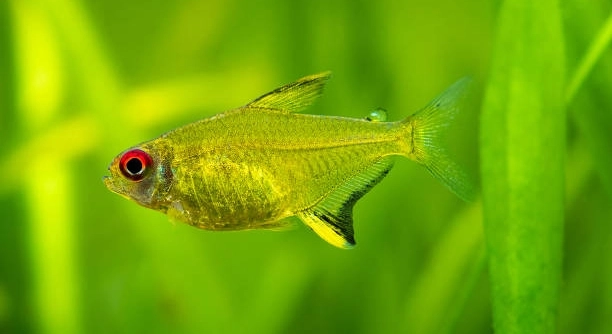
7 Causes of Unusual Lemon Tetra Shaking
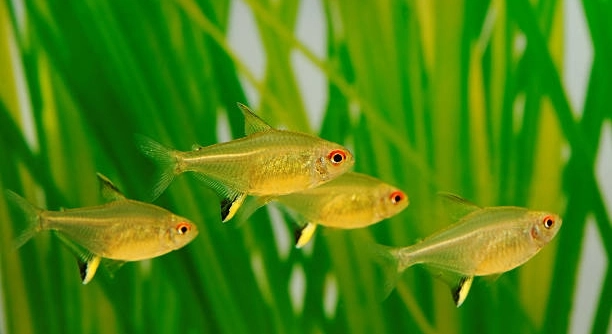
Have you ever noticed your lemon tetra shaking unexpectedly in its tank? Watching your fish move in unusual ways can be concerning. Even healthy fish sometimes show small tremors that catch your attention quickly. Unusual shaking in lemon tetras is often caused by environmental stressors, water quality issues, disease, or dietary deficiencies. Identifying the underlying … Read more
7 Reasons Lemon Tetra Swim Against the Filter

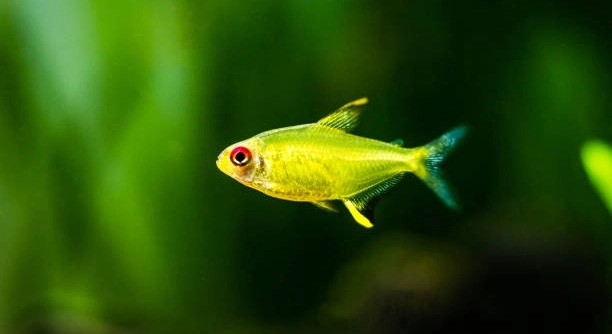
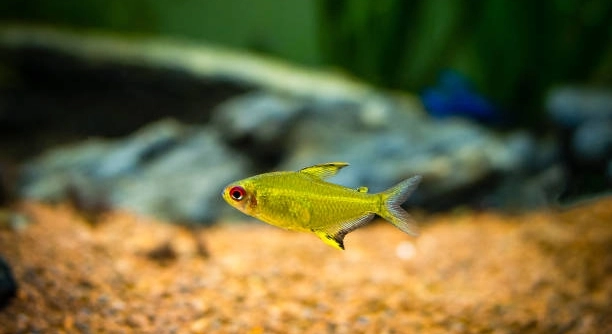
Many aquarists notice lemon tetra gathering near the filter, creating a small swirl of motion in the tank. This gentle behavior often inspires curiosity about their daily patterns as the group moves with steady purpose. Lemon tetra swim against the filter primarily due to instinctive rheotaxis, a response that guides fish toward flowing water. This … Read more

Do Lemon Tetra Sleep on the Bottom of the Tank?

Have you ever watched your lemon tetra and wondered why it settles near the bottom of the tank at certain times of the day, giving you the impression that something unusual might be happening today? Lemon tetra often rest near the bottom when they experience low lighting, mild stress, or natural sleep patterns. This behavior … Read more

7 Low-Stress Tank Designs for Lemon Tetra

Caring for lemon tetra thrives when their tank setup reduces stress and supports natural behavior. A simple approach to selecting designs can create a peaceful home. With the right structure, these small fish enjoy stability. The most effective way to reduce stress in lemon tetra is by choosing tank designs that prioritize open swimming space, … Read more

7 Ways Lemon Tetra Interact With Their Reflection

Have you ever noticed your lemon tetra swimming near the glass and pausing as if it sees someone else in the tank? Many aquarists observe this behavior, often finding it both amusing and puzzling. These small fish show distinct reactions. Lemon tetras interact with their reflection in multiple ways, including displaying territorial behaviors, engaging in … Read more

Do Lemon Tetra Ever Get Moody?

Lemon tetras are small, lively fish often found in home aquariums. They display bright yellow hues and swim in groups, creating a cheerful atmosphere. Their behavior can sometimes appear unusual, sparking interest among fish keepers. Lemon tetras can exhibit changes in mood, which are typically influenced by environmental conditions, social interactions, and water quality. Stress … Read more

Do Lemon Tetra Prefer Deep or Shallow Tanks?

Have you ever set up a tank for lemon tetras and wondered how they might feel about the depth of their new home? These small, vibrant fish bring life and movement to any aquarium. Their needs are simple but important. Lemon tetras generally prefer tanks with moderate depth rather than extreme shallow or very deep … Read more

How to Monitor Lemon Tetra After a Water Change

Have you ever noticed how your lemon tetra behaves differently after a water change and wondered what signs might show they are adjusting well in a new environment when everything seems calm on the surface? Monitoring lemon tetra after a water change involves observing color intensity, schooling behavior, breathing patterns, and swimming stability. Stable movements … Read more

Do Lemon Tetra Recognize You After Time Apart?

Do you enjoy watching your lemon tetra glide gracefully through the aquarium but notice how quickly they scatter when you approach? Their small size and bright coloration make them fascinating companions to observe daily. Lemon tetras are capable of recognizing familiar individuals, including their human caretakers, even after periods of separation. Their memory allows them … Read more

7 Clues Your Lemon Tetra Are Ready to Breed

Lemon tetras are small, vibrant fish that brighten any aquarium. Observing their behavior closely can help you understand when they are mature and ready to reproduce. Recognizing early signs is key for a successful breeding experience. Lemon tetras show readiness to breed through distinct behaviors and physical changes. Indicators include increased activity, color intensification, pairing … Read more