
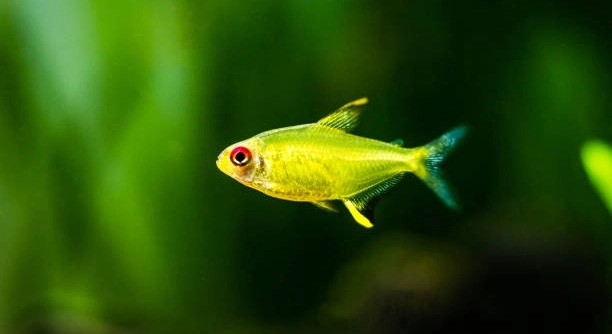
Many aquarists notice lemon tetra gathering near the filter, creating a small swirl of motion in the tank. This gentle behavior often inspires curiosity about their daily patterns as the group moves with steady purpose.
Lemon tetra swim against the filter primarily due to instinctive rheotaxis, a response that guides fish toward flowing water. This behavior helps regulate oxygen intake, maintain muscular conditioning, and support natural schooling tendencies commonly observed in environments with consistent currents.
As you learn more about their steady movement, the habits of these small fish reveal patterns that guide their routine.
Steady Current Seeking Behavior
Lemon tetra often move toward gentle currents because it feels natural to them. In the wild, these fish spend much of their time in areas where water flows at a calm and steady rate, so the filter output becomes a familiar place inside the tank. When they swim into the flow, they gain a small boost of stimulation that keeps them active without tiring them out. This simple behavior also supports their breathing needs since moving water carries more oxygen. Over time, they begin forming small groups in the current, creating a peaceful pattern that reflects their usual habits in nature.
Some fish lean into this flow more than others, and lemon tetra tend to be among those who appreciate this steady movement. Their bodies respond well to the gentle pressure, giving them a sense of direction inside the tank.
This preference shows how closely their behavior can match natural environments, helping you understand their movements and comfort levels with ease.
Group Dynamics and Social Comfort
Many lemon tetra feel safer when gathering near a shared point of interest, and the filter flow often becomes that place for them.
Their social nature plays a strong role in this behavior. When one fish enters the current, others follow, forming a small group that moves together. This keeps their communication smooth since they rely on slight shifts of movement to signal comfort or alertness. The flow also assists them in staying aligned without much effort, creating a calm and steady rhythm. Over time, this shared habit makes them more relaxed, and you may notice their colors appearing brighter as they settle into a comfortable pattern. If the tank layout encourages gentle movement, their schooling behavior becomes even more coordinated. This creates a healthy environment that supports their natural tendencies, giving them the freedom to act in a way that feels right to them.
Water Quality Response
Lemon tetra often push toward the filter when they need extra oxygen, and the moving water helps them stay comfortable. This simple action supports their breathing needs while keeping them active. The consistent flow also creates a familiar place where they can settle without feeling stressed or overwhelmed each day.
Lemon tetra respond strongly to water movement because it guides their daily rhythm. When the filter pushes out a steady stream, the fish slip into it and let the flow support their motion. This makes swimming easier and keeps their bodies well conditioned. The directed current also helps them stay mindful of their surroundings since it encourages gentle repositioning. These small adjustments support their natural instincts and help maintain a calm tank. When the flow remains stable, they spend more time near it, using the moving water to regulate comfort, energy, and alignment within their group in their daily routine.
Some lemon tetra use the current as a simple guide to balance their movement. The flowing water gives them a steady direction that reduces unnecessary wandering. When the current stays smooth, they find it easier to stay grouped and settle into a predictable pattern. This helps reduce tension between individuals, especially in busy tanks. The steady push of the water keeps them engaged without wearing them out. Over time, they form habits around the filter area, relying on the movement for comfort and structure. This natural behavior shows how sensitive they are to small changes in the tank environment today.
Subtle Shifts and Comfort Seeking
Lemon tetra often react to slight shifts in water quality by swimming toward the filter, where movement feels cleaner and more stable. This behavior helps them avoid pockets of still water that may hold debris or lower oxygen. The flow gives them confidence to move freely while keeping their colors bright. Over time, they learn that the gentle current offers comfort, making it a favored space when conditions shift in small ways each new day.
Sometimes lemon tetra head toward the filter because the current helps them sense changes in the tank before they become stressful. The steady movement delivers fresh water to their gills, giving them a stronger sense of ease. When the tank becomes slightly crowded or the layout feels tight, they use the flowing area as a simple place to reset. This helps them stay balanced and maintain harmony with the rest of the group. The clear direction of the current also supports smoother schooling, making their movements more synchronized. As they grow familiar with the space, they return to it often, trusting the stable flow to guide their comfort. This consistent behavior shows how the filter area becomes a helpful stabilizer in their daily routine today.
Temperature Shifts and Comfort
Lemon tetra sometimes move toward the filter when the water temperature feels uneven. The flow helps them find a stable area that feels safer and more comfortable. This steady movement supports their natural need for balance during small changes throughout the tank.
They rely on this flow because it keeps them grounded when the temperature shifts slightly. The consistent movement helps them stay aligned and calm, especially when the tank warms or cools in gentle waves. This familiar spot becomes a simple way for them to manage comfort without drifting.
Light Sensitivity and Gentle Movement
Some lemon tetra swim near the filter when lighting feels too bright or uneven. The flow and subtle shade offer a calmer place where they can rest and regain ease. This space softens the intensity of the light and prevents them from feeling overly exposed during busy hours.
Subtle Noise and Vibration Responses
These fish sometimes settle by the filter when they sense light vibrations in the tank. The steady movement gives them reassuring structure and a simple place to regroup when small disturbances rise.
FAQ
Why do lemon tetra always swim near the filter?
Lemon tetra are naturally drawn to gentle currents. The filter produces a steady flow that mimics the moving water in their natural habitat. Swimming here helps them stay active without overexerting themselves. It also delivers oxygen-rich water directly to their gills, which keeps them healthy and comfortable over long periods.
Is swimming against the filter harmful to lemon tetra?
No, it is generally safe. The movement provides exercise that strengthens their muscles and supports normal schooling behavior. As long as the current is not too strong, this behavior is beneficial. Too powerful a stream may stress the fish, so adjusting the filter output to a gentle flow is ideal.
Do all lemon tetra prefer the filter area?
Most lemon tetra show this preference, but not all. Some individuals are more adventurous and explore other parts of the tank. However, the majority will return to the filter regularly because it offers comfort, stability, and a sense of safety. It often becomes a preferred gathering point.
How can I tell if my lemon tetra are stressed near the filter?
Signs of stress include frantic swimming, hiding excessively, or loss of color. If the flow is too strong, they may struggle to maintain position. Ensuring the water current is gentle, the tank is well-planted, and the fish have open areas to rest can help reduce stress significantly.
Does tank size affect how often lemon tetra swim near the filter?
Yes, smaller tanks concentrate the flow, making the filter a stronger attraction. In larger tanks, lemon tetra may spread out more, but they still gravitate toward areas of gentle current. Providing multiple flow points can distribute them more evenly and reduce crowding near a single filter.
Can changing the filter location affect their behavior?
Yes, relocating the filter may initially confuse them. Lemon tetra rely on familiar currents to navigate and maintain school cohesion. After a short adjustment period, they usually settle near the new location if it provides similar flow and oxygen levels, though some individuals may explore other areas first.
Do lemon tetra use the filter for social purposes?
Yes, swimming together near the filter strengthens their social bonds. Being in a group near a consistent current allows them to coordinate movements and signals more efficiently. This collective behavior helps reduce tension, encourages synchronized swimming, and enhances overall comfort in the tank.
Is it necessary to monitor water parameters if they gather at the filter?
Absolutely. Gathering near the filter may indicate they are seeking higher oxygen or fresher water. Regularly checking temperature, pH, and ammonia levels ensures their environment is stable. Addressing minor imbalances early prevents stress and supports the natural behaviors that make them comfortable near the flow.
Can other fish influence lemon tetra’s filter habits?
Yes, tankmates can affect their movement. Aggressive or territorial fish may push them toward the filter for safety. Conversely, peaceful companions may swim alongside them. Understanding the dynamics of your tank helps ensure lemon tetra can continue using the filter safely without competition or stress.
Should I worry if they rarely leave the filter area?
Not always. Lemon tetra naturally favor gentle currents, so extended time near the filter is normal. However, if they seem lethargic, lose appetite, or show unusual signs, it may indicate water quality issues or health concerns. Observing their behavior alongside regular water checks keeps them safe.
Can adding decorations change their filter swimming behavior?
Yes, decorations can provide alternative shelter and exploration zones. Hiding spots or plants near other areas of the tank may encourage them to leave the filter occasionally. However, most lemon tetra will still return to the flowing water for exercise and oxygen, making the filter a consistent favorite.
How does schooling affect their filter activity?
Schooling behavior amplifies their filter preference. When one or two individuals move toward the flow, others follow instinctively. This collective movement helps maintain social cohesion, ensures safety from perceived threats, and reinforces their routine of swimming in a coordinated, comfortable environment.
Are there times when they avoid the filter?
Yes, during feeding or resting periods, lemon tetra may explore other tank areas. Extreme flow or loud vibrations can also cause temporary avoidance. They balance curiosity, rest, and comfort, which explains occasional breaks from the filter while maintaining it as a preferred spot overall.
How often should the filter flow be adjusted for their comfort?
Adjustments should be minimal and gradual. Sudden changes can confuse or stress them. Regular checks every few weeks to ensure the current is gentle and evenly distributed usually suffices. The goal is a consistent, natural-feeling flow that supports oxygenation and schooling behavior.
Can filter habits indicate health issues?
Yes, changes in frequency, vigor, or coordination near the filter can signal problems. Less swimming, erratic movement, or isolation may point to stress, illness, or water quality issues. Close observation allows early detection and intervention, ensuring lemon tetra remain healthy and active.
What role does water temperature play in filter swimming?
Temperature impacts their comfort and metabolism. Slightly cooler or warmer areas can drive them to the flow for stability. The filter area often maintains slightly more consistent conditions, making it a favored location when the rest of the tank fluctuates in temperature, supporting steady activity levels and general well-being.
Do they swim against the filter differently at night?
At night, activity usually slows. Lemon tetra may still position near the filter but move more gently. The flow provides comfort without requiring high energy. This behavior reflects their natural rhythm and need for oxygen even during resting periods, showing how the filter supports both activity and calm.
Is there a risk of over-relying on the filter area?
Minimal risk exists if the tank is balanced. They may favor the flow, but with adequate space, plants, and hiding areas, over-reliance rarely causes issues. Ensuring other parts of the tank are safe and accessible encourages balanced exploration while allowing the filter to remain a supportive spot.
How can I encourage balanced swimming throughout the tank?
Adding mild currents elsewhere, arranging plants or rocks strategically, and feeding in varied locations can promote movement away from the filter. However, they will always return for comfort and oxygen. Supporting natural curiosity while keeping the flow consistent ensures both activity and well-being in their environment.
Can stress or illness cause sudden changes in filter swimming?
Yes, sudden avoidance or frantic movement may indicate stress or illness. Monitor water quality, tankmates, and diet closely. Early attention to changes can prevent serious issues. Observing patterns and behavior around the filter helps identify problems before they escalate, maintaining a healthy and comfortable habitat.
Do young lemon tetra behave differently around the filter?
Juveniles often explore more but gradually adopt the group preference for flowing water. As they mature, they learn from older fish to use the current for exercise and oxygen. Watching their progression highlights how schooling behavior and comfort in the flow develop naturally with age.
Are there long-term benefits to swimming near the filter?
Yes, regular swimming against gentle currents strengthens muscles, supports respiratory efficiency, and reinforces natural schooling instincts. Over time, it promotes a stable routine, reduces stress, and enhances overall health. The flow becomes a consistent, beneficial aspect of their daily life, supporting both physical and behavioral well-being.
Lemon tetra are small fish, but their behavior can tell us a lot about their needs and comfort. One of the habits many aquarists notice is their tendency to swim near or against the filter. This is not unusual. It is a natural response to moving water, which provides them with oxygen and a sense of security. The gentle current allows them to exercise without using too much energy, and it also helps them maintain their body strength and coordination. Swimming against a current is instinctive for many small freshwater fish because it mimics the conditions they experience in the wild. Over time, they develop a preference for this part of the tank, and it becomes a routine that reflects both physical and social needs.
The social aspect of lemon tetra behavior is important to understand when looking at their filter swimming. These fish are schooling species, which means they feel safer and more confident when moving as a group. The filter area often becomes a gathering point because it offers a predictable and stable environment. When one fish swims toward the current, others follow, creating a coordinated pattern that reduces stress and reinforces group cohesion. Observing them in this context shows how behavior, environment, and social needs interact. Even minor changes in the tank, like a slight shift in temperature or water flow, can influence how often they use the filter. Paying attention to these patterns allows aquarists to support their fish in a way that respects their natural instincts.
Understanding why lemon tetra swim near the filter also helps in maintaining a healthier tank. The behavior can serve as an indicator of water quality, flow strength, or temperature stability. When they use the flow consistently without signs of stress, it shows the tank is balanced and comfortable. If they suddenly avoid the area or act differently, it may signal a problem that needs attention. Providing a gentle current, plants, hiding spots, and an even temperature creates an environment where they can thrive. Over time, you can observe how their movement reflects both natural instincts and the tank conditions, which allows for better care. Supporting their need to swim against the filter ultimately improves their health, reduces stress, and encourages natural behaviors that make the tank a more balanced and lively space. Their small, steady movements near the flow are a simple yet clear example of how environment and instinct work together.

Hello,
If you enjoy the content that we create, please consider saying a "Thank You!" by leaving a tip.
Every little bit helps us continue crafting quality advice that supports the health, happiness, and well-being of pets around the world, for pets of all shapes, sizes, and species.
We really appreciate the kindness and support that you show us!