
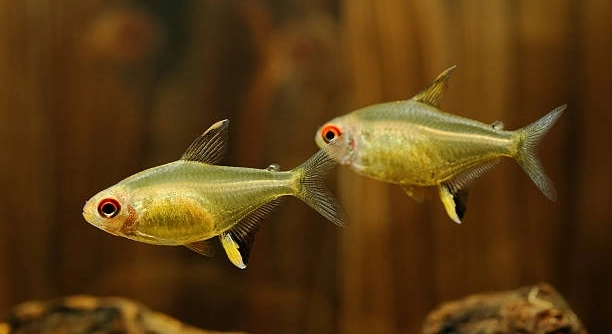
Lemon tetras are small, lively fish often found in home aquariums. They display bright yellow hues and swim in groups, creating a cheerful atmosphere. Their behavior can sometimes appear unusual, sparking interest among fish keepers.
Lemon tetras can exhibit changes in mood, which are typically influenced by environmental conditions, social interactions, and water quality. Stress or sudden changes may cause temporary withdrawal or agitation, but these behaviors usually normalize when conditions improve.
Observing their patterns closely can reveal subtle shifts, helping owners maintain a stable and happy aquarium environment for their fish.
Understanding Lemon Tetra Behavior
Lemon tetras are social fish that thrive in small groups, usually six or more. When kept alone or in insufficient numbers, they can become shy or stressed. Their behavior is influenced by water temperature, pH, and tank size. A stable environment helps them swim actively and interact naturally. Bright lighting or sudden movements around the tank may cause temporary hiding or rapid swimming, which can seem like mood changes. Feeding routines also play a role; consistent feeding schedules make them more confident and interactive. Observing their swimming patterns and group behavior can help identify subtle shifts, indicating stress or discomfort. Occasionally, one tetra may isolate itself or stop eating briefly, signaling a reaction to changes rather than a permanent mood shift. By maintaining clean water, proper lighting, and adequate tank mates, owners can ensure their tetras remain calm and display natural, healthy behaviors.
Stress or sudden environmental changes are the main triggers for unusual behaviors in lemon tetras.
Keeping tank conditions steady and monitoring water parameters carefully reduces stress and promotes normal behavior, making the fish lively and comfortable. A well-maintained tank encourages active schooling and consistent feeding patterns.
Signs of Mood Changes in Lemon Tetras
Lemon tetras may act differently when stressed or unhappy.
Visible signs include reduced swimming activity, hiding, or changes in color intensity. They may isolate themselves or swim erratically. Observing group interactions is key, as changes in social behavior often indicate discomfort.
Mood changes usually result from environmental factors, including water quality, lighting, temperature, and tank size. When conditions fluctuate, tetras can appear withdrawn or agitated. Social dynamics within the tank also affect behavior; an overcrowded tank or aggressive tank mates can lead to temporary stress. Even subtle disturbances like new decorations or rearranged plants may cause hesitation or skittish swimming. Regular observation helps identify patterns and triggers. Gradual adjustments to the environment, such as stabilizing pH levels, ensuring proper filtration, and maintaining consistent feeding times, often restore normal behavior. Understanding these indicators allows owners to respond effectively, reducing stress and promoting healthier interactions among the fish. Consistent care and attentive observation ensure lemon tetras remain vibrant, active, and visually striking in the aquarium, providing a balanced, stable setting for their natural behavior to flourish.
Tank Conditions Affecting Mood
Poor water quality can quickly stress lemon tetras. High ammonia, nitrite, or nitrate levels make them uneasy and can cause unusual behavior. Temperature fluctuations or incorrect pH levels also disrupt their routine and comfort. Maintaining stable water conditions is essential.
Keeping water parameters consistent helps tetras stay active and calm. A filtration system suited to tank size removes toxins and keeps water clear. Regular partial water changes prevent buildup of harmful substances. Temperature should remain within their preferred range, usually 74–80°F, and pH around 6.5–7.5. Providing plants and hiding spots reduces stress, giving them areas to retreat when needed. Monitoring these factors closely makes a visible difference in their overall behavior, keeping them confident and social within the group.
Overcrowding can intensify stress and affect mood. When the tank is too small or lacks adequate hiding spaces, tetras may become withdrawn or aggressive. Adequate space allows them to swim freely and maintain natural social interactions. Observing their movement patterns helps identify if tank density is causing tension. Gradually introducing or removing fish while maintaining stable conditions prevents sudden behavioral shifts. Properly spaced environments promote active schooling, reduce hiding, and encourage healthy feeding behavior. By ensuring the tank is neither overcrowded nor empty, owners can support a balanced atmosphere that minimizes stress and allows lemon tetras to display natural, vibrant behavior consistently.
Social Interactions and Mood
Lemon tetras are highly social and feel secure in groups. Isolation or incompatible tank mates can trigger stress or unusual moods. They rely on companionship to maintain normal behavior patterns and confidence.
Group dynamics influence individual behavior, as tetras swim in coordinated schools. Introducing new fish slowly prevents sudden aggression or dominance issues. Observing interactions helps detect stress signs, like isolation or chasing. Social enrichment, such as plants and open swimming areas, encourages natural schooling. Balanced group sizes reduce competition for food and territory, promoting calm and steady behavior. Ensuring compatible species coexist minimizes conflicts, maintaining a harmonious environment. Regularly monitoring interactions allows timely adjustments, keeping all tetras comfortable and active within their social structure.
Feeding Habits and Mood
Inconsistent feeding can make lemon tetras appear stressed or irritable. Skipping meals or overfeeding may lead to changes in behavior, such as hiding or reduced activity. Maintaining a regular feeding schedule keeps them calm and responsive.
Quality of food also affects their mood. Providing varied, nutritious meals, including flakes, micro-pellets, and occasional live foods, supports health and energy. Poor diet can cause lethargy and color dullness, signaling discomfort. Observing how they respond during feeding times helps identify any behavioral changes related to diet, ensuring they remain active and social.
Environmental Enrichment
Adding plants, hiding spots, and decorations encourages natural behaviors. Lemon tetras use these areas to explore or retreat, reducing stress and improving mood.
A well-structured tank promotes activity and curiosity. Plants, caves, and gentle currents simulate natural habitats, keeping tetras engaged. Environmental enrichment prevents boredom and supports mental well-being, which in turn maintains stable behavior patterns.
Monitoring Health Indicators
Changes in appearance or activity often signal stress or illness. Watch for faded color, rapid gill movement, or isolation. Maintaining water quality and proper nutrition helps prevent these issues. Regular observation allows early intervention, keeping lemon tetras healthy and active in their environment.
FAQ
Do lemon tetras get moody when alone?
Yes, lemon tetras are social fish and feel most secure in groups. Keeping a single tetra can cause stress, withdrawal, or hiding. They rely on group interactions to feel safe and display normal swimming and feeding behaviors. A minimum of six is recommended for stable social dynamics.
How can I tell if my lemon tetra is stressed?
Signs of stress include hiding frequently, reduced swimming activity, faded color, erratic movements, and loss of appetite. They may also isolate themselves from the group. Stress often results from poor water quality, abrupt environmental changes, overcrowding, or aggressive tank mates. Observing behavior daily helps detect problems early.
Can water conditions affect their mood?
Absolutely. Lemon tetras are sensitive to temperature fluctuations, high ammonia, nitrite, or nitrate levels, and incorrect pH. Keeping water stable within 74–80°F and pH 6.5–7.5 is important. Regular water changes, proper filtration, and testing help maintain a comfortable and stress-free environment.
Does diet influence their behavior?
Yes, feeding habits and diet quality directly affect mood. Skipping meals or overfeeding can lead to lethargy or irritability. Providing a varied diet of flakes, micro-pellets, and occasional live foods ensures energy, vibrant colors, and normal activity levels. Observing feeding responses helps identify dietary issues.
Do tank decorations impact their mood?
Yes, environmental enrichment is important. Plants, caves, and hiding spots allow exploration and retreats, reducing stress. Open swimming areas support schooling behavior. Well-arranged decorations mimic natural habitats, keeping lemon tetras active, curious, and confident. Lack of enrichment can lead to boredom or anxiety.
Will tank mates affect their mood?
Definitely. Lemon tetras do best with peaceful, similar-sized species. Aggressive or overly dominant fish can trigger stress, hiding, or erratic swimming. Monitoring group interactions and maintaining a compatible tank community reduces conflicts, helping all tetras remain calm and social.
How long does it take for them to adjust to a new tank?
Adjustment periods vary, usually from a few days to two weeks. During this time, minor mood changes are normal. Providing stable water conditions, proper group size, and environmental enrichment helps them settle faster and display natural, healthy behaviors.
Can sudden changes in lighting or temperature cause mood swings?
Yes, sudden lighting changes or temperature shifts can make lemon tetras skittish or withdrawn. Gradual transitions in lighting and maintaining a consistent temperature range prevent stress and encourage consistent swimming and feeding behaviors.
Do lemon tetras ever recover from temporary stress moods?
Yes, with proper care, temporary stress behaviors often resolve. Stabilizing water quality, adjusting tank mates, ensuring adequate space, and providing proper nutrition help tetras regain normal behavior. Regular monitoring is key to identifying issues before long-term stress develops.
Is it normal for one tetra to act differently from the group?
Occasionally, one tetra may isolate or move slower. Temporary differences can indicate stress, minor illness, or personality variation. If the behavior persists, check water parameters, diet, and social dynamics to address potential causes and restore group harmony.
How can I prevent mood issues in lemon tetras?
Maintaining stable water conditions, feeding a balanced diet, providing environmental enrichment, keeping compatible tank mates, and observing daily behavior all help prevent stress-related mood changes. Consistent care ensures lemon tetras remain active, social, and visually vibrant.
Can illness affect their behavior?
Yes, sickness often shows as isolation, faded color, or lethargy. Early detection through observation and water monitoring is crucial. Prompt treatment and maintaining clean water can restore health and normal behavior.
Are mood changes permanent?
Usually not. Most behavioral changes are temporary responses to stress, environmental changes, or health issues. By addressing the root causes, lemon tetras typically return to normal, active, and social behaviors within days or weeks.
Do breeding conditions affect their mood?
Breeding pairs may show temporary mood shifts such as increased territoriality or stress. Providing adequate space, hiding spots, and minimal disturbance reduces negative effects and helps maintain healthy interactions during this period.
What is the best way to observe their mood?
Watch swimming patterns, schooling behavior, feeding response, and color vibrancy. Regular observation allows you to detect subtle changes early, making it easier to address stressors, adjust the environment, and ensure lemon tetras remain comfortable and active.
Lemon tetras are small, lively fish that can show subtle changes in behavior depending on their environment. Their mood is influenced by factors like water quality, tank size, lighting, and the presence of other fish. Keeping them in groups of at least six is essential for their comfort, as they naturally swim in schools and feel more secure when surrounded by others. Without enough companions, a lemon tetra may appear shy, withdrawn, or less active. Observing their behavior closely can help identify when something in their environment is affecting them. Simple adjustments, such as providing hiding spots or improving water conditions, can make a noticeable difference in their activity levels and overall health. Even small changes in water parameters or lighting can impact their behavior, so monitoring and maintaining consistency is important for keeping them calm and lively.
Diet also plays an important role in their overall behavior and mood. Feeding lemon tetras a varied diet of quality flakes, micro-pellets, and occasional live foods ensures they have the energy to swim actively and interact naturally with their group. Skipping meals or overfeeding can lead to irritability, lethargy, or color changes, which may seem like mood swings. Paying attention to how they respond during feeding times helps in recognizing potential problems early. Providing food at regular intervals allows them to develop a routine, which reduces stress and supports stable behavior. Additionally, environmental enrichment, such as plants, caves, and open swimming areas, encourages natural exploration and gives the fish places to retreat when they feel uneasy. These factors combined create a more stable, stimulating habitat that keeps lemon tetras comfortable and active.
Finally, understanding lemon tetra behavior requires patience and careful observation. Changes in mood are often temporary and usually related to stress, environmental shifts, or social dynamics rather than permanent traits. Addressing potential stressors promptly, maintaining clean water, and keeping compatible tank mates help ensure that these fish remain healthy and social. Regular observation of their swimming patterns, color, and interactions allows owners to notice minor changes before they become serious issues. By providing stable conditions, proper nutrition, and a supportive group environment, lemon tetras can thrive and display their natural, vibrant behaviors. This careful attention to their needs not only prevents behavioral problems but also enhances the enjoyment of watching them interact in a peaceful, well-maintained aquarium. Overall, maintaining a consistent, healthy environment is key to keeping lemon tetras active, social, and visually striking over the long term.

Hello,
If you enjoy the content that we create, please consider saying a "Thank You!" by leaving a tip.
Every little bit helps us continue crafting quality advice that supports the health, happiness, and well-being of pets around the world, for pets of all shapes, sizes, and species.
We really appreciate the kindness and support that you show us!