
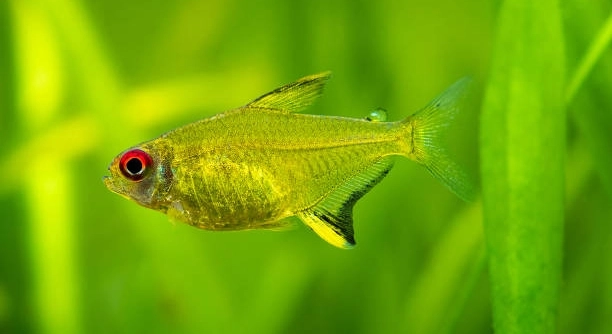
Lemon tetras are small, vibrant fish that brighten any aquarium. Observing their behavior closely can help you understand when they are mature and ready to reproduce. Recognizing early signs is key for a successful breeding experience.
Lemon tetras show readiness to breed through distinct behaviors and physical changes. Indicators include increased activity, color intensification, pairing behavior, and subtle changes in fins and body shape, all of which signal sexual maturity and reproductive preparedness.
Knowing these signs will make caring for your lemon tetras easier and more rewarding. Paying attention to their subtle cues ensures healthier breeding and a more balanced aquarium environment.
Physical Changes in Lemon Tetras
Lemon tetras undergo subtle but noticeable physical changes when they are ready to breed. Their body color becomes more intense, with males often showing brighter yellow hues. Females develop a slightly rounder belly as eggs mature inside them. Fins may also appear fuller and slightly more translucent, which helps attract mates. Observing these changes closely can make it easier to distinguish mature fish from younger ones. These physical signs are not always dramatic, so careful attention is important. Lighting in your aquarium can also affect how pronounced these changes appear, making it easier to monitor your tetras under consistent conditions. Healthy fish with a balanced diet tend to display these traits more clearly, making breeding more successful.
Color intensification and a fuller body shape indicate that your lemon tetras are reaching reproductive maturity and are physically ready to spawn in the right environment.
Noticing these changes early allows you to prepare a proper breeding setup. Providing hiding spots, gentle filtration, and optimal water conditions supports successful spawning and keeps the tetras healthy.
Behavioral Signs of Breeding Readiness
Lemon tetras begin to display pairing and courtship behaviors when ready to breed.
These fish often swim in tighter pairs, chasing each other gently and showing more active movement near plants. Males may nudge females or perform small fin displays to signal interest. Observing these patterns helps you identify which tetras are ready to mate. Group dynamics also shift slightly, with males occasionally becoming more territorial, though aggression remains minimal. Spending time watching their interactions can reveal these subtle signs. Pairing behavior usually coincides with optimal tank conditions, such as clean water, stable temperature, and sufficient cover. A well-fed tetra is more likely to display courtship behavior consistently. Providing floating plants or fine-leaved vegetation gives them a place to perform these rituals safely. Over time, consistent observation allows you to predict when spawning is likely, making it easier to intervene if needed.
Monitoring these behaviors not only indicates readiness but also helps ensure that the breeding environment meets all necessary conditions. Adjusting tank setup and diet in response to these behaviors increases the chances of successful spawning, producing healthier offspring and maintaining the overall balance of your aquarium. Observing courtship patterns gives insights into each fish’s health and compatibility, allowing more informed decisions about pairing. Proper lighting, water parameters, and plant coverage all enhance these natural behaviors, creating an environment where lemon tetras feel secure and are more likely to engage in reproduction. Consistent attention and patience are key, as these behavioral signs may appear gradually. Over time, this approach helps you anticipate breeding activity and manage your tank more effectively, ensuring both adult tetras and fry thrive in a supportive setting.
Changes in Feeding Habits
Lemon tetras often show increased appetite when ready to breed. They become more active during feeding times and may compete for food more than usual. Ensuring a varied diet can support their energy needs and overall health during this period.
During breeding readiness, these tetras respond well to high-quality foods, including live or frozen options such as brine shrimp and daphnia. Males and females may eat more frequently and with greater intensity, preparing their bodies for reproduction. Maintaining a consistent feeding schedule helps monitor their behavior and physical condition, ensuring they stay healthy and show clear signs of readiness. Overfeeding should be avoided, but providing sufficient nutrition is key.
Monitoring changes in feeding habits provides valuable insight into your tetras’ reproductive cycle. Their eagerness for protein-rich foods signals that they are preparing for spawning. Adjusting diet quality and quantity accordingly enhances their health and increases the likelihood of successful breeding. Observing how they respond during feeding also helps identify which fish are most active and ready, allowing for better pairing decisions. Consistency in diet and attention to their behavior ensures the fish remain in optimal condition throughout the breeding period.
Water Conditions for Breeding
Stable water parameters are crucial for lemon tetra breeding. Temperature, pH, and cleanliness all influence reproductive behavior and egg development.
Lemon tetras thrive in slightly acidic to neutral water, ideally between 6.5 and 7.0 pH, with a stable temperature around 75–78°F. Frequent partial water changes keep the environment clean and reduce stress, which is important for encouraging spawning. Soft water with low mineral content closely mimics their natural habitat and helps eggs develop properly. Monitoring these conditions carefully allows you to create a reliable and safe breeding environment. Sudden changes in temperature or pH can disrupt their behavior and delay spawning.
Proper water conditions not only promote breeding readiness but also protect the health of both adults and fry. Gentle filtration prevents strong currents that could disturb delicate eggs while maintaining oxygen levels. Maintaining consistent parameters minimizes stress, which is critical because stressed fish often abandon spawning attempts. Preparing the tank with fine-leaved plants or spawning mops gives eggs a safe place to attach and increases survival rates. Regular testing of water parameters, combined with partial changes, ensures the environment remains suitable throughout the breeding period. This careful management supports natural behaviors and increases the likelihood of producing healthy offspring.
Spawning Sites and Setup
Providing proper spawning sites encourages lemon tetras to lay eggs. Fine-leaved plants or spawning mops give them safe surfaces to attach eggs. The more natural and secure the environment, the more likely they are to spawn successfully.
Positioning these sites in quiet areas of the tank reduces stress. Eggs are delicate, so keeping them away from strong currents or active fish ensures higher survival rates. Observing where your tetras prefer to deposit eggs helps you optimize placement and improve breeding success.
Pairing Behavior
Lemon tetras often form loose pairs when preparing to spawn. Males swim alongside females, performing small displays to signal interest. This behavior can continue for several days, strengthening the bond needed for successful spawning. Paying attention to these interactions helps identify the most compatible pairs.
Egg Laying Patterns
Eggs are typically scattered among plants or spawning mops. Females release them gradually while males fertilize them externally. Understanding this process helps you monitor breeding success and manage the tank environment effectively, ensuring eggs remain safe from disturbance.
Fry Care
Newly hatched fry are tiny and require gentle care. Feeding them appropriately sized food and maintaining stable water conditions supports healthy growth. Proper care during these early days is crucial for survival and long-term development.
FAQ
How do I know when my lemon tetras are ready to breed?
Lemon tetras show readiness through physical and behavioral changes. Males display brighter colors, especially yellow hues, and may show slightly longer fins. Females develop a rounder belly as eggs mature. Behaviorally, pairs swim closely together, with males performing gentle chasing or fin displays. Increased activity during feeding times is another sign. Watching these subtle changes over time allows you to determine when the fish are mature and likely to spawn successfully.
What is the best water condition for breeding lemon tetras?
Stable water conditions are essential. Lemon tetras prefer slightly acidic to neutral water, ideally between 6.5 and 7.0 pH. Temperature should remain around 75–78°F. Soft water with low mineral content helps eggs develop properly. Partial water changes help maintain cleanliness and reduce stress. Avoid sudden changes in temperature or pH, as this can disrupt behavior and reduce spawning success. A gentle filtration system prevents strong currents that could disturb delicate eggs or fry.
What type of food should I feed them before breeding?
A protein-rich diet encourages reproductive readiness. Live or frozen foods like brine shrimp, daphnia, and bloodworms provide essential nutrients. Feeding small amounts multiple times a day helps maintain energy without overfeeding. High-quality flake or pellet food can complement this diet, but protein-rich live foods are most effective in stimulating spawning behaviors. Observing feeding patterns can also help identify which fish are most active and ready to mate.
How do I set up a spawning site in the tank?
Use fine-leaved plants or spawning mops to give eggs a safe place to attach. Position them in quiet areas away from strong currents or other active fish. Observing where your tetras prefer to lay eggs can guide adjustments. Floating plants also provide cover, helping adults feel secure and encouraging natural spawning behavior. Keeping eggs separated from adult fish reduces the risk of them being eaten.
How do I care for the eggs and fry?
Eggs are delicate and should be protected from disturbance. Keep water conditions stable and maintain gentle filtration. Once fry hatch, they require very small food such as infusoria or specially prepared fry food. Feed several times a day in tiny portions to ensure proper growth. Maintaining clean water is critical, as fry are sensitive to poor water quality. Gradually introducing larger foods as they grow supports healthy development.
Can lemon tetras spawn in a community tank?
Spawning in a community tank is possible but not ideal. Eggs and fry may be eaten by other fish. Providing hiding spots or a separate breeding tank increases survival rates. Observing pairs in a community setup requires patience, as their behavior can be less predictable due to distractions or competition.
How long does it take for lemon tetra eggs to hatch?
Eggs typically hatch within 24–36 hours, depending on water temperature. Fry remain very small and fragile for the first week, requiring careful attention to feeding and water conditions. Maintaining optimal temperature and cleanliness during this period maximizes survival and growth.
Do adult tetras need special care during breeding?
Yes. Adults benefit from a nutritious diet and stable water conditions. Reducing stress by limiting disturbances and maintaining quiet surroundings supports successful spawning. Observing their interactions can help ensure pairs are compatible and ready to reproduce. Proper care of adults directly influences egg fertilization and fry survival.
Can I breed lemon tetras multiple times a year?
Yes, with proper care. Providing stable water conditions, adequate nutrition, and a safe spawning environment encourages repeated breeding cycles. Observing physical and behavioral cues ensures timing aligns with their readiness, increasing success rates while maintaining overall health of the fish.
How do I tell the difference between males and females?
Males are typically more colorful, with brighter yellow tones and slightly elongated fins. Females have a rounder belly, especially when carrying eggs. Behaviorally, males perform chasing and fin displays, while females may swim more slowly, indicating readiness for spawning. Accurate observation helps with pairing decisions and breeding success.
What should I avoid during the breeding period?
Avoid sudden water changes, aggressive tankmates, and overfeeding. These can stress the fish and reduce spawning success. Strong currents, bright lighting, or frequent disturbances can also disrupt natural behavior. Keeping conditions calm, stable, and nutrient-rich supports breeding and fry development.
Is it necessary to separate adults after spawning?
Separating adults is recommended if eggs are at risk of being eaten. A breeding tank or protected area ensures higher fry survival. Adults can return to the main tank afterward, once fry are large enough to avoid predation. Proper timing of separation balances adult health with offspring survival.
How can I improve survival rates for fry?
Provide gentle filtration, maintain clean water, and feed appropriately sized food frequently. Hiding spaces, plants, or spawning mops reduce stress and increase protection. Gradually adjusting water parameters to mimic natural conditions supports growth. Careful attention during the first few weeks is critical for developing strong, healthy fry.
Final Thoughts
Breeding lemon tetras can be a rewarding experience, but it requires careful observation and consistent care. These small fish display subtle signs when they are ready to reproduce, including changes in color, body shape, and behavior. Males often brighten in yellow tones, while females develop a rounder belly as eggs mature. Pairing behavior becomes more noticeable, with males swimming alongside females and performing small displays. Paying close attention to these signs helps you identify which fish are ready, allowing you to create the right environment for successful breeding. Understanding their behavior and physical changes is the foundation for supporting the breeding process.
Water conditions play a key role in promoting reproductive success. Lemon tetras thrive in slightly acidic to neutral water with a stable temperature between 75–78°F. Soft water with low mineral content helps eggs develop properly, while frequent partial water changes maintain cleanliness and reduce stress. Gentle filtration ensures adequate oxygen without disturbing delicate eggs or fry. Providing hiding spots, fine-leaved plants, or spawning mops gives eggs a safe place to attach, while also offering adults a secure environment for laying. Proper water management supports both adult health and fry survival, which is essential for long-term breeding success.
Caring for the fry requires patience and attention. Newly hatched lemon tetra fry are tiny and fragile, needing stable water and appropriate food such as infusoria or specially prepared fry feed. Feeding small portions multiple times a day encourages growth while keeping water clean. Gradually transitioning fry to larger foods as they grow ensures they develop properly. Protecting the fry from adult fish or other tankmates increases survival rates, while monitoring water parameters and maintaining consistency supports healthy development. With careful observation, proper diet, and attention to water conditions, breeding lemon tetras can be a manageable and fulfilling process that results in healthy, thriving fish.

Hello,
If you enjoy the content that we create, please consider saying a "Thank You!" by leaving a tip.
Every little bit helps us continue crafting quality advice that supports the health, happiness, and well-being of pets around the world, for pets of all shapes, sizes, and species.
We really appreciate the kindness and support that you show us!