
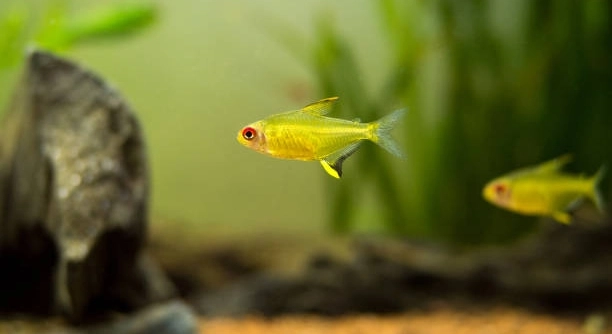
Have you ever noticed your lemon tetra swimming near the glass and pausing as if it sees someone else in the tank? Many aquarists observe this behavior, often finding it both amusing and puzzling. These small fish show distinct reactions.
Lemon tetras interact with their reflection in multiple ways, including displaying territorial behaviors, engaging in playful swimming, and exhibiting signs of curiosity. These interactions are influenced by their social nature, environmental conditions, and the presence of other fish in the tank.
Observing these behaviors can reveal a lot about your tetra’s personality and comfort in its environment, offering insights into proper care and tank setup.
Curiosity and Exploration
Lemon tetras often approach their reflection with genuine curiosity. I noticed mine gliding slowly toward the glass, tilting their bodies, and peering closely. They seemed to examine the movements, reacting to even the smallest shifts. This behavior is common, especially in younger fish, as they are naturally inquisitive. The reflection offers a safe way for them to investigate another “fish” without real risk. Some tetras swim alongside the reflection, almost as if mimicking it, while others pause and observe quietly. Over time, their comfort with the reflection can increase, showing confidence in their environment. Watching them interact this way gives insight into their temperament and social tendencies. It also helps me understand how my tank setup influences their activity. Proper lighting, clean glass, and calm surroundings encourage more consistent interactions, allowing the fish to explore naturally. Their curiosity is a sign of intelligence and engagement, reflecting a healthy aquatic life.
Observing curiosity helps track their comfort, mental stimulation, and adaptability to tank conditions, which are key indicators of healthy behavior in lemon tetras.
Noticing these subtle behaviors made me more attentive to tank maintenance. I started adjusting decoration placement and lighting, which seemed to encourage more interaction. Over time, the fish became more active and less skittish, revealing the benefits of mindful observation and environment adjustments.
Territorial Displays
Lemon tetras sometimes display territorial behaviors toward their reflection. They may dart aggressively, flare fins, or chase the mirrored image as if defending their space. This behavior is more apparent in smaller tanks or when a fish feels stressed.
Territorial reactions are influenced by social hierarchy, tank size, and available hiding spots. In my tank, adding plants and decorations reduced these aggressive encounters. Providing enough space for all fish helps minimize stress, and observing these moments can guide better tank management. Tetras often return to calmer swimming after initial displays, showing that the aggression is temporary. Over time, they seem to distinguish reflection from actual fish, adjusting their reactions accordingly. Keeping an eye on these interactions is essential, as prolonged aggression can lead to exhaustion or injury. Ensuring balanced group sizes and appropriate tank conditions supports healthy social behavior, reducing unnecessary conflict and promoting a peaceful aquarium environment. Awareness of these patterns allows better planning for fish placement and care, making the tank more harmonious overall.
Playful Swimming
Lemon tetras often swim in loops or quick bursts near their reflection. I’ve watched mine dart back and forth, almost like they are racing an imaginary companion, showing energy and engagement in the tank environment.
This playful swimming seems to be a combination of instinct and curiosity. The fish react to their reflection as if it’s another tetra, mimicking movements or chasing briefly before pausing. I noticed that when the tank is calm, the fish are more willing to explore near the glass. Adding floating plants gave them more comfort, encouraging these playful interactions. Watching them move like this feels rewarding because it shows they are active, alert, and not stressed. Playful swimming can also indicate that the fish feel secure in their space and are mentally stimulated by their surroundings, which is essential for long-term health.
Over time, these playful moments became predictable in my tank. Morning and evening were their most active periods, and I found that keeping the water clean and temperature stable enhanced their behavior. Observing the patterns helped me adjust feeding times and tank arrangement to encourage positive interactions, reducing stress and supporting a lively atmosphere.
Curiosity Without Aggression
Some lemon tetras approach their reflection calmly without any aggressive display. They swim slowly, hover, or occasionally nudge the glass, showing interest but not confrontation.
This type of interaction is more common when multiple tetras are in the tank, as social presence reduces stress and need for territorial behavior. I noticed mine often paused at the glass while other fish swam around, analyzing their mirrored movements. They sometimes followed the reflection from a distance, circling gently, which suggested recognition of movement rather than seeing it as a threat. Calm curiosity also reflects a well-maintained tank, proper space, and enough hiding spots for security. Over time, these behaviors became predictable, helping me understand individual fish personalities. Keeping a balance of active observation and minimal interference encouraged their natural exploration. The fish seemed more confident and engaged without any displays of stress or dominance, demonstrating that careful observation and environment adjustments can promote peaceful curiosity in lemon tetras.
Reflection Recognition
Lemon tetras can sometimes recognize that the reflection is not another fish. I noticed mine gradually reduced aggressive swimming toward the glass over a few days, behaving more calmly.
Over time, they often approach the reflection without chasing or flaring. This indicates growing familiarity, reducing stress. I observed subtle changes, like slower movements and hovering near the glass, showing they are less reactive. Recognition develops gradually, and environmental consistency helps. Clean glass, stable lighting, and minimal sudden disturbances encouraged this calmer behavior. Watching them adjust was fascinating, showing how fish learn and adapt to repeated visual stimuli. Their reactions became less about challenge and more about curiosity, making the tank feel more balanced and peaceful.
Interaction Patterns
Repeated observation revealed patterns in how lemon tetras interact with reflections. Morning and evening were peak times, with bursts of activity and playful circling. I noticed these patterns matched feeding schedules and light changes, suggesting environmental cues influence behavior.
Social Influence
Tetras behave differently when in groups. I observed my fish mimic each other’s reactions, sometimes increasing playfulness or aggression near the reflection. Social context clearly shapes their interaction and confidence in exploring mirrored images.
Environmental Effects
Tank layout affects behavior significantly. Plants, decorations, and hiding spots altered how close they swam to the glass, shaping interactions with reflections.
FAQ
Why does my lemon tetra stare at its reflection?
Lemon tetras often stare at reflections out of curiosity. I noticed mine spend several seconds near the glass, tilting and observing their mirrored movements. This is a natural behavior that allows them to explore visual stimuli without real threats. Calm lighting and a stable environment help them feel secure while investigating. Over time, staring usually becomes shorter as they recognize the reflection is not another fish.
Is it normal for them to chase their reflection?
Yes, chasing reflections is common. I’ve seen my tetras dart quickly toward the glass and then back away. This behavior mimics natural territorial or playful actions. In small tanks, chasing may appear more frequent due to limited space, but adding decorations or plants can reduce excessive pursuit. Watching them chase can be entertaining, but it also signals normal social instincts and activity levels.
Can chasing reflections stress my fish?
Chasing reflections rarely causes serious stress if it is occasional. I observed that my tetras calm down after short bursts. Persistent chasing may indicate overcrowding or lack of hiding spots. Ensuring proper tank size, decorations, and plant cover helps reduce prolonged aggression or stress caused by repeated mirror encounters.
Do lemon tetras eventually ignore reflections?
Many tetras gradually ignore reflections once they recognize them as non-threatening. My fish slowed their reactions after a few days of repeated exposure. Familiarity and environmental stability contribute to this behavior. Fish often hover or swim past the glass without aggressive displays, showing learning and adaptation over time.
Does group size affect reflection behavior?
Yes, the number of tetras influences reactions. In larger groups, aggression toward reflections usually decreases. I noticed that when my tetras were together, they spent more time interacting with each other than with the glass. Social context provides confidence and reduces the need to defend perceived territory.
Can tank setup change interactions with reflections?
Tank layout significantly affects behavior. Plants, rocks, and floating decorations provide security, allowing fish to approach the glass more confidently or retreat as needed. I adjusted my tank by adding plants and observed calmer, more exploratory behavior. A well-planned environment encourages natural interactions with reflections while minimizing stress and aggressive responses.
Should I use mirrors to stimulate activity?
Mirrors can provide short-term mental stimulation, but they should be used cautiously. I occasionally placed a mirror for a few minutes to observe reactions. Prolonged exposure may trigger repeated chasing or territorial displays, which can be tiring. Using reflections sparingly ensures fish remain engaged without unnecessary stress.
Do all lemon tetras react the same way to reflections?
No, individual personalities influence reactions. I noticed that some fish chase more aggressively, while others hover calmly. Factors like age, social rank, and prior experience with reflections play a role. Observing each fish helps understand preferences and allows adjustments to tank conditions for optimal comfort and activity.
How can I reduce aggressive behavior toward reflections?
Providing adequate space, plants, and hiding spots is key. I rearranged decorations in my tank, which reduced chasing and flaring. Grouping fish appropriately also helped. Calm lighting and stable water parameters support peaceful behavior, ensuring reflections do not trigger unnecessary stress or aggression in lemon tetras.
Is it safe for their health to interact with reflections?
Yes, brief interactions are generally safe. I monitored my tetras and found that occasional reflection activity did not cause harm. Long-term exposure should be limited to prevent stress or exhaustion. Observing their energy levels and behavior ensures they remain healthy while exploring visual stimuli.
Can reflections replace social interaction with other fish?
No, reflections cannot replace real social interaction. Lemon tetras are schooling fish, and I noticed that group interactions are essential for their well-being. Reflections provide temporary stimulation, but consistent companionship with other tetras supports natural social behavior and reduces stress effectively.
How do I know if my tetra is stressed by a reflection?
Signs of stress include persistent chasing, hiding, or erratic swimming. I observed my fish for repeated displays, noting when they became exhausted or avoided the area. Providing cover, proper tank size, and minimizing mirror exposure usually alleviates stress, allowing them to explore reflections safely and comfortably.
Can water quality affect reflection behavior?
Yes, poor water quality can increase aggression or anxiety. I found that maintaining clean water, stable temperature, and proper filtration led to calmer interactions. Healthy conditions allow lemon tetras to engage naturally with reflections, demonstrating curiosity rather than stress-driven responses.
Do reflections help mental stimulation for lemon tetras?
Reflections provide short-term mental stimulation. Watching my tetras interact with the mirror revealed alertness, quick movements, and playful behavior. While not a replacement for social interaction or environmental enrichment, reflections can add occasional engagement, keeping the fish active and attentive in a secure environment.
Lemon tetras are small, active fish that often show fascinating behaviors when they see their reflection. Observing them interact with glass or mirrors can be both interesting and helpful in understanding their needs. Their reactions vary depending on personality, environment, and social context. Some fish swim quickly toward the reflection, chase it for a short time, and then return to calmer swimming. Others hover quietly near the glass, appearing curious but not aggressive. I’ve noticed that these behaviors often give insight into a fish’s confidence and comfort level within its tank. Paying attention to how they respond to reflections can reveal whether they feel secure, stressed, or simply playful. It also allows owners to adjust tank conditions, like rearranging decorations, adding plants, or providing hiding spaces, to encourage healthy and balanced behavior. The variations in behavior show that lemon tetras are more than just small, ornamental fish—they are attentive and adaptable creatures that respond to visual stimuli in ways that reflect their mood and environment.
Interactions with reflections are influenced by several factors, including group size, tank layout, and water conditions. In my experience, lemon tetras kept in larger groups tend to show less aggression toward their reflections because social presence reduces the need to defend perceived territory. When tanks are overcrowded or lack sufficient hiding spots, chasing and flaring behaviors can increase. Proper water conditions and consistent lighting also play a role in how calm or reactive the fish are. Over time, many tetras appear to recognize that the reflection is not another fish, gradually approaching the glass with curiosity rather than aggression. This gradual adjustment demonstrates their ability to learn and adapt, which can be satisfying to observe as an owner. Small changes in tank layout, such as adding floating plants or rearranging rocks, often lead to noticeable improvements in how fish behave around reflections. These simple steps can make a tank environment more stimulating, reducing stress while encouraging natural exploration and interaction.
Reflections can be a source of mental stimulation for lemon tetras, but they should not replace social interaction or proper environmental enrichment. These fish are schooling animals, and the presence of other tetras is essential for their well-being. I’ve found that occasional reflection interactions can provide short-term engagement, allowing the fish to explore visual cues and practice natural behaviors. Monitoring their reactions is important to ensure they do not become overly stressed or exhausted. Overall, observing lemon tetras interact with their reflections provides insight into their personalities, helps owners maintain a balanced and healthy tank environment, and highlights the importance of careful observation, proper care, and attention to detail. Watching them adjust and respond over time can be both calming and educational, giving a better understanding of how small environmental and social factors shape behavior in these lively fish.

Hello,
If you enjoy the content that we create, please consider saying a "Thank You!" by leaving a tip.
Every little bit helps us continue crafting quality advice that supports the health, happiness, and well-being of pets around the world, for pets of all shapes, sizes, and species.
We really appreciate the kindness and support that you show us!