
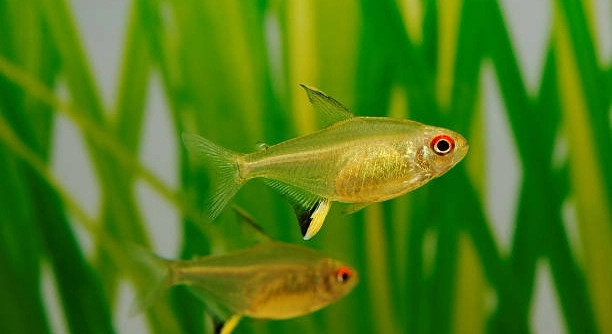
Do you enjoy watching your lemon tetra glide gracefully through the aquarium but notice how quickly they scatter when you approach? Their small size and bright coloration make them fascinating companions to observe daily.
Lemon tetras are capable of recognizing familiar individuals, including their human caretakers, even after periods of separation. Their memory allows them to distinguish between known and unknown people, often responding with increased activity or curiosity when reintroduced to familiar figures.
Learning about this behavior can enhance your interaction with your fish and strengthen your connection with them. Observing these small reactions can reveal surprising intelligence and personality traits.
How Lemon Tetras Remember You
Lemon tetras have the ability to recognize humans through visual and behavioral cues. They can associate a caretaker’s presence with feeding or interaction, creating a sense of familiarity. Over time, they learn to distinguish between regular and new visitors. Their recognition is subtle, often expressed through small changes in swimming patterns or positioning within the tank. When they see someone familiar, they may swim closer to the front of the tank or display more confident movements. This behavior shows that even small fish have memory capabilities and social awareness. Consistent routines, like feeding at similar times and gentle movements near the tank, help reinforce this recognition. Even short absences do not erase their memory, and they tend to respond similarly after reuniting with familiar individuals. Observing these patterns can deepen your understanding of their behavior. Lemon tetras are small but surprisingly perceptive creatures capable of forming simple yet meaningful associations.
Regular interaction increases their recognition and comfort with you over time, making them more responsive.
Creating a predictable environment, such as maintaining consistent feeding times, water conditions, and gentle handling, supports memory retention. Fish learn through repetition, and regular exposure to familiar stimuli strengthens recognition. Lemon tetras rely on both sight and movement to identify familiar humans, so minimizing sudden changes in behavior helps them respond positively. Over weeks and months, their behavior becomes more consistent, showing interest and reduced stress around familiar people. This recognition can lead to more engaging observation experiences, as they swim confidently or approach the tank when they notice a known caretaker. Avoiding sudden environmental changes and maintaining calm movements are key, as stress can interfere with their ability to remember or respond. By understanding their memory and social patterns, you can create an environment where lemon tetras feel secure and connected, enhancing both their well-being and your enjoyment of their presence.
Signs Lemon Tetras Recognize You
Swimming closer to the front of the tank is a common indication of recognition.
They may also follow your hand along the glass or display subtle excitement during feeding times. Increased movement or curiosity signals that they remember your presence. Over time, these behaviors become consistent, showing their ability to recall familiar individuals even after days or weeks apart. Small changes in behavior, like positioning near feeding areas or responding faster than usual, indicate memory retention. Recognizing these patterns helps in understanding how they interact with their environment and with people. Consistent routines and gentle interactions reinforce this recognition. The more predictable and calm your presence is, the stronger their memory association will be.
Observing these cues can guide you in adjusting feeding habits and interactions for better responses. By maintaining a calm, consistent approach, you encourage trust and recognition. Over time, lemon tetras will demonstrate predictable reactions, such as approaching the glass when a familiar caretaker appears or swimming actively during feeding times. Even minor changes in routine can affect their responses, so consistency is key. They rely on visual cues, movement patterns, and repeated experiences to remember familiar individuals. Understanding these signals allows you to interact with them effectively while supporting their natural behavior. When reintroduced after absence, they often react immediately, showing that memory is retained. This recognition demonstrates that lemon tetras are more perceptive than many assume, capable of forming associations that influence daily activity and interactions. Observing and responding to these behaviors can make aquarium care more engaging and satisfying, creating an environment where both you and the fish benefit.
Factors That Affect Recognition
Time apart can influence how quickly lemon tetras recognize a caretaker. Short absences rarely affect memory, but longer periods may slow their response. Regular interaction strengthens recognition.
Consistency in feeding, tank maintenance, and gentle movements reinforces familiarity. Lemon tetras rely on visual cues and repeated experiences to remember humans. Even small changes in routine, such as altering feeding times or rearranging decorations, can affect their behavior. Maintaining a calm and predictable environment helps them feel secure and enhances recognition. Over time, these consistent actions build trust, making them more responsive when a familiar person approaches.
Stress, water quality, and tank conditions can also impact recognition. Fish experiencing poor conditions may become less active and show limited memory response. Proper care ensures they remain alert and capable of recognizing familiar individuals. Observing their reactions in different circumstances helps identify how environmental factors influence behavior. Small adjustments in routine and tank management can significantly improve their ability to respond positively.
Building Stronger Bonds
Regular interaction, like feeding at consistent times, helps lemon tetras form stronger associations.
Providing a calm environment and predictable routines supports memory retention and recognition. When they consistently experience positive interactions, their behavior becomes more predictable. Over weeks, familiar cues like your hand near the tank or movement patterns are enough for them to react confidently. This shows that small fish can form meaningful connections through routine and repetition. Gentle approaches during feeding or tank maintenance reduce stress and reinforce recognition. Consistent behavior on your part encourages curiosity, comfort, and responsiveness, creating a sense of security in the fish.
Observation is key to strengthening bonds. Noticing how they respond to different cues allows you to adjust interactions to be more effective. For example, feeding at the same time each day and minimizing sudden movements helps lemon tetras associate you with a positive experience. Over time, these small, repeated actions increase trust and recognition. The fish may swim closer, display more activity, or follow familiar gestures, demonstrating their memory and comfort. Understanding these cues allows for tailored interactions that respect their behavior while fostering familiarity. Creating this structured, calm environment benefits both the fish and the caretaker, enhancing overall engagement and enjoyment.
Visual Cues in Recognition
Lemon tetras respond strongly to visual cues when recognizing someone. Movements, hand gestures, and repeated presence near the tank help them identify familiar individuals quickly.
Bright colors or distinctive clothing can also catch their attention. Fish use these signals to associate people with positive experiences, such as feeding or care.
Memory and Familiarity
Lemon tetras rely on short- and long-term memory to recognize humans. They remember repeated routines and associate certain actions with food or safety. Over time, their responses become more consistent, showing they recall familiar figures even after periods of separation. These small fish are more perceptive than they appear, using repeated visual and behavioral cues to navigate their environment and respond appropriately to known caretakers. Maintaining calm interactions and predictable routines strengthens memory, making recognition quicker and more reliable. Observing their reactions highlights their capacity for learning and adaptation, proving that even tiny fish can form lasting associations.
Patience and Observation
Patience is key when building recognition. Watching their behavior closely allows you to adjust interactions for better responses.
FAQ
Do lemon tetras really recognize their owners?
Yes, lemon tetras are capable of recognizing familiar individuals. They use visual and behavioral cues to distinguish between people they see regularly and strangers. Over time, they learn to associate caretakers with feeding and safe interaction. This recognition is subtle, often shown through small changes in movement, swimming closer to the front of the tank, or increased curiosity when a familiar person approaches. Consistent routines and gentle handling reinforce this recognition, making responses more predictable over time.
How long can lemon tetras remember someone?
Lemon tetras have both short-term and long-term memory, allowing them to remember familiar humans for days or even weeks. While short absences rarely affect recognition, extended periods without interaction may slow their response. Regular presence and predictable routines strengthen their memory and help maintain recognition. They rely on repeated experiences, such as feeding or calm movement near the tank, to reinforce memory associations. Stress, poor water conditions, or sudden changes in environment can interfere with memory, making consistency and proper care crucial for maintaining recognition.
What behaviors show that lemon tetras recognize you?
Signs of recognition include swimming closer to the front of the tank, increased activity when a familiar person approaches, and following hand movements along the glass. They may also display subtle excitement during feeding times or position themselves near areas associated with interaction. Over time, these behaviors become more consistent, indicating memory and familiarity. Observing these cues helps in understanding how lemon tetras respond to humans and how routine and gentle interaction can strengthen recognition. Small environmental changes or stress can temporarily reduce these behaviors, so patience is important.
Can lemon tetras forget someone?
While lemon tetras can retain memory for weeks, prolonged absence or irregular interaction may reduce responsiveness. They do not forget entirely but may take longer to recognize a person after extended separation. Consistent exposure, predictable routines, and gentle handling help maintain memory and recognition over time. Their memory relies on repeated visual and behavioral experiences, so regular interaction is key. Even after some time apart, reestablishing familiar cues usually triggers recognition. Stress-free environments and steady routines enhance memory retention, allowing lemon tetras to respond confidently to familiar individuals despite breaks in interaction.
Do environmental factors affect recognition?
Yes, water quality, stress, and changes in tank conditions can influence memory and recognition. Poor water conditions or sudden disturbances may make them less active and reduce their response to familiar individuals. Maintaining stable water parameters, gentle interactions, and a calm environment supports memory retention. Repetition of positive experiences, such as feeding at consistent times, strengthens recognition. Sudden rearrangements of decorations or inconsistent routines can confuse fish and slow recognition. Observing their behavior under different conditions can reveal how environmental factors impact memory, helping you adjust care to maintain consistent recognition and positive responses from lemon tetras.
How can I improve my lemon tetra’s recognition of me?
Consistency is key. Feeding at the same time each day, approaching the tank calmly, and maintaining a predictable routine help reinforce memory. Over weeks, fish begin to associate your presence with positive experiences, such as food or calm interaction. Gentle, repeated exposure strengthens recognition, while abrupt changes or stress can hinder their memory. Observing reactions and adjusting your behavior to remain predictable ensures better responses. Using calm hand movements and avoiding sudden gestures reinforces familiarity. Providing a stable, stress-free environment encourages confidence and engagement, helping lemon tetras respond reliably to a familiar caretaker.
Do lemon tetras show affection or bonding?
While they do not show affection like mammals, lemon tetras demonstrate recognition and comfort around familiar people. Swimming closer, increased activity, and responsiveness during feeding are their way of expressing familiarity. These behaviors indicate trust and security, showing that small fish can form meaningful associations with humans. Predictable routines and gentle interaction enhance these responses, creating an environment where fish feel safe and confident. Observing these behaviors over time highlights their capacity to remember and react to individuals positively, revealing a level of social awareness that makes aquarium care more engaging and rewarding.
Can they recognize multiple people?
Yes, lemon tetras can differentiate between multiple individuals based on repeated exposure and routine interactions. They respond more quickly to those they see regularly and may show less interest or caution with new or irregular visitors. Visual cues, movement patterns, and repeated experiences help them identify familiar people. Maintaining consistent interaction schedules for different caretakers ensures recognition and reduces stress. Over time, fish can learn to respond appropriately to multiple individuals, showing distinct reactions depending on familiarity. Predictability and gentle handling across interactions improve memory retention and recognition of multiple people in the household.
How soon do lemon tetras recognize a new caretaker?
Recognition can take several days to weeks depending on frequency of interaction, consistency, and environmental stability. Fish respond more readily when routines are calm and predictable. Sudden or erratic behavior can slow the process. Regular feeding, gentle presence near the tank, and stable conditions accelerate recognition. Observing their reactions and maintaining consistent care helps them adjust to new individuals, eventually treating them as familiar. Patience and calm, repeated interaction are essential to establish trust and recognition efficiently.
Are all lemon tetras equally good at recognizing humans?
Individual differences exist. Some fish may show quicker or stronger responses, while others are more cautious or shy. Genetics, age, personality, and previous experiences can influence how they react to humans. Regular interaction and consistent routines help even the shyest individuals learn to recognize familiar caretakers over time. Patience, calm movements, and predictable care maximize recognition across different personalities, allowing all fish to respond reliably to those they see frequently. Observing each fish individually helps tailor interactions and encourages more confident behavior.
Lemon tetras are small fish, but they have impressive memory and recognition abilities. Over time, they learn to identify familiar people through visual cues and repeated experiences. Even after periods of separation, they can remember caretakers and respond with behaviors that show familiarity. Swimming closer to the front of the tank, following hand movements, or displaying excitement during feeding are some of the ways they indicate recognition. These subtle behaviors may seem minor, but they reveal the perceptive nature of these fish. Consistent routines, such as feeding at the same time each day and approaching the tank calmly, help reinforce memory and make recognition more reliable. The more predictable the environment, the easier it is for lemon tetras to remember and respond positively to familiar individuals.
Creating a stable and calm environment is essential for supporting their memory and recognition. Factors such as water quality, stress, or sudden changes in the tank can interfere with their ability to recognize caretakers. Maintaining proper water parameters, gentle handling, and consistent care routines allows them to remain alert and responsive. Observing their reactions to different situations can provide insight into how environmental factors influence behavior. Fish that feel safe and secure are more likely to display recognition behaviors consistently. By understanding how these factors affect memory, caretakers can create conditions that encourage positive responses and strengthen the connection between humans and lemon tetras. Regular interaction combined with a stable environment not only supports recognition but also contributes to the overall well-being of the fish.
Patience and observation play a key role in developing and maintaining these bonds. Lemon tetras respond better to calm, repeated interactions, and recognizing their unique behaviors takes time. Not all fish respond in the same way, so noticing individual differences is important. Some may be more outgoing and approach the tank quickly, while others are cautious and need longer periods to adjust. Consistent feeding routines, gentle movements, and predictable interaction schedules help all fish gradually become familiar with caretakers. By paying attention to their behaviors and adjusting interactions accordingly, it is possible to strengthen recognition and create an environment where fish feel secure. Understanding their memory and behavioral patterns allows for more engaging observation and better care, making the experience of keeping lemon tetras rewarding and enjoyable for both the caretaker and the fish.

Hello,
If you enjoy the content that we create, please consider saying a "Thank You!" by leaving a tip.
Every little bit helps us continue crafting quality advice that supports the health, happiness, and well-being of pets around the world, for pets of all shapes, sizes, and species.
We really appreciate the kindness and support that you show us!