
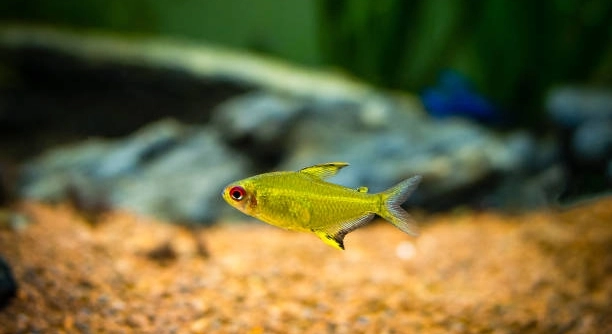
Have you ever noticed how your lemon tetra behaves differently after a water change and wondered what signs might show they are adjusting well in a new environment when everything seems calm on the surface?
Monitoring lemon tetra after a water change involves observing color intensity, schooling behavior, breathing patterns, and swimming stability. Stable movements and consistent interaction with tank mates indicate proper adjustment while rapid gill movement or erratic swimming can signal lingering stress.
These small behaviors reveal how your fish responds to changes and help you understand its comfort level while guiding care.
Early Signs After the Water Change
Right after refreshing the tank, lemon tetra often show small changes that can help you understand how they are handling the adjustment. Their movements may become slightly sharper as they explore the updated space, and their color can shift in brightness depending on how secure they feel. Watching them glide through the plants and driftwood lets you see if they are calm or if they are still figuring things out. Sometimes they may cluster tighter than usual, using each other for a bit of extra comfort while the water settles. You might also notice slower swimming as they test the current and temperature changes. These reactions are common, and they usually settle down once everything in the tank becomes stable again. Paying close attention during this short period makes it easier to spot anything unusual before it grows into something that affects their overall comfort and daily behavior levels too.
Color loss, erratic swimming, or constant hiding can signal stress that needs quick attention after a water change. Keeping a steady eye on these signs helps you respond early and keep your lemon tetra feeling secure in their refreshed environment as the tank conditions return to normal and everything stabilizes.
Once the initial phase passes, your lemon tetra usually start showing their usual patterns again, giving you a better idea of how well they handled the shift. Their schooling behavior becomes smoother, and their colors often return to a steady tone that signals comfort. Observing them during this stage helps you confirm that the filter flow, temperature, and overall water balance are supporting their needs. If they move with ease and show interest in their surroundings, it is a good sign that they feel settled. This quiet period allows you to verify that everything in the tank remains stable today.
Behavior Patterns That Need Attention
Some behaviors stand out more than others when lemon tetra react poorly to a water change, and noticing them early can prevent bigger issues. Sharp darting, clamped fins, or glass surfing can indicate tension that requires action to keep the fish comfortable and stable as the tank continues to settle.
Watching these patterns closely helps you understand when something in the tank still feels off to your lemon tetra, even after the water change seems complete. Slow responses to movement around the tank, dull coloration, or frequent resting near the bottom can point to parameters that need checking. Sometimes the temperature may have shifted more than expected or the filter flow might feel different to the fish. Taking a moment to test the water for ammonia, nitrite, nitrate, and pH gives you a clear idea of what might be affecting their comfort. Adjusting these levels gradually prevents further stress and keeps the tank balanced without overwhelming the fish. Gentle feeding during this period can also help you see whether their appetite remains steady, since a sudden drop can signal that they still feel unsettled. If they continue acting listless or irritable, consider reviewing recent changes in maintenance routines, equipment, or feeding habits. Paying attention to these clues helps you support your lemon tetra in a calm and steady way, giving them the stability they need while the tank returns to normal conditions. This extra care keeps their behavior consistent and prevents small issues from developing into bigger concerns over time.
Water Conditions to Recheck After the Change
Testing the water right after the change helps you confirm that everything stayed within a safe range. Checking temperature, pH, ammonia, nitrite, and nitrate gives you a clearer idea of what your lemon tetra are experiencing as they settle back into their usual routine.
If the temperature shifted even slightly, warming or cooling the tank slowly helps your lemon tetra stay comfortable. A sudden change can affect their breathing and movement, so gentle adjustments are best. Make sure the pH remains steady too, since swings can unsettle them quickly. Ammonia and nitrite should always stay at zero, and nitrate should remain low to prevent discomfort. If anything is off, small corrections over time work better than quick fixes. Watching how they swim while you make these adjustments can guide you, giving you simple clues about how well they are handling the environment.
Once the basic parameters are stable, check the water clarity and flow. Cloudy water might indicate disturbed debris, while strong currents can tire your lemon tetra when they are already adjusting. Cleaning the filter without removing too much beneficial bacteria helps the tank stay balanced. Ensuring calm areas in the tank allows the fish to rest more easily as everything stabilizes. Adding fresh plants or light cover can also help them feel more secure. Observing their coloring and group movement during this time lets you confirm that the water conditions truly support them.
Feeding and Activity Levels After a Water Change
Feeding lightly after the water change helps you see how well your lemon tetra are coping, since appetite often reflects their comfort. Offering small portions gives them a chance to eat without overwhelming the tank, keeping the environment stable.
If they show interest in food and swim toward it with steady movement, it usually means they feel secure. When they ignore food or move hesitantly, it can signal that they still feel tense. Watching how they interact with each other during feeding also helps you understand their comfort levels. Strong schooling and gentle darting near the surface often indicate that they are returning to their usual routines. If they stay near the bottom or linger in corners, give them more time. Supporting them with quiet surroundings and stable lighting helps them regain confidence. Monitoring their activity for the rest of the day gives you even clearer insight into how well they have adjusted.
Stress Behaviors That Should Not Be Ignored
Lemon tetra may show signs that something still feels off, such as dull color, clamped fins, or staying away from the group. These signals tell you they need more stability, so checking the tank conditions again helps you support them more effectively.
If they continue pacing the glass or breathing faster than usual, the environment may still be overwhelming. Quiet surroundings and stable lighting can help them calm down. Giving them extra cover with plants or decorations makes it easier for them to regain their sense of security as the tank settles.
When Movement Changes Need Attention
Changes in swimming patterns can reveal how your lemon tetra feel after the water change, especially if they hover near the bottom or drift without energy. Slow movements may show that the water parameters need another check. Testing each value again helps you catch problems early and adjust gently. Watching how they interact with the rest of the school gives you extra clues, since confident group movement often signals comfort. Gradual corrections usually work best, helping them adapt without added tension.
Signs They Are Adjusting Well
Steady color, smooth schooling, and gentle exploring show that your lemon tetra are settling in. These small signs confirm that the water conditions support their needs and that they feel comfortable enough to return to their normal behavior.
FAQ
How soon should I check my lemon tetra after a water change?
It is best to observe them immediately after the change and continue monitoring for the next few hours. Lemon tetra can show quick reactions to new water, and early observation helps you catch stress signs before they escalate. Pay attention to swimming patterns, breathing, and color changes during this period.
What water parameters are most important after a water change?
Temperature, pH, ammonia, nitrite, and nitrate levels are critical. Keeping the temperature stable prevents sudden stress, while a steady pH ensures comfort. Ammonia and nitrite must be zero, and nitrate should remain low to avoid discomfort. Minor fluctuations can be tolerated, but large swings can affect their health.
Why is my lemon tetra hiding after the water change?
Hiding is a common stress response. They may seek cover when the environment feels unfamiliar or slightly different. Ensure there are plenty of plants, decorations, or hiding spots. Sometimes this behavior is temporary, and as water conditions stabilize, they gradually return to normal schooling behavior.
How long does it take for lemon tetra to adjust?
Adjustment can take a few hours to a full day. Some individuals adapt faster, showing normal swimming and appetite within hours, while others may remain cautious longer. Keeping the environment calm, feeding lightly, and maintaining consistent water parameters helps them regain confidence sooner.
What feeding changes should I make after a water change?
Feed lightly and observe appetite. Lemon tetra may eat less at first, which is normal. Offer small portions to avoid polluting the tank. Watch for signs of interest in food, since active feeding indicates comfort. Once they resume normal activity, gradually return to your usual feeding routine.
Can water flow affect my lemon tetra after a water change?
Yes, sudden changes in flow can stress them. Strong currents may tire them when they are already adjusting. Ensure there are calm areas and gentle circulation. Observe how they swim in different sections, and adjust filter output if needed to create a more comfortable environment.
What should I do if I notice clamped fins or dull color?
Clamped fins and dull coloration are signs of stress or poor water quality. Check water parameters immediately, including temperature, pH, ammonia, nitrite, and nitrate. Make gradual corrections rather than sudden changes, and provide hiding spaces to reduce stress until they regain normal behavior.
Is it normal for lemon tetra to stay at the bottom for a while?
Occasionally, yes. They may rest near the bottom while adjusting to new water. Prolonged bottom-dwelling, combined with sluggish movement or loss of appetite, indicates stress. Monitor parameters carefully and ensure calm areas in the tank to support their recovery.
How often should I monitor them after water changes?
Check them immediately after the change, then periodically for the next 24 hours. Observe swimming, schooling, color, and appetite. Frequent observation during this period helps you respond quickly to any stress signs, ensuring they remain healthy and comfortable.
Can lemon tetra die from a poorly managed water change?
Yes, sudden shifts in temperature, pH, or chemical levels can cause stress and even fatality. Proper preparation, slow adjustments, and careful monitoring are essential. Observing behavior closely after a change allows you to act before any issues become severe, keeping them safe and healthy.
What small signs indicate they are fully adjusted?
Steady coloration, smooth schooling, calm swimming, and normal feeding all show successful adjustment. They interact confidently with tank mates and explore the environment naturally. Consistent energy levels and curiosity about surroundings indicate they are comfortable with the refreshed water and stable conditions.
Should I make multiple small water changes or one large change?
Smaller, gradual changes tend to be less stressful. Large changes can shock lemon tetra, affecting breathing and behavior. Multiple smaller changes allow the water parameters to adjust gradually, minimizing stress and supporting their overall comfort while maintaining tank stability.
How do I balance stress prevention with maintaining water quality?
Ensure changes are gradual and monitor parameters closely. Provide hiding spots and calm areas, and feed lightly to avoid extra waste. By pacing adjustments and observing behavior, you maintain both water quality and fish comfort, keeping the tank healthy and stress levels low.
Can adding new decorations or plants affect adjustment?
Yes, new objects can trigger temporary stress. Introduce them gradually if possible. Observe how lemon tetra react and ensure hiding spots remain available. Once the water and tank layout feel familiar, they usually resume normal activity without lasting stress.
Is it necessary to check behavior every day after a water change?
While immediate observation is critical, daily checks for a few days help ensure stability. Monitoring for erratic swimming, loss of appetite, or changes in schooling gives early warnings of issues, allowing you to maintain optimal conditions and support their overall well-being.
Monitoring lemon tetra after a water change is an important part of keeping them healthy. These small fish can be sensitive to even minor changes in their environment. Watching them closely helps you understand how well they are adjusting. Their color, swimming patterns, and interactions with each other all give clues about their comfort. When the water parameters remain stable, lemon tetra usually regain their usual behavior quickly. Even small signs, like hiding more than normal or clamped fins, can indicate stress and should not be ignored. Observing these behaviors allows you to address problems early, before they become more serious.
Water conditions play a large role in how lemon tetra respond. Temperature, pH, ammonia, nitrite, and nitrate should be checked regularly, especially after a water change. Even a slight change in temperature or pH can make them uncomfortable. Ammonia and nitrite must be kept at zero, and nitrate should remain low to avoid stress. Adjustments should always be gradual. Watching their behavior while making these corrections helps you understand whether the changes are working. Adding gentle currents, calm areas, and plenty of hiding spots can make the transition smoother. Feeding lightly and observing appetite is also useful, since a loss of interest in food can indicate that they are still unsettled.
Behavior over time is the best indicator of successful adjustment. Lemon tetra that school together, swim confidently, and maintain bright coloration are usually settled. It is normal for them to take a few hours to a day to fully recover from a water change. Some individuals may take longer than others, so patience is important. Gradual changes and consistent monitoring help minimize stress and support long-term health. By paying attention to these small details, you ensure your lemon tetra remain active, healthy, and comfortable. Consistency, observation, and careful adjustments are key to maintaining a thriving aquarium where your fish can feel secure and continue to display their natural behaviors.

Hello,
If you enjoy the content that we create, please consider saying a "Thank You!" by leaving a tip.
Every little bit helps us continue crafting quality advice that supports the health, happiness, and well-being of pets around the world, for pets of all shapes, sizes, and species.
We really appreciate the kindness and support that you show us!