
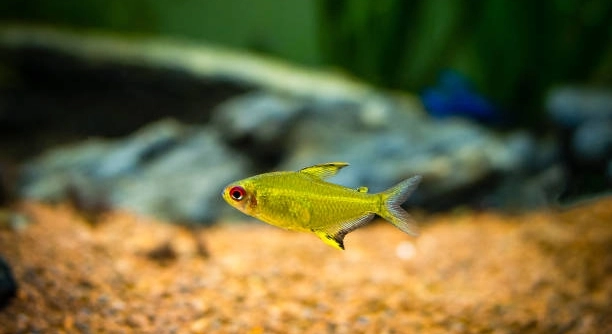
Caring for lemon tetra thrives when their tank setup reduces stress and supports natural behavior. A simple approach to selecting designs can create a peaceful home. With the right structure, these small fish enjoy stability.
The most effective way to reduce stress in lemon tetra is by choosing tank designs that prioritize open swimming space, consistent water parameters, and shaded areas. These elements support calm behavior, stable social interactions, and improved health in their habitat.
These simple choices shape a calmer setting for your lemon tetra, offering comfort that encourages natural activity and supports wellbeing.
Natural Plant Layouts
A natural plant layout creates a calming space for lemon tetra, offering shade, shelter, and gentle structure that keeps them comfortable. I like how simple plants can shape a softer environment that eases stress without adding complications. Using a mix of rooted plants and floating varieties helps form layers that feel safe for small fish that enjoy moving through vegetation. Balanced planting also breaks up lines of sight, lowering tension in groups and keeping activity relaxed. Tall stems at the back give the tank height, while shorter plants in the front maintain open areas for swimming. Floating plants dim bright light, helping sensitive fish feel more secure. When arranged with care, plants support smoother interactions and create a layout that encourages healthy behavior. This approach keeps maintenance manageable, and once everything settles, it forms a stable setting where lemon tetra can move freely and rest comfortably, supported by natural structure.
This type of layout supports calm behavior by giving lemon tetra steady cover and soft light that reduces sudden reactions. It shapes a space that feels gentle and stable, letting them swim with ease. The balanced structure also keeps movement smooth throughout the tank, enhancing overall comfort in their habitat.
Arranging plants in sections helps shape a calm pattern that lemon tetra respond to well. I prefer placing tall plants in small groups rather than long rows, since it keeps the layout softer and breaks up hard lines. Floating plants add a gentle layer that softens light without blocking movement. Combining these elements keeps stress low, especially for fish that rely on shaded zones for comfort. When planned thoughtfully, this structure offers stability that supports natural schooling behavior. The result is a planted layout that feels peaceful, easy to maintain, and balanced enough to keep activity consistent throughout the tank.
Soft Flow Filtration
Soft flow filtration keeps lemon tetra comfortable by preventing strong currents that push them around. A gentle output allows steady movement without forcing constant adjustment. This setup protects fins, preserves calm behavior, and maintains a stable environment that supports relaxed swimming patterns throughout the tank for their daily comfort needs.
A soft flow filtration system is essential for keeping lemon tetra at ease since these small fish prefer gentle movement that mirrors their natural environment. Strong currents can lead to stress, uneven swimming patterns, and unnecessary energy use, so reducing water force is an important part of maintaining stability. I find that using a sponge filter or adjusting the output of a hang on back filter creates a calmer space that still supports proper filtration. Positioning the outflow near a wall or behind plants helps soften movement even further. This approach minimizes disruption in schooling behavior and keeps interactions smooth. It also protects delicate fins by preventing constant resistance against fast water. A gentle flow helps maintain consistent circulation without overwhelming the tank, ensuring healthy oxygen exchange and debris removal. When combined with stable water parameters, soft flow filtration gives lemon tetra a peaceful environment that encourages natural activity. This setup stays easy to maintain, promotes comfort, and helps avoid stress related issues that can appear in tanks with stronger currents. Creating this type of flow supports a balanced habitat where lemon tetra can thrive without feeling pressured by unnecessary movement in any well planned aquarium setup that values stability.
Driftwood and Root Structures
Driftwood and root structures create shaded areas that help lemon tetra feel safe and settled. These pieces soften open spaces and make the tank feel more secure. I like how they add calm pockets that reduce sudden movements and keep the overall environment steady for daily activity.
Using driftwood in a thoughtful layout supports smoother behavior by offering hiding spots that lessen stress in schooling groups. Placing wood at angles creates gentle tunnels without blocking the main swimming path. I prefer choosing pieces with natural curves since they blend well with plants and help maintain a soft look. Root structures also break up bright light, giving lemon tetra comfortable areas to rest. When anchored well, these additions stay stable and shape a peaceful layout that stays easy to maintain. This approach enhances comfort without interfering with water flow, creating sections that support quiet movement and steady social patterns.
A mix of driftwood and root structures helps establish a secure environment that supports natural behavior. Positioning them along the sides of the tank keeps the center open while still offering sheltered spots. I find that darker wood tones help soften harsh lighting and make the tank feel calmer. These elements also create visual breaks that reduce tension within the group, supporting calmer interactions. When paired with gentle filtration, they form a stable space where lemon tetra can glide comfortably and rest when needed. This setup remains simple to clean and provides long term benefits for overall stability.
Leaf Litter Zones
Leaf litter zones support calm behavior by creating soft cover and muted tones that lemon tetra naturally respond to. The scattered leaves also help shape a peaceful setting that encourages gentle movement. I like how these zones stay low maintenance while still offering valuable comfort and stability.
A leaf litter zone adds a natural layer that enhances security and softens the tank’s appearance. I prefer using almond or magnolia leaves since they release mild tannins that create slightly tinted water, reducing bright glare. Spreading the leaves in a thin layer keeps the bottom clear for swimming without causing clutter. These areas provide tiny resting pockets that help lemon tetra slow down when they need to. The gentle cover lowers stress by breaking up open spaces and forming calm sections that support smooth schooling behavior. When refreshed regularly, this setup stays clean and stable, offering long lasting comfort to the fish.
Rock Caves and Sheltered Corners
Rock caves and sheltered corners help lemon tetra feel more secure by giving them quiet places to pause during active periods. I like arranging smaller stones in soft shapes that avoid sharp edges. These areas create steady comfort, lowering tension and keeping movement smoother throughout the tank each single day.
These formations guide gentle movement and prevent sudden reactions by offering dependable cover. I prefer placing them along the sides so the center stays open. The balanced layout supports natural schooling, reduces light exposure, and builds a calm structure that stays simple to maintain in a steady aquarium each day.
Shaded Floating Cover
Shaded floating cover helps lemon tetra relax by reducing harsh lighting and giving them gentle overhead shelter. I like using floating plants in small clusters since they soften bright light without blocking swimming space. This setup encourages smoother schooling and prevents startled reactions, especially in active tanks. The leaves create natural dimming that eases stress and supports steady behavior. When arranged loosely, the cover stays open enough for proper gas exchange while still offering consistent comfort. Maintaining this layer is easy, and replacing individual plants keeps the zone fresh. The calmer lighting supports long term stability and improves overall wellbeing.
Wide Open Swimming Space
Wide open swimming space keeps lemon tetra active and relaxed by giving them room to glide without obstacles. I like clearing the center of the tank so their schooling remains smooth. This open path reduces stress, supports steady patterns, and keeps their daily movement comfortable and consistent each and always.
What is the ideal tank size for lemon tetra?
The ideal tank size for lemon tetra is generally 20 gallons or larger. I prefer using a slightly bigger tank if possible since these small fish are active swimmers and thrive in open spaces. A larger tank also makes maintaining water parameters easier, which reduces stress and supports steady behavior. Grouping them in schools of six or more in such tanks ensures natural schooling patterns. A taller tank isn’t necessary, but length and width that allow free movement are important. This size also provides enough space for plants, driftwood, and other structures without overcrowding, creating a balanced and calm environment for daily activity.
How many lemon tetra should be kept together?
Lemon tetra are schooling fish and do best in groups of six or more. I usually keep at least eight to ten in a home tank since small groups can lead to skittish behavior and stress. Larger schools create smoother interaction patterns, encourage natural swimming behavior, and reduce aggressive tendencies within the group. These fish feel more secure in numbers, especially when shaded areas and open swimming space are available. Smaller numbers often hide excessively or dart nervously. By keeping a stable group, the social environment becomes predictable, lowering tension and supporting overall comfort in their daily habitat.
What water parameters are best for lemon tetra?
Lemon tetra prefer slightly acidic to neutral water with a pH of 5.5–7.0. I monitor temperature between 72–79°F since they are sensitive to sudden changes. Stable water hardness around 2–10 dGH helps prevent stress. Consistent filtration and regular partial water changes keep these parameters steady. Tannins from driftwood or leaf litter can mildly soften water, which mimics their natural environment. Avoiding drastic swings in temperature, pH, or hardness keeps lemon tetra calm and reduces disease risk. Testing water regularly and making gradual adjustments when needed helps maintain a reliable habitat that supports schooling behavior and long-term health.
What plants work best for a lemon tetra tank?
I recommend a mix of rooted plants, tall stem plants, and floating varieties. Stem plants like Hygrophila and Cabomba provide vertical structure, while shorter plants such as Cryptocoryne create low cover near the bottom. Floating plants like frogbit or Amazon frogbit soften light and offer gentle shaded zones. This combination supports calmer movement, reduces sudden reactions, and gives resting areas. Dense planting along the back and sides maintains open swimming space in the center. Plants also provide natural filtration benefits, improve oxygen levels, and support a balanced environment. Regular trimming keeps the tank tidy and ensures lemon tetra always have accessible spaces to swim and hide.
Do lemon tetra need hiding spots?
Yes, hiding spots are important for lemon tetra to feel secure. I like using driftwood, root structures, and rock caves to create calm zones. Small fish are naturally cautious, and these sheltered areas reduce stress by breaking up lines of sight and softening bright light. Hiding spots also help weaker or more timid individuals feel safe while schooling. Floating plants or leaf litter provide additional cover, creating shaded areas without blocking swimming paths. These zones should be arranged so the tank remains open in the center while offering consistent, reliable protection at the edges. This balance reduces tension and encourages natural activity throughout the day.
How do I prevent aggression in a lemon tetra tank?
Aggression is usually minimal when lemon tetra are kept in proper schools and provided enough swimming space. I prefer maintaining a group of at least six to ten, avoiding overcrowding or small tanks. Adding shaded zones, plants, and driftwood helps diffuse potential conflicts and lowers stress. Keeping water parameters stable and avoiding sudden changes also prevents erratic behavior. Compatibility with peaceful tank mates reduces tension further. Providing open areas for swimming alongside secure shelters ensures each fish has room to retreat when needed. Consistency in the environment keeps social interactions predictable and smooth, reducing stress-related squabbles over time.
How often should water be changed in a lemon tetra tank?
I change 20–25% of the water weekly to maintain stable parameters. Regular partial changes remove waste and prevent toxin buildup, which is essential for the health of small schooling fish. Overdoing water changes can stress them, while neglecting it causes sluggish behavior and potential illness. Using dechlorinated water at the same temperature keeps the environment stable. Leaf litter and plant debris should be gently removed to maintain cleanliness without disturbing the tank too much. A consistent routine of partial water changes ensures lemon tetra remain active, comfortable, and free from sudden stress caused by poor water quality.
Can lemon tetra live with other fish?
Lemon tetra are peaceful and adapt well to community tanks with similarly small, non-aggressive fish. I keep them with species like rasboras, small tetras, or peaceful bottom dwellers. Avoid larger, aggressive fish that might chase or stress them. Proper tank design with hiding spots, open swimming space, and gentle water flow ensures harmonious cohabitation. Schools of lemon tetra maintain their natural behavior even in a community setting when other fish respect their swimming patterns. Monitoring interactions initially helps ensure compatibility, while proper tank layout reduces territorial disputes and supports a stable, calm environment for all species.
Do lemon tetra need special lighting?
Lemon tetra do best under moderate lighting that mimics their natural environment. I prefer using a soft LED or fluorescent light with floating plants to diffuse brightness. Too much direct light can cause stress, while low light supports calmer activity. Light also encourages plant growth, which contributes to a stable and natural tank layout. Providing shaded zones with floating plants or driftwood helps create comfortable areas where fish can rest. A consistent day-night cycle supports schooling patterns and general wellbeing. Adjusting light gradually when making changes avoids startling the fish and helps maintain steady behavior throughout the tank.
How can I encourage natural schooling behavior?
I encourage natural schooling by maintaining groups of six or more lemon tetra and providing wide open swimming space. Structured plants, shaded zones, and gentle water flow support smooth, synchronized movement. Hiding spots reduce tension, allowing individuals to join the group confidently. Stable water parameters and calm lighting also reinforce predictable activity patterns. Arranging plants, driftwood, and leaf litter strategically creates both cover and open areas that guide schooling behavior naturally. Avoiding sudden changes or aggressive tank mates ensures fish feel secure and swim together comfortably. Over time, consistent care fosters stable social interactions and a peaceful, cohesive school that thrives in a low-stress environment.
How do I maintain a low-stress tank overall?
Maintaining a low-stress tank involves stable water parameters, gentle filtration, and balanced layout with plants, driftwood, and open swimming zones. I prioritize hiding spots, floating cover, and leaf litter to reduce tension. Regular maintenance, gradual changes, and peaceful tank mates keep lemon tetra calm. Stable lighting, consistent feeding, and steady routines contribute to long-term comfort. Observing fish behavior allows adjustments to further improve security and reduce sudden reactions. Combining all these elements creates a tank that supports natural schooling, reduces stress, and encourages healthy activity patterns. Consistency and attention to detail ensure a peaceful, thriving environment over time.
Creating a comfortable environment for lemon tetra is largely about balancing structure and open space. Providing plants, driftwood, and rocks gives them hiding spots that reduce stress while still leaving areas for swimming freely. I find that arranging taller plants at the back, shorter plants in the front, and floating plants near the surface works best to create layers that feel natural. Adding driftwood and roots helps soften hard lines and adds visual breaks that make the tank feel calmer. Leaf litter or shaded areas from floating plants also contribute to a gentle atmosphere. These simple elements, when combined thoughtfully, allow lemon tetra to move confidently and maintain natural schooling patterns. Maintaining a balance between cover and open swimming space is key to supporting their wellbeing and keeping their behavior predictable and relaxed.
Stable water parameters are equally important for a low-stress tank. Lemon tetra are sensitive to sudden changes in temperature, pH, and hardness, so keeping these consistent is essential. I monitor water weekly and perform partial changes to maintain cleanliness and stability without disrupting the environment. Gentle filtration with soft water flow supports smooth movement and prevents the fish from struggling against strong currents. Using plants and floating cover to soften light also reduces stress. By paying attention to these factors, the tank becomes a predictable and safe environment. Stability in water quality, flow, and lighting encourages lemon tetra to swim, interact, and rest naturally without unnecessary tension or fear. These small, consistent measures help create a setting where their health and behavior remain steady over time.
Regular observation and small adjustments make a big difference in long-term success. Watching how lemon tetra interact with one another and their surroundings provides insight into whether hiding spots, open areas, or shaded zones need adjustment. I adjust decorations gradually and avoid sudden changes to keep the tank peaceful. Schooling patterns, activity levels, and stress signals can all indicate whether the tank setup meets their needs. Over time, maintaining structure, space, and stability becomes second nature, creating a habitat where lemon tetra thrive naturally. A tank designed with attention to calm areas, open swimming paths, gentle filtration, and consistent water conditions provides a safe and steady environment. This approach supports healthy, low-stress behavior, allowing these small, active fish to flourish and enjoy their habitat for years.

Hello,
If you enjoy the content that we create, please consider saying a "Thank You!" by leaving a tip.
Every little bit helps us continue crafting quality advice that supports the health, happiness, and well-being of pets around the world, for pets of all shapes, sizes, and species.
We really appreciate the kindness and support that you show us!