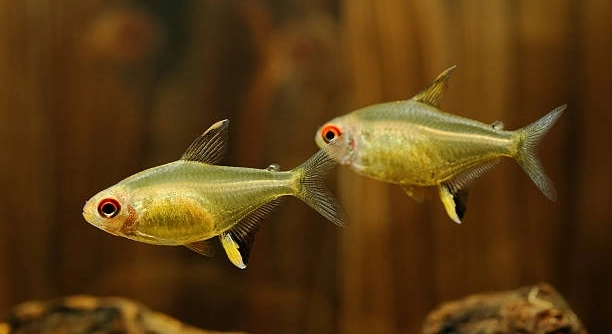
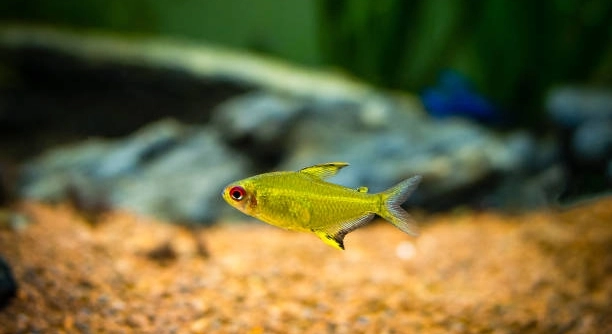
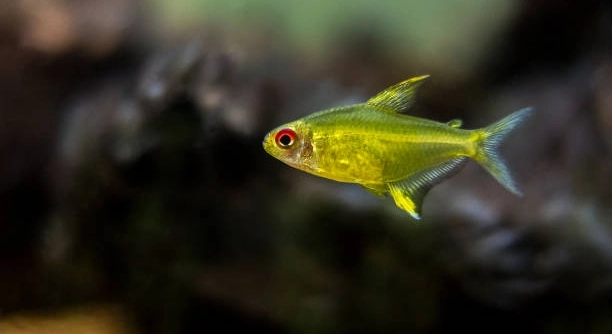
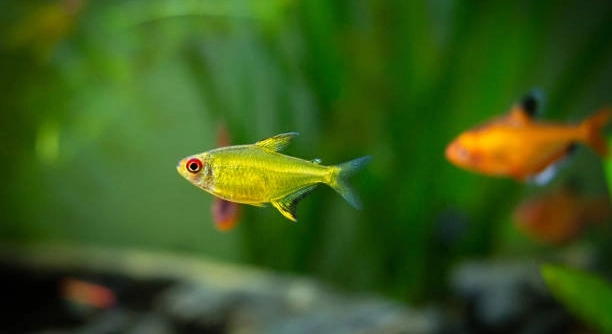
7 Substrate Types Lemon Tetra Prefer

Lemon tetras are small, lively fish that brighten any aquarium with their yellow hues. Choosing the right substrate is important for their comfort and overall health, as it can affect water quality and their natural behavior. Proper substrate helps maintain a balanced environment for them to thrive. Lemon tetras prefer substrates that are fine, smooth, … Read more
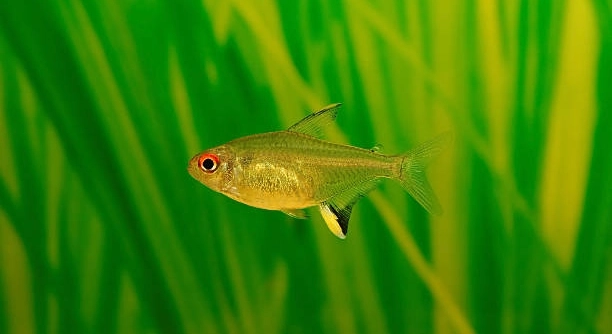
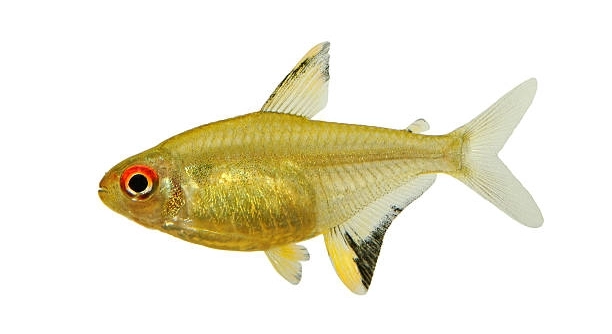
7 Water Changes That Shock Lemon Tetra

Have you ever wondered why small changes in your aquarium leave your lemon tetra uneasy or stressed? These sensitive fish react quickly to shifts, even when those adjustments seem sometimes harmless to your tiny tank. Sudden changes in temperature, pH, hardness, or water chemistry can shock lemon tetra by disrupting homeostasis. These disruptions strain physiological … Read more

Can Lemon Tetra Thrive in Smaller Tanks?

Have you ever set up a small aquarium and wondered if your Lemon Tetra would be happy inside it? These tiny, bright fish are popular for their peaceful nature and striking yellow color, making them a favorite choice. Lemon Tetras can survive in smaller tanks, but their overall health and social behavior may be compromised. … Read more

7 Simple Enrichment Ideas for Lemon Tetra

Keeping lemon tetras happy requires more than just clean water and proper feeding. These small, active fish thrive in environments that offer stimulation and opportunities to explore safely. Enrichment helps reduce stress and encourages natural behaviors. Simple enrichment for lemon tetras includes adding live or artificial plants, floating decorations, gentle water currents, varied hiding spots, … Read more

Do Lemon Tetra React to Movement?

Do you ever find yourself watching your lemon tetra swim and wondering if the movement around their tank affects how they behave? These small, bright fish can sometimes seem alert to even the slightest shift nearby, creating gentle curiosity. Lemon tetra respond to movement because their sensory systems are highly developed and sensitive to changes … Read more

Do Lemon Tetra Form Friendships With Each Other?

Have you ever noticed your Lemon Tetras swimming together in your aquarium and wondered if they enjoy each other’s company? These small, bright fish often move in groups, creating a lively and colorful display. Observing their interactions can be quietly fascinating. Lemon Tetras do form social bonds and exhibit friendly behaviors with one another. They … Read more

Why Is Only One Lemon Tetra Acting Odd?

Lemon tetras are generally peaceful, schooling fish that swim together in harmony. Occasionally, one may display unusual behavior, drawing attention from its tank mates and owners. Observing these small fish can reveal subtle signs of stress or illness. A single lemon tetra acting oddly is often due to illness, stress, or environmental factors. Changes in … Read more

7 Mistakes That Scare Lemon Tetra Daily

Keeping lemon tetras happy requires attention to detail in their daily care routines. Many owners unintentionally create stress for their fish, which can affect their health and behavior. Small mistakes can have big consequences over time. Frequent mistakes that scare lemon tetras include sudden changes in water conditions, improper tank decoration, overfeeding, incompatible tankmates, poor … Read more

7 Signs Lemon Tetra Are Lacking Oxygen

Lemon tetras are lively, colorful fish that brighten up any aquarium. Watching them swim gracefully can be relaxing, but their behavior often reveals a lot about the water conditions in their tank. Lemon tetras lacking oxygen may exhibit rapid gill movement, lethargy, gasping at the surface, clustering near water flow, faded color, erratic swimming, or … Read more

7 Ways Lemon Tetra React to Stress

Lemon tetras are small, vibrant fish that brighten up any freshwater tank. Observing their behaviors can reveal a lot about their wellbeing and environment. Recognizing stress in these fish helps maintain a healthier aquarium ecosystem. Lemon tetras exhibit stress through physical and behavioral changes, including color fading, erratic swimming, hiding, reduced appetite, and increased aggression. … Read more