
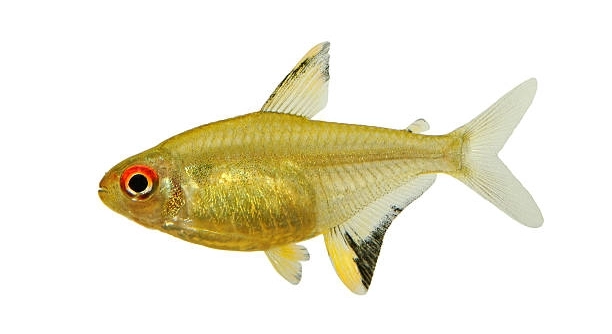
Have you ever wondered why small changes in your aquarium leave your lemon tetra uneasy or stressed? These sensitive fish react quickly to shifts, even when those adjustments seem sometimes harmless to your tiny tank.
Sudden changes in temperature, pH, hardness, or water chemistry can shock lemon tetra by disrupting homeostasis. These disruptions strain physiological processes, weaken immune response, and induce stress behaviors. Consistent parameters and gradual adjustments reduce risk and support stable biological conditions.
These insights highlight how simple changes affect your lemon tetra, creating a smoother path toward safer and more stable care.
Temperature Shifts During Water Changes
Temperature shifts during water changes can unsettle lemon tetra quickly, especially when the difference between old and new water is more than a few degrees. Their small bodies react fast to any cooling or warming, creating immediate stress that shows in color loss or jittery swimming. When temperature changes too rapidly, their internal functions struggle to keep up, leading to weakened resistance and a higher chance of health problems. Even slight fluctuations repeated often can cause lingering tension in their environment, making them less active over time. Using properly matched water and adjusting your routine carefully helps keep them balanced. A steady approach supports their comfort, stabilizes their behavior, and limits unnecessary disturbances that might affect their long term well being. Consistent care with slow changes reinforces their sense of safety in the tank, helping them maintain healthy patterns. Over time, these stable conditions promote smoother interactions among the group.
Small temperature mismatches add up quickly, creating repeated strain on their system and lowering overall stability in the tank. Keeping every change slow and measured reduces these effects, giving your lemon tetra steady conditions that support calm behavior and better long term health through each part of their daily routine.
Matching temperatures during every water change builds a stable base for your lemon tetra as they navigate their daily environment. Their sensitivity makes consistency especially important, since even brief dips or rises can interrupt normal patterns and slow recovery after stress. With smoother transitions, they respond with brighter coloration and more natural schooling. Careful habits also prevent repeated strain that can affect feeding, rest, and general movement. Over time, these steady conditions help shape a calmer tank where your lemon tetra feel secure. Setting a routine that respects their limits allows them to stay balanced with minimal disruption each day.
pH Swings During Water Changes
Sudden pH shifts can disrupt delicate balance in your lemon tetra, causing immediate stress that affects color, movement, and appetite. These changes alter how their bodies manage essential functions, creating tension that becomes more noticeable when fluctuations happen often or reach extreme levels too quickly within the tank environment itself.
Maintaining steady pH during water changes is essential for keeping lemon tetra comfortable, since even slight swings can influence their overall stability. Their bodies depend on consistent conditions to regulate breathing, energy use, and immune response, so rapid or repeated changes place extra weight on these processes. When water with a different pH enters the tank too fast, it can irritate their gills and limit their ability to adjust, which leads to restless swimming or hiding. Gradual adjustments help them adapt without sudden stress, allowing their internal systems to settle naturally. Using preconditioned water, testing regularly, and avoiding drastic shifts supports smoother transitions that protect their health. A stable pH also encourages stronger schooling patterns, brighter coloration, and steady feeding behavior throughout the day. This balanced environment reduces long term stress and lowers the chance of recurring problems that might develop from inconsistent care. By giving attention to pH control during every change, you create a safer space where your lemon tetra can thrive with fewer disruptions. These mindful practices strengthen daily stability in the tank, supporting reliable activity and gentle movement from morning until night. Over time, steady maintenance builds predictable conditions that keep your lemon tetra relaxed and active.
Hardness Fluctuations During Water Changes
Hardness fluctuations affect how lemon tetra regulate internal balance, making sudden increases or decreases stressful for their system. These shifts can interfere with normal behavior, reduce activity, and influence how well they manage daily changes within the tank when water conditions move outside their comfort range.
Stable hardness helps maintain healthy function in lemon tetra, since abrupt adjustments can irritate their gills and weaken their natural resistance. When mineral levels rise or drop too fast, their bodies struggle to process the difference, leading to dull coloration, hesitation in schooling, and reduced appetite. Gradual consistency is essential, as repeated disruptions strain their ability to adapt. Using conditioned water with matched hardness supports smoother transitions and prevents unnecessary stress. Careful monitoring helps keep the tank predictable, reducing problems caused by unexpected swings. With steady mineral levels, lemon tetra show calmer swimming and more reliable feeding patterns throughout the day.
Maintaining suitable hardness during water changes supports the biological stability your lemon tetra depend on. Their sensitivity makes them react quickly to mineral shifts, especially when they happen often or reach extreme levels. Controlled adjustments help protect their immune function and allow them to move comfortably. Over time, this reduces long term stress and encourages healthier interactions within the group. Keeping hardness within a consistent range also supports clear coloration and steady growth. By avoiding sudden disruptions, you create an environment where your lemon tetra respond naturally, adjusting with fewer setbacks and maintaining stable daily routines.
Chlorine and Chloramine Residue
Chlorine and chloramine residue can irritate delicate tissues in lemon tetra, making water changes uncomfortable when untreated tap water enters the tank. These chemicals affect breathing, stress levels, and general movement, especially when exposure happens repeatedly without proper conditioning beforehand.
Using a reliable water conditioner removes chlorine and chloramine efficiently, helping your lemon tetra avoid irritation from these additives. Their gills are sensitive, so direct exposure can trigger rapid breathing, unusual hiding, or color loss. Proper treatment supports cleaner transitions during water changes and prevents issues caused by chemical contact. When water is fully conditioned, it becomes easier for them to settle back into normal patterns. Maintaining this habit protects their long term well being and keeps them active. Over time, consistent treatment encourages smoother swimming, steadier feeding, and a more relaxed environment. Regular care reduces unnecessary strain, helping your lemon tetra feel secure with each change, while supporting overall stability in the tank.
Sudden Water Level Drops
Sudden water level drops create fast pressure changes that unsettle lemon tetra, making them swim erratically as they adjust. These shifts interrupt their sense of stability and expose them to stress that becomes more noticeable when the change is severe or repeated often during routine maintenance.
Abrupt reductions also disturb the tank layout, affecting shelter spots and altering how they navigate their space. This disruption makes them cautious and less willing to move confidently. Keeping water level adjustments slow and steady helps maintain calm behavior and reduces unnecessary tension during each change.
Strong Current Changes After Refills
Strong current changes after refills push lemon tetra into stressful patterns, especially when flow increases too quickly. Their small bodies struggle against sudden movement, causing them to hide or drift unevenly. Steady flow control prevents exhaustion, helps them swim comfortably, and keeps their environment predictable throughout the process.
Sudden Increases in Dissolved Oxygen
Sudden increases in dissolved oxygen can disturb their normal rhythm, making them breathe faster and react with jittery movement. Smoother aeration control keeps oxygen levels from rising too quickly, helping your lemon tetra maintain steady behavior during and after water changes.
FAQ
Why do lemon tetra react so strongly to sudden water changes?
Lemon tetra have delicate systems that respond quickly to environmental shifts, especially when changes happen all at once. Their small size makes them sensitive to disruptions in temperature, pH, hardness, and overall chemistry. When these adjustments occur too quickly, their bodies struggle to maintain balance, leading to visible stress signs such as jittery swimming, dull coloration, or hiding. Gradual changes help them adapt without overwhelming their internal processes. This approach supports stable patterns throughout the day, giving them a comfortable environment where they can regulate themselves naturally. Slow and controlled water care allows them to settle with fewer complications.
How often should water changes be performed to avoid shocking lemon tetra?
Smaller, frequent water changes are easier on lemon tetra compared to large, infrequent ones. Replacing a modest amount each week keeps conditions steady without exposing them to abrupt shifts. Their bodies handle slight adjustments more comfortably, since smaller changes prevent dramatic swings in temperature or chemistry. Routine maintenance builds an environment where they can predict the flow of their days, reducing long term stress. Keeping a consistent schedule also helps prevent buildup of waste or byproducts that could add extra strain. When handled gently, regular water care becomes a smooth part of their natural rhythm.
What temperature difference is safe during water changes?
Lemon tetra benefit most from water that matches the tank temperature closely. Even a few degrees of difference can disrupt their comfort, since their bodies respond quickly to cooling or heating. Using a thermometer to check both the tank and the replacement water helps prevent sudden shifts. Careful matching keeps their metabolism steady and avoids unnecessary tension. This protects their behavior, feeding, and movement from being thrown off by abrupt transitions. With steady temperatures, they stay active and display brighter coloration, reflecting a calm and stable environment.
Can pH swings cause long term issues for lemon tetra?
Repeated pH swings can weaken lemon tetra over time, especially when the changes happen quickly. Their gills and internal systems depend on balanced conditions to function naturally. Rapid shifts can irritate sensitive tissues, leading to breathing changes, reduced activity, or hiding. Consistent pH helps maintain strong immune function and stable movement. Regular testing and gradual adjustments keep their environment from becoming unpredictable. By avoiding sudden swings, you support long term health and create conditions where they can grow and behave normally without constant stress.
Do chlorine and chloramine always need to be removed before adding new water?
Yes, these chemicals must be removed because they irritate delicate tissues and make breathing uncomfortable for lemon tetra. Even low levels can trigger restlessness or mild distress. Using a conditioner ensures the water becomes safe before reaching the tank. This step supports calm transitions and protects their gills from unnecessary contact with harmful additives. When this habit becomes part of routine care, lemon tetra adjust more peacefully during each change, showing steadier swimming and consistent appetite afterward.
Are strong currents after refilling the tank harmful?
Strong currents can overwhelm lemon tetra, causing them to struggle or hide until the flow settles. Their small size makes them sensitive to sudden movement, especially when it comes from a refill that increases flow too quickly. Managing the current helps them swim with ease and prevents exhaustion. Adjusting equipment temporarily or refilling gently prevents stress and keeps their environment predictable. By maintaining a softer flow during water changes, you allow them to move naturally and regain comfort without disruption.
What signs show that a lemon tetra is stressed after a water change?
Common signs include rapid breathing, dull coloration, hiding, jittery movement, or breaking from normal schooling patterns. These reactions indicate that something in the change was too abrupt for their system to handle. Recognizing these behaviors early helps adjust your routine for future care. Gentle shifts in temperature, pH, hardness, and flow reduce these stress responses. When changes are handled smoothly, lemon tetra return to natural movement, brighter coloration, and steady activity without lingering tension.
Can avoiding sudden water level drops help lemon tetra feel safer?
Yes, keeping water level adjustments gradual helps them stay calm. Sudden drops alter pressure and disrupt their sense of structure in the tank. When handled slowly, they adjust with less fear and maintain a stable pattern of movement. Over time, gentle care creates a predictable environment where they feel secure.
Final Thoughts
Keeping lemon tetra comfortable during water changes depends on creating a stable routine that respects their sensitivity. They respond quickly to unexpected shifts, so gentle care becomes the foundation of their well being. Each adjustment you make influences how they behave, how they rest, and how they interact with the rest of the group. When the tank remains steady, they show brighter colors, smoother swimming, and consistent feeding patterns. This stability comes from understanding how temperature, pH, hardness, flow, and chemical treatments affect their daily life. With calm transitions and careful monitoring, you support an environment where they feel secure. This approach helps prevent problems that often develop from abrupt changes, allowing them to maintain a natural rhythm. Giving attention to small details creates a space that encourages steady activity and peaceful behavior every day.
Water changes can be simple when you understand how each step affects their comfort. Using matched water reduces sudden stress, keeping their movement smooth and controlled. Preconditioning the water removes harmful chemicals that would otherwise irritate their gills. Softening the flow prevents them from becoming overwhelmed, and slow adjustments ease them into new conditions without pushing their limits. Watching for small shifts in their behavior helps you recognize what they need before issues grow. Their reactions offer clear signals, showing when something is off or when the environment is balanced. With steady care, their schooling patterns become more natural, and they settle into their space without hesitation. These small habits make each water change more predictable for both you and the fish, leading to better long term health. Consistency becomes a steady force that supports every part of their life inside the tank.
Providing gentle maintenance shapes a healthier environment where your lemon tetra can grow with confidence. Their sensitivity is not a weakness but a reminder of how important stable conditions are in a closed aquatic space. Careful handling prevents unnecessary strain and keeps their internal balance steady. Over time, your routine becomes easier because the tank responds better when disturbances are kept to a minimum. Your lemon tetra benefit from this calm approach, showing clearer color, steady energy, and more relaxed movement. By respecting their limits and making thoughtful decisions during each water change, you create a supportive space that encourages natural behavior. This is how you build a tank that stays balanced, steady, and welcoming for your lemon tetra, allowing them to thrive day after day with fewer disruptions.

Hello,
If you enjoy the content that we create, please consider saying a "Thank You!" by leaving a tip.
Every little bit helps us continue crafting quality advice that supports the health, happiness, and well-being of pets around the world, for pets of all shapes, sizes, and species.
We really appreciate the kindness and support that you show us!