
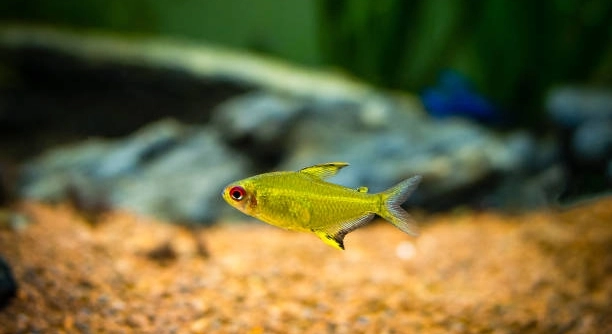
Do you ever find yourself watching your lemon tetra swim and wondering if the movement around their tank affects how they behave? These small, bright fish can sometimes seem alert to even the slightest shift nearby, creating gentle curiosity.
Lemon tetra respond to movement because their sensory systems are highly developed and sensitive to changes in their surroundings. Sudden or frequent motion near the aquarium can prompt alertness or shifts in schooling behavior, reflecting natural instincts shaped by their environment.
These subtle responses reveal more about how they sense the world and what influences their comfort in a shared space.
Understanding How Movement Influences Lemon Tetra
Lemon tetra rely on smooth, predictable surroundings, and movement near their tank can shift their comfort level fast. Their sharp senses make them aware of changes that might seem small to us, but meaningful to them. When someone passes by or adjusts decorations, they often adjust their swimming pattern or tighten their school. These shifts help them feel secure, especially when something unexpected happens. Their natural behavior in the wild depends on quick reactions, and those instincts stay active in an aquarium. By watching how they respond, you can notice patterns that show when they feel relaxed or when something startles them. With consistent care and minimal disturbances, they settle into a rhythm that keeps them active and bright. Their peaceful nature becomes more noticeable when their environment stays balanced and steady. Even gentle movement around the tank can create slight changes, so a calm space supports their overall wellbeing.
Lemon tetra tend to react to movement because it signals possible changes in their environment. Soft motions rarely disturb them, but quick or repeated ones can prompt a brief alert response.
When you understand how they interact with motion, it becomes easier to support their comfort. Their reactions teach you when the tank needs adjustment, when something nearby is too disruptive, and when they feel safe. Creating a predictable environment often brings out their natural charm, encouraging steady schooling and calm swimming patterns. This helps them thrive and makes your aquarium feel more peaceful.
Common Behaviors Triggered by Movement
Lemon tetra often tighten their school, shift directions, or freeze briefly when movement catches their attention. These behaviors help them process changes and decide whether the motion around them feels safe.
A sudden shift near the tank can spark quick reactions that reflect their natural instincts. In the wild, movement often signals predators or environmental changes, so lemon tetra respond fast to protect themselves. In an aquarium, they use the same instincts, even when the motion is harmless. Fast hand movements, tapping, or shadows passing by can make them cluster together or speed up their swimming for a moment. If these motions happen too often, they may stay alert longer than necessary, which can affect their comfort. Keeping the area around the tank calm helps them settle into a steady routine. When they feel secure, they glide through the water with smoother motions and display brighter colors, reflecting a balanced environment where they can thrive.
Factors That Shape Their Reactions
Lemon tetra respond more strongly when movements are fast or unexpected, especially if they happen close to the tank. Slow or predictable motions usually cause mild changes, allowing them to stay calm and maintain steady schooling behavior.
Their reactions depend on how secure they feel within their setup. A tank with plenty of plants, stable lighting, and consistent routines helps them handle outside movement with less stress. When the environment is balanced, they assess changes more gradually and settle quickly. If the tank lacks hiding spots or has uneven lighting, they may react more sharply. Even small details like reflections or shifting shadows can influence their mood. Paying attention to these patterns helps you support their comfort. Over time, you may notice that they respond most calmly when the room stays quiet, and the tank layout remains familiar.
Another factor shaping their response is the presence of other tank mates. Peaceful neighbors help them stay relaxed, while overly active fish can keep them alert. Movement from equipment, like strong filters or sudden water flow changes, can also trigger brief reactions. By adjusting these elements, you can create a steadier environment. When they feel safe, their schooling becomes smooth, and their colors appear brighter. These small improvements help them move with ease, showing that their surroundings suit their natural habits.
Creating a Stable Environment
A stable space helps reduce sudden reactions, allowing lemon tetra to respond more gently to movement around them. Consistency in lighting, layout, and activity near the tank helps them settle into a calmer daily routine without frequent alertness.
A well arranged tank encourages natural behavior by offering comfort and protection. Dense plants, driftwood, and open swimming zones give them the balance they need to explore while still feeling secure. Using soft lighting reduces harsh reflections that might startle them. Keeping the tank away from busy walkways prevents constant disturbances, helping them adjust to predictable surroundings. When feeding and maintenance happen on a routine, they learn what to expect and react less strongly. Over time, these steady conditions help them become more confident, allowing their movements to stay smooth and relaxed. Supportive care not only eases stress but also brings out their gentle nature.
How Stress Levels Influence Their Responses
Stress makes lemon tetra react more sharply to movement, causing them to cluster tightly or swim with quick, uneven motions. When stress builds, even gentle shifts around the tank can trigger noticeable changes in their behavior.
Reducing stress helps them respond in a calmer way. Stable water parameters, soft lighting, and peaceful tank mates allow them to relax. With consistency, their reactions become smoother, and they settle more easily after noticing movement nearby.
Subtle Signs That Show Their Discomfort
Lemon tetra often display faint cues when something feels off, such as slight color fading, tighter schooling, or quick glances toward the movement. These small changes help you understand how they process their surroundings. By watching these patterns, you can adjust the tank or reduce activity near them to keep their environment steady.
Why Their Reactions Matter
Their responses give you helpful insight into how secure they feel each day, guiding you toward choices that support their comfort.
FAQ
Do lemon tetra always react to movement?
Lemon tetra do not react to every movement. They are more sensitive to sudden or fast motions close to the tank. Gentle or predictable movement is usually ignored, especially when they feel safe in a well-settled environment. Their responses depend on perceived threat levels and stress.
How can I tell if movement is stressing my fish?
Stress from movement shows in subtle ways. They may cluster tightly, freeze for a few seconds, swim rapidly, or change color slightly. Repeated startle responses or prolonged alertness often indicate that their environment is too active or unpredictable, signaling the need for calmer conditions.
Do all lemon tetra react the same way?
Not all lemon tetra react identically. Individual temperament, age, and past experiences influence responses. Younger or newly introduced fish may be more sensitive, while older, established fish often react less intensely to routine movements. Observing each fish helps identify patterns in their reactions.
Can their tank setup reduce sensitivity to movement?
Yes. Plants, hiding spots, and consistent lighting can make lemon tetra feel more secure. A balanced tank layout allows them to swim freely while retreating if they feel startled. Minimizing shadows and reflections also helps reduce unnecessary reactions, promoting calmer behavior overall.
Do other fish affect their response to movement?
Tank mates play a significant role. Peaceful fish can help lemon tetra stay calm, while aggressive or very active species may keep them alert. Reactions are often amplified when neighbors move rapidly or crowd them, making schooling behavior more tight and defensive.
Is feeding time affected by movement?
Yes. Sudden motion near the tank during feeding may cause hesitation or quick darting instead of calm eating. Predictable feeding routines help them feel safe and reduce stress. Over time, consistent handling allows them to associate movement with positive outcomes.
Does room activity impact lemon tetra behavior?
Activity around the tank, like walking past or sudden noises, can trigger brief alert responses. Regular, predictable activity has less impact than erratic or loud movement. Placing the tank away from busy areas helps them settle and reduces unnecessary stress responses.
How long do reactions to movement last?
Reactions are usually short-lived if the movement is minor. Lemon tetra often resume normal swimming within seconds. Prolonged or repeated disturbances can extend alertness, so maintaining a stable, calm environment is key to shortening stress episodes.
Can lighting changes influence reactions?
Lighting has a direct effect. Sudden brightness shifts, glare, or shadows can startle them, while soft, consistent lighting allows smoother reactions. Adjusting aquarium lights gradually during maintenance prevents unnecessary stress and promotes natural behavior patterns.
Are reactions stronger during certain times of day?
Yes. Lemon tetra may be more alert during feeding times or periods of natural activity. Early morning or late afternoon can show more pronounced responses. Observing their daily rhythm helps manage external factors and supports a stable environment for calmer reactions.
Does water quality affect sensitivity to movement?
Water quality directly impacts behavior. Poor conditions increase stress, making them react more sharply to movement. Maintaining proper temperature, pH, and cleanliness ensures they are relaxed, reducing the intensity and frequency of reactions to external stimuli.
Can reactions to movement indicate health issues?
Occasionally, abnormal or exaggerated responses may signal health problems. Lethargy, persistent darting, or loss of color combined with movement sensitivity could indicate stress, illness, or water quality issues. Monitoring both behavior and environment helps maintain their wellbeing.
How can I train them to tolerate movement?
Gradual exposure to gentle, predictable movement can help. Routine maintenance, feeding, and minimal disturbances build familiarity, reducing startle responses. Over time, lemon tetra learn that normal activity around the tank is not a threat, promoting smoother swimming and calmer behavior.
Do reflections or glass movements matter?
Yes. Reflections, shadows, or vibrations on the tank glass can cause reactions similar to real movement. Avoid frequent tapping, mirror reflections, or sudden changes near the glass. Subtle adjustments in room arrangement help reduce these false triggers.
Are reactions to movement temporary or permanent?
Generally, reactions are temporary and fade once the fish adjust to the environment. Persistent reactions usually indicate repeated disturbances or stress. Providing consistent care, predictable routines, and secure surroundings allows them to respond calmly over time, reinforcing their natural schooling and swimming behavior.
Lemon tetra are small, lively fish that respond noticeably to movement in and around their tank. Their reactions are part of their natural instincts, inherited from their behavior in the wild, where sudden motions could signal potential danger. Even though the movements near a home aquarium are harmless, their sharp senses remain active, and they will often show subtle responses. These can range from briefly clustering together, swimming quickly, or freezing in place. Understanding these responses helps you provide a calmer environment that supports their comfort and encourages natural swimming patterns. By paying attention to their behavior, it becomes easier to notice when something in their surroundings is causing stress and make small adjustments to help them feel secure.
The environment you provide has a strong influence on how lemon tetra react to movement. Elements like plants, hiding spots, stable lighting, and a consistent tank layout create a sense of security. Gentle and predictable motion around the tank tends to have little effect, while sudden or repeated disturbances can trigger alert behavior. The placement of the tank within the room also matters; areas with heavy foot traffic, loud noises, or constant activity may increase their sensitivity. Observing how your fish respond to minor changes gives insight into how comfortable they are with their surroundings. Maintaining steady water quality, temperature, and a healthy mix of tank mates further reduces stress and helps them display calmer, more relaxed behavior.
Over time, lemon tetra can adapt to routine movement when the environment is stable and predictable. Regular feeding times, gentle maintenance, and minimal disturbances allow them to associate activity near the tank with safety, which gradually reduces overreactions. Their schooling becomes smoother, their colors more vivid, and they demonstrate a balanced, healthy presence in the aquarium. While occasional reactions are natural and should be expected, consistent care and attention to their habitat ensure that these responses remain mild and short-lived. Supporting their comfort not only makes the tank more enjoyable to watch but also contributes to their long-term health, allowing them to thrive in a peaceful, well-structured environment.

Hello,
If you enjoy the content that we create, please consider saying a "Thank You!" by leaving a tip.
Every little bit helps us continue crafting quality advice that supports the health, happiness, and well-being of pets around the world, for pets of all shapes, sizes, and species.
We really appreciate the kindness and support that you show us!