
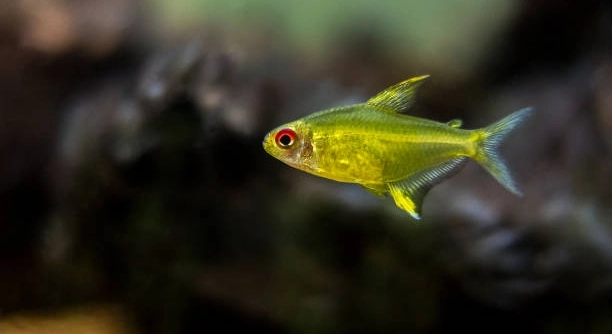
Lemon tetras are lively, colorful fish that brighten up any aquarium. Watching them swim gracefully can be relaxing, but their behavior often reveals a lot about the water conditions in their tank.
Lemon tetras lacking oxygen may exhibit rapid gill movement, lethargy, gasping at the surface, clustering near water flow, faded color, erratic swimming, or reduced feeding activity. Identifying these signs early helps maintain a healthy aquatic environment.
Recognizing these subtle changes can make a big difference in keeping your fish healthy and active in their home.
Rapid Gill Movement
When lemon tetras lack oxygen, one of the first things you may notice is their gills moving faster than usual. This is their body trying to take in more oxygen to compensate for the lower levels in the water. Rapid gill movement can happen even if the fish appear otherwise normal. It is often more noticeable when they are resting near plants or the tank bottom. Observing this behavior consistently indicates that the oxygen content in the aquarium might be insufficient. Addressing water flow, surface agitation, and filtration can help improve oxygen levels. Sometimes temperature changes or overstocking can also contribute to this behavior. It’s important to monitor the fish closely and make adjustments before the situation worsens. Quick action ensures your tetras stay healthy and active, preventing stress-related illnesses. A small improvement in the tank’s environment can significantly reduce this rapid gill movement and restore normal behavior.
Rapid gill movement is a clear sign your lemon tetras need more oxygen immediately.
Watching their gills speed up reminded me how sensitive these small fish can be. By increasing water circulation and adding plants that improve oxygen, I noticed them swimming more calmly and confidently. Even minor adjustments in tank conditions can quickly help them feel more comfortable. Maintaining a clean, well-oxygenated tank is key to avoiding prolonged stress that affects their health.
Gasping at the Surface
Lemon tetras gasping at the surface is a visible sign of low oxygen.
This behavior happens when the water near the top has slightly higher oxygen levels than the rest of the tank, prompting the fish to seek it out. Gasping is usually accompanied by erratic movement or lingering at the top for longer periods. Regular observation of the fish during feeding or resting times can help identify this pattern early. Adding aeration devices, adjusting temperature, and ensuring proper filtration can reduce surface gasping. Overcrowding or decaying plants can worsen oxygen shortages. It is important to react quickly because prolonged lack of oxygen can lead to more serious health issues, including lethargy and weakened immune response. Over time, improving water quality and circulation not only reduces gasping but also helps your tetras maintain vibrant colors and stable energy levels. Simple interventions can make a noticeable difference in their overall behavior. Proper tank maintenance ensures all fish have equal access to oxygen, preventing constant stress at the water surface.
Lethargy
Lemon tetras often become sluggish when oxygen is low. They may stay in one spot for long periods, avoiding swimming actively or exploring the tank.
I noticed my tetras resting near the tank bottom more than usual. Their movements became slow, and they seemed less interested in chasing food or interacting with each other. Lethargy is often subtle at first, making it easy to miss until it becomes pronounced. Poor oxygenation forces their metabolism to slow down, which directly affects energy levels. Regular observation is key, as early detection allows small adjustments to water flow, aeration, or plant placement to restore their vitality. By addressing these factors, I saw them gradually become more active and regain normal swimming patterns.
Lethargy can be more pronounced during warmer months or in crowded tanks. I increased aeration and rearranged decorations to encourage movement. Within days, the tetras swam more energetically, proving that small changes in their environment have a big impact on their daily behavior and overall health.
Clustering Near Water Flow
Tetras often gather near areas where water moves or air bubbles rise. This is their instinctive way to access more oxygen efficiently.
I’ve observed my lemon tetras hovering around the filter output or bubbler for long stretches. This clustering can be subtle, with only a few fish initially, but it often spreads as oxygen becomes limited. It indicates that the rest of the tank may have stagnant water, where oxygen is lower. Simple adjustments like repositioning filters, adding a small air stone, or trimming dense plants can improve water circulation. Ensuring even flow throughout the tank prevents this concentration behavior and supports balanced oxygen levels. Observing where your fish spend their time helps identify problem areas without complex testing.
Clusters near strong water flow can also stress the fish if left unchecked. When my tetras crowded one side of the tank, I realized the opposite end had very little movement. Adding a secondary flow source and moving ornaments to create open spaces improved circulation. The fish quickly spread out and resumed normal swimming, showing how strategic changes in flow can solve oxygen-related clustering without drastic interventions.
Faded Color
Low oxygen often causes lemon tetras to lose their bright yellow glow. Their bodies may appear dull or pale, especially along the sides and fins.
I noticed my tetras looking less vibrant after a week of warm, crowded tank conditions. Improving aeration slowly brought back their natural color.
Erratic Swimming
Lemon tetras with insufficient oxygen may swim unpredictably, darting in short bursts or changing direction frequently. This behavior is a stress response to low oxygen levels and can signal underlying water quality issues. I observed my tetras making sudden, jerky movements near the surface. They often paused and hovered briefly, then darted again, which wasn’t normal. Increasing water circulation and adding gentle aeration reduced these episodes. Dense decorations or lack of open swimming space can worsen erratic swimming. By rearranging plants and boosting oxygen levels, their movements became smoother and calmer. Consistent monitoring of tank conditions helps prevent recurring erratic swimming.
Reduced Feeding
Oxygen-deprived tetras often eat less, leaving food untouched. Reduced feeding can quickly affect their growth and energy levels.
FAQ
How can I tell if my lemon tetras are really lacking oxygen?
The most obvious signs are rapid gill movement, gasping at the surface, lethargy, clustering near water flow, faded color, erratic swimming, and reduced feeding. Watching your fish during different times of the day helps spot these behaviors. Sudden changes in activity or appearance often indicate stress from low oxygen levels.
What is the easiest way to increase oxygen in my tank?
Adding an air stone, adjusting the filter to increase surface agitation, or incorporating live plants that release oxygen can make a noticeable difference. I personally found that even a small air stone helped my tetras spread out and swim more calmly, reducing surface gasping.
Can temperature affect oxygen levels?
Yes. Warmer water holds less oxygen than cooler water. During summer months or when heaters are used, oxygen levels can drop quickly. I noticed my tetras became sluggish whenever the tank water was slightly warmer, even with regular filtration. Lowering temperature slightly or adding additional aeration often helped restore normal activity.
Does tank size matter for oxygen levels?
Definitely. Smaller or overcrowded tanks are more prone to oxygen depletion. My experience showed that increasing water flow and avoiding overstocking were crucial. Even well-maintained small tanks need constant monitoring because oxygen distribution can vary across different areas of the tank.
How often should I monitor oxygen levels?
Daily observation is ideal. Watch their behavior, movement patterns, and feeding habits. In my tank, even minor changes in gill movement or color signaled the need for adjustments. Simple visual checks can prevent serious health issues before they develop.
Are live plants helpful or harmful for oxygen levels?
Live plants can improve oxygen during the day but consume it at night. I found that balancing plant density and ensuring proper water flow minimized nighttime oxygen dips. Too many plants in stagnant areas can reduce oxygen instead of improving it. Choosing low-maintenance, fast-growing plants worked best in my tank.
Will improving oxygen fix all health issues?
Not always. Low oxygen can cause stress and make fish more susceptible to disease, but other water quality factors like ammonia, nitrites, and pH must also be maintained. After improving oxygen in my tank, I also tested water parameters to ensure the tetras were fully healthy.
Can I prevent oxygen depletion long-term?
Yes. Regular maintenance, proper tank size, balanced stocking, and consistent aeration all help. I schedule weekly water changes and check filter output, which keeps oxygen levels stable. Keeping an eye on seasonal temperature changes also prevents unexpected drops.
Is it okay to leave fish near the surface if they cluster there?
Clustering near the surface is a temporary response to low oxygen. I rearranged my tank’s flow and added an air stone to encourage them to explore the whole aquarium. Long-term reliance on surface areas can stress fish and reduce feeding efficiency.
How fast can tetras recover after oxygen levels improve?
Recovery can be quick if the problem is caught early. In my experience, tetras often regained normal color and activity within a day or two after adding aeration and improving water circulation. Persistent symptoms may require additional investigation of tank conditions.
Lemon tetras are small, delicate fish that depend on well-oxygenated water to stay healthy and active. Their behavior often gives clear signs when something is wrong, and oxygen levels are a common factor affecting their health. Rapid gill movement, gasping at the surface, clustering near water flow, and lethargy are all ways tetras respond to low oxygen. Even subtle changes, like slightly faded color or reduced feeding, can indicate that the aquarium conditions are not ideal. Paying attention to these signs is important because early action prevents stress-related illnesses and helps maintain a stable environment for the fish. Observing the tetras during different parts of the day can also reveal patterns that may otherwise be missed, such as clustering near bubbles in the morning or being unusually quiet in the evening.
Maintaining proper oxygen levels involves more than just adding an air stone or turning on a filter. Temperature, tank size, stocking density, and the presence of live plants all influence how much oxygen is available to the fish. Warmer water naturally holds less oxygen, and overcrowded tanks increase the demand, which can quickly lead to stress if not addressed. Even small adjustments can make a big difference, such as rearranging decorations to improve water flow, adding a secondary filter output, or trimming dense plants that block circulation. I have found that creating open swimming spaces encourages lemon tetras to explore more of the tank, reducing clustering at the surface and helping them feed normally. Consistency in tank maintenance, like regular water changes and monitoring water parameters, also supports stable oxygen levels and overall health.
Understanding these factors ensures that lemon tetras remain active, colorful, and strong. Oxygen is just one piece of the overall care puzzle, but it is a critical one. By monitoring fish behavior closely, adjusting water circulation, and maintaining a balanced environment, it is possible to prevent most oxygen-related issues before they become serious. In my experience, taking the time to observe and respond to small behavioral changes not only improves the tetras’ well-being but also makes the aquarium more enjoyable to watch. Healthy, well-oxygenated tetras are more energetic, feed consistently, and display their natural vibrant colors, which makes the effort worthwhile. Establishing simple routines for checking water conditions and adjusting the tank environment can have lasting benefits, keeping the fish happy and thriving for years to come.

Hello,
If you enjoy the content that we create, please consider saying a "Thank You!" by leaving a tip.
Every little bit helps us continue crafting quality advice that supports the health, happiness, and well-being of pets around the world, for pets of all shapes, sizes, and species.
We really appreciate the kindness and support that you show us!