
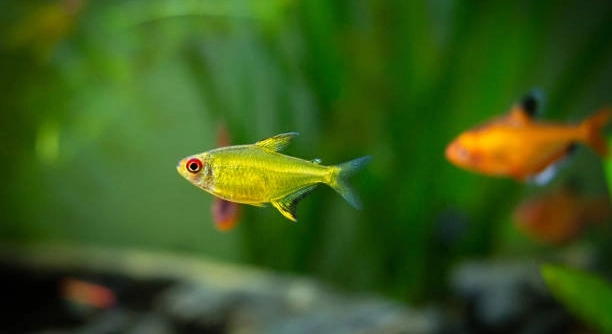
Lemon tetras are generally peaceful, schooling fish that swim together in harmony. Occasionally, one may display unusual behavior, drawing attention from its tank mates and owners. Observing these small fish can reveal subtle signs of stress or illness.
A single lemon tetra acting oddly is often due to illness, stress, or environmental factors. Changes in water quality, temperature fluctuations, or social dynamics within the school can trigger such behavior, requiring careful monitoring and appropriate adjustments to the tank conditions.
Identifying the cause early can prevent further issues and ensure the well-being of your lemon tetra and its companions.
Common Causes of Odd Behavior in Lemon Tetras
Lemon tetras are sensitive to changes in their environment. Poor water quality is one of the leading reasons a single fish may act differently. Ammonia, nitrite, or nitrate levels that are too high can cause stress, leading to unusual swimming patterns or hiding. Temperature changes, even small fluctuations, can also affect their behavior. Sometimes, the fish may feel isolated if the rest of the school is more active or dominant, making it withdraw. Overcrowding or aggressive tank mates can further increase stress, making one tetra appear weak or lethargic. Diet can play a role as well. An imbalanced diet lacking in protein or vitamins can reduce energy levels and make the fish more prone to illness. Observing your tank regularly, performing water tests, and maintaining a clean environment helps prevent most of these issues before they become serious.
Stress and illness often show early signs in behavior, allowing intervention. Monitoring daily is essential.
Lemon tetras are naturally schooling fish that rely on group dynamics for security. When one fish behaves differently, it may indicate underlying health concerns. Common illnesses include bacterial infections, parasites, and swim bladder issues. Noticing subtle signs such as rapid gill movement, clamped fins, or unusual positioning in the tank can help identify the problem early. Some fish may isolate themselves if they feel unwell, avoiding the group and swimming near the bottom or corners. Adjusting water parameters, feeding high-quality food, and removing aggressive tank mates can restore balance. In more persistent cases, consulting a veterinarian specializing in fish may be necessary. Taking small but consistent actions ensures the overall health of your aquarium, keeping all fish active and reducing the likelihood of future problems. Preventive care and observation are key to maintaining a thriving tank.
Environmental Adjustments to Help
Maintaining stable water conditions is critical. Consistent temperature, regular water changes, and filtration reduce stress.
Providing hiding spots and open swimming space encourages natural behavior and reduces conflict. Monitor interactions closely, ensuring all tetras have access to food and shelter. Observing how the school reacts to changes helps identify ongoing issues. Simple adjustments often correct odd behavior, restoring harmony and encouraging active, healthy swimming patterns in your lemon tetras.
Observing Feeding Patterns
A lemon tetra acting oddly may show changes in appetite. It might eat less or avoid food completely, which can signal stress or illness. Tracking feeding behavior daily helps identify issues before they escalate. Adjusting portion sizes or feeding smaller, frequent meals can improve intake.
Changes in diet or feeding environment can impact a fish’s behavior. If a single tetra consistently ignores food while others eat, it may indicate illness or discomfort. Overfeeding can cause water quality issues, leading to lethargy and unusual swimming patterns. Providing a balanced diet with high-quality flakes, frozen foods, or live foods ensures proper nutrition. Observing the fish during feeding helps detect early signs of weakness or disease, allowing quick intervention and care adjustments.
Feeding patterns also reveal social dynamics within the school. A dominant fish may prevent a weaker one from accessing food, causing it to appear odd or withdrawn. Adjusting feeding locations or using feeding rings can reduce competition and ensure all fish eat adequately. Sometimes, offering food in smaller amounts multiple times a day helps less assertive fish maintain strength and energy. Monitoring how each tetra responds during feeding improves overall tank health and promotes uniform growth and activity levels.
Water Quality and Tank Maintenance
Regular water changes keep nitrate and ammonia levels safe, reducing stress for all fish. Testing water weekly ensures stable conditions.
Filtration and aeration support clean water and oxygen levels. Removing uneaten food prevents harmful buildup. Observing water clarity and temperature helps maintain a stable environment. Proper maintenance encourages healthy behavior and prevents unusual activity in any single tetra.
Lemon tetras are highly sensitive to water chemistry. Sudden changes in pH, temperature, or hardness can make a single fish act differently while the rest of the school remains active. Small tanks are more prone to fluctuations, so consistent monitoring is crucial. Partial water changes, proper filtration, and avoiding overcrowding help maintain stability. Regularly cleaning decorations and substrate prevents harmful bacteria and algae buildup. Stable water conditions support normal swimming, feeding, and social interactions, reducing stress-related odd behaviors and promoting a balanced, healthy aquarium. Maintaining consistency ensures all tetras thrive and minimizes the risk of illness.
Social Behavior in Schools
A single lemon tetra may act oddly due to social dynamics. Aggressive or overly dominant tank mates can cause stress. Observing interactions within the school helps identify which fish may be affecting others’ behavior.
Isolation can also occur naturally. Some tetras temporarily separate from the group to rest or recover. Ensuring enough space and hiding spots allows fish to feel secure and reduces tension.
Signs of Illness
Changes in swimming patterns, clamped fins, or faded color often indicate illness. Early detection allows for prompt treatment and prevents spread to other fish.
Adjusting Tank Environment
Adding plants or decorations provides hiding spots and reduces stress. Ensuring proper lighting and temperature stability supports normal behavior and overall health.
FAQ
Why is only one lemon tetra acting differently from the others?
A single lemon tetra may behave oddly due to stress, illness, or environmental changes. Water quality fluctuations, temperature shifts, or aggressive tank mates can trigger unusual behavior. Diet and social dynamics within the school also play a role. Observing the fish closely helps identify the cause and take corrective measures.
Could water quality be the reason for its behavior?
Yes, poor water conditions are a common cause. High ammonia, nitrite, or nitrate levels can stress fish, making one appear lethargic, hide frequently, or swim irregularly. Regular testing, partial water changes, and proper filtration maintain a safe environment and reduce odd behaviors.
How does social hierarchy affect a lemon tetra?
Lemon tetras are schooling fish that rely on group dynamics. A dominant fish can prevent a weaker one from accessing food or preferred swimming areas. This may lead to temporary isolation, reduced appetite, or unusual swimming patterns. Providing hiding spots and evenly distributed food reduces stress from social pressures.
Can diet influence one fish acting oddly?
Absolutely. An imbalanced diet lacking protein or essential vitamins can reduce energy and immunity. If a single tetra consistently avoids food or appears weaker, offering high-quality flakes, frozen foods, or live foods helps restore strength. Feeding smaller, frequent portions can also improve intake.
Is illness a common reason for odd behavior?
Yes. Bacterial infections, parasites, or swim bladder issues can make one tetra behave differently. Early signs include clamped fins, rapid gill movement, faded color, or erratic swimming. Identifying these signs early allows prompt treatment and prevents illness from spreading to other fish.
Can tank size contribute to odd behavior?
Smaller tanks are more sensitive to water chemistry changes. Overcrowding increases stress, which may cause one tetra to act differently. Ensuring adequate swimming space and limiting tank population to recommended numbers helps maintain stable behavior across the school.
What environmental adjustments can help?
Providing hiding spots with plants, rocks, or decorations allows the fish to feel secure. Maintaining stable temperature, consistent lighting, and clean water supports normal swimming, feeding, and social interactions. Small adjustments can quickly restore balance and reduce stress in the affected tetra.
Should I separate the odd fish from the school?
Separation is only necessary if the fish shows severe illness or aggression from others. In most cases, adjusting water conditions, improving diet, and offering hiding spots resolves the behavior without isolation. Quarantine tanks may be used for treatment if disease is suspected.
How long does it take for a lemon tetra to return to normal?
Recovery depends on the cause. Minor stress or diet issues can improve within a few days, while illness may require longer observation and treatment. Consistent care, stable conditions, and monitoring social dynamics accelerate recovery and prevent recurrence.
Can I prevent a single tetra from acting strangely?
Yes. Regular water testing, stable temperature, balanced diet, adequate space, and careful observation of social interactions all reduce the likelihood of odd behavior. Preventive maintenance ensures all fish remain healthy, active, and integrated within the school.
Are there signs that require immediate action?
Rapid color loss, floating at the surface, extreme lethargy, or severe clamped fins indicate urgent issues. Immediate testing of water parameters and, if necessary, medical intervention are crucial to prevent serious illness or death.
Is stress the main factor in odd behavior?
Stress is a significant factor but often interacts with other conditions such as diet, social pressure, or water quality. Identifying the source of stress and correcting it ensures the fish regains normal behavior and maintains overall health.
How often should I observe my lemon tetras?
Daily observation is ideal. Watching their swimming patterns, feeding behavior, and interactions within the school helps detect early signs of stress, illness, or environmental issues. Quick attention prevents problems from escalating and keeps the tank balanced.
Can changes in lighting affect behavior?
Yes. Sudden changes in lighting or overly bright tanks can stress lemon tetras. Gradual adjustments and maintaining a consistent day-night cycle support natural activity patterns and reduce odd behaviors in sensitive individuals.
What is the role of hiding spaces in behavior correction?
Hiding spaces provide security for weaker or stressed fish. When one tetra feels threatened or overwhelmed, it retreats to a safe area. This reduces stress, allows recovery, and promotes normal swimming and feeding behavior without disrupting the school.
Should I worry if the fish seems fine after a few days?
Even if behavior improves, continue monitoring for subtle signs of lingering stress or illness. Minor environmental imbalances or social issues may resurface, and consistent care ensures long-term health and stability for all tetras.
Can multiple factors combine to make one fish act oddly?
Yes. Stress, illness, poor diet, and water quality often interact. A minor issue in one area can be amplified by another. Observing patterns, addressing all potential causes, and maintaining consistent care prevent ongoing problems and support overall tank harmony.
Is it normal for a single tetra to occasionally separate from the group?
Occasional separation is normal, especially during resting periods or after feeding. Persistent isolation, repeated hiding, or refusal to eat indicates a problem that should be addressed promptly to prevent health decline.
How do I know if my interventions are working?
Improvements in swimming, appetite, color, and social interaction indicate successful intervention. Keep monitoring daily, making small adjustments as needed. Patience and consistency are key, as recovery can take days to weeks depending on the issue.
Can water changes alone fix odd behavior?
Water changes improve overall tank health and reduce stress but may not address illness, diet issues, or social conflict. Combining water maintenance with proper feeding, observation, and environmental adjustments ensures the affected tetra returns to normal behavior.
Are lemon tetras resilient to minor stressors?
They are moderately resilient but prolonged stress can weaken immunity and trigger illness. Maintaining stable water, balanced diet, and a harmonious school prevents minor issues from escalating into serious problems.
How important is tank compatibility for preventing odd behavior?
Compatibility is crucial. Aggressive or overly active species can stress lemon tetras, causing one to act differently. Choosing peaceful tank mates and ensuring proper school size supports natural behavior and reduces risk of abnormal activity.
What should I do if all else fails?
Consulting a veterinarian specializing in fish may be necessary if behavior does not normalize. Professional guidance helps identify underlying health issues, recommend treatment, and ensure the well-being of your lemon tetra and the entire school.
Can temperature fluctuations alone cause odd behavior?
Yes. Sudden drops or rises in water temperature can stress fish, causing lethargy, erratic swimming, or isolation. Keeping temperature stable with a reliable heater and thermometer helps maintain normal activity levels.
How long should I monitor before taking serious action?
Immediate action is required for severe symptoms like floating at the surface or extreme lethargy. For milder changes, a few days of observation while correcting environment, diet, and social conditions is sufficient. Continuous monitoring ensures no underlying issues persist unnoticed.
Is it normal for a tetra to hide more than usual?
Occasional hiding is normal, but frequent, prolonged hiding signals stress, illness, or aggression from tank mates. Providing shelters and observing interactions helps address the underlying problem and restore normal activity.
How do I maintain long-term tank health to prevent future odd behavior?
Consistent water testing, regular changes, proper feeding, compatible tank mates, and suitable environment prevent stress and illness. Observing your fish daily allows early detection of issues, ensuring all lemon tetras remain healthy and active over time.
Final Thoughts
Observing a single lemon tetra acting differently from the rest of the school can be concerning, but it is often a sign that small adjustments are needed. Fish are highly sensitive to their environment, and changes in water quality, temperature, or social dynamics can easily affect their behavior. Maintaining a stable and clean tank is the first step toward ensuring all fish remain healthy and active. Regular water testing, proper filtration, and consistent temperature control create a foundation for well-being. By paying attention to these basic factors, you can prevent many common causes of odd behavior before they become serious.
Diet also plays a significant role in a fish’s behavior. An unbalanced diet lacking essential nutrients can weaken a fish, making it more susceptible to stress or illness. Feeding high-quality flakes, frozen foods, or live foods provides the necessary vitamins and proteins to support energy, immunity, and growth. Small, frequent feedings often help weaker or less assertive fish get enough food without being blocked by more dominant tank mates. Observing how each fish eats and interacts during feeding time offers valuable insight into their health. Ensuring proper nutrition is a simple but effective way to support a single tetra and maintain the overall harmony of the school.
Behavioral observation is equally important. Lemon tetras are naturally social, and a fish acting oddly may be responding to stress, illness, or social pressure. Some fish occasionally separate themselves to rest or recover, which is normal, but persistent isolation or unusual swimming patterns can indicate a problem. Providing hiding spots, sufficient swimming space, and stable conditions allows the fish to feel secure and regain normal behavior. Daily monitoring helps detect early signs of illness, stress, or environmental issues, allowing timely intervention. By combining consistent tank maintenance, balanced nutrition, and careful observation, you create an environment where all your lemon tetras can thrive. Small, deliberate actions often prevent minor issues from escalating, ensuring the well-being of every fish in the tank.

Hello,
If you enjoy the content that we create, please consider saying a "Thank You!" by leaving a tip.
Every little bit helps us continue crafting quality advice that supports the health, happiness, and well-being of pets around the world, for pets of all shapes, sizes, and species.
We really appreciate the kindness and support that you show us!