
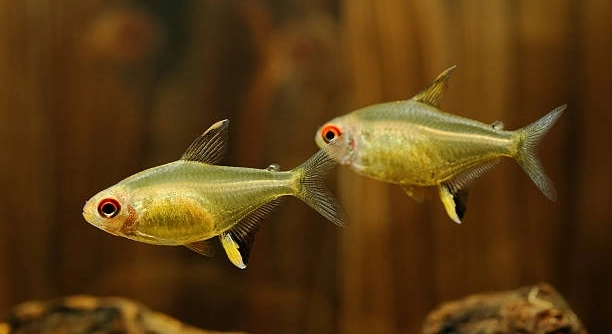
Lemon tetras are small, lively fish that brighten any aquarium with their yellow hues. Choosing the right substrate is important for their comfort and overall health, as it can affect water quality and their natural behavior. Proper substrate helps maintain a balanced environment for them to thrive.
Lemon tetras prefer substrates that are fine, smooth, and non-abrasive. Options include sand, dark gravel, and nutrient-rich soil, which support plant growth, reduce stress, and allow the fish to swim and feed naturally, mimicking their native habitats.
The right substrate can transform your tank into a healthy, visually appealing home for your lemon tetras. This guide will explore seven effective substrate options.
Sand Substrate
Sand is a very popular choice for lemon tetra tanks because it is soft and gentle on their delicate fins. It mimics the riverbeds where these fish naturally live, allowing them to swim close to the bottom without risk of injury. Sand also helps in keeping the aquarium clean because debris tends to rest on top, making it easier to remove during maintenance. Light-colored sand can brighten the tank, highlighting the fish’s yellow hues, while darker sand provides contrast, making their colors stand out more vividly. Sand can also support rooted plants, although some fine-tuning may be needed to prevent them from shifting. Over time, sand may compact, so occasional stirring or the use of burrowing species helps maintain proper aeration. It’s important to rinse sand thoroughly before adding it to the tank to remove dust and prevent cloudiness. With sand, lemon tetras feel more at home and display more natural behaviors in the tank.
Sand is gentle on lemon tetras, reduces injury, and enhances their natural colors in the aquarium setting.
Sand substrates are versatile and easy to maintain. They provide a natural look while supporting plant life, and their fine texture encourages normal foraging. Sand allows for easy removal of waste and leftover food during cleaning. It also helps maintain stable water conditions, reducing stress for lemon tetras. With the right setup, sand keeps the tank visually appealing and healthy, making it a practical and aesthetic choice for most small community tanks. Its natural feel encourages fish to explore the bottom layers, keeping them active. Over time, sand can settle and compact, but light stirring prevents anaerobic pockets, ensuring the substrate remains safe. Pairing sand with small decorations or driftwood enhances both shelter and visual appeal. Overall, sand creates a balanced environment, supporting both the fish and aquatic plants, while maintaining easy upkeep for the keeper. Lemon tetras adapt quickly to sand and often show more natural swimming patterns and feeding behaviors in this substrate type.
Dark Gravel
Dark gravel is a common substrate choice because it creates a striking contrast with lemon tetras’ bright yellow coloring. It provides stability for decorations and plants, and its slightly larger grains prevent compacting, ensuring good water flow and aeration. Dark gravel can reduce stress in lemon tetras because it resembles their native environments, making them feel more secure. It also hides minor debris, helping tanks look cleaner between maintenance sessions. Gravel allows for easy planting, especially with taller stems and background plants, creating a layered habitat that fish enjoy swimming through. Regular cleaning is needed to avoid trapped detritus between grains, but it is generally low-maintenance. Combining dark gravel with natural ornaments like rocks and driftwood enhances the tank’s appearance while providing hiding spots for the fish. Over time, gravel maintains its structure and supports the overall health of the aquarium ecosystem, contributing to a balanced and appealing habitat.
Dark gravel highlights fish colors and supports plant growth while maintaining a stable tank environment.
Dark gravel is excellent for creating visual contrast in the aquarium while supporting healthy plant roots. Its larger grains allow for better water circulation and prevent compaction, keeping the substrate safe for lemon tetras. Gravel also makes cleaning simple, as debris settles between the grains and can be removed with regular siphoning. It provides a secure surface for plants and decorations, enhancing the overall tank design. Fish feel safer swimming above a darker substrate, which can reduce stress and encourage natural behaviors. Pairing it with driftwood or stones further improves shelter and adds depth to the aquarium. Overall, dark gravel combines aesthetics, practicality, and a natural feel that lemon tetras respond to positively.
Nutrient-Rich Soil
Nutrient-rich soil is ideal for planted tanks because it promotes healthy plant growth, which in turn benefits lemon tetras. It provides essential minerals and supports root systems while maintaining stable water conditions, creating a balanced environment that fish thrive in.
This substrate type helps maintain a natural tank ecosystem. Nutrient-rich soil releases minerals slowly, encouraging robust plant growth and stabilizing pH levels. Healthy plants provide shelter, reduce stress, and improve water quality by absorbing excess nutrients. Lemon tetras enjoy exploring planted areas, and the soil allows roots to anchor securely. Over time, it can settle and compact slightly, so occasional gentle stirring is helpful. Nutrient-rich soil pairs well with gravel or sand on top to prevent cloudiness, making the tank visually appealing while keeping it functional. This combination creates an environment that feels safe and natural for lemon tetras.
Using nutrient-rich soil enhances plant health, water quality, and fish behavior. It supports natural exploration while sustaining a balanced aquarium ecosystem. This substrate type works well for tanks with live plants, providing essential nutrients for growth. It encourages lemon tetras to swim freely and forage near the bottom, simulating their natural habitat. Layering soil under a thin layer of sand or fine gravel prevents cloudiness while maintaining aesthetics. Regular observation ensures that the substrate remains healthy, and plants are thriving. Over time, nutrient-rich soil supports a vibrant, lively tank that benefits both flora and fauna, creating a sustainable environment for lemon tetras to flourish.
Fine Gravel
Fine gravel offers stability for decorations and plants while remaining gentle on lemon tetras’ fins. Its small grains allow for easy foraging and maintain a clean tank by reducing trapped debris.
Fine gravel is versatile and practical for small community tanks. It provides a stable base for decorations and plant roots, helping them stay anchored. Lemon tetras can swim and feed comfortably over fine gravel without risk of injury. It also supports beneficial bacteria, which help break down waste and maintain water quality. Regular vacuuming during water changes ensures that detritus doesn’t accumulate, keeping the substrate healthy. Fine gravel comes in various colors, allowing customization of tank aesthetics while keeping the environment safe. It works well in combination with plants and driftwood, providing a natural-looking habitat. Over time, it remains structured and low-maintenance, creating a safe, functional, and visually appealing home for lemon tetras.
Fine gravel maintains water quality, supports plants, and enhances the tank’s natural appearance. It creates a safe environment for lemon tetras while allowing easy maintenance. The substrate prevents compacting and provides a suitable surface for rooting plants. Its small grains are ideal for foraging, reducing stress and encouraging natural behaviors. Regular cleaning keeps the tank healthy, while color options allow personalization. Fine gravel works well under decorations and plants, supporting a lively, balanced tank. It is a practical choice for long-term aquarium stability.
Peat Substrate
Peat substrate softens water naturally and lowers pH, which is ideal for lemon tetras. It also adds a subtle brown tint to the water, mimicking their native habitats and creating a calm, comfortable environment for the fish.
Peat is rich in organic matter and slowly releases beneficial acids into the water. This helps stabilize water chemistry, promoting healthy skin and coloration in lemon tetras. It also supports the growth of microorganisms that contribute to a balanced ecosystem. Peat can be combined with sand or fine gravel to prevent excessive cloudiness. Over time, it decomposes, so partial replacement may be necessary, but the benefits to water quality and fish comfort make it worthwhile.
Plant-Based Substrate
Plant-based substrates provide nutrients for rooted plants while maintaining soft, safe conditions for lemon tetras. They support healthy plant growth and encourage natural behaviors like exploring and foraging near the bottom.
Crushed Coral
Crushed coral is used to maintain stable pH and hardness. It is more suitable for tanks where slightly harder water is acceptable, helping prevent pH drops that could stress lemon tetras.
FAQ
What is the best substrate for lemon tetras?
The best substrate for lemon tetras is one that is soft, smooth, and non-abrasive. Sand, fine gravel, or nutrient-rich soil works well because these substrates allow the fish to swim freely, forage safely, and reduce stress. Substrates that support plant growth are also beneficial, as they provide shelter and mimic natural habitats.
Can lemon tetras live on gravel?
Yes, lemon tetras can live on fine or dark gravel. Fine gravel is gentle on their fins and allows for safe foraging. Dark gravel can highlight their colors and provides a stable base for decorations and plants. Avoid sharp or large gravel pieces that could injure the fish.
Is sand better than gravel for lemon tetras?
Sand is often preferred because it is softer and allows fish to dig or explore naturally. It also prevents debris from getting trapped as deeply as gravel, making maintenance easier. However, fine gravel can work just as well if it is smooth and not too coarse.
Do lemon tetras need live plants in their substrate?
Live plants are not strictly required, but they help create a balanced ecosystem. Nutrient-rich substrates support plant growth, which improves water quality, reduces stress, and offers hiding spaces. Plants also encourage natural behaviors, making the fish more active and healthy.
Can I mix different substrate types?
Yes, mixing substrates is possible and sometimes beneficial. For example, layering nutrient-rich soil beneath sand or fine gravel prevents cloudiness while supporting plant roots. This combination creates a natural look and provides a safe, functional environment for lemon tetras.
How often should I clean the substrate?
Substrate should be gently cleaned during regular water changes, usually every one to two weeks. Light vacuuming prevents waste buildup while keeping beneficial bacteria intact. Avoid aggressive stirring, especially with nutrient-rich soil or peat, as it can cloud water and disturb plants.
Does substrate affect water chemistry?
Yes, substrates like peat or crushed coral can influence pH and hardness. Peat lowers pH and softens water, while crushed coral raises hardness and stabilizes pH. Choosing a substrate suited to your water conditions helps maintain a stable, stress-free environment for lemon tetras.
Can lemon tetras tolerate bare-bottom tanks?
Bare-bottom tanks are possible but less natural for lemon tetras. They prefer soft substrates to forage and explore. Bare tanks may be easier to clean but reduce environmental enrichment and can increase stress if fish lack places to hide or interact with their environment.
How deep should the substrate be?
A depth of one to two inches is generally sufficient for lemon tetras. This allows plants to root securely and gives fish room to forage without risk of injury. For heavily planted tanks, slightly deeper substrate may be used to accommodate root systems.
Are decorative stones safe for lemon tetras?
Smooth, small stones are safe and can add visual interest to the tank. Avoid sharp, jagged stones that could damage fins or injure the fish. Stones can provide hiding spots and complement the chosen substrate while maintaining a safe environment.
Can substrate help reduce stress in lemon tetras?
Yes, the right substrate reduces stress by creating a familiar, natural environment. Soft, smooth substrates allow safe movement, support plants for shelter, and help maintain stable water chemistry. Stress reduction leads to brighter colors, more active swimming, and overall better health.
Is it okay to change substrate after setting up a tank?
Changing substrate is possible but should be done carefully. Remove fish temporarily if needed, rinse the new substrate thoroughly, and replace slowly to avoid clouding water or disturbing beneficial bacteria. Gradual changes prevent stress and ensure the tank remains healthy.
What substrate is easiest to maintain?
Sand and fine gravel are the easiest to maintain. Debris rests on top, making vacuuming simple, and they do not compact easily. Layering nutrient-rich soil under sand or gravel adds plant benefits without increasing maintenance challenges.
Do lemon tetras eat substrate?
Lemon tetras may accidentally ingest small amounts of substrate while foraging. Fine sand or smooth gravel minimizes the risk of injury or digestive problems. Avoid sharp or coarse materials that could harm the fish if ingested.
Can substrate affect fish breeding?
Yes, substrate can influence breeding behavior. Soft sand or fine gravel allows fish to spawn safely and protects eggs from injury. Substrates that support plant growth also provide surfaces for egg attachment and shelter for fry, increasing survival chances.
Is one substrate type better for community tanks?
For community tanks, fine gravel or sand is ideal because it suits multiple species. Smooth substrates prevent injuries and allow all fish to forage comfortably. Combining substrates with plants or decorations creates a safe, visually appealing habitat for all tank inhabitants.
Should I consider substrate color?
Yes, substrate color affects both aesthetics and fish comfort. Dark substrates make lemon tetras’ yellow color pop, while lighter substrates brighten the tank. Choosing a color that mimics natural habitats can reduce stress and encourage natural behaviors.
How does substrate affect plant growth?
Nutrient-rich or plant-based substrates support healthy root systems and provide essential minerals. Strong plant growth improves water quality, reduces algae, and creates shelter. Pairing such substrates with sand or fine gravel can prevent cloudiness while maintaining plant health.
Are there substrates to avoid?
Avoid sharp, jagged, or overly coarse substrates. They can injure lemon tetras’ delicate fins and make foraging difficult. Also, substrates that drastically alter water chemistry in unwanted ways should be avoided unless carefully managed. Smooth, small-grain materials are safest.
Can substrate layering improve a tank?
Yes, layering substrates can enhance both plant growth and fish safety. For example, nutrient-rich soil beneath sand or fine gravel provides nutrients while preventing cloudiness. This combination supports plants, maintains water clarity, and creates a safe, natural environment for lemon tetras to explore freely.
Choosing the right substrate for your lemon tetra tank is an important step in creating a healthy and comfortable environment. Substrate affects more than just the look of your aquarium; it plays a role in water quality, plant growth, and fish behavior. Soft and smooth substrates like sand or fine gravel are ideal because they allow lemon tetras to swim and forage safely without risk of injury. Darker substrates can make the fish’s bright yellow color stand out, while lighter substrates give a clean and open appearance. Layering nutrient-rich soil under sand or gravel can support live plants and provide extra minerals, creating a balanced and natural habitat that benefits both the fish and the aquarium ecosystem.
Substrate choice also has a direct impact on maintenance and long-term care. Sand and fine gravel are generally easier to clean because debris rests on top, making siphoning straightforward. Nutrient-rich soils and peat help improve plant growth and water chemistry but may require occasional stirring or partial replacement to prevent cloudiness or compacting. Crushed coral can be used to stabilize pH and hardness in tanks with harder water, but it is less suitable for soft-water setups. Selecting the right substrate involves understanding your tank’s conditions, the plants you want to grow, and the needs of your lemon tetras. A well-chosen substrate not only makes the tank look better but also encourages natural behavior, reduces stress, and supports the long-term health of your fish.
It’s important to remember that substrate works together with other tank elements to create a thriving environment. Plants, decorations, and proper filtration all contribute, but substrate sets the foundation. Lemon tetras respond well to setups that mimic their natural habitats, allowing them to explore, forage, and interact with their surroundings safely. Soft, smooth, and stable substrates are best for these small, delicate fish. Taking the time to choose carefully can improve their colors, activity levels, and overall well-being. Whether you prefer sand, gravel, nutrient-rich soil, or a combination, selecting the right substrate ensures your lemon tetras feel secure and your aquarium remains balanced, healthy, and visually appealing over time.

Hello,
If you enjoy the content that we create, please consider saying a "Thank You!" by leaving a tip.
Every little bit helps us continue crafting quality advice that supports the health, happiness, and well-being of pets around the world, for pets of all shapes, sizes, and species.
We really appreciate the kindness and support that you show us!