
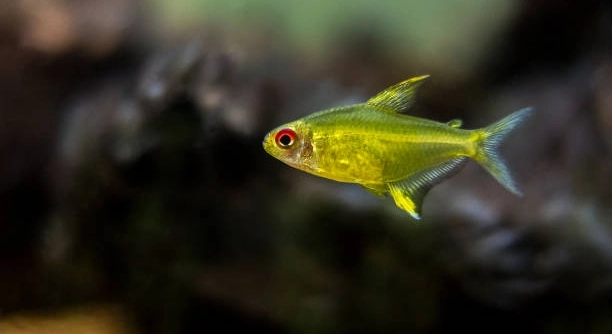
Have you ever noticed your Lemon Tetras swimming together in your aquarium and wondered if they enjoy each other’s company? These small, bright fish often move in groups, creating a lively and colorful display. Observing their interactions can be quietly fascinating.
Lemon Tetras do form social bonds and exhibit friendly behaviors with one another. They often swim in schools, showing coordinated movements, gentle nipping, and resting near each other, which indicates a level of comfort and social cohesion within their group.
Understanding these social habits can improve how you set up your aquarium and care for your fish effectively. Observing their interactions reveals more than just swimming patterns.
How Lemon Tetras Interact in Groups
Lemon Tetras are naturally social fish and tend to feel more secure in groups. When kept alone, they may become stressed and hide more often. In a group, they swim together, often following similar patterns and mirroring each other’s movements. You might notice some fish taking the lead while others follow closely behind, which helps maintain a sense of order in the school. They occasionally nip at fins or swim very close, which can seem aggressive but is usually part of their normal social behavior. Observing them over time shows that certain pairs often spend more time near each other, suggesting mild preference or comfort in proximity. Maintaining a balanced group with enough space and hiding spots helps reduce tension and promotes natural swimming behavior. A well-structured tank encourages activity, reduces stress, and allows these fish to display their natural social tendencies fully.
Lemon Tetras’ group behavior makes them easier to observe and care for because they rarely hide when in a school.
Watching their interactions carefully reveals patterns in movement and spacing that indicate comfort levels. Each fish’s role may shift, but the cohesion of the group remains consistent. Understanding these interactions helps with tank management and creating a balanced environment. The subtle behaviors, from following to resting nearby, indicate that these fish respond positively to group living, which can influence feeding, breeding, and overall health. Tank layout, water conditions, and the number of fish all impact how smoothly these interactions occur. By ensuring a supportive environment, you encourage natural behaviors and reduce aggression.
Signs of Comfort and Stress
Comfortable Lemon Tetras swim calmly together and explore their environment openly.
Stress signs include darting, clamped fins, or constant hiding. Stress often results from overcrowding, poor water quality, or sudden changes in lighting and temperature. These fish respond strongly to their surroundings, so observing their behavior closely can help detect issues early. Ensuring enough space, proper filtration, and consistent conditions reduces stress significantly. Subtle signs, like hesitation before swimming or small changes in coloration, also indicate discomfort. Regular observation helps you identify these issues before they escalate. Creating a stable, comfortable environment promotes active swimming, social interactions, and healthy feeding patterns. Group dynamics improve naturally when fish feel safe and unstressed. Maintaining a predictable schedule for feeding and light cycles supports this sense of security, allowing the Lemon Tetras to thrive and display their social tendencies.
Choosing Tank Mates
Lemon Tetras do best with other small, peaceful fish. Aggressive or much larger species can stress them, disrupting social interactions. Choosing compatible tank mates ensures they swim naturally, eat well, and maintain group cohesion without fear or hiding.
When selecting tank mates, consider temperament and size first. Fish that are fast and peaceful, like other small tetras, rasboras, or corydoras, usually integrate well. Avoid larger cichlids or fin-nippers that may chase or harm them. Providing enough space and hiding spots is essential for reducing competition and stress. Observing initial interactions carefully helps ensure harmony. Over time, compatible species will swim together calmly, allowing Lemon Tetras to maintain their social patterns and show natural behavior.
Introducing new fish gradually prevents sudden stress. Acclimating them slowly in a separate container before release reduces conflict. Observing feeding behavior and swimming patterns after introduction indicates whether the tank setup works. Adjustments may include rearranging decorations, adding plants, or even separating overly curious or aggressive newcomers temporarily. Ensuring water parameters remain stable during introductions is crucial for all fish. With careful planning, Lemon Tetras can coexist with a variety of peaceful species, maintaining healthy interactions and displaying natural schooling behavior in a well-balanced community tank.
Tank Setup Essentials
A proper tank setup includes adequate space, plants, and hiding spots. This encourages natural swimming and reduces stress in Lemon Tetras.
The tank should allow for at least ten Lemon Tetras to move freely in a school. Dense plants provide cover and visual barriers, which reduce aggression and offer resting spots. Soft lighting and stable water conditions enhance comfort. Open swimming areas are important for exercise, while decorations can create territory markers without restricting movement. A balanced substrate, moderate filtration, and consistent temperature help maintain overall health. Regular water testing ensures chemical levels remain stable, preventing stress or illness that can disrupt social behavior.
Positioning plants and decorations thoughtfully can guide swimming paths and create micro-environments. Floating plants reduce strong lighting and provide shaded areas, promoting natural activity cycles. Maintaining a mix of open areas and hiding spaces allows the group to split temporarily without stress, which supports social harmony. Monitoring water flow ensures it’s gentle enough not to disturb schooling behavior while still keeping water clean. Regular partial water changes and careful maintenance of filtration prevent buildup of harmful substances. When these conditions are met, Lemon Tetras display lively schooling, interact safely, and thrive in a stable, comfortable environment.
Feeding Habits and Social Behavior
Lemon Tetras often eat together, showing a mild hierarchy during feeding. Some individuals may nibble first, while others wait nearby. This group feeding reduces stress and encourages natural interaction, helping the school maintain cohesion throughout the day.
Providing small, frequent feedings keeps the group active and prevents competition. Floating flakes or micro-pellets are ideal, allowing all fish to access food easily without aggressive behavior. Watching them feed together gives insight into their social structure and comfort level within the group.
Observing Signs of Bonding
Lemon Tetras display gentle swimming patterns and resting near each other when bonding. They may mirror movements, swim side by side, or hover close during feeding times. These behaviors indicate comfort, coordination, and social awareness within the school. Consistent interaction suggests stable social bonds that benefit health and activity.
Avoiding Common Stressors
Sudden changes in lighting, overcrowding, or incompatible tank mates can disrupt Lemon Tetras’ social dynamics. Maintaining stable water conditions and sufficient space prevents stress. Observing their behavior regularly helps detect issues early, allowing adjustments to support healthy schooling behavior and reduce anxiety in the group.
How many Lemon Tetras should be kept together?
Lemon Tetras are schooling fish and feel most secure in groups of six or more. Smaller groups may become stressed or hide often, while larger groups display natural swimming patterns. A minimum of six allows them to interact socially and show coordinated movements, which is essential for their well-being.
Can Lemon Tetras bond with other species?
Yes, but compatibility is key. Peaceful, small fish like rasboras or corydoras often coexist well. Aggressive or much larger species can stress them and disrupt their social interactions. Observing initial introductions carefully helps ensure harmony and prevents unnecessary stress or conflict within the tank.
Do Lemon Tetras have favorite companions?
They may show mild preferences, often swimming closer to certain individuals. This does not mean they exclude others completely, but some pairs may rest or move together more frequently. These subtle bonds indicate comfort and familiarity rather than aggressive or territorial behavior.
How can I tell if my Lemon Tetras are stressed?
Stress signs include darting, hiding, clamped fins, or sudden color changes. Lack of appetite or lethargy can also indicate discomfort. Stress is often caused by overcrowding, poor water quality, or incompatible tank mates. Regular observation and stable conditions help prevent these issues.
What tank size is ideal for Lemon Tetras?
A tank of at least 20 gallons is recommended for a small school. Larger tanks provide more space for swimming and reduce competition. Adequate room allows them to form natural schools, explore, and display normal social behaviors without feeling cramped or threatened.
Do Lemon Tetras interact during feeding?
Yes, they often eat together and display mild hierarchies. Some fish nibble first while others wait nearby. Feeding in small, frequent amounts reduces competition and stress, allowing all fish to access food easily and maintain social harmony.
How can I encourage natural social behavior?
Provide a mix of open swimming areas and hiding spots using plants and decorations. Stable water conditions, gentle filtration, and consistent lighting support comfort. Avoid sudden changes and monitor interactions regularly to ensure the school remains cohesive and healthy.
Do they show signs of affection or recognition?
While not in the way mammals do, Lemon Tetras demonstrate comfort and familiarity by swimming side by side, mirroring movements, and hovering near certain individuals. These subtle behaviors indicate recognition and social cohesion within the school.
Is water quality important for their social behavior?
Absolutely. Poor water quality can increase stress and disrupt group dynamics. Maintaining proper temperature, pH, and filtration ensures a safe environment. Clean water supports activity, feeding, and schooling, allowing natural interactions to occur without stress-related disruptions.
Can overcrowding affect their bonds?
Overcrowding increases competition and stress, which can lead to aggressive behavior or constant hiding. Maintaining appropriate stocking levels and sufficient swimming space allows Lemon Tetras to form stable, comfortable social groups and display natural schooling patterns effectively.
How long does it take for new fish to adjust?
Adjustment periods vary but usually take a few days to a couple of weeks. Gradual acclimation, careful introductions, and stable conditions help new fish integrate into the group smoothly, allowing them to establish social interactions without excessive stress.
Do they show different behavior at night?
Yes, Lemon Tetras often rest near each other at night, clustering or hovering in shaded areas. These behaviors indicate comfort and security, allowing them to conserve energy while maintaining proximity to the group. Stable lighting cycles help reinforce these natural patterns.
Can tank decorations influence social behavior?
Decorations and plants create boundaries and hiding spots that reduce stress and allow fish to regulate interactions. Open areas for swimming and shaded areas for resting balance activity and comfort, supporting natural schooling and mild pair preferences within the group.
Do they respond to human presence?
Lemon Tetras may become more active or gather near the front of the tank during feeding, but they do not form attachments like mammals. Their behavior is largely driven by curiosity, safety, and routine rather than recognition of individual humans.
Is it necessary to separate aggressive individuals?
Yes, if a fish consistently harasses others, temporary separation may be needed. Monitoring interactions allows you to identify overly aggressive individuals. Providing more hiding spots or adjusting tank layout often reduces tension and restores social harmony within the school.
Can water changes affect social interactions?
Sudden or large water changes can stress Lemon Tetras and disrupt group dynamics. Performing regular, partial water changes gradually maintains water quality while minimizing stress, allowing the school to remain cohesive and active.
Do Lemon Tetras breed in community tanks?
They can, but breeding behavior may be influenced by stress and tank mates. Providing dense plants or breeding mops and a calm environment encourages spawning. Observing interactions during this period shows temporary shifts in social behavior, which typically stabilize afterward.
How can I tell if they are comfortable together?
Comfortable Lemon Tetras swim together calmly, rest near each other, and display coordinated movements. Feeding behavior is peaceful, and hiding is minimal. Consistent group cohesion and gentle interaction are strong indicators that the social structure is healthy and the tank environment supports well-being.
Are temperature changes a concern?
Yes, rapid fluctuations can stress fish and disrupt social patterns. Lemon Tetras thrive in stable temperatures around 72–78°F. Consistency helps maintain natural swimming, feeding, and interaction behaviors within the school, preventing erratic or defensive actions.
What should I do if one fish is isolated?
Check water quality, tank mates, and health first. Isolation may indicate stress, illness, or bullying. Providing hiding spots, adjusting stocking levels, or temporarily separating aggressive individuals can help reintegrate the fish and restore group cohesion.
Can they coexist with other tetras?
Yes, many small tetra species can coexist peacefully. Ensure similar size, temperament, and water requirements. Observing initial interactions helps prevent stress and supports harmonious schooling, allowing Lemon Tetras to display natural behaviors alongside compatible species.
How often should I monitor their behavior?
Daily observation is ideal. Monitoring swimming patterns, feeding behavior, and interaction levels helps detect stress, illness, or social disruption early. Regular checks allow timely adjustments to tank conditions, ensuring the school remains active, healthy, and socially stable.
Are lighting conditions important for social behavior?
Yes, consistent lighting supports natural activity cycles. Too bright or fluctuating light can stress the group, while moderate, steady lighting encourages comfortable swimming, feeding, and interaction. Floating plants can help diffuse light, creating shaded areas that reduce tension and enhance well-being.
Do they communicate with each other?
Communication is subtle, primarily through body language, positioning, and swimming patterns. Side-by-side swimming, mirroring movements, or gentle nudges indicate awareness and coordination. These behaviors help maintain group cohesion and signal comfort, hierarchy, or mild preferences within the school.
How long do social bonds last?
Bonds are generally stable as long as conditions remain favorable. Changes in tank size, water quality, or group composition may temporarily alter interactions. When stability is maintained, Lemon Tetras continue showing consistent patterns of swimming together, resting near each other, and engaging in coordinated group activity.
What role does diet play in behavior?
Balanced nutrition supports energy levels, health, and activity. Well-fed Lemon Tetras are more likely to swim together, feed peacefully, and display natural schooling patterns. Poor or inconsistent feeding can increase competition, stress, and social tension, negatively affecting group cohesion.
Can stress affect breeding behavior?
Yes, stressed fish are less likely to spawn. Stable water parameters, peaceful tank mates, and a comfortable environment promote breeding. Temporary changes in social behavior during breeding are normal but should stabilize once eggs are laid and normal conditions resume.
Are hiding spots essential for bonding?
Hiding spots allow fish to retreat without leaving the group completely. This reduces tension, prevents harassment, and supports mild pair preferences within the school. Plants, rocks, and decorations create micro-environments that help maintain social harmony and comfort.
Do Lemon Tetras show leadership in schools?
Occasionally, some fish take the lead while others follow. This behavior maintains order and coordinated movement. Leadership is subtle and changes over time, supporting group cohesion rather than creating rigid hierarchies, and ensures safe exploration and feeding throughout the tank.
How do I know if the group is healthy?
A healthy group swims together calmly, feeds without conflict, and shows minimal hiding. Fish are active, display bright colors, and interact regularly. Observing these behaviors indicates stable social bonds, proper environmental conditions, and overall well-being of the school.
Can water flow impact social behavior?
Strong currents may stress Lemon Tetras and disrupt schooling. Gentle, consistent flow allows natural swimming patterns and interaction. Observing how the group navigates currents helps adjust filtration and decorations to balance cleanliness with comfort and maintain cohesive social behavior.
What is the ideal pH range?
A slightly acidic to neutral pH of 6.5–7.5 is ideal. Stable pH supports health, reduces stress, and encourages normal social interactions. Rapid changes can lead to hiding, darting, or erratic swimming, disrupting the group’s cohesion and comfort.
Do they form bonds quickly?
Initial bonding may take a few days to weeks. Gradual acclimation and stable conditions help fish feel safe, allowing natural social behaviors to develop. Observation during this period helps ensure the group is adjusting well and interacting harmoniously.
How can I reduce aggression in the tank?
Provide enough space, hiding spots, and compatible tank mates. Gradual introductions and balanced group sizes prevent conflict. Adjusting decorations or rearranging plants can diffuse tension and encourage natural, peaceful interactions. Regular monitoring ensures early intervention if aggression appears.
Can stress cause illness?
Yes, stressed Lemon Tetras are more susceptible to disease. Maintaining water quality, proper diet, and compatible tank mates reduces stress, supports immunity, and ensures healthy schooling behavior. Early detection of stress helps prevent illness and maintain a stable, active group.
Are there seasonal changes in behavior?
Behavior may fluctuate slightly with temperature or light changes, but stable tank conditions minimize these effects. Fish continue to swim in schools, feed regularly, and interact naturally as long as the environment remains comfortable and consistent.
Do they interact differently with males and females?
Males may display slightly bolder or more active swimming, especially during breeding, but both sexes generally form cohesive schools. Minor differences in behavior do not disrupt social bonds or the overall harmony of the group.
Is tank cleaning disruptive?
Frequent, partial water changes and gentle cleaning reduce stress. Sudden or excessive disturbances can cause hiding or erratic swimming, temporarily affecting social behavior. Maintaining routine cleaning schedules ensures a healthy, comfortable environment that supports natural interactions.
How long do Lemon Tetras live in a well-maintained tank?
With proper care, Lemon Tetras can live 3–5 years or more. Stable social groups, clean water, balanced nutrition, and suitable tank mates contribute to longevity and the ability to maintain natural schooling and bonding behaviors throughout their life.
Do they respond to seasonal feeding changes?
Adjusting feeding slightly for growth or activity levels is natural. Consistent schedules support group cohesion and prevent stress. Sudden overfeeding or long gaps can disrupt social harmony and lead to aggressive behavior or hiding during feeding times.
Can tank size influence schooling patterns?
Yes, smaller tanks limit movement and may cause tension or stress. Larger tanks allow free swimming, group coordination, and natural spacing. Proper tank size encourages active schooling, balanced interactions, and visible mild pair preferences within the group.
How important is monitoring water temperature daily?
Daily monitoring prevents sudden fluctuations that stress the fish. Stable temperatures support normal activity, feeding, and social behavior. Observing group responses to temperature changes helps maintain comfort and minimize disruptions in schooling or bonding.
Do they need specific water hardness?
Soft to moderately hard water is ideal. Stable hardness prevents stress, supports health, and ensures normal social interactions. Sudden shifts can lead to hiding, erratic swimming, or disrupted group cohesion, affecting overall well-being.
Are mirrored tanks beneficial?
Mirrors can cause confusion or temporary stress. While some fish may respond curiously, prolonged exposure may disrupt normal social interactions. Observing natural schooling without mirrors ensures genuine bonding and comfortable group behavior.
Do they interact differently in planted vs. bare tanks?
Planted tanks provide hiding spots and shaded areas that reduce stress and allow comfortable schooling. Bare tanks offer more open swimming but may increase stress in shy individuals. A balanced setup supports social cohesion, mild pair preferences, and natural movement patterns.
Can sudden noise affect behavior?
Yes, loud or sudden noises may startle Lemon Tetras, causing darting, hiding, or disrupted schooling. Consistent, calm environments encourage natural interaction, minimize stress, and maintain healthy group dynamics.
How do they behave after water changes?
They may pause or hide briefly, adjusting to new conditions. Gradual changes prevent prolonged stress, allowing the group to return quickly to normal schooling, feeding, and social interaction patterns.
Do tank size and decoration influence pair preferences?
Yes, adequate space and thoughtful decoration help fish maintain mild pair preferences without excluding others. Open swimming areas combined with plants and hiding spots reduce tension and support natural social interactions within the school.
Are there signs of aging in Lemon Tetras?
Older fish may swim more slowly or rest longer but typically maintain group interactions. Observing gradual changes helps adjust care, ensuring they remain comfortable and socially integrated throughout their life.
Can temperature swings affect bonding?
Yes, rapid swings can increase hiding, reduce group cohesion, and disrupt natural interactions. Maintaining steady temperature supports comfort, coordinated swimming, and stable mild pair preferences within the school.
Do they respond differently to various feeding types?
Floating flakes, micro-pellets, and occasional live or frozen foods all work well. Providing a mix prevents competition, encourages group feeding, and supports natural interaction and schooling behavior. Monitoring responses helps determine what works best for the group.
Can stress from water chemistry changes be reversed?
Yes, stabilizing pH, hardness, and temperature gradually allows Lemon Tetras to return to normal schooling and feeding behaviors. Quick interventions prevent long-term disruptions in social bonds and group cohesion.
Is it necessary to quarantine new fish?
Yes, quarantining prevents disease and allows gradual acclimation. This reduces stress on the existing school, maintains social stability, and ensures peaceful integration of newcomers into the tank environment.
Do they show recognition of territory?
They rarely defend strict territories but may establish preferred swimming areas or resting spots. Proper tank layout with plants and open areas allows comfort without disrupting schooling, maintaining group cohesion and mild pair preferences.
Can water quality issues affect coloration?
Yes, poor water quality can dull colors, indicating stress or illness. Healthy, stable conditions enhance vibrancy, reflecting well-being, comfort, and strong social bonds within the school.
Do they interact differently with different tank mates?
Behavior varies with temperament, size, and speed of other species. Compatible tank mates allow peaceful schooling, while aggressive or large fish may cause hiding, darting, or reduced interaction. Observing responses ensures a harmonious environment.
How do I know if the group is stressed long-term?
Signs include constant hiding, faded colors, erratic swimming, poor feeding, and reduced interaction. Addressing water quality, tank size, diet, and compatibility helps restore comfort, normal schooling, and healthy social behavior.
Are certain times of day better for observing behavior?
Early morning or just before feeding often shows active swimming and group cohesion. Observing during these times gives the clearest view of interactions, pair preferences, and social comfort within the school.
Does filtration type affect schooling?
Gentle, consistent filtration supports normal swimming and interaction. Strong currents can disrupt coordination, increase stress, and alter natural behaviors. Proper filtration balances water cleanliness with minimal impact on social dynamics.
Can water clarity impact social behavior?
Yes, cloudy or dirty water may cause hiding, reduced interaction, or stress. Clear water allows fish to see each other, promoting coordination, mild pair preferences, and comfortable schooling.
Do Lemon Tetras remember tank layouts?
Yes, they become familiar with swimming paths, hiding spots, and feeding areas. Consistency reduces stress, supports group cohesion, and maintains natural social interactions over time.
Can sudden additions of new fish disrupt behavior?
Yes, sudden introductions can cause hiding, darting, or mild aggression. Gradual acclimation and careful observation minimize disruption, allowing the existing school to maintain stability and healthy social interactions.
Is lighting consistency important for social health?
Yes, stable light cycles regulate activity, feeding, and schooling. Sudden changes may increase hiding, stress, or erratic swimming, while consistent lighting promotes comfort and predictable group behavior.
Do they respond to reflections or glass taps?
Reflections or gentle tapping may briefly startle them but do not create genuine social bonds. Overexposure can cause stress, so interactions should be observed naturally without relying on external stimuli.
How can I support mild pair preferences safely?
Provide open areas for swimming and plenty of hiding spots. This allows certain pairs to stay close without isolating others, reducing stress and maintaining group cohesion. Proper tank size and thoughtful decoration enhance safe social bonds.
Do older fish affect younger ones socially?
Older, experienced fish may influence group swimming patterns slightly but do not dominate. Maintaining compatible ages and sizes reduces stress and supports natural interactions and schooling behavior.
Can seasonal light changes impact schooling?
Gradual adjustments in day length are fine, but sudden shifts can cause hiding or disrupted coordination. Consistent cycles maintain comfort, natural movement, and social cohesion.
Is it normal for some fish to rest apart occasionally?
Yes, temporary separation for resting or feeding is natural and does not indicate poor social bonds. Adequate hiding spots allow safe temporary isolation while maintaining overall group cohesion.
Do they respond to routine maintenance?
Routine partial water changes, gentle cleaning, and consistent feeding schedules minimize stress. Lemon Tetras quickly return to normal swimming, feeding, and interaction, preserving group cohesion and healthy social behavior.
Can overcrowding affect health?
Yes, overcrowding increases competition, stress, and disease risk. Maintaining proper stocking levels ensures space for swimming, resting, and interacting, supporting health, comfort, and natural schooling patterns.
Are there visual cues for comfort?
Bright colors, calm swimming, coordinated movements, and minimal hiding indicate comfort. Observing these behaviors helps monitor the health and social well-being of the group.
Do they react to human activity nearby?
They may become more alert or move briefly but usually resume normal schooling quickly. Calm, predictable presence minimizes stress and allows natural behavior to continue.
Can frequent water testing stress them?
If done carefully, water testing has minimal impact. Sudden splashing or rapid changes should be avoided. Monitoring parameters supports comfort, health, and stable social interactions.
How can I promote healthy long-term social bonds?
Maintain stable water conditions, proper tank size, compatible mates, and consistent feeding. Providing hiding spots and open swimming areas allows mild pair preferences without conflict, supporting a cohesive, comfortable school. Regular observation ensures ongoing well-being.
**Do they
Lemon Tetras are small, vibrant fish that thrive when kept in groups. Their social nature means they feel more secure and active when surrounded by others of their kind. Observing a school of Lemon Tetras swim together reveals a natural coordination and subtle interactions, from side-by-side swimming to gentle nudges. These behaviors are not random; they show how the fish communicate and establish comfort within their group. Even small details, like resting near certain individuals or following another during feeding, indicate that Lemon Tetras have preferences and recognize patterns in their companions. Maintaining a group allows these natural behaviors to appear consistently, making their activity more predictable and enjoyable to watch. A single Lemon Tetra often seems shy, hides more, and may even stop eating properly, showing how important social interaction is for their well-being.
A well-maintained tank plays a crucial role in supporting the social dynamics of Lemon Tetras. Providing enough swimming space ensures that the fish do not feel crowded, while plants, rocks, and decorations offer hiding spots and visual boundaries. These elements help reduce tension and allow the fish to interact comfortably. Stable water conditions, including proper temperature, pH, and filtration, are equally important. Sudden changes or poor water quality can lead to stress, which disrupts schooling behavior and can make the fish more prone to illness. Feeding routines also matter; small, frequent meals reduce competition and encourage group feeding, which helps maintain the social cohesion of the school. By attending to these environmental factors, you ensure that Lemon Tetras can display their natural behaviors and form mild social bonds, which benefit their overall health and activity levels.
Observing Lemon Tetras over time shows how their behavior reflects comfort, stress, and environmental stability. Healthy, content fish swim actively, maintain coordinated group movements, and show gentle interactions with each other. On the other hand, stress from overcrowding, aggressive tank mates, or poor water conditions can make them hide, swim erratically, or appear lethargic. Paying attention to these signals allows adjustments in tank setup, feeding, or fish selection to restore balance. While they do not form friendships like mammals, Lemon Tetras clearly show signs of recognition and preference within their group. Understanding these behaviors helps create an aquarium environment that promotes comfort, natural interaction, and longevity. By maintaining the right conditions, observing their social patterns, and supporting their natural instincts, you can enjoy a lively and harmonious school of Lemon Tetras in your tank.

Hello,
If you enjoy the content that we create, please consider saying a "Thank You!" by leaving a tip.
Every little bit helps us continue crafting quality advice that supports the health, happiness, and well-being of pets around the world, for pets of all shapes, sizes, and species.
We really appreciate the kindness and support that you show us!