
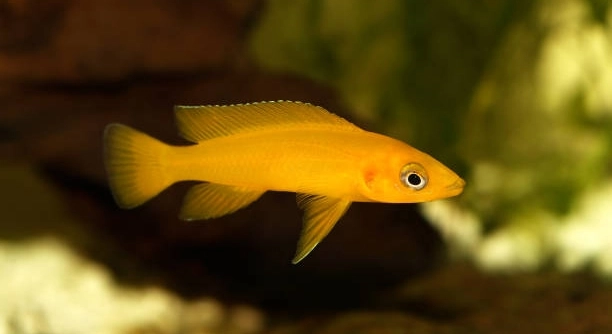
Lemon tetras are small, vibrant fish that brighten up any freshwater tank. Observing their behaviors can reveal a lot about their wellbeing and environment. Recognizing stress in these fish helps maintain a healthier aquarium ecosystem.
Lemon tetras exhibit stress through physical and behavioral changes, including color fading, erratic swimming, hiding, reduced appetite, and increased aggression. Monitoring these signs is crucial for timely intervention to ensure their long-term health and stability.
Identifying these stress signals early will help you create a calmer, safer environment for your lemon tetras. Proper care ensures they thrive and remain active in your aquarium.
Changes in Color
Lemon tetras often show stress through changes in their bright yellow coloration. When stressed, their vibrant hues may fade, and they can appear duller than usual. This shift in color is a natural response to discomfort, poor water quality, or sudden environmental changes. Stress can also cause intermittent blotches or darkening along the body, making them look less healthy. Paying attention to these subtle variations is important because it can be one of the earliest signs that something in their tank is not right. Color changes often occur alongside other behaviors like hiding or reduced activity. Adjusting tank conditions, ensuring proper diet, and keeping water clean can help restore their natural appearance over time. Even small improvements, such as maintaining stable temperature or providing hiding spots, can significantly reduce stress and encourage their normal bright coloration to return.
Faded colors indicate stress, poor water conditions, or illness. Timely adjustments help maintain their natural yellow vibrancy and overall health.
Monitoring color changes closely ensures you can respond before more serious problems arise. Regular observation helps maintain a stable, comfortable environment for your lemon tetras, supporting both their wellbeing and natural beauty in the tank.
Hiding Behavior
When lemon tetras feel stressed, they tend to hide more than usual. This behavior is a protective instinct, often triggered by new tank mates, loud noises, or abrupt movements around the aquarium.
Hiding is a sign the fish are feeling unsafe, and persistent concealment can affect their feeding and social behavior.
To address this, ensure the tank has plenty of plants, decorations, and shaded areas for them to retreat when needed. Avoid sudden changes in lighting or introducing too many new fish at once. Observing their patterns will help you understand which triggers cause stress. Over time, creating a predictable routine with calm handling, stable temperature, and clean water will encourage them to emerge more confidently. Interactions should be gentle, and feeding should occur consistently to reinforce a sense of security. Reducing stress through these measures will allow lemon tetras to regain normal activity and maintain their health.
Erratic Swimming
Erratic swimming is a clear sign of stress in lemon tetras. Sudden bursts of speed, darting around, or swimming in circles often indicate discomfort or environmental issues.
This behavior usually appears when water conditions are unstable, such as improper temperature, high ammonia, or fluctuating pH levels. Stress can also come from overcrowding or aggressive tank mates. Observing patterns in swimming can help identify specific triggers. Addressing these issues quickly, like stabilizing water parameters and providing adequate space, helps reduce anxiety and restores normal movement.
Persistent erratic swimming may lead to exhaustion or injury. Ensuring consistent tank conditions, balanced diet, and calm surroundings allows the fish to regain regular swimming patterns and reduces long-term stress effects.
Loss of Appetite
A stressed lemon tetra often loses interest in food, which can impact overall health and energy levels. This reduction in feeding is noticeable when fish ignore their usual meals or eat less than usual.
Loss of appetite can be caused by poor water quality, sudden changes in environment, or stress from new tank mates. Over time, this can weaken their immune system, making them more susceptible to illness. Monitoring feeding habits and observing for other stress signs can help pinpoint the cause.
To encourage normal eating, maintain clean water, provide a varied diet, and minimize disturbances. Gradually introducing high-quality foods and ensuring a calm environment helps them regain appetite, promoting growth, energy, and better resilience against stress-related health issues.
Clamped Fins
Clamped fins are a common stress indicator in lemon tetras. When fins remain close to the body instead of fanning out naturally, it shows discomfort or poor health.
This behavior often signals water quality issues, sudden temperature changes, or prolonged stress from aggressive tank mates.
Rapid Gill Movement
Rapid gill movement indicates that lemon tetras are struggling to breathe comfortably. Stressful conditions, low oxygen levels, or poor water quality often trigger this response.
Maintaining proper aeration, consistent water parameters, and a clean environment helps reduce rapid gill movement and supports overall fish health.
Social Withdrawal
Stressed lemon tetras may isolate themselves from the group, avoiding usual schooling behavior. This withdrawal reflects fear, discomfort, or environmental stressors affecting their sense of safety.
FAQ
How can I tell if my lemon tetra is stressed?
Signs of stress in lemon tetras include faded colors, clamped fins, hiding, erratic swimming, rapid gill movement, loss of appetite, and social withdrawal. Observing your fish daily helps spot these behaviors early, allowing you to adjust tank conditions before the stress worsens.
What causes stress in lemon tetras?
Stress can result from poor water quality, fluctuating temperature, overcrowding, aggressive tank mates, or sudden changes in the environment. Even small disturbances, like loud noises or abrupt movements near the tank, can trigger stress. Stable, calm surroundings help maintain their wellbeing.
How can I improve water quality for stressed fish?
Regular water changes, proper filtration, and monitoring pH, ammonia, nitrite, and nitrate levels are essential. Keeping the water clean and consistent reduces stress and promotes healthy behavior. Avoid overfeeding, as leftover food can quickly deteriorate water quality.
What role does tank size play in stress?
Lemon tetras thrive in moderately sized tanks with sufficient swimming space. Overcrowding increases aggression and anxiety. Providing at least 10 gallons for a small group ensures they have room to school and establish a comfortable hierarchy.
How important is hiding space?
Plants, rocks, and decorations give lemon tetras areas to retreat when stressed. Hiding spaces reduce anxiety, allow natural behavior, and help them feel secure. Including both open swimming areas and shaded spots balances their need for safety and activity.
Can diet affect stress levels?
Yes. A balanced diet with high-quality flakes, micro pellets, and occasional live or frozen food strengthens the immune system. Malnutrition or sudden dietary changes can increase stress, reduce energy, and make them more susceptible to disease.
Should stressed lemon tetras be isolated?
Isolation is rarely necessary unless a fish is injured or sick. Lemon tetras are schooling fish and rely on social interaction. Removing them can worsen stress. Instead, focus on improving tank conditions and minimizing stress triggers while keeping the group intact.
How long does it take for stressed fish to recover?
Recovery depends on the stress severity and environment. Minor stress can improve within a few days if water quality is stabilized and stressors are removed. Chronic stress may take weeks, and persistent issues require careful monitoring to prevent illness.
Can changing tank mates help reduce stress?
Yes. Aggressive or overly active fish can stress lemon tetras. Introducing compatible species and avoiding frequent changes reduces conflicts and helps maintain a calm tank environment. Observing interactions before making permanent changes is important.
What daily care can prevent stress?
Daily observation, consistent feeding, maintaining water parameters, and avoiding sudden disturbances are key. Regular maintenance and a stable environment help lemon tetras stay healthy, active, and brightly colored. Consistency is crucial in preventing long-term stress.
How does lighting affect lemon tetra stress?
Too bright or constantly changing light can stress fish. A consistent day-night cycle with moderate lighting mimics natural conditions. Providing shaded areas under plants or decorations helps them regulate exposure and reduces anxiety.
Is it normal for lemon tetras to be shy or hide occasionally?
Yes. Occasional hiding or shy behavior can be normal, especially in a new tank. Persistent hiding, loss of color, or erratic swimming indicates stress that requires attention. Creating a secure, balanced environment encourages normal social and active behavior.
Can temperature fluctuations cause stress?
Sudden changes in water temperature can shock lemon tetras, leading to stress. Keeping the tank within 72–78°F (22–26°C) and using a reliable heater and thermometer helps maintain stable conditions and prevents health issues.
How can I encourage schooling behavior in stressed tetras?
Ensuring enough space, maintaining stable water conditions, and minimizing stressors encourages lemon tetras to school naturally. Consistent feeding and social interaction with other tetras support group cohesion and reduce anxiety.
When should I consult a veterinarian?
If stress signs persist despite stable conditions, water quality adjustments, and proper care, a veterinarian can help rule out disease or underlying health issues. Early intervention improves recovery chances and prevents serious complications.
Lemon tetras are small but sensitive fish that react quickly to changes in their environment. Observing their behavior closely is the best way to ensure they remain healthy and active. Stress in these fish often shows through subtle signs, such as faded colors, clamped fins, hiding, or erratic swimming. Even small environmental changes, like a sudden temperature shift, overcrowding, or new tank mates, can trigger stress. Being aware of these factors helps prevent long-term health problems and keeps the fish comfortable in their tank. Regular observation allows you to notice even minor behavioral changes early, giving you the opportunity to make adjustments before the stress becomes more serious. Maintaining a stable and clean tank is crucial because lemon tetras are sensitive to water conditions. By keeping the water parameters consistent and providing adequate space, you can reduce the likelihood of stress and encourage natural, healthy behaviors.
Creating a suitable environment involves more than just clean water. Plants, decorations, and hiding spaces are important for providing a sense of security. Lemon tetras naturally school and feel safer in groups, so maintaining an appropriate number of fish is essential for their wellbeing. In addition to the physical setup, diet plays an important role in reducing stress. A balanced diet of high-quality flakes, micro pellets, and occasional live or frozen foods supports their immune system and overall energy levels. Feeding should be consistent but not excessive, as leftover food can harm water quality and create additional stress. Light and temperature should also be considered carefully. Stable lighting with a natural day-night cycle and water maintained between 72–78°F (22–26°C) helps mimic their natural habitat, which further reduces stress. Minor adjustments to the tank environment, like gentle aeration and careful placement of tank decorations, can have a big impact on the fish’s comfort.
Even with careful attention, lemon tetras may occasionally show stress due to unavoidable factors, such as changes in household activity or minor water fluctuations. The key is to respond calmly and consistently. Monitoring their behavior, keeping water quality high, maintaining stable temperatures, and providing a safe, enriched environment all contribute to their recovery and ongoing wellbeing. Stress does not always indicate illness, but it should never be ignored because prolonged stress weakens their immune system and makes them more susceptible to disease. By understanding how lemon tetras react and addressing the causes promptly, you can create a healthy, peaceful aquarium where they thrive. Consistency in care, awareness of their behavior, and small adjustments when needed will keep your lemon tetras active, colorful, and happy in the tank.

Hello,
If you enjoy the content that we create, please consider saying a "Thank You!" by leaving a tip.
Every little bit helps us continue crafting quality advice that supports the health, happiness, and well-being of pets around the world, for pets of all shapes, sizes, and species.
We really appreciate the kindness and support that you show us!