
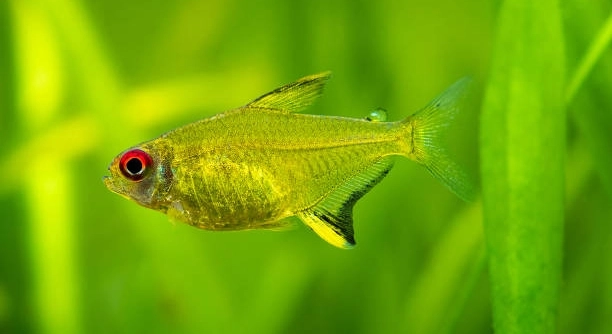
Are your lemon tetras spending more time at the water surface than exploring the middle and lower levels of the tank? Observing this behavior can be concerning, as it may indicate an underlying issue in their environment or health.
The primary reason lemon tetras skim the surface is often linked to low oxygen levels in the water. Insufficient aeration or poor water circulation can cause them to seek oxygen-rich areas near the surface, ensuring their survival in the aquarium environment.
Understanding these factors will help you maintain a healthier aquarium and keep your lemon tetras active and comfortable in their habitat.
Common Causes of Surface Skimming
Lemon tetras skimming the surface is often linked to environmental factors in the aquarium. One common issue is low oxygen levels. Water with inadequate aeration or poor circulation can make it difficult for fish to breathe comfortably. Another factor is water temperature. Warmer water holds less oxygen, prompting fish to swim near the surface where oxygen levels are slightly higher. Overcrowding in the tank can also stress the fish, causing them to seek more oxygenated areas. Additionally, poor water quality, such as high levels of ammonia or nitrites, can irritate gills and lead to surface skimming. Even diet plays a role; underfed or malnourished fish may become lethargic and spend more time near the surface. Observing patterns in their behavior alongside water parameters can help pinpoint the cause. Addressing these factors ensures healthier, more active lemon tetras in their aquarium environment.
Maintaining proper water conditions and providing sufficient space often resolves surface-skimming behavior effectively.
Regular monitoring of water oxygen, temperature, and tank population helps prevent recurring issues.
Improving Oxygen Levels in the Aquarium
Aeration devices can significantly increase oxygen levels for lemon tetras.
Using an air stone or a filter with strong water flow improves oxygen distribution. It is important to ensure the current is gentle enough for small fish to swim comfortably. Regular partial water changes also help replenish oxygen while removing waste that depletes water quality. Keeping plants in the aquarium can contribute to oxygenation during daylight hours, though they also consume oxygen at night, so balance is key. Monitoring dissolved oxygen levels with a simple test kit provides insight into when adjustments are needed. Observing fish behavior in response to these changes confirms whether oxygen levels have improved. Over time, maintaining stable oxygen conditions reduces stress and promotes normal swimming patterns, keeping lemon tetras healthy and more visually active throughout the tank. A combination of mechanical and natural methods creates a balanced, thriving environment.
Adjusting Water Temperature
Maintaining a stable water temperature is essential for lemon tetras. Sudden fluctuations can stress the fish and reduce oxygen levels, causing them to linger near the surface. Using a reliable heater and thermometer ensures consistency in the tank.
Ideal water temperature for lemon tetras ranges between 74°F and 80°F. Temperatures above this range reduce dissolved oxygen, prompting surface-skimming behavior. Consistent heating prevents stress-related illnesses, keeping fish active throughout the tank. Gradual adjustments during seasonal changes are safer than sudden shifts, which can shock the fish. Monitoring both temperature and fish behavior helps identify problems early. A well-regulated tank also supports plant growth and maintains a balanced ecosystem.
Extreme cold can also slow metabolism, leading to lethargy and surface swimming. Avoid placing the aquarium near windows, vents, or heaters, as external temperature changes affect stability. Ensuring proper insulation and covering the tank can help maintain an even temperature. Observing fish daily provides clues about whether temperature adjustments are sufficient. A stable environment allows lemon tetras to swim naturally and interact with their surroundings without stress.
Feeding and Nutrition
Providing a balanced diet directly impacts fish behavior and energy levels.
Lemon tetras need a mix of high-quality flake food, frozen or live options such as brine shrimp, daphnia, or bloodworms. Overfeeding can pollute the water, while underfeeding reduces energy, making fish more likely to stay near the surface. Feeding small amounts multiple times a day encourages active swimming and normal behavior. Variety in diet ensures all nutritional needs are met, supporting growth, color, and overall vitality.
Ignoring dietary needs can lead to nutritional deficiencies, which affect swimming patterns and immune function. Fish lacking protein or essential vitamins may appear lethargic and cluster near the surface. Observing feeding habits helps adjust portions and frequency. Using sinking or floating foods can also influence activity levels, encouraging fish to explore different water levels. Regularly rotating food types prevents boredom and promotes a healthier, more dynamic environment. Balanced nutrition directly correlates with improved behavior, reducing stress-related surface swimming.
Tank Size and Space
A small or overcrowded tank can cause stress and force lemon tetras to stay near the surface. Each tetra needs enough room to swim freely and establish territories within the aquarium.
Providing at least 10 gallons for a small group helps reduce competition and aggression.
Water Quality Maintenance
Regular water changes and filtration are essential to prevent surface-skimming behavior. Removing waste and toxins ensures fish remain healthy. Clean water promotes proper oxygen levels and prevents irritation to gills, reducing the need for fish to seek oxygen at the surface. Consistent testing for ammonia, nitrites, and nitrates supports a safe environment.
Plant Placement
Dense or poorly positioned plants can limit swimming space. Rearranging plants can encourage lemon tetras to explore lower and middle levels of the tank.
Observing Fish Behavior
Tracking daily activity provides insight into tank conditions. Changes in swimming patterns may indicate environmental or health issues requiring attention.
FAQ
Why are my lemon tetras always at the surface?
Lemon tetras often swim near the surface due to low oxygen levels, high water temperatures, or poor water quality. Stress from overcrowding or sudden changes in the tank can also make them stay near the surface. Regular monitoring of oxygen, temperature, and cleanliness usually resolves this issue.
Can water temperature really affect their behavior?
Yes. Lemon tetras are sensitive to temperature changes. Water that is too warm reduces oxygen availability, causing them to seek the surface. Consistent temperature, ideally between 74°F and 80°F, keeps them active and swimming throughout all levels of the tank.
How do I improve oxygen in the tank?
Aeration devices like air stones or filters with gentle water flow increase oxygen levels. Partial water changes also help replenish oxygen and remove toxins. Live plants contribute during the day but consume oxygen at night, so a balanced setup is important.
Does tank size matter for surface-skimming behavior?
Absolutely. Overcrowded tanks force lemon tetras to compete for space and oxygen. A minimum of 10 gallons for a small group allows them to swim freely and reduces stress. Proper layout with open swimming areas encourages natural behavior.
Could diet influence this behavior?
Yes. Underfed or malnourished fish may linger near the surface, appearing lethargic. Feeding a balanced diet of high-quality flakes, frozen, or live food several times a day keeps energy levels up and promotes swimming at all tank levels. Variety is important for nutrition.
Is poor water quality a reason for surface swimming?
Yes. High levels of ammonia, nitrites, or nitrates irritate gills and make fish seek cleaner, oxygen-rich water at the surface. Regular water testing, partial water changes, and proper filtration are essential for preventing this behavior.
Do lemon tetras swim at the surface when sick?
Sickness can lead to surface swimming. Respiratory stress from infections or parasites often causes them to seek oxygen-rich water. Observing for other signs, such as clamped fins, loss of color, or unusual swimming patterns, helps determine if health issues are involved.
How do plants affect surface-skimming behavior?
Plants provide shelter but can also limit swimming space if dense or poorly positioned. Rearranging plants to create open areas encourages lemon tetras to explore the middle and lower levels of the tank, promoting natural behavior and reducing surface dependence.
Can overfeeding impact this behavior?
Yes. Overfeeding can pollute water, reducing oxygen levels and prompting surface swimming. It’s best to feed small portions multiple times a day and remove uneaten food promptly. Proper feeding routines help maintain both water quality and fish activity.
What signs show that the tank environment is improving?
When oxygen, temperature, diet, and water quality are addressed, lemon tetras start exploring all tank levels. They become more active, show natural schooling behavior, and maintain bright color. Monitoring daily activity helps confirm that adjustments are effective.
Should I adjust filtration or aeration if behavior persists?
If surface-skimming continues despite water changes, adjusting filtration and adding aeration can help. Ensure water flow is gentle enough for small fish but effective in oxygenating the tank. Observing fish after changes confirms if the setup is balanced.
How often should I test the water?
Regular testing of ammonia, nitrites, nitrates, and pH is essential, ideally weekly. Consistent monitoring prevents conditions that cause stress and surface-skimming behavior. Early detection of issues makes management easier and keeps lemon tetras healthier.
Are there environmental changes that stress lemon tetras?
Yes. Sudden lighting changes, loud vibrations, or tank rearrangements can cause stress. Stressed fish often seek the surface for safety or easier access to oxygen. Maintaining a stable and predictable environment helps them feel secure and swim naturally.
Do all lemon tetras exhibit surface-skimming behavior?
Not always. Some are more sensitive to oxygen levels or stress. Observing individual behavior alongside environmental factors helps identify why certain fish prefer the surface. Adjustments tailored to the tank and group behavior reduce this tendency over time.
Can introducing new fish cause surface-skimming?
Yes. New additions can temporarily increase stress and competition for oxygen. Gradual acclimation, quarantine procedures, and careful monitoring ensure the existing tetras maintain normal swimming patterns while adjusting to changes in the tank.
How long does it take for behavior to normalize?
Depending on the cause, improvements can be seen within days to weeks. Consistent water quality, proper diet, stable temperature, and sufficient space gradually restore normal swimming behavior and reduce surface-skimming tendencies.
Are there quick fixes for oxygen levels?
Increasing aeration or temporarily lowering water temperature can quickly boost oxygen levels. Partial water changes also provide immediate relief. Long-term solutions involve maintaining steady conditions to prevent recurring surface-skimming behavior.
Do lemon tetras need schooling to feel secure?
Yes. Lemon tetras are social fish and feel safer in groups of at least six. Schooling reduces stress, encourages active swimming, and minimizes the tendency to stay at the surface. Proper group sizes support natural behavior and overall health.
Can tap water quality affect surface behavior?
Tap water with high chlorine or heavy metals can irritate fish and reduce oxygen levels. Using a water conditioner and testing water before adding it to the tank ensures a safe environment, supporting normal swimming behavior throughout the tank.
How does lighting impact swimming patterns?
Excessive or sudden lighting can stress fish, causing them to linger near the surface. Gentle, consistent lighting mimics natural day-night cycles and encourages exploration of all tank levels while reducing anxiety-related surface swimming.
Is there a link between gill health and surface-skimming?
Yes. Damaged or inflamed gills reduce oxygen intake efficiency, prompting fish to swim near the surface. Maintaining water quality, proper diet, and observing for signs of infection helps prevent gill-related surface-skimming behavior.
Can seasonal changes affect behavior?
Seasonal temperature shifts or humidity changes can alter water temperature and oxygen levels. Gradual adjustments with a stable heater and monitoring ensure lemon tetras maintain normal swimming patterns despite external changes.
What long-term practices prevent surface-skimming?
Regular water testing, consistent feeding, proper tank size, stable temperature, and sufficient aeration prevent recurring surface-skimming. Observing fish daily and making adjustments as needed ensures a balanced environment, supporting the health and activity of lemon tetras over time.
How do I know if behavior is normal or a warning sign?
Occasional surface swimming is normal, especially during feeding. Persistent or widespread surface-skimming combined with lethargy, loss of color, or rapid gill movement indicates an environmental or health issue requiring attention. Regular observation helps distinguish normal from concerning behavior.
Are there any quick behavioral adjustments I can make?
Minor tank rearrangements, adding floating plants, or adjusting water flow can encourage movement to middle and lower levels. These small changes, combined with stable conditions, help restore natural swimming behavior gradually.
Can filtration alone solve surface-skimming?
Filtration helps maintain water quality but may not fully address oxygen or temperature issues. A combination of aeration, proper heating, and clean water is necessary to reduce persistent surface-skimming.
Do lemon tetras ever prefer the surface naturally?
Yes. Occasional surface exploration is normal, especially during feeding or for oxygen intake. Consistently staying at the surface, however, indicates a problem with the environment, diet, or health that should be addressed promptly.
How do I balance plants and open swimming space?
Arrange plants to provide shelter without overcrowding. Open areas allow lemon tetras to swim freely while dense sections offer hiding spots, creating a balanced environment that encourages natural movement across all tank levels.
Can adding more fish fix surface-skimming?
Adding fish may increase stress and competition for oxygen, making surface-skimming worse. Only adjust population carefully, ensuring sufficient space, oxygen, and resources before introducing new individuals.
Should I monitor behavior daily?
Yes. Daily observation helps detect stress, illness, or environmental changes early. Tracking activity patterns ensures any adjustments in feeding, temperature, or aeration are effective in promoting normal swimming behavior.
Is it normal for juveniles to swim at the surface?
Young lemon tetras sometimes stay near the surface while acclimating to the tank. Persistent surface swimming beyond the acclimation period indicates a need to check oxygen, temperature, or water quality.
Do surface-skimming patterns differ between males and females?
Not significantly. Both genders may swim near the surface under stress or low oxygen conditions. Behavioral differences are usually individual rather than gender-specific.
How long should I wait after making changes to see results?
Behavioral improvements often appear within a few days but may take up to two weeks. Continuous monitoring ensures adjustments are effective and allows for further refinements if needed.
Are there signs that indicate oxygen levels are too low?
Rapid gill movement, gasping at the surface, or clustering near air bubbles are clear indicators. These signs should prompt immediate action to improve aeration and water circulation.
Can lighting adjustments reduce surface-skimming?
Yes. Gradual, consistent lighting supports natural activity patterns. Avoid bright or sudden changes that stress fish and encourage prolonged surface swimming.
Do lemon tetras ever overcompensate by swimming too deep?
Unlikely. Surface-skimming is usually a response to oxygen stress. Correcting water conditions encourages them to explore all tank levels without abnormal deep swimming.
Is quarantine necessary for new fish to prevent surface-skimming?
Quarantining prevents disease introduction that can stress existing tetras and cause surface-skimming. Observing new fish for a few weeks ensures they are healthy before joining the main tank.
Can water additives improve oxygen levels?
Some additives release oxygen, but they are temporary solutions. Long-term improvement requires aeration, filtration, and stable water parameters to maintain healthy swimming behavior.
Do lemon tetras need hiding spots to reduce surface-skimming?
Yes. Providing shelter reduces stress and allows fish to feel secure in lower tank areas. Proper plant placement or decorations encourage natural exploration and reduce reliance on the surface.
How often should I clean the filter?
Cleaning the filter monthly or as recommended by the manufacturer prevents clogging, maintains water flow, and ensures oxygen distribution, supporting normal swimming patterns.
Can algae growth affect surface behavior?
Excess algae may reduce water quality and oxygen levels. Regular removal and balance with live plants prevent water stress that causes surface-skimming behavior.
Is it necessary to simulate natural daylight cycles?
Yes. Consistent light and dark periods regulate activity and feeding behavior, encouraging movement through all tank levels and reducing surface-skimming caused by stress.
Do lemon tetras ever show signs of boredom that lead to surface-skimming?
Boredom is rare but limited space or lack of environmental stimulation can lead to repetitive surface swimming. Providing varied decor and open swimming areas keeps them engaged.
How do I combine multiple solutions effectively?
Addressing oxygen, temperature, diet, tank size, and plants together creates a stable environment. Monitoring fish response ensures all factors work in harmony to reduce surface-skimming.
Is partial water change enough to prevent this behavior?
Partial changes help maintain water quality but should be paired with aeration, temperature control, and proper feeding to fully address surface-skimming tendencies.
Do lemon tetras need companions for normal swimming behavior?
Yes. Being schooling fish, they thrive in groups, which encourages movement across all tank levels and reduces stress-related surface-skimming.
Can surface-skimming cause long-term health problems?
Persistent oxygen deprivation or stress from poor conditions can affect growth, immune function, and lifespan. Correcting underlying causes prevents long-term negative impacts.
How do I know if adjustments are working?
Increased activity, exploration of lower tank levels, normal gill movement, and bright coloration indicate improvements. Daily observation confirms progress and helps fine-tune conditions.
Are there signs that indicate feeding adjustments are needed?
Uneaten food, lethargy, or clustering at the surface suggests feeding routines may need modification. Adjusting portion size, frequency, and variety supports active swimming and health.
Does water hardness affect surface-skimming?
Extreme hardness can stress lemon tetras. Maintaining moderate hardness suitable for their species helps keep them comfortable and reduces unnecessary surface swimming.
Can tank decorations impact oxygen flow?
Large or densely packed decorations may block water circulation, reducing oxygen levels. Proper placement ensures open areas and unobstructed flow for healthier swimming behavior.
Should I adjust feeding times to reduce surface-skimming?
Feeding small amounts several times a day encourages activity across tank levels. Regular, predictable feeding schedules support normal behavior and reduce clustering at the surface.
How do I balance multiple factors at once?
Monitoring temperature, oxygen, diet, water quality, and tank layout together allows you to make small adjustments as needed. Balanced management prevents stress and promotes natural swimming throughout the tank.
Can lemon tetras recover fully from surface-skimming stress?
Yes. With stable water conditions, proper diet, sufficient space, and monitoring, fish typically return to normal swimming patterns and maintain long-term health and vitality.
Final Thoughts
Maintaining a healthy environment for lemon tetras requires attention to multiple factors. Observing fish behavior is the first step in understanding their needs. Surface-skimming is usually a signal that something in the tank needs adjustment, whether it is oxygen levels, water quality, temperature, or feeding routines. Consistently monitoring the tank allows for early detection of potential problems, preventing stress and illness in your fish. Small, regular changes in tank care often have a greater impact than occasional, dramatic adjustments. Keeping a stable environment helps the tetras feel secure and encourages natural swimming behavior. Over time, this consistent approach reduces the chances of persistent surface-skimming and other stress-related behaviors.
Water quality is one of the most important aspects of maintaining a healthy tank. Regular partial water changes remove waste and toxins that can irritate gills and affect oxygen levels. Filtration is also essential for maintaining a clean and stable environment. It is important to ensure that filters are cleaned regularly and that water flow is gentle enough for small fish. Aeration devices, such as air stones, improve oxygen distribution and reduce the tendency for tetras to stay near the surface. Live plants can support oxygen levels during daylight hours, but careful balance is needed since they consume oxygen at night. Testing water parameters frequently ensures that ammonia, nitrites, nitrates, and pH remain within safe ranges. By paying attention to these details, lemon tetras can thrive and exhibit normal, active behavior throughout all areas of the tank.
Feeding and nutrition also play a significant role in behavior. A balanced diet of high-quality flakes, frozen, or live food supports energy levels and overall health. Underfeeding can leave fish lethargic and more likely to linger near the surface, while overfeeding can pollute water and create oxygen-depleting conditions. Offering food in small amounts several times a day helps maintain consistent activity levels. Additionally, proper tank size and arrangement influence swimming patterns. Overcrowding or limited open areas can stress fish, making surface-skimming more common. Providing adequate space and creating a balanced layout with both open swimming areas and shelter reduces stress. Observing how lemon tetras respond to these changes allows you to fine-tune the environment to their needs. When water quality, temperature, diet, and tank layout are properly managed, lemon tetras will return to normal swimming patterns, maintaining their health and vibrancy in the aquarium.

Hello,
If you enjoy the content that we create, please consider saying a "Thank You!" by leaving a tip.
Every little bit helps us continue crafting quality advice that supports the health, happiness, and well-being of pets around the world, for pets of all shapes, sizes, and species.
We really appreciate the kindness and support that you show us!