
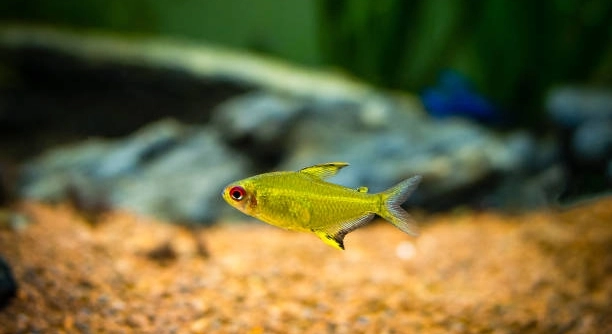
Lemon tetras are small, vibrant fish that brighten any freshwater aquarium. Observing them can be delightful, especially when they interact with their surroundings. Their daily routines, including swimming patterns and feeding habits, reveal interesting behavioral traits that many aquarists enjoy.
Lemon tetras have the ability to remember feeding spots and routines. Studies indicate that these fish use spatial memory to locate areas where food is consistently provided, demonstrating both short-term and long-term memory capabilities in their natural or captive environment.
Understanding how lemon tetras remember feeding locations can improve care and feeding strategies, enhancing their health and creating a more engaging aquarium environment for both fish and owner.
How Lemon Tetras Learn Feeding Spots
Lemon tetras are attentive fish that quickly notice where food appears in their tank. When feeding is consistent, they begin to associate specific areas with meals. Observing them, you can see them swim purposefully toward those spots, even when food isn’t immediately visible. This behavior demonstrates their spatial awareness and memory retention. Over time, they learn not only the location but also the timing of feedings. Their ability to remember helps reduce stress, as they feel more secure in their environment. Using the same feeding spot consistently can make the fish more comfortable and confident. In addition, this learned behavior allows them to compete efficiently for food without unnecessary wandering. Keeping routines predictable benefits their overall health, supporting regular activity and natural instincts. Repetition and consistency are key in helping lemon tetras form lasting memories, making tank management easier for those caring for them. Observing these responses is both fascinating and informative for maintaining their well-being.
Maintaining a single, consistent feeding area enhances memory retention and promotes natural, calm behavior in lemon tetras, reducing unnecessary stress.
Recognizing these patterns can help in designing an aquarium that caters to the fish’s natural tendencies. Using visual markers or specific tank features can aid in training them. Feeding at consistent times and places creates routine, helping them anticipate meals and stay active. This behavior can be observed over weeks, showing clear evidence of memory and learning. Lemon tetras are small but capable learners, and providing structure in feeding reinforces their confidence. Such consistency also allows caretakers to monitor health more easily, as deviations in behavior can signal issues. This approach supports both mental and physical stimulation, ensuring fish remain engaged and healthy within their environment. The result is a tank that runs smoothly, where fish feel secure and maintain regular activity, benefiting both their diet and social interactions.
Signs Lemon Tetras Remember Their Feeding Spots
Lemon tetras will often gather near the feeding area before food is introduced. They become alert and swim with purpose toward familiar locations.
Repeated observations confirm that these fish retain both spatial and temporal memory. They respond to cues from previous feedings, such as time of day and location, showing they recognize patterns. When food is placed in a new spot, they explore and gradually adjust, demonstrating adaptability. This memory helps them compete efficiently and reduces wasted energy. Fish that are accustomed to consistent feeding locations display less stress and maintain smoother swimming patterns, indicating comfort and confidence. Over months, they can remember multiple locations and routines, especially if feedings are frequent and structured. Caretakers can leverage this behavior by varying feeding techniques or locations, encouraging natural foraging instincts while still maintaining consistency. Observing these adaptations offers insight into their learning capacity and enhances the overall care strategy, supporting mental stimulation and healthy interactions among tank mates.
Training Lemon Tetras to Recognize Feeding Areas
Consistency is key when training lemon tetras. Feeding them at the same spot each day encourages memory formation. They quickly learn to associate that area with food, reducing stress and creating smoother daily routines.
Using a consistent location and timing strengthens their memory. Over repeated feedings, lemon tetras begin to swim toward the designated spot even before food appears. Visual cues, such as a plant or decoration near the feeding area, can reinforce learning. Patience is important, as each fish may learn at a slightly different pace. Gentle observation allows you to track progress and adjust strategies, ensuring that all fish respond well.
Training also promotes natural behavior. Lemon tetras explore and interact with their environment, developing spatial awareness and confidence. Using structured feeding encourages healthy activity and prevents aimless swimming. Gradually, they can anticipate meals, showing both short-term and long-term memory. This method simplifies feeding management while supporting overall fish well-being, creating a tank environment that is predictable and secure.
Environmental Factors Affecting Feeding Memory
Tank setup influences how well lemon tetras remember feeding locations. Clear visibility and minimal clutter allow easier recognition of food spots. Consistent lighting and routine reduce confusion, helping them learn efficiently.
Environmental stability is critical for memory retention. Sudden changes in tank decorations or water conditions can disrupt learned behavior, causing stress. Providing hiding spaces and structured territories helps fish feel secure while learning feeding patterns. Tankmates also affect memory; overcrowding or aggressive species may interfere with feeding routines, making it harder for lemon tetras to locate meals reliably. Maintaining clean water and stable parameters ensures their behavior remains predictable. Gradually introducing minor changes can help them adapt while preserving established feeding habits. By creating a stable, visually clear, and well-managed environment, caretakers support both learning and overall health. Lemon tetras thrive when conditions allow them to focus on consistent feeding cues, demonstrating their natural capacity for spatial memory.
Recognizing Individual Feeding Patterns
Lemon tetras develop personal habits around feeding. Some swim directly to food, while others hang back and observe. Watching these differences helps in understanding each fish’s behavior and adjusting feeding strategies to ensure all fish receive nutrition consistently.
Noticing patterns early can prevent conflicts. Fish that consistently reach food first may dominate, while slower individuals may need attention. Using multiple feeding spots or spreading food evenly reduces competition. Observing behavior daily allows caretakers to maintain balance in the tank and support all fish. Recognizing individual tendencies encourages healthier interactions and ensures consistent feeding success.
Tools to Enhance Memory
Markers like floating plants or distinct decorations help lemon tetras identify feeding spots. Visual cues reinforce learning and improve their spatial memory over time. Consistent placement of these markers ensures the fish associate them with food. This simple method can make feeding smoother and reduce stress for the fish.
Timing and Routine
Feeding at consistent times strengthens memory. Lemon tetras quickly learn schedules, swimming to the feeding area when they anticipate food. Predictable routines promote natural activity, reduce anxiety, and encourage confident behavior in the tank.
FAQ
Can lemon tetras remember multiple feeding spots?
Yes, lemon tetras can remember more than one feeding location if these spots are consistently used. Their memory is supported by repetition and environmental cues. Over time, they can navigate between different areas to find food efficiently, demonstrating both spatial awareness and adaptability. Providing clear markers near each feeding spot helps them distinguish locations, allowing all fish to benefit and preventing overcrowding or stress during meals.
How long does it take for lemon tetras to learn a feeding spot?
Learning speed varies among individual fish, but many lemon tetras start recognizing a feeding area within a few days of consistent routine. Repetition and visual cues accelerate learning. Fish exposed to regular feeding schedules quickly associate the location with food and begin swimming directly there when it is feeding time. Observing their behavior over the first week allows caretakers to assess how effectively the fish are learning and make minor adjustments if necessary.
Will changing the feeding spot confuse lemon tetras?
Sudden changes can disrupt their memory temporarily. Lemon tetras rely on routine and visual markers to recognize feeding locations. Moving food without gradually introducing the new area may cause hesitation, stress, or increased swimming activity. A gradual transition, such as alternating between the old and new locations for several days, helps them adapt while reinforcing memory. Over time, they adjust and learn the new spot, maintaining predictable feeding behavior.
Do tankmates affect their ability to remember feeding areas?
Yes, the presence of other fish can impact memory and behavior during feeding. Aggressive or fast-moving tankmates may dominate the feeding spot, making it difficult for lemon tetras to access food consistently. Stress or competition can interfere with learning, causing slower memory formation or hesitation. Ensuring enough space, multiple feeding points, and a balanced social environment helps them retain learned feeding spots and reduces conflicts. Observation of daily interactions is key to adjusting feeding strategies.
Can environmental changes affect their feeding memory?
Lemon tetras are sensitive to sudden changes in their environment. Alterations in tank layout, decorations, or lighting can temporarily confuse fish and disrupt established routines. Maintaining stability in water parameters, decorations, and feeding areas supports consistent behavior. Gradual changes are preferable, giving the fish time to adapt. Even minor adjustments can impact their comfort, but predictable environments help them retain memory and maintain healthy activity patterns.
Are visual cues essential for remembering feeding spots?
Yes, visual markers play a significant role in memory formation. Fish associate familiar decorations, plants, or tank features with feeding locations. These cues allow them to locate food efficiently and reduce stress during feeding. Clear and consistent visual markers create predictable patterns, making feeding smoother for both the fish and the caretaker. Without such cues, fish may swim erratically or take longer to find food, which can affect overall health and routine.
How do lemon tetras show they remember feeding areas?
They display anticipation and targeted swimming. Fish often approach the feeding spot before food is introduced, waiting near familiar locations. Short bursts of movement or increased activity around the area indicate recognition. Over time, consistent responses reflect both short-term and long-term memory. Observing these behaviors can help caretakers gauge learning and adjust feeding strategies to support all fish effectively.
Does age affect their memory abilities?
Younger lemon tetras tend to learn new feeding locations faster, while older fish may take longer to adapt to changes. Memory is generally stable, but frequent practice and repetition enhance retention across all ages. Providing routine and consistent cues ensures both young and older fish can locate food reliably. Regular observation allows caretakers to identify any fish that may struggle and provide extra support to maintain healthy feeding patterns.
Can stress impact feeding memory?
Stress can reduce memory performance. Overcrowding, aggressive tankmates, or sudden environmental changes can cause hesitation or erratic swimming, preventing effective recognition of feeding spots. Reducing stress through predictable routines, proper tank size, and stable water conditions ensures that lemon tetras maintain their memory and approach feeding confidently. Calm and secure fish show stronger learning patterns and better overall health.
Is it possible to train lemon tetras to respond to hand feeding?
Yes, hand feeding can be introduced gradually. By offering food consistently in a specific manner, fish learn to associate the caretaker’s presence with meals. Over time, they may swim to the feeding spot in response to cues like hand movement or dropping food. Patience and repetition are necessary, but this approach can reinforce memory and build structured routines, benefiting both fish and caretaker.
Do lemon tetras forget feeding spots if moved to a new tank?
Memory can persist for a short time, but a new tank introduces unfamiliar surroundings and may temporarily disrupt established routines. Visual cues and layout changes require adaptation. Gradually recreating familiar conditions, including decorations and feeding spots, helps them regain recognition. They generally adjust within days to weeks, using both memory and exploration to locate food reliably in the new environment.
How can caretakers reinforce feeding memory over time?
Consistency, visual cues, and repetition are essential. Feeding at regular times and locations strengthens memory retention. Observing fish and adjusting strategies to individual needs ensures all lemon tetras can access food efficiently. Multiple feeding spots, structured routines, and minimal stress create an environment where fish remember locations and maintain healthy, confident behavior. Regular reinforcement prevents forgetting and supports natural instincts.
Final Thoughts
Lemon tetras are small but remarkably capable fish, showing impressive memory and learning skills despite their size. Observing their behavior in the tank can reveal patterns that are both interesting and helpful for caretakers. These fish are able to remember feeding spots, respond to routine, and even recognize visual cues, which demonstrates their capacity for spatial awareness and memory retention. Understanding these traits is important for creating a comfortable environment where the fish can thrive. By maintaining consistency in feeding routines and using clear markers in the tank, caretakers can make feeding smoother and reduce stress for the fish. Structured feeding also encourages natural behaviors, as lemon tetras learn to navigate their environment efficiently, searching for food while staying active. This memory not only benefits the fish but also makes caring for them more predictable and manageable, allowing a harmonious and healthy tank.
Consistency plays a crucial role in helping lemon tetras retain memory of feeding spots. Feeding at the same location and time every day reinforces patterns that the fish can rely on. Visual cues such as plants, rocks, or decorations placed near feeding areas further strengthen memory, helping them associate these markers with food. It is important to recognize that each fish may have its own pace of learning, and some may need more time or multiple repetitions to fully understand where and when food is available. Stress or environmental changes can temporarily interfere with this memory, so maintaining stability in tank setup, water conditions, and the behavior of tankmates is essential. Over time, lemon tetras adjust to their routines and begin to anticipate meals, swimming purposefully toward feeding spots even before food is introduced. These observations show that memory in fish is influenced not only by repetition but also by environmental clarity, predictability, and minimal stress factors.
Feeding memory in lemon tetras has practical implications for their care and overall well-being. By understanding their ability to remember and respond to feeding spots, caretakers can improve daily routines and ensure all fish receive proper nutrition. Structured feeding helps prevent competition and reduces anxiety, while multiple feeding areas or carefully placed markers accommodate individual differences in behavior. These practices support natural activity, allowing the fish to remain healthy, confident, and engaged in their environment. Caretakers who pay attention to memory patterns and routine reinforcement are more likely to maintain a balanced tank where fish are comfortable and thriving. Observing these behaviors also provides insight into the intelligence and adaptability of lemon tetras, emphasizing the importance of structured care. Maintaining consistency, supporting learning with cues, and minimizing stress are simple but effective strategies that enhance both the mental and physical health of these small freshwater fish. By keeping these approaches in mind, caretakers can foster an environment that respects their natural abilities and encourages positive behaviors, ensuring the tank remains a stable, healthy habitat for all inhabitants.

Hello,
If you enjoy the content that we create, please consider saying a "Thank You!" by leaving a tip.
Every little bit helps us continue crafting quality advice that supports the health, happiness, and well-being of pets around the world, for pets of all shapes, sizes, and species.
We really appreciate the kindness and support that you show us!