
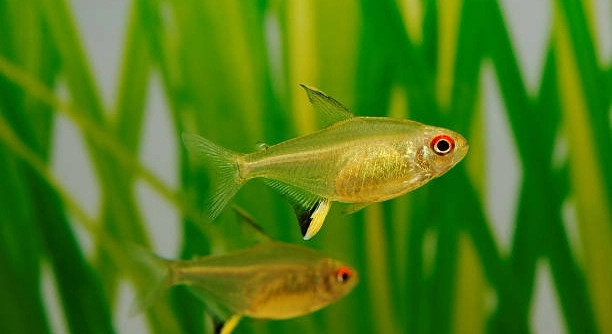
Lemon tetras are small, bright freshwater fish that bring life to any aquarium. Many aquarists enjoy decorating tanks, but it is important to consider how frequent changes affect these delicate fish’s behavior and comfort.
Lemon tetras generally prefer stable tank environments with minimal changes. Frequent rearrangement of plants, rocks, or decorations can cause stress, leading to reduced activity and hiding behaviors. Maintaining a consistent setup supports their well-being and natural schooling behavior.
Observing their reactions to subtle changes can help you create a more comfortable, visually appealing tank environment that benefits both the fish and the aquarium’s overall aesthetic.
How Lemon Tetras React to Changes
Lemon tetras are naturally cautious fish. When their tank scenery is changed, they often swim nervously or hide behind plants and decorations. Even small rearrangements, like moving a rock or adding a new plant, can make them hesitant to explore. They rely on familiar landmarks to feel safe, which helps them establish territories within the tank. When everything is familiar, they swim in schools confidently, displaying bright colors and active behavior. Sudden changes may also affect their feeding habits, as stress can make them less willing to approach food. Observing their reactions over a few days after changes is important. Gradual modifications are better than sudden shifts. Introducing new elements slowly allows the fish to adjust, reducing stress and maintaining their natural behavior patterns. Keeping a consistent environment ultimately helps them thrive while letting you still improve the tank’s aesthetics over time.
Watching their behavior closely after changes helps maintain a calm and healthy tank environment.
Adjustments like rearranging driftwood or swapping plants can be done slowly. This allows lemon tetras to get used to the new layout without stress. Even small changes can make a big difference in their comfort, so patience is key. Observing their daily swimming and schooling patterns will show whether they are adapting or stressed.
Best Practices for Tank Modifications
Making changes gradually is the safest approach for lemon tetras.
Slowly introducing new plants or decorations over several days helps minimize stress. Abrupt changes can cause hiding, erratic swimming, or loss of appetite. Starting with one small adjustment at a time is recommended.
When updating a tank, plan changes to maintain familiar zones. Avoid removing too many hiding spots at once, as this can cause fear and territorial disputes among the fish. Adding new features like smooth rocks or gentle plants is usually well tolerated if done in stages. Water conditions should remain stable during modifications because lemon tetras are sensitive to temperature, pH, and chemical fluctuations. Monitoring their reactions after each change helps you determine whether the fish are adapting well. If they seem stressed, it is better to pause further adjustments until they return to normal behavior. Gradual changes let the tetras explore and interact naturally with the new scenery, keeping them active and healthy while still allowing you to refresh the tank’s look.
Signs of Stress in Lemon Tetras
Stress in lemon tetras often shows through hiding or staying in corners of the tank. They may swim erratically or lose interest in food. Changes in color or a dull appearance can also indicate discomfort or stress.
Observing these signs early is important to prevent long-term health issues. Lemon tetras under stress may become more prone to disease or show decreased activity, affecting their overall well-being. Consistent behavior monitoring helps identify patterns after tank changes. Adjusting the environment gradually, adding familiar hiding spots, and maintaining stable water conditions can reduce stress effectively. Over time, these steps help the fish regain confidence in exploring the tank.
In addition to physical signs, behavioral changes are key indicators of stress. Schooling behavior may break down, and fish may avoid their usual swimming areas. Frequent darting or clinging to corners shows unease. Addressing these signs with slow adjustments in scenery ensures lemon tetras feel secure, keeping them healthy and active. A careful approach benefits both their natural behavior and the enjoyment of watching them swim.
How to Introduce New Decorations
Adding new decorations slowly prevents sudden stress. Start with one small item, like a plant or rock, then observe the fish for a few days.
Gradual introduction lets lemon tetras explore safely and reduces the risk of fear or hiding. Place new items near existing decorations so fish can acclimate. Avoid drastic changes that block swimming paths or remove familiar hiding spots. Monitor water quality closely after each addition, as sudden shifts can affect their comfort. By spacing out changes and keeping key areas consistent, the fish remain confident and active.
When introducing multiple decorations, plan a staged approach over several weeks. Rearrange old elements only after the tetras have fully adjusted to new items. This maintains familiar territories while refreshing the tank visually. Consistent monitoring helps detect any signs of stress or avoidance. Keeping swimming areas open and hiding spots available encourages natural behavior, allowing lemon tetras to explore at their own pace. Gradual, thoughtful changes create a balanced, visually appealing tank without compromising their health or comfort.
Choosing Safe Decorations
Always select smooth, non-toxic decorations. Avoid sharp edges that could injure lemon tetras. Natural materials like driftwood or live plants are usually well-tolerated and safe for long-term use in freshwater tanks.
Check decorations for chemical coatings or dyes. These can leach into water and stress fish. Rinse new items thoroughly before adding them to the tank to ensure safety and maintain water quality.
Maintaining Familiar Zones
Keep key areas consistent even when adding new decorations. Lemon tetras rely on familiar landmarks for comfort and navigation within the tank.
Providing recognizable hiding spots and swimming paths helps reduce stress and supports natural schooling behavior. Consistency in layout allows the fish to explore new elements without feeling unsafe.
Observing Behavioral Changes
Monitor how lemon tetras respond after any adjustments. Changes in swimming patterns or activity levels indicate how well they are adapting to the new setup.
Small variations in behavior are normal, but prolonged hiding or loss of appetite may signal stress. Keeping notes on daily observations can help determine whether further adjustments are needed to maintain a comfortable and healthy tank environment.
FAQ
Do lemon tetras get stressed from moving decorations?
Yes, lemon tetras can experience stress if decorations are moved too quickly or too often. They rely on familiar landmarks to feel safe, and sudden changes can make them hide, swim erratically, or lose interest in food. Gradual adjustments are better.
How often can I safely rearrange my tank?
Rearrangements should be rare and done in stages. Introducing one new item at a time over several days allows the fish to adapt. Frequent or large-scale changes can disrupt their schooling behavior and increase stress levels. Consistency helps maintain their natural confidence.
Are live plants better than artificial ones?
Live plants are generally better because they provide hiding spots, improve water quality, and create a natural environment. Artificial plants can be used if smooth and free of harmful dyes, but they don’t offer the same benefits for water chemistry or oxygen levels.
Will lemon tetras ignore food if stressed?
Yes, stress can reduce their appetite. If they hide or swim less after a change, feeding may become irregular. Maintaining familiar hiding spots and avoiding sudden tank alterations helps restore normal eating habits over time.
Can I add multiple decorations at once?
Adding several decorations at the same time is not recommended. It can overwhelm the fish and disrupt their sense of territory. Staggering changes over days or weeks lets them adjust gradually while still exploring new areas safely.
How do I know if my fish have adapted to a new setup?
Signs of adaptation include normal schooling behavior, active swimming, regular feeding, and bright colors. If these behaviors return after changes, the fish are adjusting well. Monitoring them closely for several days is the best way to be certain.
Should I rearrange hiding spots often?
No, hiding spots should remain largely consistent. Lemon tetras use them for security, and frequent changes can cause unnecessary stress. Minor tweaks are fine, but avoid removing or relocating multiple shelters at once.
Are decorations affecting water quality?
Yes, some decorations can alter pH or leach chemicals if not properly prepared. Rinse all new items thoroughly and avoid painted or treated surfaces. Live plants naturally stabilize water, while certain rocks or driftwood may require soaking before use.
How do I balance aesthetics with fish comfort?
Focus on slow, incremental changes. Keep familiar zones intact while adding new items gradually. Smooth decorations, adequate hiding spaces, and open swimming paths create a visually appealing tank without compromising the fish’s well-being.
Can lemon tetras adapt to completely new tanks?
They can, but adaptation is easier if the new tank mimics their previous environment. Gradual introduction of plants, rocks, and decorations, along with stable water parameters, reduces stress and encourages natural behavior in a new setup.
What should I do if my tetras seem stressed after changes?
Pause any further adjustments and give the fish time to acclimate. Ensure hiding spots remain available, maintain water quality, and monitor feeding and swimming behavior. Gradual changes and patience usually restore calm and confidence over several days.
Do all lemon tetras react the same way to changes?
No, individual fish may respond differently. Some may explore quickly, while others hide longer. Observing each fish and adjusting modifications accordingly ensures all members of the school feel safe and comfortable.
Are small decorations safer than large ones?
Small decorations are generally safer because they are less likely to block swimming paths or create intimidating spaces. Large items can be used if placed thoughtfully, keeping open areas for schooling and maintaining familiar landmarks for orientation.
How can I test a new decoration before adding it?
Rinse and soak new items in a separate container of tank water for several hours. Check for discoloration or chemical leaching. Observe fish reactions when slowly introducing the item near existing decorations before fully placing it in the tank.
Is it okay to remove old decorations entirely?
Removing old decorations entirely can stress lemon tetras. If necessary, replace them gradually with new items, keeping familiar hiding spots and swimming areas intact. Sudden removal may cause hiding, erratic swimming, or temporary loss of appetite.
Can stress from tank changes affect health long-term?
Yes, prolonged stress weakens the immune system and increases susceptibility to disease. Maintaining stable conditions, introducing changes slowly, and observing behavior helps prevent long-term health problems while keeping the fish active and colorful.
What is the best approach to refresh tank scenery?
The best approach is a staged method. Introduce one or two small elements at a time, keep key zones consistent, maintain water quality, and monitor behavior. Gradual changes ensure lemon tetras remain comfortable while allowing you to update the tank’s appearance safely.
Do lemon tetras need hiding spots even if the tank is small?
Yes, hiding spots are essential regardless of tank size. They provide security and reduce stress, allowing tetras to explore freely. Small plants, rocks, or ornaments placed thoughtfully can create safe areas without overcrowding the tank.
How long does it take for tetras to adjust to new scenery?
Adjustment can take a few hours to several days, depending on the extent of changes. Small, gradual updates allow faster adaptation, while large or sudden modifications may require longer periods for the fish to regain normal behavior.
Can decorations influence breeding behavior?
Yes, safe and familiar decorations can encourage natural breeding behavior by providing secure areas for hiding and laying eggs. Stressful or constantly changing scenery may prevent mating and reduce activity, making stable setups important for reproduction.
Are there decorations lemon tetras dislike?
Sharp, rough, or brightly colored artificial items can cause stress or injury. Overcrowded tanks with too many items may also make the fish feel trapped. Smooth, natural, and familiar decorations are generally best for maintaining comfort and normal behavior.
Can tetras remember the layout of their tank?
Yes, lemon tetras use landmarks to navigate and remember safe zones. Maintaining key decorations in the same location helps them feel secure and supports schooling behavior, even when new elements are gradually introduced.
How do I gradually introduce multiple new items?
Start with one item and observe behavior for a few days. Once the fish are comfortable, add another item, and continue this process until the desired layout is achieved. This method minimizes stress and maintains stable schooling behavior throughout the tank.
Should I remove decorations during cleaning?
Remove or move decorations carefully during cleaning to avoid sudden changes. Replace them in the same positions or gradually adjust over time. Sudden removal of familiar items can stress lemon tetras and disrupt their normal behavior.
Can decorations affect water flow and oxygen levels?
Yes, large or dense decorations can alter water flow and limit oxygen distribution. Ensure open swimming areas and proper filtration to maintain healthy water circulation. This supports both the fish’s comfort and overall tank stability.
Are brightly colored decorations safe for lemon tetras?
Bright colors can be visually stimulating but may cause stress if too intense. Subtle, natural tones are generally safer, helping tetras feel secure while still adding visual interest to the tank.
Do tetras prefer natural over artificial hiding spots?
Natural hiding spots like plants and driftwood are preferred because they mimic the fish’s environment. They provide security, improve water quality, and encourage natural behavior, though safe artificial items can complement the setup if used thoughtfully.
How often should I monitor fish after changes?
Daily observation for at least a week after changes is recommended. Track swimming patterns, feeding, schooling, and hiding behavior to ensure the tetras are adapting well and not showing prolonged stress signs.
Is it okay to move decorations back if fish seem stressed?
Yes, returning decorations to their original positions often helps reduce stress quickly. Lemon tetras regain comfort more easily when familiar zones are restored, making it an effective method to manage sudden behavioral changes.
Can stress from tank changes cause disease outbreaks?
Yes, stressed fish are more vulnerable to illness. Maintaining stable conditions, gradual decoration changes, and careful monitoring help prevent stress-related health problems, ensuring the school stays active and healthy.
What is the safest way to remove old decorations?
Remove items one at a time, keeping familiar areas intact. Avoid sudden removal of multiple objects at once, and observe the fish closely to ensure they remain calm and continue normal swimming and feeding behaviors.
Do lemon tetras react differently in small versus large tanks?
Yes, in smaller tanks, changes may feel more significant, and stress can appear faster. Larger tanks provide more space and hiding spots, making gradual adjustments easier for the fish to handle.
Can new decorations affect water temperature?
Most decorations have little effect, but large items may slightly change water flow and temperature distribution. Monitor the tank after adding significant decorations to ensure temperature remains stable and comfortable for the fish.
Are glass or plastic decorations better?
Smooth glass and plastic decorations are safe if free of sharp edges and toxic coatings. Both can be used effectively, though natural materials like driftwood or live plants offer additional benefits for comfort and water quality.
How do I create a safe, visually appealing tank?
Balance open swimming space with hiding spots, use smooth and non-toxic decorations, maintain familiar zones, and introduce new items gradually. Stable water conditions and careful observation ensure lemon tetras remain healthy and stress-free while the tank looks attractive.
Can lemon tetras adapt to frequent minor changes?
Minor, infrequent changes are generally tolerated if key hiding spots remain consistent. Frequent or drastic alterations, however, can cause stress, so even small updates should be introduced thoughtfully and monitored carefully.
Do decorations impact social behavior?
Yes, familiar decorations help maintain schooling and social interaction. Sudden changes may cause isolation or hiding, disrupting group behavior. Gradual modifications support normal interactions among lemon tetras.
How long should I wait between adding new decorations?
Wait several days between additions. This allows the fish to adjust, reduces stress, and ensures each new element is safely integrated into the environment. Patience is key for a balanced and healthy tank.
Are certain types of rocks safe for lemon tetras?
Smooth river stones and driftwood are safe. Avoid sharp or chemically treated rocks, as they can injure the fish or alter water chemistry, causing stress and potential health problems.
Should I document changes in the tank layout?
Yes, keeping a simple log helps track how lemon tetras respond to each modification. Observing trends in behavior, schooling, and feeding ensures that changes are made safely and effectively.
Can tetras feel safer with identical decorations on both sides of the tank?
Yes, symmetry can create familiar zones and balance. Lemon tetras may explore more confidently when key landmarks are mirrored, helping maintain schooling behavior and reducing stress.
Is it better to introduce plants or hardscape first?
Introducing hardscape first provides structure, then adding plants allows fish to adapt gradually. This staged approach supports natural swimming and hiding patterns while keeping the tank visually balanced and safe.
Do decorations need to be anchored?
Yes, securing heavy or tall decorations prevents tipping or movement, which could injure fish or cause sudden stress. Stable placement ensures a safe environment while maintaining familiar zones for comfort.
Can tetras become territorial over decorations?
Yes, lemon tetras may claim certain areas as safe zones. Gradual placement and maintaining multiple hiding spots reduce territorial conflicts and allow the school to interact naturally without excessive stress.
Are floating decorations safe?
Floating items are generally safe if they do not block light or restrict swimming paths. Ensure they are lightweight, stable, and do not disrupt water flow or stress the fish.
Can decorations encourage exploration?
Yes, thoughtful placement of safe, gradual changes encourages natural exploration. Providing new textures and subtle areas to investigate keeps lemon tetras active while maintaining their sense of security.
Is it safe to combine live and artificial plants?
Yes, combining them can work well if both are non-toxic and safe. Live plants improve water quality, while artificial ones can add structure and decoration without negatively affecting the fish.
Do decorations affect light exposure?
Large or dense decorations may create shaded areas, affecting plant growth and fish behavior. Maintaining a balance of light and shade supports health and encourages natural activity.
Should I quarantine decorations before adding them?
Quarantining is a good precaution, especially with live plants or used items. Soaking and rinsing reduces the risk of introducing contaminants, algae, or harmful chemicals into the tank.
How do I know when the tank is ready for new decorations?
Wait until water conditions are stable and fish are displaying normal behavior. Active swimming, regular schooling, and consistent feeding indicate the tank is ready for gradual additions.
Can decorations influence lighting preferences?
Yes, shaded areas from decorations can create comfort zones for lemon tetras, preventing stress from overly bright lighting. Positioning decorations thoughtfully helps balance light exposure throughout the tank.
Are natural textures preferred over smooth surfaces?
Natural textures like driftwood or plant leaves provide tactile stimulation and familiar hiding spaces. Smooth surfaces are safe, but natural textures encourage exploration and more natural behavior in lemon tetras.
Do tetras explore new decorations immediately?
Some do, but many are cautious. They may observe from a distance before approaching. Gradual introduction and familiar landmarks help them explore safely without stress.
Can decoration placement affect water circulation?
Yes, dense or poorly placed decorations may disrupt water flow. Ensure proper circulation for oxygen distribution and waste removal, which keeps tetras healthy and reduces stress.
Are ornaments with holes safe?
Yes, if holes are smooth and large enough to prevent trapping fish. They provide hiding spots and exploration areas, supporting natural behavior and reducing stress in the tank.
How can I make decorations visually appealing yet safe?
Use a mix of natural textures, subtle colors, and gradual additions. Maintain familiar zones, open swimming areas, and stable water conditions to create a beautiful and safe environment for lemon tetras.
Do tetras prefer decorations at the bottom or mid-level?
They prefer a mix. Bottom areas provide hiding spots, while mid-level decorations encourage swimming and exploration. Balanced placement supports natural activity and schooling behavior.
Can decorations reduce aggressive behavior?
Yes, providing multiple hiding spots and open swimming paths reduces competition and allows lemon tetras to interact safely, minimizing stress and potential aggression.
Should I consider fish size when adding decorations?
Yes, ensure openings and spaces suit the size of lemon tetras. Overcrowded or tight areas can cause stress or injury, while appropriately sized spaces support natural movement and exploration.
Can tetras learn new areas quickly?
Yes, they can adapt to new areas gradually. Familiar landmarks, gradual changes, and consistent hiding spots speed up adaptation, making exploration less stressful.
Do decorations affect oxygen levels in planted tanks?
Live plants improve oxygen, while dense decorations may slightly reduce flow. Balancing decorations with open swimming areas and active plants ensures healthy oxygen levels for lemon tetras.
Are artificial caves better than natural ones?
Artificial caves are safe if smooth and non-toxic. Natural structures like driftwood offer additional benefits, including water stabilization, oxygen production, and familiar textures for hiding and exploration.
Can decorations help mimic natural habitat?
Yes, arranging plants, rocks, and driftwood thoughtfully recreates a natural environment. Familiar zones and gradual changes encourage healthy behavior and comfort for lemon tetras while making the tank visually appealing.
Do tetras react to color changes in decorations?
Bright or unusual colors can cause caution or hiding. Subtle, natural tones are preferred, creating a secure environment while allowing fish to explore and interact safely.
Can decorations support breeding behavior?
Yes, secure hiding spots and stable layouts encourage egg-laying and natural mating behavior. Frequent changes or unsafe decorations may hinder breeding and stress the fish.
Should decorations be cleaned regularly?
Yes, gentle cleaning removes algae and debris without sudden movement that stresses fish. Consistent maintenance ensures a safe and healthy environment for lemon tetras.
How long should tetras be observed after each change?
Observe daily for several days. Consistent monitoring helps identify stress signs and ensures the fish are adapting well to new decorations or rearrangements.
Can decorations block filtration?
Yes, improperly placed items may restrict water flow and reduce filtration efficiency. Ensure decorations do not obstruct equipment and allow proper circulation for oxygen and waste removal.
Do lemon tetras prefer tall or short plants?
A mix works best. Tall plants provide cover and security, while shorter plants offer open swimming space. Balanced placement supports schooling, exploration, and a natural tank environment.
Are ornaments with sharp edges dangerous?
Yes, sharp edges can injure delicate fins or bodies. Always choose smooth, rounded items to prevent cuts or stress from potential hazards.
Can tetras be trained to explore new areas?
Yes, slow introduction of decorations and familiar landmarks encourages gradual exploration. Positive reinforcement through feeding near new items helps them adapt confidently.
Do decorations impact water hardness?
Certain rocks and driftwood can alter water chemistry. Test water after adding new items to maintain stable conditions suitable for lemon tetras.
Are plastic decorations completely safe?
Plastic is safe if smooth, free of dyes, and non-toxic. Avoid cheap or painted items that may leach chemicals and stress the fish.
Can tetras hide too much?
Excessive hiding may indicate stress or fear. Gradual adjustments, familiar zones, and consistent hiding spots reduce this behavior and encourage normal schooling and exploration.
How do I know if a decoration is too large?
If it restricts swimming or removes open space, it is too large. Ensure balance between shelter and free swimming areas to maintain activity and schooling behavior.
Should I anchor plants and decorations?
Yes, anchoring prevents tipping and sudden changes, which could injure fish or cause stress. Stability supports safe exploration and comfort.
Do tetras react to mirrored surfaces in decorations?
Mirrors or reflective surfaces may cause stress by creating false perceptions of other fish. Use natural or non-reflective decorations to avoid confusion or aggression.
Are small ornaments better than large for schools?
Small ornaments are safer and easier to integrate gradually. Large items require careful placement to avoid restricting swimming paths or displacing familiar hiding spots.
Can lemon tetras recognize familiar decorations?
Yes, they use landmarks for navigation and security. Familiar items reduce stress and support normal behavior even when new elements are introduced gradually.
How do decorations affect feeding behavior?
Safe and familiar decorations encourage confidence to swim and feed. Stressful changes or overcrowded areas can reduce appetite and disrupt normal feeding patterns.
Can decorations help reduce stress in crowded tanks?
Yes, multiple hiding spots and open areas allow lemon tetras to escape tension, reducing stress and promoting natural schooling even in denser tank setups.
Do decorations need to be rearranged periodically?
Occasional, gradual updates are fine, but frequent or sudden rearrangements can stress the fish. Maintain familiar zones while slowly refreshing the tank to balance aesthetics and comfort.
Are certain materials unsafe for lemon tetras?
Avoid metals, painted items, or chemically treated materials. Smooth wood, rocks, and safe plastics are ideal, keeping water quality stable and reducing the risk of stress or injury.
Can decorations impact tank temperature stability?
Large
Lemon tetras are small, active fish that thrive in stable and familiar environments. Their comfort largely depends on the layout of the tank, which includes decorations, plants, and hiding spots. Sudden changes to their surroundings can cause stress, making them hide more, swim erratically, or lose interest in food. Because of this, it is important to approach tank modifications carefully. Gradual changes, like introducing one new decoration at a time or rearranging elements slowly, allow the fish to adjust without causing unnecessary stress. Keeping key areas of the tank consistent provides landmarks that the tetras rely on for orientation and security. These familiar zones help them navigate the aquarium confidently, which supports natural schooling behavior and encourages regular activity.
Choosing safe decorations is also crucial for the well-being of lemon tetras. Smooth rocks, driftwood, and live plants are generally well-tolerated and create a natural and comfortable environment. Artificial decorations can also be used, but they should be non-toxic, free of sharp edges, and properly rinsed before being added to the tank. Decorations not only influence the fish’s behavior but also affect water conditions. Certain materials can alter pH levels or release chemicals if not prepared correctly, so it is important to monitor water quality carefully whenever new items are added. By using safe materials and maintaining stable water parameters, you can create a tank that is both visually appealing and supportive of the fish’s health. Observing their behavior after each change provides insight into how well they are adapting and whether additional adjustments are needed.
Consistency, patience, and observation are key to maintaining a healthy environment for lemon tetras. While it can be tempting to frequently rearrange decorations to keep the tank looking fresh, too many changes at once can disrupt the fish and increase stress. Instead, making small, gradual modifications ensures that they have time to adapt to new elements without compromising their comfort. Hiding spots, open swimming areas, and familiar landmarks should be preserved whenever possible, as these features contribute to a sense of safety and confidence. Monitoring feeding habits, schooling behavior, and overall activity levels will help determine if the fish are adjusting well. By balancing the desire for a visually interesting tank with the needs of the fish, you can create an environment that promotes natural behavior, reduces stress, and ensures long-term health. Thoughtful care and attention to detail allow lemon tetras to thrive while maintaining a beautiful and functional aquarium.

Hello,
If you enjoy the content that we create, please consider saying a "Thank You!" by leaving a tip.
Every little bit helps us continue crafting quality advice that supports the health, happiness, and well-being of pets around the world, for pets of all shapes, sizes, and species.
We really appreciate the kindness and support that you show us!