
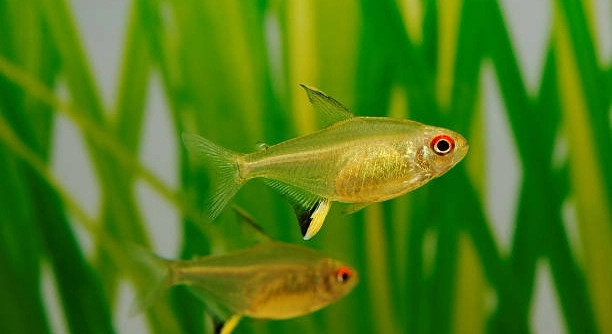
Arowanas are striking fish that thrive in well-maintained aquariums. Their shimmering scales and graceful movements make them a popular choice for enthusiasts seeking an elegant addition to their home collection. Proper care is essential for their well-being.
Arowanas should be exposed to natural or artificial daylight for approximately 10 to 12 hours daily. Consistent light helps regulate their circadian rhythms, supports healthy growth, and maintains their vibrant coloration while preventing stress and behavioral issues.
Providing the right amount of light is essential for keeping your arowana healthy. Maintaining a balanced environment ensures they remain active, visually appealing, and thrive in their aquatic habitat.
Importance of Daylight for Arowanas
Arowanas need a consistent light cycle to stay healthy and active. Exposure to daylight, whether natural or simulated, supports their internal clock, which influences feeding habits and swimming activity. Without proper lighting, these fish can become stressed, show dull coloration, or develop unusual behaviors. Light also plays a role in regulating hormone production, which affects growth and immune function. For indoor tanks, using full-spectrum aquarium lights can mimic natural sunlight, providing benefits similar to outdoor exposure. Gradually adjusting the light schedule when changing tanks or environments helps prevent sudden stress. Observing your arowana’s behavior during different times of the day can guide you in maintaining an optimal light routine. Proper placement of the tank near windows should balance sunlight exposure while preventing overheating. By paying attention to the light environment, you ensure that your arowana remains vibrant, active, and less prone to illness, supporting its overall health and longevity.
Maintaining a regular light schedule reduces stress and encourages consistent feeding behavior in arowanas.
Light affects every aspect of an arowana’s life. Consistent exposure strengthens their immune system, supports proper organ development, and prevents behavioral issues. Fish in dim or inconsistent light often show lethargy or hide excessively. Artificial lighting that replicates natural sunlight can supplement daylight, especially in rooms with limited window access. A combination of direct observation and gradual light adjustments allows aquarists to see how their arowana responds and adapts. Overexposure, however, can also be harmful, leading to algae growth in the tank and increased stress. Balancing intensity, duration, and timing of light is key. Many aquarists create schedules using timers to ensure lights are on for roughly 10 to 12 hours each day. This routine supports feeding, swimming, and mating behaviors naturally. Understanding the specific lighting needs of your arowana allows you to create a stable, healthy environment that promotes long-term wellness while maintaining its striking appearance.
Signs of Light Deficiency
Arowanas show noticeable behavior changes when they receive too little light.
Fish may become less active, hide more often, or lose their bright coloration. Lack of daylight can disrupt their natural rhythm, affecting feeding and overall health. Observing these signs helps adjust lighting before serious issues occur.
Long-term light deficiency can cause chronic stress and weaken the immune system. Fish may eat less or become aggressive toward tank mates. Their scales may appear dull, and growth rates can slow. Tank plants may also suffer, reducing water quality and shelter opportunities. Installing full-spectrum lighting or repositioning the aquarium can restore balance. Gradual increases in light duration prevent shock, allowing arowanas to adapt comfortably. Monitoring both behavior and physical appearance ensures adjustments are effective. Consistent light supports natural swimming patterns, improves coloration, and maintains normal appetite. Proper lighting is not just aesthetic—it directly impacts health and vitality. For tanks with minimal natural light, automated timers can maintain a steady cycle, giving the fish predictable conditions. By recognizing deficiency signs early and correcting them, you create a stable environment that promotes growth, activity, and long-term well-being.
Recommended Daylight Duration
Arowanas benefit from about 10 to 12 hours of daylight daily. Too little light can slow growth, while too much may increase stress. Maintaining a consistent schedule helps the fish stay active and supports healthy coloration and overall well-being.
A controlled light cycle is essential for indoor tanks. Using timers ensures consistency, preventing sudden changes that may stress the fish. Full-spectrum aquarium lights mimic natural sunlight, offering the benefits of daylight when windows are unavailable. Gradually adjusting light duration during seasonal changes prevents shock and helps the fish maintain normal swimming and feeding patterns. Observing your arowana’s activity during these hours allows for fine-tuning the schedule to match its natural rhythm. Proper light exposure strengthens immune response and encourages proper metabolic function, which supports both growth and energy levels.
It is important to monitor your arowana’s behavior alongside the light schedule. Fish may react differently depending on tank placement, reflections, or nearby sources of natural sunlight. Some arowanas become more active in the morning or evening, while others prefer mid-day brightness. Keeping a consistent routine ensures predictable feeding and swimming patterns. Combining natural daylight with artificial lighting can provide flexibility, especially in rooms with limited sunlight. Overexposure can be managed by adjusting blinds or using tank covers. Maintaining balance between light and darkness promotes healthy sleep cycles, reduces stress, and enhances the fish’s appearance, allowing them to remain vibrant and energetic over time.
Adjusting Light for Indoor Tanks
Indoor tanks often require artificial lighting to meet daylight needs. Regular schedules with timers create stability, reducing stress and behavioral issues in arowanas.
Artificial lighting must simulate the natural cycle. Full-spectrum LEDs are ideal, providing intensity and wavelength similar to sunlight. Gradually adjusting the duration of light helps fish adapt to new tank positions or seasonal changes without causing shock. Positioning lights properly prevents overheating and uneven illumination, ensuring all areas of the tank receive adequate exposure. Combining artificial light with brief periods of natural sunlight can further enhance color vibrancy and promote healthy activity patterns. Careful observation of behavior ensures adjustments are effective and allows minor corrections to optimize conditions.
Overexposure to artificial light can create problems like algae growth and fish stress. Using timers allows precise control of light duration, preventing unintended extensions or reductions. Shadows or blocked areas should be minimized so the fish can move freely without abrupt dark zones. Evaluating light intensity and distance from the tank helps prevent overheating while supporting proper circadian rhythm. Gradual changes when switching light types or schedules reduce behavioral disruptions. Balanced lighting encourages consistent feeding, proper growth, and active swimming. Tracking changes in behavior or color provides valuable feedback for maintaining optimal conditions. By combining careful planning and observation, indoor tanks can replicate natural light patterns, keeping arowanas healthy and visually striking.
Signs of Overexposure
Excessive light can stress arowanas, causing erratic swimming or hiding. Algae growth may increase, making the tank harder to maintain and affecting water quality. Monitoring light duration helps prevent these issues.
Overexposure can also dull coloration over time. Adjusting artificial lights and using tank covers or blinds reduces intensity, keeping the fish comfortable and active.
Choosing the Right Light
Full-spectrum lights are the most suitable for arowanas, providing wavelengths similar to natural sunlight. LED fixtures are energy-efficient, long-lasting, and allow precise control of intensity. Proper placement ensures even illumination throughout the tank, supporting healthy activity and coloration.
Seasonal Adjustments
Daylight needs may vary with seasons. Gradual changes in light duration help arowanas adapt without stress, maintaining normal feeding and swimming patterns.
FAQ
How long should an arowana be exposed to daylight each day?
Arowanas do best with about 10 to 12 hours of daylight daily. This includes a combination of natural sunlight and full-spectrum artificial lighting if necessary. Consistent exposure helps regulate their circadian rhythm, supports growth, and maintains vibrant coloration. Sudden changes in light duration can stress the fish.
Can arowanas survive without natural sunlight?
Yes, arowanas can survive indoors without direct sunlight if proper artificial lighting is provided. Full-spectrum LED lights are ideal, simulating natural sunlight and supporting activity, feeding behavior, and color vibrancy. Timers ensure consistent light cycles, preventing stress and behavioral issues.
What are the signs of insufficient light?
Fish that don’t receive enough light may become lethargic, hide frequently, or lose their bright coloration. Feeding patterns may change, and growth may slow. Behavioral changes are often the first indicators that the light schedule needs adjustment.
What happens if arowanas get too much light?
Excessive light can cause stress, erratic swimming, and overactive behavior. It may also promote algae growth, which affects water quality. Prolonged overexposure can dull colors and impact immune function. Using timers, adjusting intensity, and providing shaded areas help prevent these problems.
Is artificial light as effective as natural sunlight?
Proper full-spectrum artificial lighting can be just as effective as natural sunlight. LEDs are particularly useful, offering adjustable intensity and precise control over duration. Combining artificial light with brief periods of indirect sunlight can further enhance coloration and overall health.
Should the light schedule change with the seasons?
Yes, arowanas may benefit from slight seasonal adjustments. Gradually increasing or decreasing light hours mimics natural conditions and prevents stress. Sudden changes can disturb circadian rhythms and affect feeding or swimming behavior. Maintaining a predictable schedule is more important than matching exact daylight hours.
Can tank placement affect light exposure?
Absolutely. Tanks near windows may get too much direct sunlight, leading to overheating or algae growth. Conversely, tanks in shaded areas may not provide enough light. Positioning the tank for balanced exposure and supplementing with artificial lighting ensures a stable environment for the arowana.
How do I know if my arowana is comfortable with its light?
Comfortable arowanas are active, feed regularly, and maintain vibrant coloration. They swim confidently throughout the tank without hiding excessively. Observing daily behavior allows you to fine-tune light duration and intensity for optimal health.
Are there specific light types that are best for arowanas?
Full-spectrum LED lights are recommended because they mimic natural sunlight and are energy-efficient. They provide consistent intensity without heating the water excessively. Adjustable LED fixtures allow you to control light hours and simulate dawn and dusk periods, which can reduce stress.
Can light affect breeding behavior?
Yes, light plays a role in regulating reproductive cycles. Consistent exposure to appropriate light encourages natural mating behavior and supports egg development. Inconsistent or inadequate light can disrupt these cycles, reducing breeding success.
How should I combine natural and artificial light?
Use natural sunlight indirectly, avoiding direct exposure that can overheat the tank. Supplement with full-spectrum artificial light to maintain consistent hours. Timers help create a predictable schedule, keeping the fish active and healthy. Observing behavior will indicate if adjustments are needed.
What mistakes should be avoided with arowana lighting?
Avoid sudden changes in light duration or intensity, as this can stress the fish. Do not rely solely on unfiltered sunlight, which may overheat the tank. Avoid neglecting regular monitoring of behavior and coloration, as these are key indicators of whether the lighting is appropriate.
Can light improve coloration naturally?
Yes, adequate light enhances natural coloration. Full-spectrum lighting highlights red, gold, and silver hues while supporting healthy scales. Consistency is crucial; irregular light schedules can dull colors and make the fish appear unhealthy.
How do I prevent algae while providing enough light?
Balance is key. Avoid direct sunlight, control light duration, and use moderate intensity. Regular tank maintenance, including cleaning surfaces and monitoring nutrient levels, also helps keep algae under control while maintaining adequate light for the fish.
Is it okay to leave lights on overnight?
No, arowanas need darkness to maintain their circadian rhythm. Continuous light can stress the fish, reduce feeding efficiency, and affect sleep cycles. Maintaining roughly 10 to 12 hours of light followed by darkness mimics natural conditions.
How quickly should I adjust the light schedule?
Changes should be gradual. Adjusting by 15–30 minutes per day allows the arowana to adapt without stress. Sudden increases or decreases can affect behavior, appetite, and overall health. Using timers makes this process easier and more consistent.
Can lighting affect water temperature?
Yes, certain high-intensity lights can slightly increase water temperature. Full-spectrum LEDs are preferred as they emit minimal heat. Monitor water temperature regularly to ensure it stays within the arowana’s ideal range of 75–82°F (24–28°C).
Should lighting differ for juvenile versus adult arowanas?
Juveniles may require slightly more stable and indirect lighting to prevent stress, while adults can handle stronger illumination. However, the duration of light should remain roughly the same for both, focusing on consistency rather than intensity.
How often should I replace aquarium lights?
Even long-lasting LEDs lose intensity over time. Typically, lights should be replaced every 2–3 years, depending on usage and manufacturer guidelines. Reduced intensity can affect growth, coloration, and overall health if not monitored.
What is the best way to monitor light effectiveness?
Observe behavior, coloration, and feeding patterns daily. Active, brightly colored fish that feed regularly indicate proper lighting. Combine visual observation with timers and consistent schedules to maintain a balanced environment for long-term health.
How does light affect tank plants with arowanas?
Tank plants also rely on light for photosynthesis. Adequate lighting supports plant growth, which helps oxygenate water and provide shelter. Balanced light benefits both the fish and the plants, creating a healthier and more stable tank ecosystem.
Are there any signs that lighting is harming my arowana?
Signs include stress behaviors like frantic swimming, excessive hiding, dull coloration, loss of appetite, or aggression. If these appear, reassess light duration, intensity, and placement, and adjust gradually to restore comfort and stability.
How important is a consistent lighting routine compared to the type of light?
Consistency is equally important as light type. Even the best full-spectrum lighting cannot compensate for irregular schedules. Predictable cycles maintain natural rhythms, improve feeding, and enhance coloration, ensuring long-term health and activity in arowanas.
Can arowanas adapt to varying light schedules?
They can adapt slowly, but frequent changes cause stress. Maintaining a steady schedule is more effective for long-term health. Gradual adjustments, observation, and proper intensity allow adaptation without negative effects on behavior or growth.
What role does darkness play for arowanas?
Dark periods allow rest, support circadian rhythms, and reduce stress. Arowanas need roughly 12 hours of darkness daily to maintain normal activity levels and feeding cycles. Continuous light disrupts these essential rest periods and can lead to health problems.
How do I balance light exposure if my tank is near a bright window?
Use blinds or curtains to prevent direct sunlight. Supplement with artificial full-spectrum lighting to maintain a consistent schedule. Position the tank to avoid hot spots and monitor algae growth, coloration, and behavior to ensure the fish are comfortable.
Can improper lighting lead to illness?
Yes, inconsistent or inadequate light can weaken the immune system, slow growth, and increase susceptibility to disease. Proper light supports metabolic function, stress reduction, and overall health, reducing the risk of illness.
Is timer automation necessary for lighting?
Timers are highly recommended. They provide consistent light cycles, prevent accidental overexposure, and reduce the need for manual adjustments. Consistency helps arowanas maintain natural rhythms and ensures long-term health.
How do I know when to increase or decrease light duration?
Observe the fish for signs of stress or lethargy. Bright coloration and normal activity indicate sufficient light. If hiding, dull scales, or erratic swimming occur, adjust duration gradually to restore balance.
Can lighting impact growth rate?
Yes, proper light supports normal metabolism and growth. Insufficient or inconsistent light may slow development, while balanced exposure encourages energy use, feeding efficiency, and overall healthy growth. Maintaining steady lighting is key.
Are there alternatives to full-spectrum lighting?
Some fluorescent or specialized aquarium bulbs can work, but full-spectrum LEDs are most efficient and reliable. Alternatives may not fully support coloration or behavior, so monitoring results is important if used.
How do I combine lighting with feeding schedules?
Light periods should overlap with feeding times. Fish are more active and feed more efficiently when illuminated. Avoid feeding in darkness to maintain natural rhythms and reduce stress during mealtime.
What is the ideal distance between lights and the water surface?
Distance depends on the fixture type and intensity. Generally, 12–18 inches for LEDs provides adequate illumination without overheating or creating shadows. Adjust placement to achieve even coverage across the tank.
Should nighttime lighting ever be used?
Nighttime lighting is only useful for observation, not for fish activity. If used, low-intensity moonlight LEDs can provide visibility without disrupting rest cycles. Avoid bright lights during dark periods to prevent stress.
How often should I check my lighting setup?
Regular checks are important, at least once a month. Inspect timers, bulbs, and fixture placement. Adjust for seasonal changes, bulb aging, or shifts in tank setup to maintain optimal conditions consistently.
Can lighting help reduce aggression among tank mates?
Balanced light supports stable behavior. Stress from inconsistent or intense lighting can trigger aggression. Maintaining proper duration and intensity helps create a calmer environment, reducing conflicts among arowanas or other species.
Is there a difference in lighting for single vs. multiple arowanas?
The light type and duration remain the same, but intensity may need adjustment for larger tanks to ensure even coverage. Consistency is more important than the number of fish for maintaining health and activity.
What additional factors should be considered alongside lighting?
Temperature, water quality, tank size, and hiding spots all interact with lighting to affect fish health. A balanced approach ensures that proper light exposure results in healthy behavior, growth, and coloration.
How do I maintain natural light cycles on cloudy days?
Supplement with artificial full-spectrum lighting to maintain consistent hours. Timers help mimic natural cycles, preventing disruptions to circadian rhythms caused by reduced sunlight exposure.
Are dimming options useful for arowanas?
Dimming can simulate dawn and dusk, reducing stress and providing smoother transitions between light and dark. Gradual dimming is more natural than sudden on/off cycles, supporting regular activity and sleep patterns.
What should I do if my arowana shows signs of stress from light?
Reduce intensity or shorten duration gradually. Provide shaded areas or adjust tank placement. Observe behavior over several days to ensure the fish adapts and returns to normal swimming, feeding, and coloration patterns.
How important is monitoring light for long-term arowana care?
Consistent monitoring ensures healthy growth, vibrant coloration, and normal behavior. Lighting is a core part of tank management, directly influencing stress levels, immune function, and overall vitality. Regular observation and adjustment are essential for successful care.
Can light affect appetite in arowanas?
Yes, insufficient or excessive light can reduce feeding. Consistent and balanced light periods encourage regular appetite, support digestion, and maintain energy levels, contributing to overall health.
Is there a maximum safe duration for light exposure?
Generally, 12 hours is sufficient. Exceeding this regularly can stress the fish, disrupt sleep, and encourage algae growth. Maintaining predictable cycles is more important than extending duration for perceived benefits.
How do I adapt lighting when moving a tank?
Gradually adjust the light schedule to match the new location. Avoid sudden exposure to direct sunlight or intense artificial light. Monitor behavior closely for signs of stress and adapt slowly.
Can light help prevent tank-related diseases?
Indirectly, yes. Proper light supports metabolism, immune function, and natural activity levels, reducing susceptibility to disease. Balanced light combined with good water quality provides the best protection against illness.
How do I balance light for multiple tanks in a room?
Use timers for each tank to ensure consistent schedules. Adjust intensity or placement as needed to avoid shading or overexposure. Monitoring fish behavior and coloration in each tank ensures all receive adequate light.
Should lighting differ for freshwater vs. brackish setups?
Light requirements are generally similar, focusing on consistency, duration, and spectrum. Adjust intensity based on tank size, plant growth, and sunlight exposure rather than water type.
Can seasonal affectations in natural light be replicated indoors?
Yes, timers and adjustable LEDs can mimic longer or shorter days. Gradual changes prevent stress and allow arowanas to maintain natural rhythms despite environmental variations.
Is supplemental lighting needed in winter months?
In regions with reduced daylight, full-spectrum artificial lighting ensures arowanas still receive 10–12 hours daily. Timers maintain consistency, supporting activity, coloration, and feeding patterns.
How precise should light timing be?
Within 15–30 minutes is generally sufficient. Consistency matters more than exact precision. Sudden changes should be avoided, and gradual adjustments help the fish adapt smoothly.
Does water clarity affect lighting needs?
Yes, murky or tinted water reduces light penetration. Adjust intensity or duration to ensure adequate exposure throughout the tank. Clean water helps maintain optimal light conditions and benefits fish health.
Are there visual cues that lighting is ideal?
Active swimming, regular feeding, bright coloration, and minimal hiding are good indicators. Observing behavior daily helps confirm that light duration and intensity are appropriate.
How does lighting interact with temperature regulation?
High-intensity lights can slightly increase water temperature. Full-spectrum LEDs emit minimal heat. Monitoring temperature alongside light ensures the tank remains within the ideal range of 75–82°F (24–28°C).
Can uneven lighting cause stress?
Yes, areas with shadows or excessive brightness may confuse the fish or create hiding spots that alter behavior. Even coverage promotes consistent activity and reduces stress.
How should I adjust lighting for aggressive or territorial arowanas?
Maintain consistent cycles and moderate intensity. Avoid overly bright or fluctuating light, which may increase aggression. Shaded zones or tank decorations provide refuge without disrupting natural rhythms.
Is there a relationship between light and water filtration needs?
Indirectly. Brighter lighting can accelerate algae growth, requiring more frequent filtration or cleaning. Balanced lighting supports tank health while minimizing filtration stress.
Should lighting be monitored during vacations?
Yes, timers ensure consistency even when unattended. Unexpected changes in light schedules can stress arowanas. Automated systems help maintain a stable environment in your absence.
Can light influence social interactions between arowanas?
Proper, consistent light promotes normal activity and reduces stress, which helps regulate interactions. Inconsistent or intense lighting may increase aggression or hiding behaviors among tank mates.
How often should lighting setups be evaluated?
Check monthly for intensity, placement, and timer function. Adjustments may be needed as bulbs age, tank conditions change, or fish behavior shifts. Regular evaluation ensures long-term health and comfort.
Do arowanas prefer brighter or dimmer areas?
They prefer moderate light with shaded areas available. This allows the fish to control exposure, reducing stress and encouraging natural activity and feeding patterns.
How does lighting affect arowana color development over time?
Consistent, full-spectrum light enhances reds, golds, and silvers. Irregular or insufficient lighting can dull colors, while proper exposure supports vibrant scales and overall appearance throughout life.
Can I use colored lights for effect?
Colored lights may enhance visual appeal for humans but provide little benefit to the fish. Full-spectrum white light is best for health, activity, and coloration. Colored lights should be limited to occasional observation periods.
What are the most common lighting mistakes?
Inconsistent schedules, excessive intensity, direct sunlight, and neglecting tank placement are the main issues. Monitoring behavior, coloration, and water quality helps correct these problems early, ensuring long-term arowana health.
How important is lighting compared to feeding or water quality?
While not the only factor, lighting is equally critical. Proper exposure supports metabolism, activity, and immune function. Combined with regular feeding and water maintenance, it ensures overall health, growth, and vibrant appearance.
Can lighting impact tank decorations or substrates?
Bright light may fade certain decorations or encourage algae on substrates. Choosing appropriate materials and balancing light duration helps maintain aesthetics without affecting fish health.
Should lights be dimmed during feeding?
No need for dimming during feeding. Maintaining normal light levels helps fish feed efficiently and keeps activity consistent, supporting natural rhythms.
Are there special considerations for large tanks?
Yes, larger tanks may require multiple light sources for even coverage. Positioning, intensity, and timers should be adjusted to ensure all areas receive adequate light without creating hot spots or shaded zones.
Can lighting reduce stress during tank cleaning or maintenance?
Moderate light can help fish remain visible and active. Avoid sudden bright lighting or abrupt on/off changes, which may startle the fish. Gradual adjustments and observation reduce stress.
Is there a relationship between light and swimming patterns?
Yes, light cues help regulate daily swimming activity. Fish tend to be more active during light periods and rest in darkness. Maintaining consistent cycles supports normal energy levels and movement throughout the tank.
How do I combine lighting with water heating?
Ensure lights do not overheat the water. Full-spectrum LEDs emit minimal heat, but monitoring temperature alongside lighting ensures optimal conditions for arowanas, preventing stress or health issues.
Can lighting influence aggression in mixed-species tanks?
Yes, inconsistent or overly bright light may increase territorial behavior. Balanced, moderate lighting reduces stress, helping fish coexist more peacefully while maintaining natural activity patterns.
How does light affect nocturnal behavior in arowanas?
Arowanas are diurnal, so darkness at night supports rest. Continuous light disrupts sleep, leading to stress, reduced appetite, and abnormal behavior. Maintaining clear light and dark cycles is essential.
Are timers reliable for long-term use?
Modern timers are highly reliable. They maintain consistent cycles and reduce human error. Regular checks ensure they function correctly and continue providing a stable environment for arowanas.
Can light exposure affect growth differently in males and females?
Both genders respond similarly to light. Consistent exposure supports metabolism and development equally, although reproductive cycles may also be influenced in females. Duration and consistency remain the main factors.
Should I consider natural light reflection from walls or ceilings?
Yes, reflected light can increase exposure unintentionally. Monitor the tank for bright spots or uneven lighting and adjust placement, blinds, or artificial light intensity as needed.
How does lighting affect juvenile arowanas compared to adults?
Juveniles benefit from slightly more stable, indirect lighting
Final Thoughts
Caring for an arowana requires attention to several factors, and lighting is one of the most important. Proper exposure to daylight, whether natural or artificial, helps regulate their internal rhythms, supports growth, and maintains vibrant coloration. Consistency is more important than intensity, as sudden changes can stress the fish and affect feeding or swimming behavior. By maintaining a stable light cycle of roughly 10 to 12 hours a day, you create an environment where the arowana can thrive, stay active, and display its natural beauty. Lighting interacts with other aspects of tank care, including temperature, water quality, and even plant growth, so it is part of a larger system that supports the overall health of the fish. Observing how your arowana behaves and adjusting light gradually when necessary ensures that the conditions remain comfortable and suitable for long-term care.
Choosing the right type of light is equally important. Full-spectrum LED lights are ideal because they mimic natural sunlight, provide even illumination, and do not significantly increase water temperature. Timers help maintain a consistent schedule, which is particularly helpful for indoor tanks that may not receive enough natural light. It is also important to monitor for signs of overexposure or deficiency. Too much light can stress the fish, encourage excessive algae growth, and dull coloration over time. Too little light can result in lethargy, hiding, or slower growth. Adjusting the placement of lights, using shaded areas, and observing daily behavior are effective strategies for keeping the lighting environment balanced. Over time, this attention to detail contributes to a healthier, more active, and visually appealing arowana.
Finally, lighting is not just about aesthetics. It affects the fish’s overall well-being, feeding habits, immune system, and even reproductive behavior. Maintaining a proper light cycle, monitoring behavior, and making gradual adjustments when needed all play a role in creating a supportive habitat. By combining proper light exposure with other essential care practices, such as clean water, proper feeding, and a spacious tank, you ensure that your arowana can live a healthy and active life. Consistency, observation, and gradual changes are key to avoiding stress and promoting natural behavior. Proper lighting creates a stable, balanced environment where the arowana can thrive for years, showcasing its vibrant colors and graceful movements. With careful attention to light, you provide the foundation for a strong, healthy, and long-lasting aquatic home.

Hello,
If you enjoy the content that we create, please consider saying a "Thank You!" by leaving a tip.
Every little bit helps us continue crafting quality advice that supports the health, happiness, and well-being of pets around the world, for pets of all shapes, sizes, and species.
We really appreciate the kindness and support that you show us!