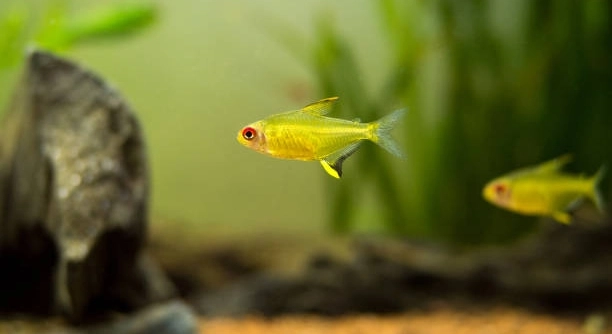
Do Lemon Tetra Like to Explore?

Do you enjoy keeping a small aquarium but find yourself noticing your fish swimming in unusual patterns? Lemon tetras are lively, bright, and often seem to have a personality of their own. Their behavior can be fascinating to watch. Lemon tetras exhibit natural exploratory behavior, often swimming through all parts of their environment. They are … Read more
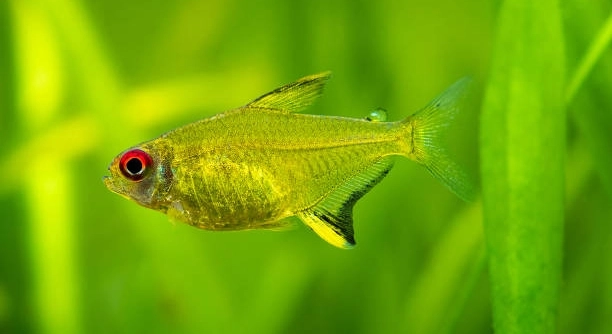
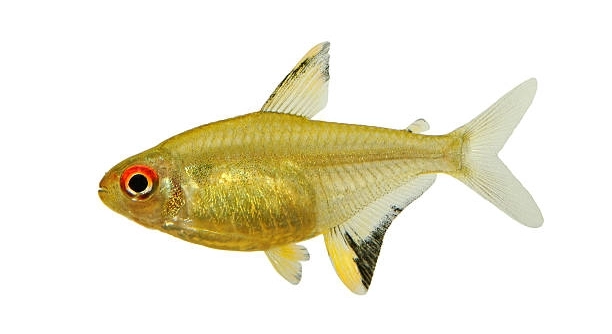
7 Ways to Help Arowana Settle After a Move

Moving your Arowana to a new tank can be stressful for both you and your fish. These beautiful creatures need time and care to adapt to a different environment without risking their health or well-being. Helping an Arowana settle after a move requires careful attention to water quality, temperature, and tank setup. Gradual acclimation, maintaining … Read more

7 Things Lemon Tetra Hate in a Tank

Lemon tetras are small, bright fish that bring life to any freshwater tank. They enjoy calm waters and gentle companions, but sometimes, subtle factors in their environment can stress them out or make them unhappy. Lemon tetras dislike overcrowded tanks, sudden temperature changes, harsh lighting, poor water quality, aggressive tank mates, lack of hiding spots, … Read more

7 Causes of Weird Swimming in Lemon Tetra

Weird swimming in Lemon Tetras can be alarming for any fish owner. These small, bright fish usually swim gracefully, but sudden changes in behavior may signal health or environmental problems that need attention immediately. Abnormal swimming patterns in Lemon Tetras are often caused by factors such as poor water quality, parasites, infections, physical injuries, nutritional … Read more

7 Signs Your Lemon Tetra Needs More Space

Are your lemon tetras showing unusual behavior or seeming restless in their tank? Observing them closely can reveal subtle hints about their comfort levels. Their space needs are often overlooked, but it plays a crucial role in their well-being. Lemon tetras require sufficient swimming space to maintain healthy behavior and reduce stress. Crowded conditions can … Read more

How to Spot a Sick Lemon Tetra Before It’s Too Late

Lemon tetras are small, colorful fish that bring life to any aquarium. Watching them swim can be calming, but their health can change quickly if early signs of illness are missed. Awareness is key to keeping them safe. A sick lemon tetra often shows subtle changes in behavior and appearance. Signs include faded coloration, clamped … Read more

7 Lighting Tips for Lemon Tetra Tanks

Lemon tetras are small, colorful fish that bring life to any freshwater tank. Their delicate colors shine brightest with the right lighting, which can also support plant growth and create a natural, healthy environment for them. Proper lighting in lemon tetra tanks is essential for both fish health and aesthetic appeal. Using full-spectrum LED lights … Read more

Why Is My Arowana Restless After Feeding?

Is your arowana swimming rapidly or seeming uneasy after each meal? Many aquarists notice this restless behavior and wonder what it means for their fish’s health and overall comfort in the tank environment. Restlessness after feeding in arowanas is often caused by digestive discomfort or water quality issues. Overfeeding, sudden changes in diet, or poor … Read more

Do Lemon Tetra Prefer Calm or Busy Environments?

Have you ever noticed how your lemon tetras swim calmly in one corner but suddenly dart around when the tank gets crowded? Observing their behavior can be both relaxing and fascinating, especially when you see them adjust naturally. Lemon tetras generally prefer calm environments with stable water flow and minimal sudden disturbances. Crowded or highly … Read more

What Temperature Is Too Hot for Lemon Tetra?

Do you ever notice your Lemon Tetra swimming slower than usual on warm days? Their vibrant yellow bodies may hide subtle signs of stress when the water becomes too hot, affecting their health and activity levels. Lemon Tetras thrive in water temperatures between 72°F and 78°F. Temperatures consistently above 80°F can cause stress, increase susceptibility … Read more