7 Distinctive Sleep Signs in Gourami

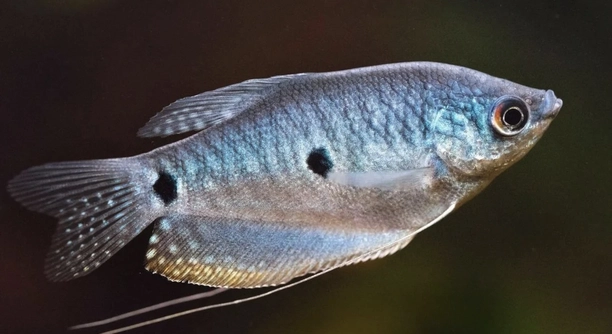
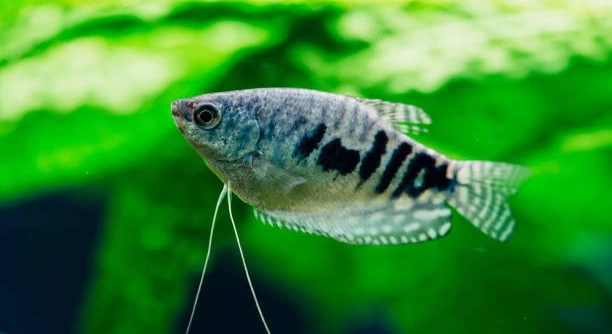
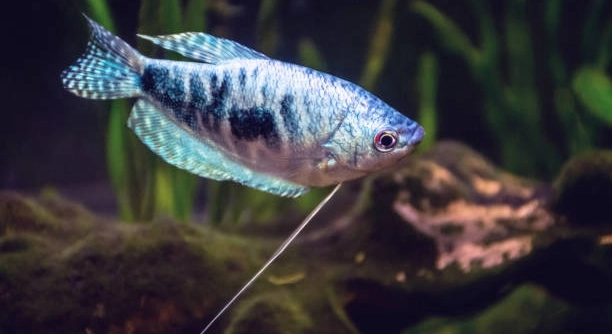
Gouramis are popular freshwater fish known for their peaceful nature and bright colors. Observing their behavior can help owners understand their health and well-being. Sleep patterns are an important part of their daily routine. Gouramis exhibit several distinctive signs when they sleep, such as reduced movement, closed or half-closed eyes, and resting near the tank’s … Read more
7 Causes of Gourami Jerking Movements

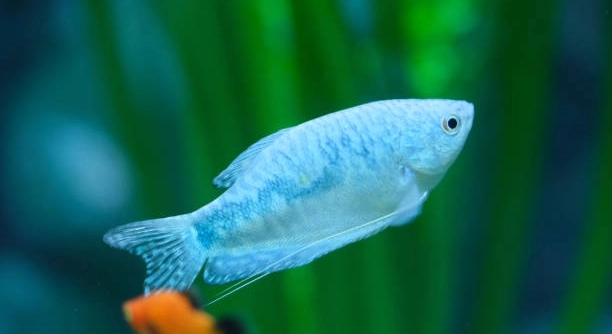
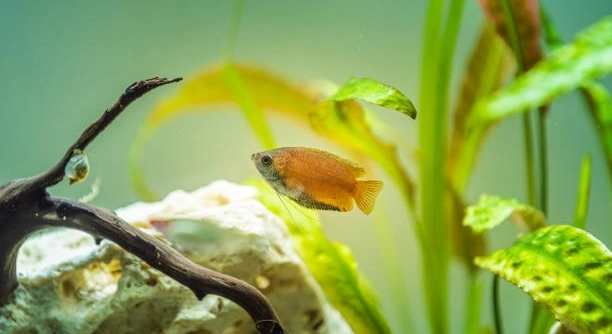
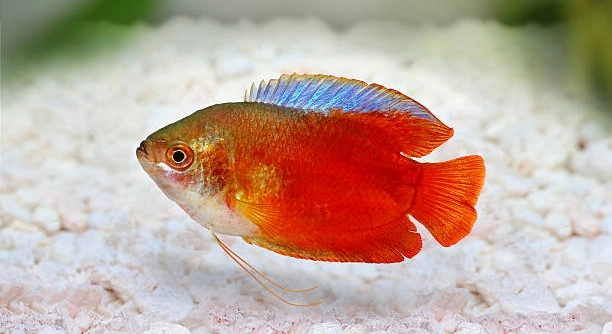
Gouramis are popular aquarium fish known for their vibrant colors and peaceful nature. Sometimes, they display jerking movements that can worry owners. Understanding the reasons behind this behavior is important for maintaining a healthy environment for these fish. Jerking movements in gouramis can result from various causes including poor water quality, parasites, stress, infections, dietary … Read more

7 Ways to Prevent Gourami Flaring

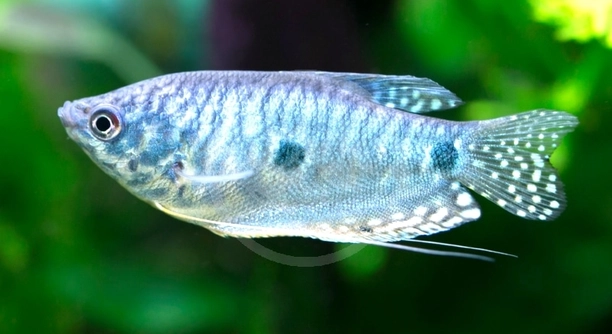
Gouramis are popular aquarium fish known for their beautiful colors and peaceful nature. Sometimes, they flare their fins, which can signal stress or territorial behavior. Managing this flaring is important for maintaining a calm tank environment. Preventing gourami flaring involves reducing stress factors, providing adequate space, maintaining stable water conditions, and avoiding aggressive tank mates. … Read more

7 Ways Gourami React to Minimal Stimulation

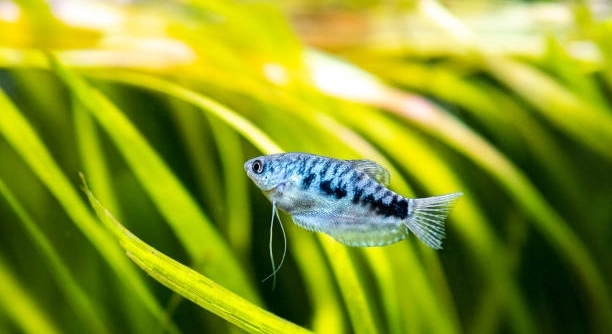
Do your gourami sometimes appear uninterested or barely responsive, leaving you unsure if something is wrong or completely normal? Observing subtle changes in their behavior can offer valuable insight into their comfort and environment. Gourami react to minimal stimulation by displaying slight fin flicks, reduced swimming activity, and minor shifts in body orientation. These behaviors … Read more

Why Does My Gourami Prefer Dark Areas?

Many gourami owners notice their fish often choose dark or shaded areas in the tank. This behavior may seem puzzling at first but is quite common among these peaceful freshwater fish. Understanding this preference can improve aquarium care and fish wellbeing. Gouramis prefer dark areas primarily due to their natural instincts for protection and comfort. … Read more

Why Is My Gourami Lurking at the Filter?

Is your gourami spending a lot of time lurking near the filter? This behavior can seem odd or worrying for many fish owners. Understanding why your gourami acts this way is important for its health and well-being. Gouramis often stay near the filter because they seek oxygen-rich water or feel safer in that area. The … Read more

When Gourami Inspect the Tank Wall Closely

Gouramis often show interesting behavior by closely inspecting the tank walls. This action can appear unusual but is quite common among these fish. It usually reflects their interaction with the environment in their aquarium space. When gouramis inspect the tank wall closely, it is typically related to environmental awareness, territorial behavior, or searching for food. … Read more

7 Stress Indicators Seen in Gourami Fins

Have you ever noticed something unusual about your gourami’s fins and wondered if it’s a sign of stress or illness? Gouramis show stress through specific fin changes such as clamping, fraying, fading color, and sudden twitching. These signs often result from poor water quality, aggression, or inadequate tank conditions, signaling the need for immediate care … Read more

7 Signs Gourami Prefer Low Activity Tanks

Are your gouramis looking stressed or hiding more than usual, even though everything in your tank seems just fine? Gouramis tend to prefer low activity tanks due to their calm nature and need for stable environments. High activity can cause stress, disrupt their natural behavior, and lead to health issues over time. Understanding what makes … Read more

7 Unique Traits Found in Male Gourami Behavior

Do you ever find yourself watching your male gourami and wondering why he acts so differently from the others in your tank? Male gouramis display several distinct behaviors, including bubble nest building, territorial aggression, fin flaring, and increased coloration during mating periods. These traits are driven by instinct and influenced by environmental conditions and hormonal … Read more