
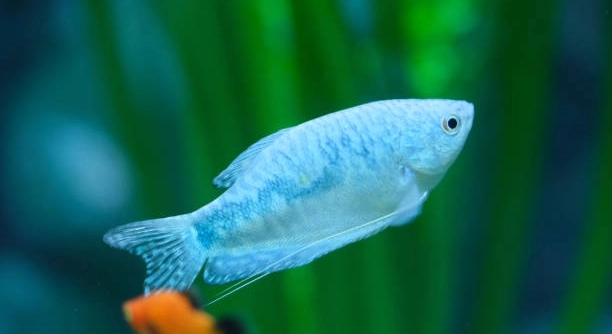
Do your gourami sometimes appear uninterested or barely responsive, leaving you unsure if something is wrong or completely normal? Observing subtle changes in their behavior can offer valuable insight into their comfort and environment.
Gourami react to minimal stimulation by displaying slight fin flicks, reduced swimming activity, and minor shifts in body orientation. These behaviors reflect their ability to detect subtle environmental cues while maintaining energy, especially in low-stimulus settings.
Recognizing these behaviors can help you create a more comfortable space and better understand what your gourami may be sensing or avoiding.
Reduced Swimming and Floating Still
When gourami experience minimal stimulation, they often reduce movement. This doesn’t mean they’re unwell. In calm surroundings with little sensory input, they may hover quietly in one spot, using slow fin movements to stay balanced. This is a normal behavior, especially in stable tanks with few distractions. The lack of visual or environmental changes leads them to conserve energy. They don’t need to move around if nothing is prompting them. You might notice your gourami choosing one area of the tank where they remain still for extended periods. This is especially common when lighting is low or if there are limited tank mates. Reduced swimming should only be a concern if it’s paired with other signs of distress like clamped fins or labored breathing.
This quiet hovering helps gourami feel secure and avoid unnecessary energy use.
It’s helpful to provide slow-moving tank currents and gentle lighting to support their calm, low-energy behavior.
Slow Fin Movements During Low Activity
You’ll likely notice your gourami gently waving their fins while floating. These soft movements are deliberate and help them stay balanced with minimal effort.
In environments with little change, gourami minimize their physical output. Their slow fin movements are a key part of this behavior. Unlike erratic or sharp motions that suggest stress, the slow, steady waving signals that the fish is calm and not under threat. It’s a subtle form of activity that keeps them stable in the water column. This behavior also allows them to maintain awareness of water flow and space around them without being overstimulated. If your gourami appears still but the fins move gently, they are likely in a restful, alert state. It’s a good sign that they feel secure and aren’t reacting to danger or discomfort. Providing hiding spots and stable temperatures will help maintain this relaxed state, allowing them to remain peaceful even during periods of minimal stimulation.
Subtle Color Fading in Calm Conditions
When stimulation is low, gourami may show slight fading in their body color. This isn’t always a health issue—it often reflects a relaxed or neutral state where bright displays aren’t needed for communication or defense.
In tanks without visual triggers or other fish interactions, gourami sometimes reduce their color intensity. Their bodies shift into softer tones, often closer to their base shades. It’s a natural response and allows them to blend in with their surroundings. Brighter colors are typically used when establishing territory, reacting to change, or signaling to tank mates. If none of that is happening, the colors naturally calm down. You might notice this more in the early morning or evening when lighting is dim. This behavior is more common in single-specimen tanks or in very stable groups that have already sorted out any social tensions.
To keep them comfortable, avoid sudden lighting changes or loud noises.
If your gourami is eating well and swimming normally, this soft fading is usually nothing to worry about. It can actually be a good sign, showing that the fish is not under stress or trying to assert dominance. Keep an eye on any patterns, but a mellow tone often signals calm contentment.
Decreased Interaction With Tank Mates
During periods of low stimulation, gourami tend to withdraw from active interaction with other fish. They might stay near plants or the tank’s edges, watching more than engaging. This doesn’t mean aggression or illness—just a pause in social activity.
Gourami are intelligent and selective in how they spend their energy. When things are quiet, they often keep to themselves, staying in their preferred spots and avoiding unnecessary encounters. This is especially true in peaceful tanks where pecking orders are already established. Without new stimuli or threats, there’s no reason to compete or interact. You might notice that they stop following other fish or simply ignore schooling species that pass by. Their focus shifts to stillness and observing. As long as there are no signs of bullying or isolation stress, this solo behavior is normal. Keeping a balanced tank setup with enough hiding places supports their need for occasional social withdrawal.
Limited Response to Food Movement
When stimulation is minimal, gourami may react slowly to food. Instead of rushing, they often wait and approach it calmly. This is common in quiet tanks where there’s little urgency or competition during feeding.
You might see them observing flakes or pellets for a moment before taking action. It doesn’t mean they’re uninterested—just unbothered.
Delayed Startle Reflex
In a low-stimulation environment, gourami can develop a delayed startle response. They no longer dart away at the first sign of movement. Their sense of safety increases, and small shifts in lighting or nearby motion won’t immediately alarm them.
Resting Near the Bottom
Resting near the bottom is normal when things are calm. Gourami often pick a quiet spot and hover just above the substrate. As long as their posture looks relaxed and they aren’t gasping or tilting, there’s no cause for concern.
FAQ
Is it normal for my gourami to stay still for long periods?
Yes, it’s normal. Gourami often remain still when they feel safe and calm. If there are no threats, changes, or exciting activity in the tank, they conserve energy by floating or gently hovering. This is especially true in stable tanks with minimal stimulation. As long as the fish is upright, not gasping, and has healthy color and appetite, there is usually no issue. Stillness in these conditions often shows that the environment is peaceful, which gourami prefer. Keep monitoring for any other changes, but this behavior is typically a sign of comfort.
Why is my gourami less colorful than usual?
Subtle color fading is common when gourami are in a relaxed state. Bright colors are often used for dominance, mating, or stress signals. When those triggers are absent, their coloration may soften. This isn’t a problem unless the fading is sudden and paired with other symptoms like clamped fins, poor appetite, or lethargy. Soft color shifts in low-stimulus environments often mean they are content. Check your lighting and tank parameters too—low light can make natural colors appear more muted. If your gourami is otherwise behaving normally, this change doesn’t usually signal illness.
Why does my gourami ignore other fish in the tank?
Gourami are naturally solitary at times. In low-stimulation tanks, they may reduce social behaviors and spend time alone. This doesn’t mean there’s something wrong. They often avoid interaction if there’s no conflict or need to display dominance. If your gourami isn’t being bullied or showing stress, ignoring other fish can be a sign that everything feels stable. It’s part of how they conserve energy and maintain calmness. You might also notice they prefer staying in one section of the tank or near cover. This behavior is normal and often temporary.
Should I be worried if my gourami doesn’t react to food right away?
Not necessarily. In calm tanks, gourami might take their time before approaching food. They feel secure and don’t need to compete, especially if they’re the only gourami or in a peaceful group. If they eventually eat and show no signs of weight loss or illness, this delayed response is usually not a concern. Sudden disinterest in food combined with other changes, like unusual swimming or pale color, should be investigated. But a slow, relaxed feeding habit in a quiet tank is common. Try offering food in the same spot each day to help create routine.
Why does my gourami rest near the bottom even though nothing seems wrong?
Gourami may rest near the bottom when stimulation is low and the tank feels safe. They may choose a quiet corner or area near decorations to pause and relax. As long as the fish stays upright, breathes normally, and swims away when needed, this is likely normal behavior. It’s different from bottom-sitting due to illness, where the fish might lean, clamp fins, or breathe heavily. If none of those signs are present, the behavior is just part of their natural routine. Resting this way helps them stay still without expending much energy.
Do gourami get bored in low-stimulation tanks?
Gourami can adapt well to calm environments, but some variation in scenery or activity can be helpful. They don’t require constant movement or bright lights, but they may benefit from occasional changes like repositioned plants or added floating objects. These gentle adjustments offer sensory variety without causing stress. If your gourami is healthy but showing signs of too much stillness or disinterest, introducing small changes can help. Just avoid sudden or drastic alterations. Subtle enrichment, like soft water flow or occasional live food, keeps their minds engaged without overwhelming them.
Can minimal stimulation cause health issues in gourami?
Not directly. Minimal stimulation itself isn’t harmful, but it can make it harder to notice signs of stress or illness. If a fish is already inactive, any further slowdown might be missed. That’s why it’s important to know your gourami’s baseline behavior. Regular check-ins on swimming, appetite, and breathing help ensure things are on track. A peaceful tank can actually support better health by reducing aggression and stress. Just be mindful of water quality, diet, and tank mates. In calm tanks, wellness often depends more on consistency and observation than on environmental stimulation.
Final Thoughts
Gourami are calm fish that often react in subtle ways to their environment. When kept in a tank with minimal stimulation, they may show signs like resting more, swimming slowly, or staying in one spot. These behaviors are usually normal and often mean they feel safe and undisturbed. Unlike fast or high-energy fish, gourami prefer steady, quiet surroundings. Their body language doesn’t always show big changes, so it helps to observe small details like fin position, breathing, and feeding habits. These quiet signs can tell you a lot about their comfort level.
A low-stimulation tank can work well for gourami if the basic care needs are met. Clean water, steady temperature, and a gentle layout all help support their calm nature. Avoiding loud filters, harsh lighting, or too many aggressive tank mates can reduce stress and allow your gourami to stay relaxed. Adding small changes from time to time, like a new floating plant or soft movement in the water, can provide enrichment without causing alarm. These fish don’t need constant attention or complex setups. Instead, they thrive with stability, clean conditions, and small peaceful spaces to explore or rest.
Taking time to understand how gourami respond to their environment makes it easier to keep them healthy. Their quiet behavior might seem uneventful, but it’s often a sign that the tank is working well. You don’t need a busy or loud tank to keep your gourami active and satisfied. Stillness, soft movement, and a sense of safety help them feel settled. If you learn to notice their patterns and watch for changes, you can catch problems early without overreacting. In a tank with minimal stimulation, simplicity and steady care can go a long way.

Hello,
If you enjoy the content that we create, please consider saying a "Thank You!" by leaving a tip.
Every little bit helps us continue crafting quality advice that supports the health, happiness, and well-being of pets around the world, for pets of all shapes, sizes, and species.
We really appreciate the kindness and support that you show us!