
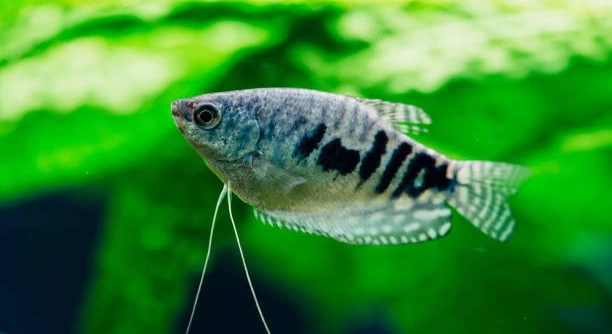
Do you ever find yourself watching your male gourami and wondering why he acts so differently from the others in your tank?
Male gouramis display several distinct behaviors, including bubble nest building, territorial aggression, fin flaring, and increased coloration during mating periods. These traits are driven by instinct and influenced by environmental conditions and hormonal changes.
Each of these behaviors has a specific purpose, and understanding them will help you better care for your male gourami and his needs.
Bubble Nest Building Is a Key Trait
Male gouramis are known for creating bubble nests, especially during breeding season. They blow bubbles coated in mucus, forming a floating cluster on the water’s surface. This behavior signals they are ready to mate and take on a protective role. The nest is a safe space where fertilized eggs can develop. Once a female lays eggs, the male carefully places them into the nest and guards them. He may even chase away any fish that comes too close. This trait is unique to males and is more common in species like dwarf and pearl gouramis.
These bubble nests are not just decorative; they reflect the male’s health, environment, and readiness to breed.
Watching your male gourami work on his bubble nest can give you insight into his overall condition. Clean water, stable temperature, and low surface movement help support this natural behavior. It’s one of the clearest signs of active breeding readiness.
Territorial and Protective Behavior
Male gouramis are territorial, especially when nesting or during breeding. They often claim specific spots in the tank and defend them by chasing other fish.
This trait becomes more noticeable when a male is preparing to breed or has already built a bubble nest. The territorial instinct is strong during these times, and you may see him flare his fins, puff out his body, or patrol his space more actively. He is not trying to harm the other fish but rather sending a warning to stay away from his chosen area. This is a natural behavior and varies by species. For instance, three-spot and kissing gouramis tend to show stronger territorial displays than dwarf varieties. Make sure your tank has plenty of hiding spaces and plants to help reduce stress in the other fish. Providing room to retreat can lower the chances of conflict and keep the environment more peaceful for everyone.
Aggression Increases Around Mating Time
Male gouramis can become more aggressive when they are ready to mate. This behavior is usually directed at tankmates who come too close or show interest in the breeding area. It is temporary but can cause stress to others in the tank.
Aggressive displays often include chasing, biting, and fin flaring. These actions are not meant to injure but to assert dominance and keep rivals away. If the male has already built a bubble nest, his aggression may intensify as he guards it. Keeping an eye on tank dynamics during this period is important. If necessary, rearrange tank decorations to break up sightlines or use dividers to separate overly aggressive males. This helps prevent injuries and allows everyone to settle. Aggression usually subsides once the mating period ends or when the male no longer feels threatened by others in the tank.
Understanding the timing of this behavior can help you manage it better. It’s linked to the presence of a female, water conditions, and sometimes changes in diet or lighting. Even if your male gourami has never shown signs of aggression before, mating season can bring out these protective instincts. Observing his behavior closely lets you make timely adjustments to the tank if needed.
Vibrant Colors Signal Mating Readiness
Male gouramis often display brighter, more intense colors when they are preparing to breed. These visual changes are not just for show; they play a role in attracting females and signaling overall fitness and health.
The change in coloration typically starts with the body and may extend to the fins. Blues become deeper, reds more vivid, and patterns more distinct. These shifts can happen gradually or suddenly, depending on the species and environment. A male that feels safe, has enough space, and receives a proper diet will show more intense coloring. This also means good water quality and low stress are essential. If his colors start to fade, it could signal stress or illness. Keeping conditions stable ensures your male gourami stays healthy and ready to breed. Not all color changes mean breeding, but if combined with other behaviors like nest building, it’s a strong indicator.
Fin Flaring Is a Dominance Display
Male gouramis often flare their fins to appear larger and more dominant. This behavior is common during breeding or when defending territory. It helps them warn rivals or impress potential mates without engaging in physical fights.
Fin flaring usually happens near tank boundaries or during face-offs with other fish. It’s mostly harmless but should be monitored.
Males Often Patrol Their Chosen Area
Once a male gourami has selected a section of the tank, he will patrol it frequently. This includes swimming back and forth, staying alert for any intruders, and reacting quickly if another fish enters the space.
His patrolling behavior is tied to nesting, aggression, and general tank hierarchy. You may notice him circle the same plants, decorations, or corners often. This helps him reinforce his claim and also alerts others to his presence. If your tank is too small or lacks hiding spaces, this behavior might lead to more frequent conflicts. Adding plants and dividers can ease tension. Creating a structured environment supports natural behaviors and helps reduce stress.
Lip Locking Is a Sign of Competition
Male gouramis may engage in lip locking, which looks like a fight but is usually a test of strength. This behavior often happens between two males trying to establish dominance. It may appear aggressive, but it usually ends without injury.
How can I tell if my male gourami is building a bubble nest?
Male gouramis build bubble nests by blowing small bubbles that stick together at the water’s surface. These bubbles form a cluster, often attached to floating plants or tank decorations. The nest looks like a foam patch or a small raft. You may notice your gourami spending more time near the surface, carefully adding bubbles and maintaining the structure. This behavior usually starts when the male is healthy, comfortable, and ready to breed.
What causes increased aggression in male gouramis?
Aggression in male gouramis often increases during breeding or when defending territory. They flare fins, chase other fish, and may nip to protect their space or bubble nest. Stress, overcrowding, and lack of hiding places can worsen this behavior. Ensuring enough room and tank decor helps reduce aggression.
Is fin flaring harmful to other fish?
Fin flaring is mostly a display of dominance or territorial warning. While it looks intimidating, it rarely causes direct harm. However, if paired with chasing or biting, it can stress other fish. Monitoring tank dynamics and providing enough space minimizes problems.
Why does my male gourami change colors suddenly?
Sudden color changes in male gouramis often signal mating readiness. Brightened hues show health and attract females. However, fading colors can mean stress, poor water conditions, or illness. Maintaining stable water parameters and a balanced diet helps keep colors vibrant.
How long do male gouramis maintain their bubble nests?
Bubble nests last as long as the male is guarding fertilized eggs or feels secure in the environment. After the eggs hatch, the nest may gradually break down. If conditions change or the male becomes stressed, he might abandon the nest sooner.
What should I do if my male gourami is too aggressive?
If aggression is high, try rearranging tank decorations to break sightlines. Add plants or dividers to create separate territories. Reducing the number of males or increasing tank size also helps. In extreme cases, separate aggressive individuals temporarily.
Can female gouramis build bubble nests?
Female gouramis rarely build bubble nests. This behavior is mostly seen in males due to their breeding role. If a female shows this behavior, it is unusual and may be caused by hormonal imbalances or environmental factors.
Do male gouramis need special care during breeding?
Yes. Male gouramis need calm water, stable temperature, and minimal disturbance to build and guard nests. Provide plenty of hiding spots for females and fry to reduce stress. Avoid strong water currents that can damage the bubble nest.
Is lip locking dangerous for my fish?
Lip locking between male gouramis is a way to test strength and dominance. It looks like a fight but rarely causes injury if monitored. Ensure the tank has enough space and hiding spots to avoid prolonged conflicts.
Why does my male gourami patrol the same area repeatedly?
Patrolling is a natural behavior related to territory defense and nesting. The male swims through his chosen space to check for intruders and maintain control. This habit helps him stay alert and protect his bubble nest or favorite spots.
What signs indicate stress in male gouramis?
Signs of stress include faded colors, loss of appetite, hiding more often, and reduced activity. Aggression or lethargy may also appear. Stress can result from poor water quality, overcrowding, or incompatible tankmates.
How can I encourage my male gourami to build a bubble nest?
Maintain clean water, stable temperature (around 78–82°F), and low surface agitation. Providing floating plants or gentle cover at the water surface creates ideal nest-building conditions. Feeding a varied diet rich in protein also supports breeding behavior.
What tank mates are best for male gouramis during breeding?
Choose peaceful, non-aggressive fish that won’t disturb the bubble nest or cause stress. Avoid fin-nippers and overly active species. Provide plenty of plants and hiding spaces to reduce conflict.
Can a male gourami build multiple nests?
Male gouramis usually build one nest at a time, focusing their energy on guarding it. If the nest is disturbed or destroyed, he may start building another. Multiple nests in the same tank are uncommon unless several males are present.
How long does it take for eggs to hatch in a bubble nest?
Eggs typically hatch within 24 to 48 hours after fertilization. The male continues to guard the nest and tend to the eggs during this time. Fry usually become free-swimming after three to five days.
What happens to the bubble nest after the fry hatch?
After hatching, the bubble nest gradually breaks down as the male’s guarding behavior decreases. The fry swim freely but may still stay near plants or surfaces for protection. Maintaining good water quality is important for fry survival.
Male gouramis display a variety of behaviors that reflect their natural instincts and roles within their environment. Understanding these unique traits helps in providing better care and creating a healthy habitat. Their actions, such as bubble nest building, fin flaring, and territory patrolling, are normal and important for their well-being. Observing these behaviors closely can offer valuable insight into their health and mood.
It is important to maintain proper tank conditions to support male gouramis’ natural behaviors. Stable water temperature, clean water, and enough space contribute to reducing stress and aggression. Providing plants and hiding places helps them feel secure and can prevent conflicts between males. Knowing their typical behavior patterns allows aquarists to identify any signs of illness or discomfort early on, leading to timely intervention.
Paying attention to male gouramis’ behavioral cues not only improves their quality of life but also enhances the overall aquarium environment. These fish thrive best in settings that mimic their natural habitat, encouraging natural behaviors that support their breeding and social interactions. Proper care based on understanding their behavior results in healthier fish and a more balanced tank community.

Hello,
If you enjoy the content that we create, please consider saying a "Thank You!" by leaving a tip.
Every little bit helps us continue crafting quality advice that supports the health, happiness, and well-being of pets around the world, for pets of all shapes, sizes, and species.
We really appreciate the kindness and support that you show us!