
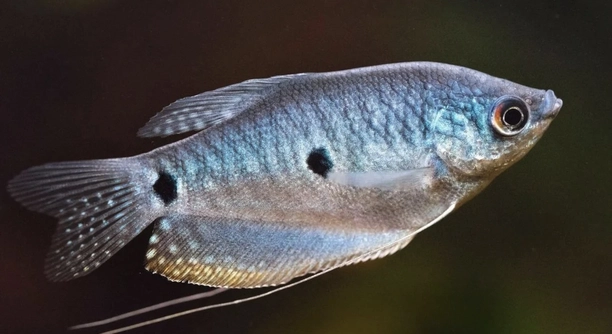
Gouramis are popular freshwater fish known for their peaceful nature and bright colors. Observing their behavior can help owners understand their health and well-being. Sleep patterns are an important part of their daily routine.
Gouramis exhibit several distinctive signs when they sleep, such as reduced movement, closed or half-closed eyes, and resting near the tank’s bottom or plants. These signs indicate a natural sleep state essential for their health and recovery.
Recognizing these sleep signs can improve how you care for your gourami and create a better environment for them to thrive.
Reduced Movement During Sleep
When gouramis sleep, they move much less than usual. You might notice them staying still for long periods, often floating gently or resting on plants or near the tank’s bottom. This stillness helps them conserve energy and recover from daily activity. While awake, gouramis are curious and swim around exploring, but during sleep, they slow down significantly. This calm behavior is normal and indicates the fish are resting well. If you observe constant movement or erratic swimming at night, it could suggest stress or discomfort. Gouramis rely on a peaceful environment to feel safe enough to rest properly. Keeping the tank quiet and dim at night supports their natural sleep cycle. Observing these slow movements is a good way to know your gourami is healthy and resting as expected.
Sleep-related stillness is a natural way gouramis recharge and maintain their health through rest.
This low activity during sleep differs greatly from their lively daytime behavior, making it an easy sign to spot.
Eye Closure and Resting Position
Gouramis often partially or fully close their eyes when sleeping, which is a clear sign they are resting. This eye closure isn’t as obvious as in mammals but is noticeable if you watch closely. They also tend to rest in sheltered spots like among plants or near the tank’s bottom, where they feel protected. This resting position helps gouramis avoid predators and stay safe while vulnerable. The choice of a calm, secure area is important for good sleep quality. If the tank is too bright or noisy, gouramis might struggle to find such spots and rest less well. Providing plenty of hiding places and dimming lights at night encourages this natural behavior. Watching for these signs can help you confirm when your fish are getting the sleep they need. Proper sleep keeps gouramis healthy and active during the day.
Color Changes During Sleep
Gouramis often show subtle color changes when they sleep. Their colors may appear duller or less vibrant than when they are awake. This temporary change helps conserve energy and indicates a restful state.
The shift in color is due to reduced activity in their skin cells, which slows pigment movement. When gouramis rest, their body directs less energy to maintaining bright colors. This is a natural and healthy sign, not a cause for concern. If colors remain dull all the time, it could signal stress or illness, but a slight nighttime dulling is expected. Watching these changes can help you understand when your gourami is sleeping.
After waking, gouramis quickly regain their bright and vivid colors. This quick recovery is a sign they are well-rested and comfortable in their environment. Consistent bright coloring during the day is a good indicator of their overall health.
Breathing Patterns During Sleep
Gouramis’ breathing slows down noticeably when they sleep. Their gill movements become gentler and less frequent as their metabolism decreases during rest. This slower breathing is a natural part of their sleep cycle.
Monitoring breathing can provide important clues about a gourami’s health. If breathing remains rapid or irregular during rest, it could indicate stress or poor water quality. Sleep breathing should be steady and calm, reflecting a relaxed state. Understanding this pattern helps you ensure the tank conditions support good rest. Proper oxygen levels and clean water contribute to normal breathing during sleep, which is vital for the fish’s recovery and energy balance. Recognizing these patterns aids in maintaining a healthy and happy gourami.
Reduced Response to Stimuli
Gouramis show less reaction to sounds or movements when they sleep. They become less alert and don’t respond quickly to changes around them. This calm state helps them rest deeply without interruptions.
This lowered sensitivity is normal during sleep. It means the fish are in a peaceful, relaxed state and not stressed. Sudden reactions could indicate poor sleep or discomfort.
Slight Body Swaying
While sleeping, gouramis may gently sway with water currents. This slow movement is natural and shows they are relaxed, not struggling or stressed.
This swaying helps them maintain balance and stay comfortable without active swimming. It is a subtle but important sleep sign.
Importance of a Quiet Environment
A quiet, calm environment is essential for gouramis to sleep well. Loud noises or sudden vibrations can disturb their rest and cause stress. Keeping the tank peaceful promotes healthy sleep patterns.
Feeding Patterns and Sleep
Gouramis usually eat during daylight and rest afterward. Their sleep helps digestion and energy recovery for the next active period.
What are the most common signs that my gourami is sleeping?
The most common signs your gourami is sleeping include reduced movement, partial or full eye closure, and resting quietly near the tank’s bottom or among plants. Their colors may appear duller, and their breathing will slow down. These signs indicate the fish is in a restful state and conserving energy.
Why does my gourami close its eyes only partially when sleeping?
Gouramis don’t fully close their eyes like mammals do. Partial eye closure is normal for fish because their eyes need to stay somewhat alert to the environment. This helps them detect danger even while resting. Partial closure shows they are relaxed but still aware enough to respond if necessary.
Is it normal for my gourami to change colors when it sleeps?
Yes, slight color changes during sleep are normal. Gouramis’ colors often become less vibrant because their metabolism slows and pigment cells become less active. If your fish’s colors remain dull during the day or permanently change, it could signal stress or illness, but temporary dulling at night is expected.
How long do gouramis usually sleep?
Gouramis typically sleep for several hours each night, often aligned with the natural light cycle. They rest mostly during dark periods and become active again when the lights turn on. The total sleep time can vary depending on tank conditions, stress levels, and overall health.
Can loud noises or sudden movements disturb my gourami’s sleep?
Yes, loud noises and sudden tank vibrations can disturb gouramis and disrupt their sleep. These fish are sensitive to changes around them and need a calm environment to rest properly. Consistent disturbances can stress them, which may affect their health and behavior.
How can I create the best sleeping environment for my gourami?
To help your gourami sleep well, keep the tank quiet and dim the lights during their rest time. Provide plenty of plants or decorations where they can hide and feel secure. Maintaining good water quality and stable temperature also supports healthy sleep.
What does it mean if my gourami doesn’t seem to sleep?
If your gourami rarely shows signs of sleep like stillness or eye closure, it might be stressed, sick, or uncomfortable. Poor water conditions, aggressive tankmates, or insufficient hiding places can cause this. Check the tank environment and consider consulting a vet if sleep problems persist.
Is it harmful if my gourami moves slightly while sleeping?
No, slight swaying or gentle movement is normal during sleep. Gouramis may sway with water currents to maintain balance without actively swimming. This relaxed motion is a sign they feel safe and comfortable in their surroundings.
Do gouramis need total darkness to sleep properly?
While total darkness helps gouramis sleep better, they can rest in low light or shaded areas as well. Providing dim lighting or a darkened part of the tank during rest periods mimics their natural environment and encourages proper sleep.
Can my gourami sleep during the day?
Gouramis are generally more active during the day and rest at night, but they might take short naps during daylight hours if the environment is calm. These naps are usually brief and help them conserve energy.
How does sleep affect my gourami’s health?
Sleep is essential for gouramis’ growth, immune function, and overall well-being. Proper rest helps them recover from daily activity and maintain their bright colors and energy levels. Poor sleep can weaken their immune system and increase vulnerability to disease.
Should I be worried if my gourami sleeps more than usual?
Occasional longer sleep periods can happen, especially after stress or illness. However, if your gourami consistently sleeps excessively or shows lethargy during the day, it may indicate a health problem. Monitor water conditions and behavior closely and consult a professional if needed.
Do gouramis show different sleep signs compared to other fish?
Gouramis share many sleep behaviors with other freshwater fish, like reduced movement and resting in sheltered spots. However, their partial eye closure and slight color changes may be more noticeable. Knowing these specific signs helps identify their sleep patterns accurately.
Can feeding time affect my gourami’s sleep?
Yes, feeding close to their rest time can impact sleep. Gouramis often eat during daylight and then rest to digest food. Feeding too late or overfeeding may cause discomfort, affecting their ability to sleep well. Feeding a balanced diet at regular times supports healthy sleep cycles.
How can I tell if my gourami is stressed rather than sleeping?
Stress signs include rapid or erratic swimming, staying at the tank surface or hiding excessively, and constant color dulling. In contrast, sleep is marked by stillness, slow breathing, and calm behavior. Knowing these differences helps ensure your gourami’s well-being.
What should I do if my gourami’s sleep behavior changes suddenly?
Sudden changes in sleep patterns may signal stress, illness, or poor tank conditions. Check water quality, tank mates, and lighting. Observe for other signs of illness like appetite loss or abnormal swimming. Taking quick action can prevent bigger health issues.
Are there any special tank setups to help gouramis sleep better?
A well-planted tank with plenty of hiding spots supports gouramis’ natural sleep behavior. Soft lighting or a night light designed for fish tanks can create a calm environment. Avoid overcrowding and maintain stable water parameters to encourage restful sleep.
How often should I observe my gourami’s sleep to ensure health?
Regularly watching your gourami’s sleep habits helps catch changes early. Observing during night or low-light periods a few times a week gives insight into their well-being. Consistent patterns indicate good health, while irregular sleep may need attention.
Understanding how gouramis sleep is important for their care. These fish show clear signs when they rest, such as reduced movement, partial eye closure, and resting near plants or at the bottom of the tank. Their colors may appear less bright during sleep, and their breathing slows down. These behaviors are natural and indicate the fish is getting the rest it needs to stay healthy. Watching your gourami’s sleep signs can help you spot when it is relaxed and comfortable or when something might be wrong.
Creating the right environment helps gouramis sleep well. Keeping the tank quiet and dim during their rest periods encourages natural sleep patterns. Providing plenty of plants and hiding spots makes them feel safe, which is important for peaceful sleep. Good water quality and stable temperature also support their overall well-being and allow restful nights. If gouramis are disturbed by loud noises, bright lights, or aggressive tank mates, their sleep may be disrupted. This can cause stress and affect their health over time. Paying attention to their sleeping habits is one way to ensure they live in a comfortable and healthy space.
It is also important to recognize when changes in sleep behavior might signal a problem. If a gourami stops resting properly, remains active all night, or shows signs of stress such as rapid breathing or constant color dulling, it might need attention. Illness, poor water conditions, or an uncomfortable environment can affect sleep. Regularly observing your gourami’s sleep patterns can help you detect early signs of trouble. Taking care of these simple needs helps gouramis stay healthy, happy, and active during their waking hours.

Hello,
If you enjoy the content that we create, please consider saying a "Thank You!" by leaving a tip.
Every little bit helps us continue crafting quality advice that supports the health, happiness, and well-being of pets around the world, for pets of all shapes, sizes, and species.
We really appreciate the kindness and support that you show us!