
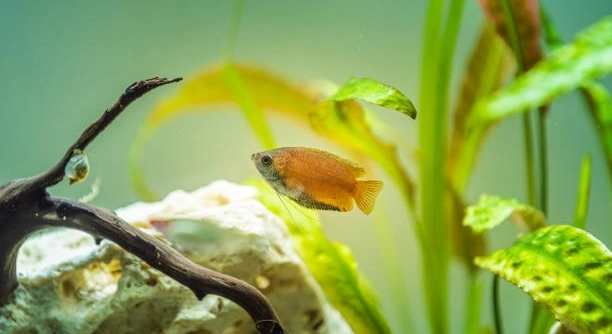
Gouramis are popular aquarium fish known for their vibrant colors and peaceful nature. Sometimes, they display jerking movements that can worry owners. Understanding the reasons behind this behavior is important for maintaining a healthy environment for these fish.
Jerking movements in gouramis can result from various causes including poor water quality, parasites, stress, infections, dietary issues, or physical injuries. Identifying the underlying cause is essential for timely intervention and ensuring the fish’s well-being.
Recognizing these causes helps improve your gourami’s health and comfort. This article outlines seven common reasons behind their jerking movements and offers guidance for proper care.
Poor Water Quality
Poor water quality is a common cause of jerking movements in gouramis. When water parameters like ammonia, nitrite, or nitrate levels become toxic, it affects the fish’s nervous system and overall health. Gouramis are sensitive to sudden changes in pH or temperature, which can stress them and cause abnormal swimming behaviors. Inadequate filtration and irregular water changes often lead to the buildup of harmful substances. Additionally, overcrowding the tank or introducing incompatible species can worsen water conditions, increasing stress for gouramis. Regular monitoring of water quality, using test kits, and maintaining a clean tank environment are essential to prevent jerking and other health issues.
Maintaining stable water conditions helps reduce stress and prevents physical reactions like jerking. Clean water supports healthy fish behavior and longevity.
Water quality directly impacts a gourami’s well-being. Ammonia and nitrite spikes damage gill function and nerves, leading to erratic movements. Frequent water changes and proper filtration ensure toxins stay low. Consistent temperature control and balanced pH reduce stress. Avoid overfeeding and overcrowding to maintain water clarity and chemical balance. Providing a well-filtered, stable environment keeps gouramis calm and active, minimizing jerking and other distress signals.
Parasites and Infections
Parasites and infections often cause sudden jerking movements in gouramis. External parasites like ich or flukes irritate the skin and gills, leading to scratching and spasms. Bacterial and fungal infections may also affect the nervous system, causing twitching or convulsions. Early signs include lethargy, clamped fins, or visible spots. Without treatment, infections worsen and may prove fatal. Quarantining new fish and maintaining tank cleanliness can reduce infection risks. Medication prescribed for specific parasites or bacteria should be used promptly to control outbreaks and help gouramis recover fully.
Stress Factors
Stress can cause gouramis to display jerking movements. Changes in the tank environment, such as sudden noise, vibrations, or new tankmates, often trigger this behavior. Stress weakens their immune system, making them more vulnerable to illness.
Environmental disturbances, including rapid temperature shifts or inconsistent lighting, increase stress levels in gouramis. Stress may also result from improper tank size or overcrowding. When stressed, gouramis become restless and may jerk or dart suddenly. Minimizing disturbances and providing hiding spots helps them feel secure. Maintaining stable conditions and reducing overcrowding lowers stress and improves their behavior. Stress management is key to preventing jerking and promoting healthy, calm fish.
Jerking caused by stress usually improves once the source is removed. Observing your gouramis carefully helps identify stress triggers. Adjusting tank conditions and ensuring a peaceful environment allow fish to regain normal swimming patterns. Creating a stable, quiet space with plants or decorations for shelter reduces anxiety. Regular tank maintenance and a balanced diet support recovery from stress, preventing ongoing jerking or other signs of discomfort.
Dietary Issues
Improper diet can contribute to jerking movements in gouramis. A lack of essential nutrients or feeding unsuitable foods disrupts their nervous and muscular functions. Overfeeding also causes digestive problems that may lead to abnormal behavior.
Feeding a varied diet that meets gouramis’ nutritional needs supports healthy movement and reduces jerking. Avoid excess protein and provide quality flakes, pellets, and occasional live or frozen foods. Dietary imbalances can cause muscle spasms or weakness, triggering jerking. Regular feeding schedules and portion control prevent digestive stress. Nutrient deficiencies, especially in vitamins and minerals, affect their nervous system, causing twitching. Providing a balanced, appropriate diet maintains overall health and stable behavior.
Observing feeding habits and adjusting diet helps improve gouramis’ physical condition. Supplementing with high-quality foods ensures they receive all necessary nutrients. Avoid sudden diet changes to prevent stress. When jerking is diet-related, correction often results in steady improvement. Proper feeding supports immune function and reduces susceptibility to other health problems. A consistent, balanced diet contributes to calmer and more stable fish movements.
Physical Injuries
Physical injuries can cause gouramis to jerk or twitch suddenly. These injuries may result from rough handling, collisions with tank decorations, or fights with other fish. Injured fish often display irregular swimming patterns as they try to cope with pain.
Carefully inspect your gouramis for visible wounds or bruises. Treating injuries quickly helps prevent infections and promotes healing.
Neurological Disorders
Neurological disorders in gouramis can lead to spasms and jerking movements. These disorders may be caused by infections, toxins, or genetic issues. When affected, fish may lose coordination and exhibit erratic swimming behavior. Proper diagnosis and treatment by a specialist can improve the condition.
Temperature Fluctuations
Rapid changes in water temperature cause stress and jerking in gouramis. Keeping the tank temperature stable is essential to avoid this problem.
What causes jerking movements in gouramis?
Jerking movements in gouramis are usually caused by stress, poor water quality, parasites, infections, physical injuries, dietary issues, or neurological disorders. These factors interfere with the fish’s nervous system or cause discomfort, leading to sudden twitching or spasms. Maintaining stable tank conditions and proper care helps reduce jerking.
How can I improve water quality to stop my gourami from jerking?
Regular water changes and proper filtration are key. Test water for ammonia, nitrites, nitrates, and pH regularly. Remove uneaten food and waste to prevent toxins. Avoid overcrowding the tank and keep temperature stable. Good water quality reduces stress and supports healthy behavior.
Can parasites really cause jerking in gouramis?
Yes. Parasites like ich or flukes irritate the fish’s skin and gills, causing jerking and scratching. Bacterial and fungal infections can also affect the nervous system. Early treatment with appropriate medication is important to stop the jerking and prevent further harm.
How do I know if my gourami is stressed?
Signs of stress include jerking movements, clamped fins, hiding, loss of appetite, and lethargy. Stress can be caused by sudden changes in environment, noisy surroundings, poor water quality, or aggressive tankmates. Providing a calm, stable tank reduces stress.
Is diet related to jerking movements?
Yes, an unbalanced diet or overfeeding can cause digestive problems and nutrient deficiencies that lead to jerking. Feeding a varied, nutritious diet with quality flakes, pellets, and occasional live or frozen food helps maintain muscle and nerve health, reducing jerking.
What should I do if my gourami is injured?
Look for visible wounds, torn fins, or bruises. Clean the tank and consider treating with antibacterial medications to prevent infection. Isolate injured fish if possible. Providing a stress-free environment supports healing and reduces jerking caused by pain.
Can temperature changes cause jerking in gouramis?
Rapid temperature fluctuations stress gouramis and can cause jerking movements. Keep the tank temperature steady, ideally between 75–82°F (24–28°C). Use a reliable heater and thermometer to maintain a stable environment.
Are neurological disorders common in gouramis?
Neurological disorders are less common but can occur due to infections, toxins, or genetics. They cause loss of coordination and jerking. If suspected, seek advice from a vet or specialist for diagnosis and treatment options.
How long does it take for jerking to stop after treatment?
Recovery time varies based on the cause and treatment. Water quality or stress-related jerking may improve within days. Parasite or infection treatments might take one to two weeks. Injuries need more time depending on severity. Patience and consistent care are important.
Can jerking movements cause permanent damage to gouramis?
If left untreated, jerking caused by infections or severe stress can lead to long-term health problems or death. Early intervention is necessary to prevent permanent damage. Maintaining good care prevents recurrence and promotes overall health.
Should I quarantine new fish to prevent jerking in gouramis?
Yes, quarantining new fish for at least two weeks reduces the risk of introducing parasites or diseases that cause jerking. Monitor new fish for signs of illness before adding them to the main tank.
Is it normal for gouramis to jerk sometimes?
Occasional jerking might occur due to sudden environmental changes but should not be frequent. Persistent jerking usually indicates an underlying problem needing attention. Monitoring behavior helps identify health issues early.
How can I reduce stress to stop jerking in gouramis?
Keep the tank environment stable, avoid loud noises, and provide hiding spots with plants or decorations. Avoid overcrowding and aggressive tankmates. Feed a balanced diet and maintain good water quality to keep stress levels low.
Can jerking be a sign of poisoning or toxins in the tank?
Yes, exposure to toxins from cleaning products, medications, or contaminated food can cause neurological symptoms including jerking. Avoid using harmful chemicals near the tank and ensure any treatments are safe for gouramis.
What are the best treatments for jerking caused by parasites?
Medications such as anti-parasitic baths or drops, specific to the parasite type, are effective. Follow dosing instructions carefully and isolate affected fish if possible. Maintain excellent water conditions during treatment for better recovery.
The jerking movements in gouramis can signal various health or environmental issues. These sudden spasms are not just random behaviors but often indicate that the fish is experiencing stress, irritation, or illness. Understanding the root causes is essential for proper care. Whether the cause is related to water quality, diet, parasites, or injuries, addressing these factors promptly will improve the fish’s well-being. Keeping a close eye on your gourami’s behavior helps catch problems early before they become severe.
Maintaining a stable and clean environment is one of the most effective ways to prevent jerking movements. Regular water changes, monitoring water parameters, and avoiding overcrowding contribute to a healthy habitat. Providing a balanced diet supports the fish’s nervous system and overall health. If parasites or infections are involved, quick and appropriate treatment is necessary to stop the jerking and avoid long-term damage. Injuries should also be handled with care to prevent complications. By focusing on these areas, gouramis can enjoy a more comfortable and calm life in the aquarium.
Jerking in gouramis is a clear sign that something in their environment or health needs attention. It is not normal for them to twitch or jerk frequently, so taking action is important. Consistent tank maintenance, stress reduction, and proper feeding create conditions that minimize the chance of jerking. When problems arise, early detection and intervention can make a significant difference. Careful observation and timely adjustments will help gouramis swim smoothly and remain healthy over time.

Hello,
If you enjoy the content that we create, please consider saying a "Thank You!" by leaving a tip.
Every little bit helps us continue crafting quality advice that supports the health, happiness, and well-being of pets around the world, for pets of all shapes, sizes, and species.
We really appreciate the kindness and support that you show us!