
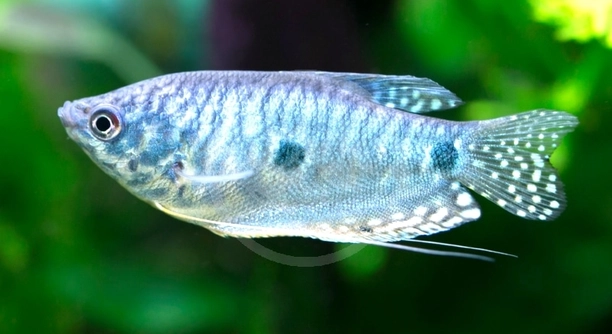
Many gourami owners notice their fish often choose dark or shaded areas in the tank. This behavior may seem puzzling at first but is quite common among these peaceful freshwater fish. Understanding this preference can improve aquarium care and fish wellbeing.
Gouramis prefer dark areas primarily due to their natural instincts for protection and comfort. Darker spaces provide a sense of security from predators and reduce stress by mimicking their natural habitat’s shaded environments. This behavior helps maintain their overall health and calmness.
Recognizing why gouramis favor shaded spots can help optimize tank setups for their comfort. This article explains the reasons behind this behavior and how it benefits your fish’s wellbeing.
Natural Habitat and Behavior
Gouramis originate from slow-moving rivers, lakes, and densely vegetated waters in Southeast Asia. These environments often feature shaded areas created by plants, fallen branches, or overhanging foliage. Gouramis have adapted to seek out these darker spots for safety. In the wild, staying in shaded areas helps them avoid predators by blending into the environment. This instinct remains strong even in aquarium settings. Additionally, darker spaces reduce stress by providing a retreat when the fish feel threatened or overwhelmed. Stress reduction is essential for maintaining their immune system and overall health. Observing this behavior in your tank reflects how closely gouramis stick to their natural survival strategies. Providing plants and decorations that create shaded areas helps replicate these conditions. This setup allows your gouramis to feel more secure and display natural behaviors, contributing to their wellbeing.
This instinctive preference for shade is part of their survival mechanism. It helps protect gouramis in both natural and artificial habitats.
Maintaining a habitat that respects this need reduces stress and supports healthy behavior. Using live plants or artificial décor can recreate these darker spaces effectively, improving the overall tank environment for your gouramis.
Lighting and Stress Factors
Lighting intensity affects gourami behavior significantly. Too much light can cause discomfort and stress, pushing them to seek darker areas as a refuge. This preference is a response to their sensitivity rather than a dislike of light itself. Excessive light can also trigger aggressive behavior or disrupt their feeding patterns. Properly balanced lighting is important for their health, promoting natural activity while preventing stress. Adjusting light levels to mimic a natural day-night cycle helps maintain this balance. Dimmer light or shaded zones created by plants allow gouramis to control their exposure according to their comfort. This flexibility reduces stress and encourages normal behavior. Observing your gouramis’ reactions to lighting adjustments can guide you in creating the best environment for them.
Light management is a key factor in reducing stress and encouraging healthy behavior in gouramis.
Creating areas of varied light intensity in the tank allows gouramis to regulate their environment naturally. Using floating plants or shaded decorations softens bright light. Ensuring your tank lighting matches their natural rhythms promotes activity during the day and rest during darker periods. Overly bright or constant lighting should be avoided, as it can lead to chronic stress. Stress compromises immune response and can cause illness. Therefore, understanding and adjusting lighting conditions in your aquarium is crucial. The goal is to replicate the gentle shifts of natural habitats, allowing gouramis to thrive. This approach respects their behavior and creates a more balanced and calm aquarium environment.
Tank Setup and Decorations
Creating shaded areas with plants and décor is essential for gouramis. These fish naturally seek hiding spots to feel safe and relaxed. Adding live or artificial plants and strategically placed decorations gives them a place to retreat and reduces their stress.
Plants like Java fern, Anubias, and floating species provide natural cover. Decorations such as caves or driftwood add complexity and shelter. These elements mimic their native habitat and offer comfort. Providing varied hiding spots encourages natural behavior and prevents boredom. It also helps reduce aggression between tank mates by giving fish space to avoid conflicts. The goal is to create an environment with a mix of open swimming space and shaded retreats.
The tank setup should balance lighting and hiding places. This helps gouramis feel secure and exhibit healthier behavior. Regularly check that decorations do not overcrowd the tank or reduce water flow, which could affect water quality and fish health.
Gourami Species Differences
Different gourami species vary in their preference for light and dark areas. Some species like the Pearl Gourami enjoy more open spaces with moderate lighting. Others, such as the Dwarf Gourami, show a stronger preference for shaded, quiet spots. These differences stem from their distinct natural habitats and behaviors.
Recognizing these variations helps tailor the tank environment to each species’ needs. Adjust the amount and placement of plants or decorations accordingly. Some gouramis are more territorial and need additional hiding places to reduce stress and aggression. Knowing the specific species traits allows better care and a more harmonious aquarium. It is important to observe individual fish behavior and adapt the environment to suit their comfort. This approach improves their overall wellbeing and longevity in captivity.
Feeding Habits and Light Preference
Gouramis often prefer to eat in dimly lit or shaded areas. This behavior reduces their vulnerability while feeding, making them feel safer from potential threats. Feeding in darker spots is natural and common among many fish species.
Providing feeding zones with some cover encourages gouramis to eat comfortably. Floating plants or shaded corners work well. This setup helps reduce stress during feeding times and promotes healthy eating habits.
Water Quality Impact
Poor water quality increases stress levels in gouramis, leading them to seek refuge in darker areas more frequently. Maintaining clean water with proper filtration is essential for their health. Consistent water changes and monitoring parameters like ammonia, nitrite, and pH help prevent stress.
Adjusting to Tank Mates
Gouramis can be shy or territorial depending on their tank companions. When housed with aggressive fish, they retreat to shaded areas to avoid conflict. Providing adequate hiding spots reduces tension and helps maintain peaceful interactions.
Proper tank mate selection and environment adjustments support a calm community tank.
FAQ
Why does my gourami hide in dark areas all the time?
Gouramis naturally seek dark or shaded spots to feel safe and reduce stress. Hiding in these areas mimics their natural habitat, where they avoid predators and find comfort. If your gourami spends most of its time hiding, check tank conditions like lighting, water quality, and tank mates, as these factors can increase stress and cause more hiding.
Is it normal for gouramis to prefer dim lighting?
Yes, many gourami species prefer dim lighting because it replicates their natural environment. Bright or harsh lighting can cause discomfort or stress. Providing floating plants or shaded sections in the tank helps gouramis control their exposure to light and feel more secure.
Can too much light harm my gourami?
Excessive lighting can cause stress and reduce your gourami’s activity and appetite. It may also trigger aggressive or erratic behavior. Using adjustable lighting or creating shaded areas allows gouramis to retreat when the light is too strong, supporting their wellbeing.
What tank decorations help gouramis feel secure?
Live plants like Java fern, Anubias, and floating plants are excellent for creating shade and hiding spots. Decorations such as caves, driftwood, and rock formations add shelter and complexity. These elements allow gouramis to retreat when they feel threatened or need rest, reducing stress.
Do different gourami species have different light preferences?
Yes, some species like Pearl Gouramis tolerate moderate lighting and enjoy open swimming spaces, while others like Dwarf Gouramis prefer more shaded and quiet areas. Knowing your specific gourami species helps tailor the tank environment to their needs.
How can I reduce my gourami’s stress related to lighting?
Adjust your tank lighting to mimic a natural day-night cycle with moderate intensity. Use floating plants or decorations to soften light. Avoid placing the tank in direct sunlight. Regularly observe your gouramis’ behavior and adjust lighting if they seem stressed or overly hidden.
Does gourami behavior change with tank mates?
Yes, gouramis may hide more if housed with aggressive or overly active tank mates. Providing enough hiding spots and choosing peaceful companions helps reduce tension. Observing fish interactions ensures a harmonious environment for all species.
Why do gouramis feed in shaded areas?
Feeding in shaded areas makes gouramis feel less exposed and vulnerable to potential threats. It is an instinctive behavior that helps them stay safe while eating. Offering food near plants or shaded corners encourages natural feeding habits.
Can poor water quality increase hiding behavior?
Absolutely. Poor water quality stresses gouramis and often leads to increased hiding or lethargy. Regular water testing, filtration, and timely water changes are crucial to maintaining a healthy environment and reducing stress-related hiding.
What should I do if my gourami stays hidden and refuses to eat?
First, check water parameters, lighting, and tank mates for sources of stress. Improve water quality and reduce lighting if needed. Ensure the tank offers adequate hiding spots. If the gourami still refuses to eat after improvements, consult a veterinarian experienced in fish care.
Final Thoughts
Gouramis are naturally drawn to dark and shaded areas because these spaces provide a sense of safety and comfort. This behavior is deeply rooted in their instinct to avoid predators and reduce stress. Creating an environment that includes plenty of hiding spots, such as live plants, decorations, and floating cover, supports their wellbeing. A tank that mimics their natural habitat allows gouramis to express normal behaviors, stay calm, and thrive.
Maintaining good water quality and appropriate lighting is essential to reduce stress and keep gouramis healthy. Bright lights or poor water conditions can cause them to hide more often or become less active. Regular water changes, proper filtration, and moderate lighting levels help create a balanced environment. Additionally, tank mates can influence their behavior; peaceful companions and enough space for each fish reduce aggression and stress, encouraging gouramis to be more confident and visible.
Observing your gouramis closely is key to understanding their needs and adjusting their environment accordingly. Each fish may have slightly different preferences depending on its species and personality. Providing a well-structured tank with varied hiding places and stable conditions contributes to a happier, healthier gourami. Prioritizing these factors ensures your fish will live comfortably, display natural behaviors, and enrich your aquarium experience.

Hello,
If you enjoy the content that we create, please consider saying a "Thank You!" by leaving a tip.
Every little bit helps us continue crafting quality advice that supports the health, happiness, and well-being of pets around the world, for pets of all shapes, sizes, and species.
We really appreciate the kindness and support that you show us!