
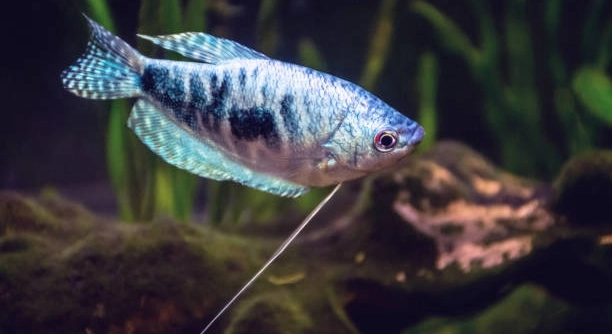
Are your gouramis looking stressed or hiding more than usual, even though everything in your tank seems just fine?
Gouramis tend to prefer low activity tanks due to their calm nature and need for stable environments. High activity can cause stress, disrupt their natural behavior, and lead to health issues over time.
Understanding what makes a peaceful environment can help your gouramis thrive and feel more at ease in their habitat.
They Spend More Time Near the Bottom
Gouramis that prefer a low activity tank often spend extra time near the bottom of the aquarium. This behavior isn’t always about illness or poor water quality. Instead, it’s a way for them to avoid fast-moving fish or high water currents. In quiet areas, they feel safer and can rest more easily. If your gourami is hovering close to decorations or resting behind plants at the base of the tank, it may be avoiding activity above. Watching this behavior regularly can help you determine if your tank environment is too active. A calm, undisturbed area at the bottom gives them space to recharge. Tank mates that swim quickly or take over the mid and top levels often push gouramis downward, leading them to hide more often. This sign is not always easy to spot unless you’re observing consistently, but it is one of the first indicators of discomfort in busy tanks.
They may look more relaxed near slow-moving water and soft substrates.
To help, try adjusting the flow rate of your filter and adding tall plants or caves at the bottom of the tank. These changes create a more suitable resting space. Also, check that tank mates aren’t too energetic. A slower environment makes it easier for gouramis to display natural behavior like gentle exploring and casual swimming. These simple adjustments won’t just reduce stress but will also allow you to see more of your gourami’s calm and interesting nature. Fish that feel secure are more likely to show bright colors, eat well, and interact gently with their surroundings. When they don’t feel the need to hide or stay in one corner, they will become more visible and present in your tank. A few changes can make a big difference in how your gourami behaves every day.
They Avoid Busy Tank Mates
Gouramis naturally avoid fish that dart around or nip at fins, and they prefer slow or similarly calm tank mates.
Keeping your gouramis with fast-swimming or aggressive fish can quickly create stress. They may stop swimming around freely and start spending more time alone. Fish like tiger barbs or danios tend to create too much motion and activity, which makes gouramis uneasy. Even if they’re not being chased or attacked, the constant movement around them can be overwhelming. Over time, this can lead to changes in their eating habits, color fading, or even illness. Pairing them with calm species like corydoras, small rasboras, or even certain types of snails keeps things peaceful. It’s important to observe how your gourami reacts to the others in the tank. If they stay hidden more often when specific fish are active, it’s a sign that their tank mates might be too much. A relaxed tank benefits every fish, not just the gourami.
They Swim Less When Things Get Loud
Gouramis often reduce their movement when things around the tank become noisy or chaotic. Sudden sounds or vibrations can make them freeze or move slowly to calmer areas.
Loud music, tapping on the glass, or frequent foot traffic near the tank can cause stress. When this happens, your gourami may stop swimming actively and instead stay still for long periods. They might hide behind decorations or plants, choosing to stay away from the source of the noise. These fish respond to vibrations through the water, even if the sound doesn’t seem loud to you. If you notice your gourami suddenly acting more withdrawn or tense after noise near the tank, it’s likely affecting their comfort level. Moving the tank to a quieter area or reducing sudden loud noises can make a big difference in their behavior and well-being.
If you have children or pets near the tank, it’s worth watching how those interactions affect your gouramis. Even quick, repeated movements or loud footsteps can cause them to stay in hiding. They do better in a quiet, predictable space. Try placing the tank in a low-traffic area of your home and avoid placing speakers or TVs too close. Gouramis don’t need complete silence, but they do better with soft, steady sounds. Giving them time to adjust after noise can help them return to normal behavior. Keeping their stress low also helps with immune function, feeding, and overall activity in the long run.
They Flare Less Often
When the tank is peaceful, gouramis flare their fins less because they don’t feel the need to warn others or defend their space. Constant flaring can be a sign of tension.
In tanks with too much movement or competition, gouramis may flare more often to show dominance or discomfort. This isn’t always aggressive—it’s sometimes their way of saying they need space. But when placed in a calm tank with slow-moving fish and fewer distractions, their flaring often decreases. This doesn’t mean they’re less healthy; it actually shows they feel secure. A relaxed gourami will show steady fin movements, natural colors, and calm swimming. Watch how often your gourami flares during the day. If it’s constant, try adjusting the tank layout or changing tank mates. Reducing line-of-sight with plants or decorations can also help. Fewer stress triggers mean less flaring and more peaceful behavior from your gourami.
They Avoid the Filter Flow
Gouramis often stay away from strong filter currents. They prefer calm areas where the water movement is minimal.
If the flow is too strong, they may hide behind plants or decorations to avoid it. Reducing the filter output can make them more active and relaxed.
They Eat More When It’s Calm
When the tank is quiet and free from fast-swimming fish, gouramis feel safer coming out to eat. In calm conditions, they eat slowly and fully, which helps them stay healthy. If there’s too much activity, they may skip meals or grab food quickly, then hide again. This leads to stress and poor nutrition over time. To encourage healthy feeding, keep the tank low-energy during mealtimes and feed them in the same quiet spot. Watching them eat in peace can also help you spot any changes in appetite early. A still tank makes every meal more effective and less stressful.
They Build Bubble Nests
Calm water helps gouramis build bubble nests. These nests often don’t form when the tank is too busy or disturbed.
FAQ
Do all gouramis prefer low activity tanks?
Not all gouramis are the same, but most do better in peaceful tanks. Dwarf gouramis, pearl gouramis, and honey gouramis in particular enjoy calm surroundings. They are naturally shy and can become stressed in busy tanks. However, some larger species, like three-spot or blue gouramis, are slightly more active and may tolerate moderate activity levels better. Even so, none of them enjoy aggressive tank mates or heavy currents. While preferences can vary, a quiet tank will generally support healthier behavior, better color, and more natural movement for all types of gouramis.
Can I keep gouramis with fast fish like danios or barbs?
It’s usually not a good idea. Fast fish like zebra danios or tiger barbs swim quickly and tend to dominate the upper parts of the tank, which is where gouramis prefer to stay. This can push your gouramis into hiding or cause them to stay near the bottom of the tank. Barbs are also known to nip fins, which makes life even harder for slow, flowing-finned fish like gouramis. If you already have fast fish and want to keep gouramis, try creating calm hiding spots with plants or rehoming the faster fish to a separate tank.
Why does my gourami hide all the time?
Hiding often is usually a sign of stress. Common causes include loud noises, aggressive tank mates, strong water flow, or too much light. Gouramis hide to protect themselves when they don’t feel safe. If your gourami is hiding behind the filter, inside plants, or under decorations for most of the day, look at the tank setup. Reducing current, dimming the lights, and providing more cover can help. Also, make sure the water parameters are stable and within the right range. When they feel secure, gouramis usually explore their space more and come out during feeding time.
How can I tell if my tank is too busy for a gourami?
Watch your gourami’s body language and movement. If they stay low, hide often, flare constantly, or refuse food, the tank may be too active. You may also see them breathing heavily or showing dull colors. Another sign is frequent darting or jerky movements, which aren’t typical for calm gouramis. If the other fish are constantly swimming fast or bumping into your gourami, that’s another red flag. Try removing a few tank mates or adding more decorations to break up the space. A peaceful tank encourages normal behavior like bubble nest building, steady swimming, and healthy eating.
Do I need a bubbler or air stone for my gourami tank?
Gouramis breathe air from the surface using their labyrinth organ, so they don’t need heavy aeration like some other fish. In fact, too many bubbles or surface movement can disturb them and break up their bubble nests. If your tank has a good filter and enough surface movement for oxygen exchange, you don’t need an air stone. Keep the surface relatively calm so they can breathe comfortably and build nests without interference. If you use a bubbler, make sure it’s on the opposite side of the tank so they can choose calmer areas when needed.
Is it normal for a gourami to stop eating when stressed?
Yes, stressed gouramis may stop eating or eat less than usual. This often happens when there’s too much activity, loud noise, or changes in the tank. Poor water quality can also cause them to avoid food. If your gourami suddenly skips meals, check the environment first. Remove or reduce anything that could be overwhelming. Feed at regular times in a quiet area of the tank to make them feel more secure. Once they calm down, their appetite usually returns. Keeping a peaceful tank helps prevent this problem from coming back.
What tank size is best for keeping a calm environment for gouramis?
A 20-gallon tank is a good starting point for most small gouramis like dwarfs or honeys. It gives them room to swim without feeling crowded. For larger species, like pearl or blue gouramis, a 30-gallon tank or more is better. A larger space allows for better separation between fish and helps reduce tension. Bigger tanks also make it easier to control water flow and noise. When setting up the tank, use live or silk plants, floating cover, and driftwood to create quiet zones. A well-decorated tank in a low-traffic area makes a huge difference in keeping gouramis calm.
Final Thoughts
Gouramis are peaceful fish that enjoy calm, stable environments. They do not do well with a lot of noise, fast-swimming tank mates, or strong water flow. When the tank is quiet and steady, they behave more naturally. You’ll see them swim slowly, rest in plants, and even build bubble nests. If they are hiding, not eating, or showing dull colors, these are often signs the tank is too active for their comfort. Paying attention to small changes in behavior helps you spot stress early. Most of the time, simple changes in the tank setup can make things better.
Choosing the right tank mates is just as important as the tank setup itself. Fish that move slowly and do not chase others are best for gouramis. It also helps to add plenty of plants and hiding spots to make them feel safe. Floating plants give them cover near the surface, which is where they often like to swim and rest. The filter should not create too much current, especially at the top of the tank. A soft flow helps them move more easily and feel less pushed around. Even changing the tank’s location in your home to a quieter spot can improve their behavior.
Keeping a gourami happy doesn’t take much once you understand what they need. A peaceful tank helps reduce stress, supports healthy eating, and allows them to show their best colors and habits. Watching them behave naturally is also more rewarding for you. When they feel safe, they become more active in calm ways and may even interact with you at feeding time. These small, gentle fish don’t ask for much, but the right setup makes a big difference in how they live. By keeping things slow, quiet, and steady, you give your gouramis the space they need to thrive.

Hello,
If you enjoy the content that we create, please consider saying a "Thank You!" by leaving a tip.
Every little bit helps us continue crafting quality advice that supports the health, happiness, and well-being of pets around the world, for pets of all shapes, sizes, and species.
We really appreciate the kindness and support that you show us!