
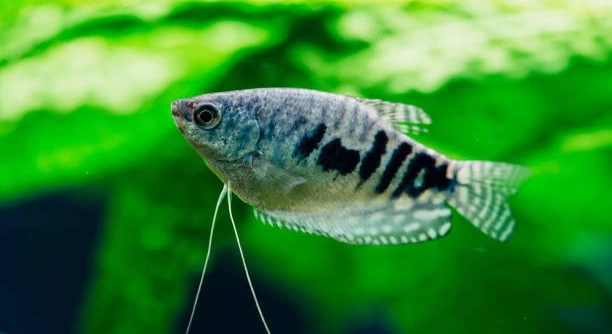
Have you ever noticed something unusual about your gourami’s fins and wondered if it’s a sign of stress or illness?
Gouramis show stress through specific fin changes such as clamping, fraying, fading color, and sudden twitching. These signs often result from poor water quality, aggression, or inadequate tank conditions, signaling the need for immediate care and monitoring.
These small indicators can reveal more about your fish’s health than you might think, helping you respond quickly and effectively.
Clamped Fins and Their Meaning
When a gourami holds its fins close to its body instead of fanning them out, it’s often reacting to environmental discomfort. Clamped fins are a common response to poor water quality, including high ammonia or nitrite levels. It can also be triggered by stress from overcrowding, sudden temperature changes, or aggressive tank mates. When a gourami is stressed, its immune system becomes weaker, making it more prone to illness. Observing clamped fins early allows you to intervene before health issues become severe. Testing the water, performing partial water changes, and minimizing disturbances can help improve conditions quickly. Clean water, steady temperature, and a calm environment usually ease the stress and help the fins return to their normal state. Watching for changes in fin posture gives you a reliable clue about how your fish is feeling and what might be affecting its environment.
Clamped fins are one of the first signs a gourami shows when it feels threatened or unwell.
Proper care begins with identifying these subtle shifts in behavior and reacting quickly to restore balance in their tank.
Frayed or Torn Fins
Frayed fins often point to either physical damage or fin rot.
If your gourami’s fins look ragged or torn, it could be from fighting, scraping against rough decorations, or bacterial infection. Aggression from other fish can quickly lead to torn fins, especially in smaller or slower gouramis. However, if aggression isn’t the cause, fin rot might be developing due to dirty water or an untreated injury. Fin rot typically causes a steady decline in fin health, sometimes with white or red edges. This can worsen fast if ignored. The best way to treat frayed fins is to start with clean, warm water and regular monitoring. You may also need to isolate the fish to reduce further stress and allow healing. Antibacterial treatments from pet stores can help if fin rot is suspected, but the foundation of treatment is always water quality. Reduce stress by keeping tank mates peaceful, cleaning the tank regularly, and avoiding sudden environmental shifts.
Faded Fin Color
A gourami’s fin color may fade when it is stressed or unhealthy. Color loss often happens after sudden changes in the tank, such as a shift in lighting, temperature, or water chemistry. Poor diet can also affect fin vibrancy over time.
When a gourami becomes stressed, its body reacts by lowering pigmentation as a survival response. This dull appearance is often temporary if addressed early. The most common reasons include moving to a new tank, bullying from other fish, or unstable water parameters. Giving your fish time to adjust and providing a quiet, clean environment helps it recover. High-quality food with proper nutrients will also support color restoration. Keep tank lighting moderate and avoid rearranging the decor too often. Stability is key when helping a stressed gourami regain its bright fins.
If faded fins continue after correcting tank issues, there may be an underlying illness. Watch for signs like lethargy, loss of appetite, or rapid breathing. These symptoms, along with color changes, can suggest internal problems or parasites that require attention. In some cases, faded fins appear gradually and are easy to miss, so regular observation is helpful. Maintaining steady care, clean water, and stress-free surroundings is the best way to keep your gourami vibrant and healthy over time.
Twitching or Shaking Fins
Twitching fins are usually a response to discomfort or irritation, not a normal behavior in gouramis. This may come from poor water quality, parasites, or even chemical contamination in the tank.
When fins twitch or shake repeatedly, it’s often because the fish is trying to rid itself of something irritating. This could be external parasites like ich or flukes, both of which make gouramis extremely uncomfortable. Chemical residue from cleaning supplies, new tank equipment, or untreated tap water can also cause this response. Always dechlorinate water before use and rinse all tank additions thoroughly. Start by testing water parameters and doing a partial water change. If parasites are suspected, you may need a specific treatment based on symptoms. Medications should be used carefully, as gouramis are sensitive to strong chemicals. Watching for other signs—like rubbing against decorations or loss of appetite—can help you decide how serious the problem is.
Torn Fins After Tank Changes
Torn fins that appear shortly after changing decorations or moving your gourami to a new tank usually point to environmental stress. Sharp edges on decor or sudden changes in setup can cause injury and discomfort.
These tears may look minor at first but can lead to infection if not treated quickly.
Sudden Fin Curling
When a gourami’s fins curl inward without tearing, it’s often due to poor water quality or a long-term vitamin deficiency. Low temperatures and high nitrate levels may also contribute to this problem. Consistent water testing and a balanced diet can help stop further curling. Look for additional changes like sluggish movement or poor appetite. If the curling persists even after correcting tank conditions, it might be a genetic trait, especially in older fish. However, sudden changes in fin shape are rarely harmless and should be taken seriously. Improving diet, reducing stress, and keeping water stable will support better fin structure over time.
Black Edges on Fins
Black edges along the fins can signal early stages of ammonia burn or healing tissue. Monitor water quality closely and keep conditions consistent to avoid further damage.
FAQ
What is the most common reason gourami fins show stress?
The most common reason is poor water quality. When ammonia, nitrite, or nitrate levels rise too high, it places stress on the fish’s immune system. This stress is often seen in fin changes like fading color, curling, or even slight tearing. Frequent testing and proper filtration can prevent this.
Can torn fins heal on their own?
Yes, but only if the damage is minor and the tank conditions are stable. Clean water, low stress, and a balanced diet help support fin regrowth. Adding Indian almond leaves or a gentle antibacterial treatment can also help. If the tear worsens, it may lead to infection or fin rot.
Do black edges on gourami fins always mean fin rot?
Not always. Black edging can be part of natural healing, especially if the fish had previous damage. But if paired with ragged edges, sluggishness, or loss of appetite, fin rot is more likely. Clean water and a quick response help control early infections.
How fast do gourami fins heal from stress?
It depends on the cause and how quickly it’s corrected. If the problem is mild and fixed early, fins can improve in a week or two. For deeper damage or infections, it may take longer. Monitoring progress and keeping conditions steady makes a big difference in recovery speed.
What tank changes cause the most stress for gouramis?
Sudden changes in water temperature, pH, or tank layout can all cause stress. Adding aggressive tankmates or changing lighting too fast can also lead to stress-related fin issues. Try to introduce changes slowly, and always test the water after any adjustment to avoid shock.
Should I isolate a gourami with stressed fins?
Isolation is helpful if the stress comes from bullying or if an infection is spreading. A hospital tank with clean water and minimal disturbance allows the fish to recover more peacefully. If stress is due to tank conditions, correcting the main tank is the better option.
Do all gouramis react the same way to stress?
No, some are more sensitive than others. Dwarf gouramis, for example, tend to be more reactive to stress than pearl or honey gouramis. Even within the same species, individual fish respond differently. Paying attention to behavior and fin condition helps you learn what’s normal for yours.
Can poor diet cause fin stress signs?
Yes. A diet that lacks variety or key nutrients can weaken fin structure and color. Over time, this leads to faded or brittle fins that are prone to damage. Including quality pellets, frozen foods, and the occasional vegetable can keep fins healthy and strong.
What are early signs of fin stress to watch for?
Look for fading colors, slight curling at the tips, or small frayed areas. These can appear before bigger problems like infection or major tearing happen. Early detection gives you the best chance to fix the cause and protect the fins from further damage.
How do I know if stress is affecting more than just the fins?
If your gourami also stops eating, hides more than usual, or swims erratically, stress may be affecting its whole system. Long-term stress lowers immunity and leads to more serious health issues. Try to identify patterns and act early to support its recovery.
Final Thoughts
Keeping an eye on your gourami’s fins is one of the easiest ways to catch early signs of stress. Fins often react to problems before the rest of the body shows clear symptoms. Small changes in color, shape, or texture can mean something is off in the tank. Whether it’s a torn edge, curling tip, or fading hue, each shift can be your first clue that something needs adjusting. Watching for these signs helps you respond early before the problem grows into a serious issue. With a little attention, many stress-related fin problems can be reversed or at least managed.
The tank environment plays the biggest role in how healthy your gourami’s fins stay. Stable water conditions, gentle tank mates, and a clean, safe layout all help reduce stress. Avoid sudden changes, and always test your water when something seems wrong. Use a high-quality filter and change water regularly to keep ammonia and nitrate levels under control. Also, don’t overlook the importance of diet. A well-fed gourami with access to clean water and proper rest will have a much better chance of healing and growing strong, colorful fins. Taking time to learn what your gourami needs will lead to fewer health problems over time.
Not every fin issue is a major problem, but none should be ignored. The earlier you notice something, the easier it is to help your fish feel better. If fin damage is left untreated, it may lead to infections or long-term stress, which can shorten your gourami’s lifespan. Having a plan and a calm approach can make all the difference. You don’t need fancy tools or treatments—just careful observation, consistent maintenance, and basic care. Over time, you’ll become more confident in spotting these signs and knowing what action to take. With patience and regular care, your gourami can live a healthy, peaceful life in the tank you’ve built.

Hello,
If you enjoy the content that we create, please consider saying a "Thank You!" by leaving a tip.
Every little bit helps us continue crafting quality advice that supports the health, happiness, and well-being of pets around the world, for pets of all shapes, sizes, and species.
We really appreciate the kindness and support that you show us!