Do Cherry Shrimp Need a Heater?

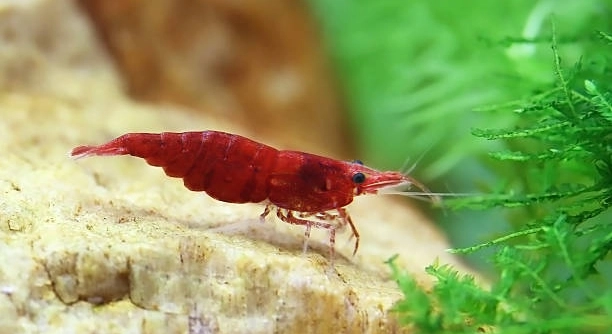
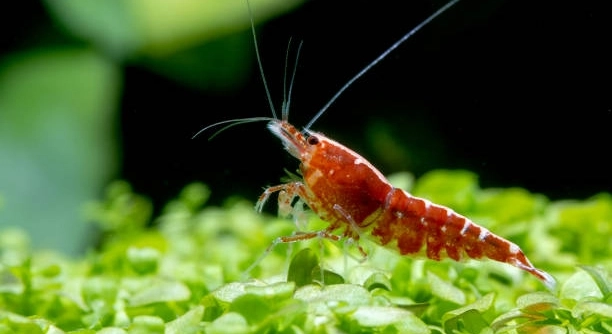
Cherry shrimp are tiny, colorful creatures that bring life to freshwater aquariums. Many shrimp owners enjoy watching them explore plants and substrate, but keeping them healthy can feel challenging without the right conditions. Maintaining a stable environment is key. Cherry shrimp generally do not require a heater if the ambient room temperature stays within 65-75°F … Read more
7 Reasons Shrimp Suddenly Leave Their Group

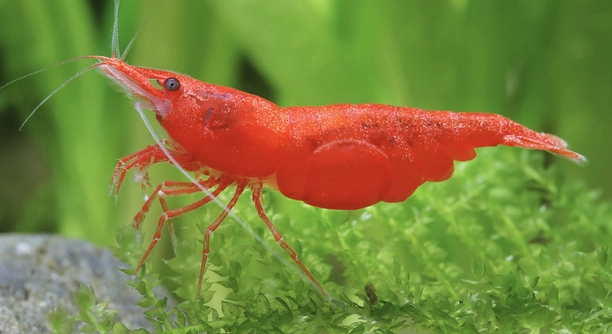
Shrimp are social creatures that often move together in groups for safety and companionship. However, sometimes individuals break away unexpectedly, leaving their group behind. Observing this behavior can reveal interesting patterns in their natural instincts and habits. Shrimp leave their group primarily due to environmental stressors, changes in water conditions, social hierarchy conflicts, or searching … Read more

7 Reasons Shrimp Might Avoid Each Other

Have you ever noticed shrimp in your tank keeping their distance from each other? While they are social creatures, certain conditions and behaviors can make them prefer solitude, affecting their interactions and overall tank dynamics. Shrimp may avoid each other due to stress, territorial disputes, overcrowding, or water quality issues. Health concerns, molting periods, and … Read more

Are Cherry Shrimp Drawn to Specific Colors?

Have you ever watched cherry shrimp glide through their tank, showing soft flashes of color as they explore plants and decorations while responding to simple changes that shape their comfort and daily behavior in subtle. Cherry shrimp show mild preferences for certain colors, primarily reacting to shades that offer safety and contrast within their environment. … Read more

Can Cherry Shrimp Tell Time of Day?

Cherry shrimp are popular among aquarium enthusiasts for their vibrant colors and active behavior. Many owners enjoy observing their tiny movements and daily routines, often noticing patterns in how they interact with their environment throughout the day. Cherry shrimp do not possess an internal sense of time similar to humans. Their activity levels and behaviors … Read more

Why Do Cherry Shrimp Hover Under Plants?

Cherry shrimp are small, colorful creatures often found in home aquariums. Many aquarists notice they spend a lot of time hovering under plants. Observing their behavior can reveal important aspects of their daily habits and needs. Cherry shrimp hover under plants primarily for safety and comfort. Plants provide shelter from predators, reduce stress by offering … Read more

7 Signs of a Healthy Molt Cycle

Molting is a natural and essential process for many animals, helping them renew their skin, feathers, or exoskeleton. Observing the signs of a healthy molt can ensure your pet or animal stays in good condition. Proper care and attention during this period support overall well-being and comfort, making the process smoother and less stressful for … Read more

7 Reasons Your Cherry Shrimp Are Fighting

Are your cherry shrimp suddenly showing signs of aggression in your aquarium? Observing them clashing or chasing each other can be surprising. While they are generally peaceful creatures, certain environmental and biological factors can trigger fighting behavior. Cherry shrimp often engage in fighting due to limited space, poor water quality, lack of food, stress, territorial … Read more

7 Signs You’re Over-Cleaning the Shrimp Tank

Are your shrimp tank routines taking up more time than they should? Keeping the tank spotless seems helpful, but too much cleaning can actually disturb the delicate balance needed for healthy shrimp. Over-cleaning a shrimp tank can lead to stress, weakened immunity, and disrupted bacterial colonies essential for water quality. Excessive maintenance may remove beneficial … Read more

Why Are Shrimp Only Eating at Night?

Do you ever notice your shrimp only seem active when the lights are dim? Observing their behavior can be surprising, especially when they seem to disappear during the day and come alive at night. Shrimp are primarily nocturnal feeders, meaning they are naturally more active at night to avoid predators and to forage efficiently. Their … Read more