
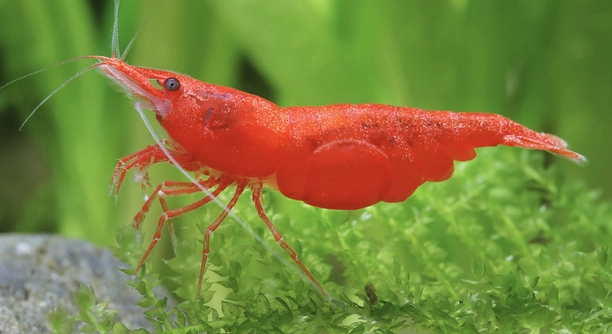
Have you ever noticed shrimp in your tank keeping their distance from each other? While they are social creatures, certain conditions and behaviors can make them prefer solitude, affecting their interactions and overall tank dynamics.
Shrimp may avoid each other due to stress, territorial disputes, overcrowding, or water quality issues. Health concerns, molting periods, and species-specific behavior also influence their tendency to isolate, leading to reduced interaction and a more solitary lifestyle in aquariums.
Learning about these factors can help maintain a balanced environment for your shrimp. Small adjustments can improve their comfort and encourage healthier, more natural social behavior.
Stress and Environmental Changes
Shrimp are sensitive to changes in their environment, and even small shifts can make them retreat from one another. Sudden temperature fluctuations, new decorations, or changes in water parameters can create stress that leads to isolation. Some shrimp may hide for hours or even days until they feel safe again. Observing their behavior carefully can reveal when stress is affecting their interactions. Providing stable conditions, gentle water flow, and consistent feeding schedules can reduce anxiety and encourage more natural social patterns. Stress doesn’t always show immediately, but its effects on activity and interaction are clear over time. Maintaining a calm and predictable environment helps shrimp feel secure and more willing to explore and socialize. It’s important to monitor tank changes closely, especially if new shrimp are introduced, to prevent long periods of avoidance behavior.
Keeping water conditions steady improves shrimp comfort and encourages normal group behavior.
Even minor environmental adjustments can significantly affect shrimp behavior. They react to water temperature, pH shifts, and sudden movement in their tank. Overcrowding, inadequate hiding spots, or unexpected lighting changes may trigger hiding or avoidance. Observing shrimp during feeding or when adding new decorations provides insight into their comfort levels. Gradually introducing changes and maintaining consistent water quality can prevent stress-induced isolation. Providing sufficient shelter and spacing allows them to establish personal zones without conflict. Monitoring behavior over time helps identify patterns linked to stress. By understanding these responses, you can support healthier interaction and reduce prolonged solitary periods in your tank.
Molting and Physical Vulnerability
Molting is a critical time when shrimp become vulnerable to harm from others.
During molting, a shrimp sheds its exoskeleton to grow, leaving it soft and defenseless. During this period, many shrimp hide to avoid aggression or accidental injury. Even in a peaceful tank, non-molting shrimp may instinctively avoid those who are shedding. Providing ample hiding spaces, such as plants, rocks, or tunnels, ensures that molting shrimp have safe areas to recover. This natural behavior reduces stress and prevents injury while promoting normal growth. Observing shrimp behavior around molting times helps maintain a safe environment and minimizes the risk of conflict or accidental harm, keeping the colony healthy.
Molting can temporarily change shrimp social dynamics. Shrimp instinctively seek shelter to protect themselves during this delicate period. Tanks with limited hiding spots increase stress and the likelihood of isolation, affecting overall social behavior. Adequate shelters and careful observation are essential to support molting shrimp and maintain balance in interactions. Over time, providing safe spaces allows shrimp to return to normal activity confidently.
Territorial Behavior
Shrimp often establish personal zones, avoiding others to maintain control over their space.
Some species are naturally territorial, especially in smaller tanks where space is limited. They may stake out areas around hiding spots, food sources, or preferred surfaces, keeping other shrimp at a distance. Territorial behavior can cause certain individuals to isolate themselves or chase others away, creating visible patterns of avoidance. Observing which shrimp occupy specific areas helps identify territorial tendencies and allows adjustments to the tank layout. Adding extra hiding spots and spreading food evenly reduces conflict. This behavior is more pronounced in mature shrimp and during breeding periods. Ensuring sufficient space prevents stress and supports calmer interactions, helping all shrimp coexist with minimal confrontation. Understanding territorial instincts allows you to manage social dynamics more effectively.
Territoriality is common and linked to space, resources, and breeding instincts, shaping how shrimp interact daily.
Adjusting tank layout and hiding spots can reduce territorial conflicts. By providing multiple shelters and evenly distributing food, dominant shrimp are less likely to monopolize resources. Territorial behavior can still appear, but thoughtful tank design limits stress and promotes more natural movement. Overcrowded tanks intensify avoidance, so maintaining adequate space is crucial. Observing shrimp reactions to changes in their environment helps manage conflicts before they escalate. By respecting their territorial instincts, shrimp can coexist more peacefully, and shy or submissive shrimp can maintain comfort without constant stress. Balancing population density and resources is key to calmer group behavior and overall colony health.
Water Quality and Health
Poor water conditions directly impact shrimp activity and social behavior.
Shrimp are highly sensitive to water parameters like ammonia, nitrite, pH, and temperature. Even slight imbalances can lead to lethargy, hiding, or avoidance of other shrimp. Maintaining stable water conditions is crucial for their health and social interactions. Regular testing, partial water changes, and proper filtration prevent stress-induced isolation. Sick or weak shrimp often withdraw from the group, reducing overall activity in the tank. Observing water quality alongside shrimp behavior helps detect problems early. Clean, stable water encourages active movement, interaction, and natural feeding behaviors, supporting a balanced, healthy tank environment for all shrimp.
Water quality problems often show as hiding or reduced activity, signaling the need for immediate attention.
Monitoring and maintaining proper water parameters prevents stress and disease, which can cause shrimp to avoid each other. Ammonia spikes, high nitrites, or incorrect pH can make shrimp lethargic or hide. Infected or weakened shrimp naturally isolate, while healthier individuals may avoid them instinctively. Regular water testing and adjustments create a stable environment that supports normal behavior and reduces aggression or avoidance. Maintaining clean water, proper filtration, and consistent temperatures ensures all shrimp feel secure. Providing optimal conditions allows them to move freely, interact safely, and thrive, minimizing extended periods of isolation caused by environmental or health issues.
Overcrowding
Overcrowding in a tank can cause shrimp to avoid each other more often. Limited space increases stress, reduces hiding options, and triggers competition for food or territory.
Shrimp need enough room to move freely and establish personal zones. Overpopulated tanks lead to constant skirmishes and prolonged hiding, which affects their health and social behavior.
Species-Specific Behavior
Different shrimp species have unique social tendencies. Some prefer groups and constant interaction, while others are naturally solitary. Knowing the typical behavior of your species helps manage tank dynamics. Adjusting the environment to suit each species encourages healthier interaction and minimizes avoidance.
Feeding and Competition
Shrimp often separate when food is limited or unevenly distributed.
Competition for food can lead shy or smaller shrimp to avoid dominant individuals. Providing multiple feeding points and spreading food evenly reduces stress and ensures all shrimp have access. Consistent feeding routines help maintain calm, social interactions, and a balanced environment.
Why do shrimp suddenly hide from each other?
Shrimp hide when they feel stressed, unsafe, or vulnerable. Changes in water temperature, pH, or ammonia levels can trigger hiding. Molting periods also make shrimp soft and defenseless, so they instinctively retreat to secure spots. Territorial disputes or competition for food can add to avoidance behavior. Ensuring stable water conditions and providing plenty of hiding spaces reduces stress and encourages normal social interaction. Observing their habits regularly helps identify patterns and makes it easier to address environmental or social triggers quickly.
Can overcrowding affect shrimp behavior?
Yes, overcrowding is a major factor in shrimp avoiding each other. When tanks are too small or heavily populated, shrimp struggle to find personal space and hiding spots. This leads to stress, frequent skirmishes, and prolonged hiding. Overcrowding can also increase competition for food, which encourages timid shrimp to stay away from dominant individuals. Adequate tank size, carefully controlled populations, and evenly distributed resources help reduce avoidance behavior and maintain calmer social interactions. Providing enough shelter and spreading food in multiple locations ensures all shrimp feel secure.
How does molting influence shrimp interactions?
Molting is a vulnerable period for shrimp. During this time, their exoskeleton softens and leaves them defenseless, so they instinctively hide. Other shrimp may avoid them instinctively to prevent accidental injury or stress. Safe hiding areas like plants, tunnels, or rocks are crucial. Observing molting behavior helps ensure the shrimp are not disturbed or stressed by tank mates. After molting, shrimp return to normal behavior, but providing consistent hiding spaces allows them to feel secure during repeated cycles. Molting patterns can explain periods of temporary isolation in an otherwise social group.
Do shrimp avoid sick or weak individuals?
Shrimp often sense weakness or illness in others. Sick shrimp may hide naturally to conserve energy or avoid aggression from healthier tank mates. Healthy shrimp may also keep their distance instinctively, which reduces the spread of disease and avoids unnecessary stress in the tank. Regular observation and maintaining clean water conditions help detect health issues early. Quarantining or treating sick shrimp prevents prolonged avoidance behavior and keeps the group active. Stable water quality and proper nutrition strengthen the overall health of the colony, minimizing avoidance caused by illness or weakness.
Can feeding practices influence shrimp avoidance?
Yes, feeding practices play a role. If food is scarce or delivered unevenly, dominant shrimp may monopolize resources, forcing smaller or timid shrimp to hide. Providing multiple feeding points and spreading food evenly encourages all shrimp to feed without stress. Consistent feeding schedules also help reduce competition and prevent avoidance behaviors. Observing which shrimp approach food and which retreat can highlight potential conflicts or stressors. By carefully managing food distribution, shrimp can maintain social balance and minimize hiding or isolation during feeding times, promoting healthier interactions across the tank.
Does tank layout impact shrimp social behavior?
Tank layout greatly influences how shrimp interact. Limited hiding spots or uneven territory can increase avoidance behavior. Shrimp establish personal zones around shelters and surfaces, and overcrowding or poorly arranged décor may trigger stress and territorial disputes. Adding multiple hiding places, creating open swimming areas, and distributing food evenly helps shrimp feel secure. Plants, tunnels, and rocks not only provide shelter but also reduce conflict by giving each shrimp a defined space. Observing how shrimp move in relation to their environment allows you to adjust the layout to promote calm, natural interactions, and minimize prolonged avoidance.
How can water quality prevent shrimp from avoiding each other?
Maintaining stable water quality is essential. High ammonia, nitrite spikes, or sudden pH changes cause stress, making shrimp hide or isolate themselves. Regular testing, partial water changes, and proper filtration reduce harmful chemical buildup. Healthy water encourages normal movement, feeding, and interaction among shrimp. Observing shrimp behavior alongside water parameters allows early detection of stress, which in turn prevents prolonged avoidance. By ensuring optimal water conditions, shrimp are more likely to explore the tank confidently, engage with each other naturally, and maintain social balance without hiding excessively.
Are some shrimp naturally more solitary?
Yes, species-specific behavior affects social patterns. Certain shrimp species are naturally more solitary and prefer less interaction, while others thrive in groups. Understanding the behavior of the species you keep helps manage tank dynamics effectively. Providing enough personal space, hiding spots, and suitable tank conditions supports both solitary and social shrimp. Recognizing which individuals are naturally shy versus stressed allows better care, reducing unnecessary concern over normal solitary behavior. Respecting natural tendencies ensures that shrimp maintain comfort, leading to healthier, calmer interactions within the aquarium over time.
What signs indicate shrimp stress from social conflicts?
Shrimp under stress from social conflicts may hide excessively, remain inactive, or show signs of injury. Constant avoidance of dominant individuals, rapid retreat when approached, and reduced feeding activity are common indicators. Observing these behaviors helps identify whether stress is due to overcrowding, territorial disputes, or environmental issues. Adjustments like adding hiding spots, increasing tank space, or rearranging décor can reduce conflict and restore normal behavior. Monitoring shrimp regularly ensures that potential problems are addressed before they escalate, maintaining a balanced and healthy tank environment.
How can I encourage shy shrimp to interact more?
Shy shrimp can be encouraged to engage by providing safe hiding places, consistent feeding, and stable water conditions. Gradually introducing them to new areas or tank mates allows them to explore without feeling threatened. Even spacing of shelters and food reduces competition and promotes confidence. Avoid sudden changes in lighting, water parameters, or tank décor, as these can increase stress and avoidance behavior. Patience and observation are key, as shy shrimp will slowly become more comfortable over time. Supporting natural instincts while minimizing stress encourages gradual interaction and helps maintain a balanced, active colony.
Shrimp are small but surprisingly complex creatures. Their behavior is influenced by many factors, including water quality, tank size, species differences, and social dynamics. Observing shrimp closely can reveal patterns of interaction, avoidance, or hiding that may seem confusing at first. Many of these behaviors are natural responses to their environment, such as seeking shelter during molting, avoiding dominant tank mates, or retreating when stressed. Understanding these behaviors helps in creating a tank setup that supports both social and solitary tendencies. Providing stable water conditions, consistent feeding routines, and enough hiding spaces can reduce stress and encourage shrimp to behave more naturally.
It is important to remember that shrimp behavior varies not only between species but also among individuals. Some shrimp are naturally more social, while others prefer solitude. Territorial instincts, competition for food, or even personality differences can influence how they interact with each other. Observing your shrimp regularly allows you to notice when behavior changes due to stress, illness, or environmental issues. Making small adjustments, such as rearranging decorations, adding more shelters, or redistributing food, can have a significant impact on overall behavior. Paying attention to these details supports a healthier and calmer tank environment. In addition, understanding their molting cycles and providing safe spaces during vulnerable periods helps reduce avoidance and keeps the group balanced.
Taking the time to understand shrimp behavior benefits both the shrimp and the person caring for them. By maintaining stable water quality, providing sufficient space, and managing social interactions, shrimp are more likely to remain active, healthy, and comfortable in their environment. Avoidance behavior is often a signal that something in the tank could be improved, whether it is water parameters, hiding options, or population density. Addressing these needs helps reduce stress and fosters a more natural dynamic in the tank. Observing shrimp closely and making thoughtful adjustments allows you to support their well-being while also enjoying their natural behaviors. Over time, these small changes can make a big difference in the harmony and health of the aquarium, creating an environment where shrimp can thrive while showing more of their social and active tendencies.

Hello,
If you enjoy the content that we create, please consider saying a "Thank You!" by leaving a tip.
Every little bit helps us continue crafting quality advice that supports the health, happiness, and well-being of pets around the world, for pets of all shapes, sizes, and species.
We really appreciate the kindness and support that you show us!