
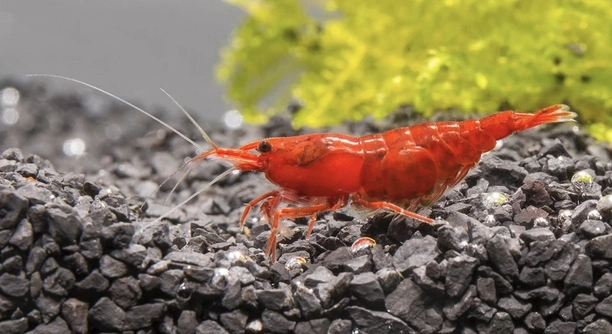
Are your shrimp tank routines taking up more time than they should? Keeping the tank spotless seems helpful, but too much cleaning can actually disturb the delicate balance needed for healthy shrimp.
Over-cleaning a shrimp tank can lead to stress, weakened immunity, and disrupted bacterial colonies essential for water quality. Excessive maintenance may remove beneficial biofilm and destabilize the environment, which directly impacts shrimp health and overall tank stability.
Understanding the signs of over-cleaning will help you maintain a stable, thriving shrimp tank and keep your aquatic pets healthy and active.
Cloudy Water
When you clean your shrimp tank too often, the water can turn cloudy. This happens because beneficial bacteria that break down waste are removed during frequent water changes or scrubbing. Cloudy water is a sign that the tank’s natural balance is disturbed. Shrimp rely on stable water conditions to thrive, and when these bacteria are lost, ammonia and nitrites can spike. Even if the water looks cleaner after a thorough scrub, the microscopic environment that supports shrimp health may be compromised. Over-cleaning can also stir up debris that had settled, temporarily increasing water turbidity. Over time, frequent cloudiness can stress shrimp, making them more prone to disease. It is important to maintain a routine that keeps water clear without stripping the tank of its essential microbial life. Learning to observe subtle changes in water clarity can prevent problems before they affect the shrimp population. Balance is key for a healthy, vibrant tank environment.
Cloudy water is usually a result of over-cleaning rather than external contamination. Observing frequency and technique helps maintain clarity naturally.
Maintaining stable water conditions means letting some biological processes continue uninterrupted. Avoid scrubbing all surfaces or replacing too much water at once. Minor detritus and algae provide food sources and shelter for shrimp. Monitoring water parameters like ammonia, nitrite, and nitrate helps ensure that cleaning is done appropriately. Over-cleaning may seem beneficial but can disrupt these natural cycles. By adjusting your routine to a moderate level, the tank remains healthy without stressing the shrimp. Consistent observation and measured maintenance are more effective than frequent, intense cleaning.
Shrimp Hiding or Acting Lethargic
Shrimp that suddenly hide or move less may be stressed by constant tank disturbance. They need stable conditions to feel secure and behave normally.
Excessive cleaning can remove hiding spots and disrupt familiar areas, causing stress.
Shrimp rely on surfaces like plants, rocks, and biofilm for shelter and feeding. When these areas are disturbed too often, shrimp may retreat or stop eating. Continuous cleaning also alters water chemistry and removes beneficial bacteria. Stress from environmental changes can weaken their immune systems, making them vulnerable to disease. Observing shrimp behavior after cleaning helps identify if the frequency is too high. Providing consistent, gentle maintenance allows shrimp to explore their tank comfortably. Small changes to the environment should be gradual, maintaining a balance between cleanliness and stability. Gradually reducing the intensity of cleaning can help shrimp regain normal activity and maintain overall health.
Frequent Algae Loss
Frequent cleaning can remove algae that shrimp feed on. Shrimp rely on algae as a natural food source, and excessive scrubbing leaves them with less to graze on, affecting their health and activity in the tank.
Algae serve as a critical food source and habitat for shrimp. When it is removed too often, shrimp may struggle to find enough nutrition, leading to reduced growth and lower energy levels. Over-cleaning rocks, plants, and decorations strips away this essential layer. Algae also support microfauna that shrimp feed on, so removing it disrupts their feeding routine. Maintaining some algae growth provides balance, allowing shrimp to graze naturally while keeping water quality under control. Adjusting cleaning frequency preserves both algae and beneficial microorganisms.
Shrimp interact with algae constantly, using it for both food and shelter. Eliminating it through over-cleaning not only reduces available nutrition but also affects their behavior. Gradual cleaning, focusing only on excess buildup, helps maintain algae without overwhelming the tank. Shrimp can thrive when algae remains stable, supporting natural feeding and healthy activity patterns. Observing shrimp behavior helps guide appropriate cleaning intervals.
Stress-Related Molting Issues
Over-cleaning can stress shrimp, interfering with their molting process and leaving them vulnerable. Stress can prevent proper exoskeleton development and growth.
Shrimp require calm, stable environments for successful molting. Frequent disturbances and water changes remove protective biofilm and alter water parameters, creating stress that can slow or disrupt molting. Inconsistent conditions may lead to incomplete molts or deformities, weakening shrimp over time.
Stress from constant cleaning affects hormonal balance and reduces shrimp’s ability to regenerate their exoskeleton. Even minor water parameter fluctuations can trigger molting problems. Over-cleaned tanks often lack sufficient hiding spots, increasing vulnerability during the molting process. Providing a stable environment with gradual cleaning ensures shrimp can molt safely. Monitoring water chemistry and maintaining gentle care helps prevent stress-related issues, supporting growth, reproduction, and long-term health in the tank.
Shrimp Avoiding Certain Areas
Shrimp may avoid sections of the tank after excessive cleaning. Frequent disturbance removes familiar surfaces and hiding spots, making them feel insecure.
Over-cleaned areas lack biofilm and algae that shrimp use for feeding and shelter. This can change their movement patterns and reduce activity in those zones.
Reduced Breeding Activity
Stress and constant environmental changes from over-cleaning can reduce shrimp breeding. Stable conditions are necessary for successful mating and healthy offspring.
Sudden Water Parameter Fluctuations
Frequent cleaning can cause sudden shifts in pH, temperature, or ammonia levels. Shrimp are sensitive to these changes and may become stressed or ill.
FAQ
How often should I clean my shrimp tank?
A moderate cleaning schedule is best. Partial water changes every one to two weeks, combined with gentle wiping of surfaces and decorations, help maintain water quality without removing beneficial bacteria or biofilm that shrimp rely on.
Can I clean decorations and plants without harming the tank?
Yes, but only gently. Avoid scrubbing everything at once. Use a soft brush or sponge to remove excess debris while leaving some algae and biofilm intact. This preserves natural food sources and maintains a healthy microbial environment for shrimp.
What signs indicate I’m over-cleaning?
Cloudy water, shrimp hiding, lethargy, reduced breeding, and sudden algae loss are common indicators. Over-cleaning disturbs tank balance and removes essential microorganisms, leaving shrimp stressed and less active. Monitoring these signs helps you adjust maintenance routines effectively.
Is frequent water changing harmful?
Too much water replacement can cause sudden shifts in pH, temperature, and nutrient levels. Shrimp are sensitive to changes, and large, frequent water changes disrupt the stability of their environment, leading to stress and possible health issues.
How do I maintain algae without letting it overgrow?
Allow some algae to remain on surfaces and decorations. If it starts growing excessively, remove small portions gradually rather than scrubbing the entire tank. This keeps a natural food source available while preventing algae from dominating the tank.
What is the best way to clean the substrate?
Use a siphon to remove debris from the substrate carefully. Avoid vacuuming all at once; instead, clean small sections over time. This prevents the removal of beneficial bacteria and reduces stress on the shrimp.
Can over-cleaning affect molting?
Yes. Shrimp need calm, stable conditions to molt successfully. Excessive cleaning removes hiding spots and disrupts water stability, increasing stress and causing incomplete or delayed molts, which can weaken their exoskeleton and overall health.
How do I know if shrimp are stressed?
Shrimp may hide more than usual, move less, avoid feeding, or cluster in certain areas. Behavioral changes combined with frequent tank disturbances indicate stress and the need to adjust cleaning routines.
Is it safe to clean filters regularly?
Filters should be rinsed gently using tank water to avoid killing beneficial bacteria. Cleaning too often or with tap water can remove microorganisms essential for breaking down waste, destabilizing the tank environment.
Can I prevent over-cleaning completely?
Yes. Observe shrimp behavior, monitor water parameters, and focus on partial, gentle cleaning rather than full scrubbing. Maintaining balance allows shrimp to thrive while keeping the tank clean and healthy.
How do I restore balance after over-cleaning?
Introduce gradual water changes, avoid disturbing surfaces, and allow algae and biofilm to regrow naturally. Adding live plants or shrimp-safe microbial supplements can help reestablish beneficial bacteria and stabilize the tank environment.
What are the long-term effects of over-cleaning?
Chronic over-cleaning can lead to reduced shrimp health, lower reproduction rates, and increased vulnerability to disease. Maintaining moderate cleaning practices supports consistent growth, natural behavior, and a thriving aquatic ecosystem.
Can small mistakes in cleaning harm shrimp?
Even minor disruptions can cause stress if done too frequently. Gentle care, observation, and patience ensure that cleaning supports tank health rather than undermining it, allowing shrimp to thrive naturally.
How do I balance cleanliness and shrimp health?
Focus on selective cleaning, maintain stable water parameters, and avoid removing all algae or biofilm. Regular but moderate maintenance supports a healthy environment, keeping shrimp active, well-fed, and stress-free.
Maintaining a shrimp tank can be very rewarding, but it requires understanding the delicate balance needed for a healthy environment. Over-cleaning may seem helpful at first, but it can actually disrupt the natural processes that shrimp depend on. Shrimp rely on stable water conditions, biofilm, and algae as both food and shelter. Excessive cleaning removes these important resources, causing stress and potentially harming their health. Even though it feels satisfying to see a perfectly clean tank, it is often better to allow some natural elements to remain. By adjusting the frequency and intensity of cleaning, you give the tank time to maintain its own biological stability. Observing your shrimp’s behavior and the condition of the water and surfaces can guide you in finding a proper balance.
It is important to remember that each tank is unique. Factors such as the number of shrimp, types of plants, water volume, and filter efficiency all affect how often maintenance should be done. Over-cleaning can lead to cloudy water, reduced algae, and stress-related behaviors like hiding or lethargy. It can also interfere with molting, reproduction, and overall growth. By paying attention to these signals, you can reduce unnecessary cleaning while keeping the tank safe and healthy. Small, gradual maintenance steps are more effective than large, frequent scrubbing. Using a siphon for partial substrate cleaning, gently rinsing decorations, and performing moderate water changes helps maintain water quality without disrupting beneficial microorganisms.
Finding the right cleaning routine is about balancing aesthetics with the shrimp’s well-being. A well-maintained tank should support a stable environment where shrimp can feed, molt, and reproduce naturally. Allowing some algae and biofilm to remain provides continuous food sources, while stable water conditions protect against stress and disease. By approaching maintenance with a thoughtful, measured approach, you create a thriving habitat that supports both shrimp health and long-term tank stability. Consistent observation, gentle cleaning, and moderation are key. Over time, this approach reduces the risks associated with over-cleaning and ensures that your shrimp can live comfortably in a supportive, balanced environment.

Hello,
If you enjoy the content that we create, please consider saying a "Thank You!" by leaving a tip.
Every little bit helps us continue crafting quality advice that supports the health, happiness, and well-being of pets around the world, for pets of all shapes, sizes, and species.
We really appreciate the kindness and support that you show us!