
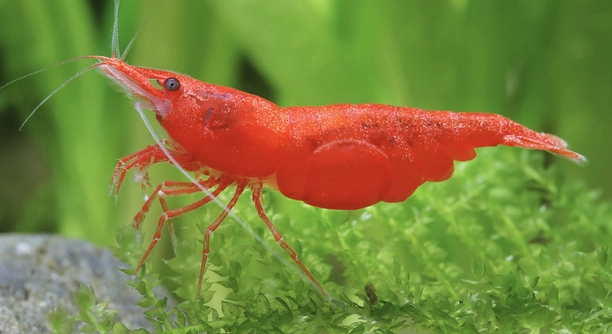
Shrimp are social creatures that often move together in groups for safety and companionship. However, sometimes individuals break away unexpectedly, leaving their group behind. Observing this behavior can reveal interesting patterns in their natural instincts and habits.
Shrimp leave their group primarily due to environmental stressors, changes in water conditions, social hierarchy conflicts, or searching for food. Understanding these behaviors allows aquarists and researchers to maintain healthier group dynamics and optimal living conditions for shrimp.
Recognizing the reasons behind these departures can improve your shrimp care and enhance the overall health of your aquarium community.
Changes in Water Quality
Shrimp are highly sensitive to water conditions. Even small fluctuations in temperature, pH, or ammonia levels can make them uncomfortable, prompting them to leave the group. Poor water quality may result from inadequate filtration, overfeeding, or infrequent water changes. In my experience, keeping consistent parameters prevents stress and supports healthy social behavior. Observing your tank daily helps catch subtle changes before they escalate. Shrimp that isolate themselves often do so to avoid harmful conditions, seeking safer areas with cleaner water or stable temperatures. Lighting and aeration also play a role, as low oxygen or excessive light can encourage shrimp to hide. Maintaining a balanced environment reduces the risk of disease, aggression, or erratic behavior.
Monitoring water regularly ensures your shrimp remain healthy and active.
Stable water parameters support group cohesion, reduce stress, and improve feeding behavior, creating a calmer and more predictable aquarium environment for all shrimp.
Social Hierarchy Conflicts
Shrimp establish pecking orders within their group, and conflicts can arise when dominance is challenged.
When certain shrimp assert dominance, weaker or younger individuals may leave temporarily to avoid confrontation. This behavior is common in densely populated tanks or when new shrimp are introduced. Territorial disputes often involve chasing, pinching, or blocking access to food. Over time, the group stabilizes as individuals find their place in the hierarchy. I have noticed that adding hiding spots like plants or rocks can reduce tension, giving lower-ranked shrimp safe spaces to retreat. Feeding areas that are spread out also help prevent fights over limited resources. Aggression is usually short-lived, but persistent conflict can cause chronic stress, leading some shrimp to separate themselves permanently. Observing interactions and adjusting tank layout can support a more balanced social structure and reduce unnecessary departures.
Properly managing population density and territory ensures shrimp can coexist peacefully while maintaining a stable hierarchy.
Feeding Competition
Shrimp often separate themselves when food sources become limited or crowded, especially during peak feeding times. Some individuals move away to locate calmer spots with less pressure. This behavior helps them avoid stress while still accessing the nutrition they need to stay healthy and active.
Feeding competition becomes more noticeable in tanks with uneven food distribution, leading to pushy interactions around pellets or sinking flakes. I have seen shrimp scatter quickly when dominant individuals take over an area, causing others to retreat to quieter corners. This separation is not always aggressive, but it signals that the feeding setup needs improvement. Offering multiple feeding points can limit tension and help all shrimp eat peacefully. Balanced portions prevent overeating and ensure resources are shared evenly throughout the tank.
Shrimp may also leave the group if specific foods attract stronger individuals that unintentionally push others aside. Adjusting feeding frequency and providing varied textures keeps the environment calmer, supports healthier behavior patterns, and helps maintain closer group cohesion without unnecessary spreading or conflict.
Mating Behavior
During mating periods, shrimp often break away from the group to follow instinctive patterns triggered by pheromones released in the water. These signals can cause rapid movements, scattered swimming, and temporary separation as males search for receptive females across the tank.
This behavior is normal and generally settles once mating activity slows. I have observed males darting from one corner to another while females retreat to plants or surfaces for safety and comfort. These movements can look frantic, but they are natural responses tied to reproduction. Maintaining stable water quality supports smoother cycles, helps individuals recover after mating, and reduces stress-related separation. Tanks with plenty of spaces for hiding and resting also allow shrimp to regroup afterward without lingering agitation. Understanding these dynamics makes it easier to support healthy breeding patterns while keeping the group interaction steady once the mating phase ends.
Predator Presence
Shrimp may leave their group when they sense potential predators nearby, even in peaceful aquariums. Sudden movements, shadows, or larger tank mates can make them move away for safety. I have seen shrimp scatter quickly when startled by unexpected motion near their usual gathering spot in the tank during feeding.
This reaction is often temporary and settles once the shrimp feel secure again. Providing plants, caves, and shaded areas helps them regain confidence. I like adding extra cover to reduce stress so the group can return to its normal patterns without prolonged separation in their daily tank routine once more.
Lighting Adjustments
Lighting changes can influence shrimp behavior, especially when brightness shifts abruptly. Shrimp rely on stable lighting to feel calm, and strong or sudden illumination can push them away from their group. I often notice shrimp hiding under plants or decorations when the lights come on too quickly. Gradual adjustments help keep them comfortable and reduce unnecessary movement. Maintaining a consistent schedule also supports predictable patterns, encouraging shrimp to remain together instead of scattering. Using softer lighting during the morning and evening periods can create smoother transitions and prevent overstimulation, which allows the group to stay settled and behave more peacefully.
Vibrations and Noise
Shrimp can react strongly to vibrations or noise near the tank, causing them to leave the group in search of calmer spaces. Sudden tapping, loud music, or moving furniture can disrupt their comfort. I have seen shrimp scatter fast when the tank experiences unexpected external disturbances in their usual area.
FAQ
Why do shrimp leave their group suddenly even when the tank seems fine?
Shrimp may separate from their group for reasons that are not always obvious at first glance. Even in a tank that appears stable, small internal shifts can influence their comfort. A tiny spike in ammonia, slight noise, or subtle dominance interaction can trigger separation. I have noticed shrimp wander off quietly when something feels slightly off to them, even if the change is too minor for me to detect immediately. Their instincts guide them toward caution, so any hint of discomfort encourages them to move away from others until they feel secure again.
Can shrimp leaving the group indicate early signs of illness?
Yes, isolated behavior can sometimes signal potential health concerns. Shrimp that feel unwell often withdraw from the group to conserve energy or avoid stress from active tank mates. I pay close attention when a shrimp hides more than usual or becomes less reactive, as this may be an early warning. Reduced coloration, low activity, or difficulty swimming can appear next. While not every case of separation means illness, it is worth observing their behavior closely and checking water parameters to rule out any contributing factors.
Is it normal for shrimp to separate after molting?
Shrimp frequently hide or drift away from the group right after molting. Their new shell remains soft for a short period, leaving them vulnerable. I often see freshly molted shrimp tuck themselves behind plants or under driftwood while their exoskeleton hardens. This behavior is completely normal and usually lasts only a short time. Once their shell becomes firm again, they return to normal activity and rejoin the group. Providing safe hiding spaces helps them recover without stress.
Can overcrowding cause shrimp to leave their group?
Overcrowding can absolutely contribute to scattered behavior. When too many shrimp share the same space, competition for food, hiding spots, and personal territory becomes more intense. I have witnessed shrimp spreading out simply because they need breathing room. A packed environment increases tension, encourages subtle aggression, and makes some individuals feel pressured. Adjusting tank population or expanding tank size helps restore balance and keeps shrimp interacting more comfortably as a group.
Does temperature affect group behavior in shrimp?
Temperature changes can influence how closely shrimp stick together. If the water becomes too warm or too cool, some may break off in search of a more comfortable zone within the tank. Shrimp are very sensitive to fluctuations, so even small shifts can disrupt their patterns. I try to maintain stable temperatures to avoid any unnecessary wandering. When the environment remains consistent, they behave more predictably and gather together more often.
Can shrimp leave the group because of tank mates?
Yes, shrimp may separate when housed with fish or other species that move quickly or appear intimidating. Even if these tank mates are not harmful, their presence can make shrimp feel uneasy. I have seen shrimp hide for entire afternoons simply because of active swimmers nearby. Selecting peaceful companions or providing more cover helps shrimp feel safe enough to regroup.
How can I encourage shrimp to stay together more consistently?
Creating a stable environment is the best way to support natural group behavior. I focus on consistent water quality, gentle lighting transitions, quiet surroundings, and multiple food spots to reduce tension. Adding plants, moss, and shelters gives them confidence to explore and regroup comfortably. When everything feels balanced, shrimp naturally gravitate toward one another and remain more peaceful, creating a calm and predictable atmosphere in the tank.
Final Thoughts
Shrimp behavior can shift quickly, and noticing these small changes helps create a stable and comfortable environment for them. When shrimp leave their group, it often reflects something happening in their surroundings, even if it appears minor. I have learned that paying attention to the subtle signs makes a meaningful difference in keeping them healthy. Moving away from the group does not always signal a serious problem, but it offers valuable insight into the conditions inside the tank. Stable parameters, calm lighting, and consistent feeding habits help them feel safe enough to remain close to one another. As I continue caring for shrimp, I find that their patterns become clearer over time, making it easier to respond to their needs before tension or stress grows. This approach supports a healthier and more predictable environment that keeps the entire tank balanced.
Shrimp thrive in tanks that remain steady, peaceful, and thoughtfully arranged. When they separate, it often reflects instincts shaped by safety, comfort, and social structure. I try to create a space where they can explore without fear of sudden disruptions. Whether it is adding extra plants, spreading out feeding locations, or adjusting lighting, every small change influences how they interact with one another. Watching their behavior closely allows me to understand when they feel secure or when something encourages them to scatter. Stability encourages group behavior, and I have noticed that the more consistent the care, the calmer the shrimp become. Over time, their movements form a rhythm that shows how well they are adapting to their space. Supporting this natural rhythm keeps them active, reduces stress, and helps them form more cohesive patterns throughout the day.
Caring for shrimp becomes simpler when you learn to recognize the common reasons behind their shifts in behavior. Their instincts guide their choices, and understanding these instincts makes it easier to create a tank that supports their natural tendencies. When their environment remains balanced, shrimp usually return to their group and move comfortably throughout the tank. As a woman who enjoys observing their dynamics, I find that their behavior tells a story about their comfort, security, and needs. Taking the time to adjust their surroundings helps them thrive and encourages steady, predictable habits. Over time, this leads to a healthier tank where shrimp feel confident, safe, and able to interact naturally. Their small movements reveal a lot, and paying attention to them helps create a space where they can flourish without unnecessary stress or disruption.

Hello,
If you enjoy the content that we create, please consider saying a "Thank You!" by leaving a tip.
Every little bit helps us continue crafting quality advice that supports the health, happiness, and well-being of pets around the world, for pets of all shapes, sizes, and species.
We really appreciate the kindness and support that you show us!