
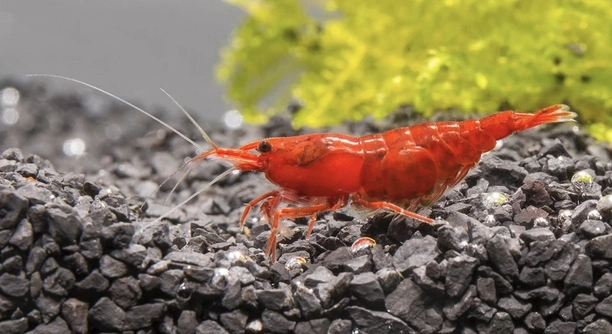
Molting is a natural and essential process for many animals, helping them renew their skin, feathers, or exoskeleton. Observing the signs of a healthy molt can ensure your pet or animal stays in good condition. Proper care and attention during this period support overall well-being and comfort, making the process smoother and less stressful for the animal.
A healthy molt cycle is indicated by consistent shedding patterns, vibrant and intact new growth, normal behavior, and absence of skin infections or excessive stress. Monitoring these indicators allows for early detection of issues and supports proper animal care.
Recognizing these signs early can help you support your pet’s natural processes. Keeping track ensures they remain healthy and adapt comfortably throughout their molt.
Regular and Predictable Shedding
Molting follows a rhythm, and a healthy cycle usually occurs at consistent intervals. Animals like birds, reptiles, and small mammals shed in predictable patterns depending on their species, age, and environment. Observing these intervals can give you a clear understanding of what is normal. Irregular or patchy shedding may indicate stress, illness, or poor nutrition. When the shedding is even and follows the expected schedule, it suggests the body is regenerating properly. Changes in temperature, light, or diet can subtly affect the timing, so keeping conditions stable is important. A proper diet with the right nutrients strengthens the new growth and supports overall health. It’s also essential to provide a safe and comfortable space during this period. Avoid handling your pet excessively, as stress can slow down or disrupt the molt. By paying attention to these factors, you can help ensure the cycle proceeds smoothly.
Healthy shedding shows the animal is adapting well. Signs of consistent growth are reassuring.
Monitoring your pet’s molt closely allows for quick action if problems appear. Noticing irregularities early prevents more serious health issues. For example, uneven feather replacement in birds may hint at vitamin deficiencies or stress. Reptiles shedding in patches could indicate dehydration or skin conditions. Providing optimal humidity, nutrition, and minimal stress supports proper regeneration. Additionally, gentle observation ensures you can distinguish between normal variation and concerning changes. Being proactive in maintaining the environment and diet helps your pet complete its molt successfully and maintain overall vitality.
Vibrant and Intact New Growth
New growth after a molt should look healthy and vibrant. Dull, brittle, or malformed skin, feathers, or scales may indicate underlying problems. Paying attention to texture, color, and overall appearance gives insight into nutritional or health issues.
Healthy new growth requires proper diet and care. Providing the right nutrients and conditions strengthens development.
Ensuring your pet receives sufficient protein, vitamins, and minerals supports strong new growth. For birds, this might mean offering a balanced mix of seeds, fruits, and supplements. Reptiles benefit from adequate calcium, hydration, and UV exposure for skin regeneration. Small mammals also rely on quality food and gentle handling. Avoid harsh cleaning products or rough handling during this time, as damage can affect the new layer. Observing changes daily helps detect early problems, allowing for timely intervention. Consistent monitoring, paired with proper care, supports the development of robust, healthy growth, making future molts easier and maintaining overall vitality and comfort.
Normal Behavior During Molt
Animals may seem less active during their molt, which is a normal adjustment. They often rest more and eat slightly differently. Changes in mood or energy are expected and not necessarily a sign of illness.
Reduced activity helps the body focus on regenerating feathers, skin, or fur. Birds may spend more time preening to remove old feathers, while reptiles might hide more frequently. Small mammals often seek extra warmth and comfort during this time. These shifts in behavior are part of the natural process and help prevent injury or stress while the body is delicate. Monitoring your pet without interfering allows them to complete the molt safely. Providing a quiet environment and consistent care ensures they can rest and recover. Occasional observation is enough to notice if their activity levels are appropriate.
Avoid forcing activity or handling excessively. Respecting their reduced energy helps them molt successfully and prevents complications like broken feathers, damaged skin, or stress-related behaviors.
Healthy Appetite and Hydration
Maintaining a balanced appetite is crucial during the molt. Animals that eat and drink regularly are generally experiencing a healthy cycle.
A consistent appetite indicates their body is receiving the energy needed for growth and repair. Birds, reptiles, and mammals may prefer slightly different foods during this time, often seeking nutrient-rich options. Proper hydration supports skin and feather regeneration, while vitamins and minerals in the diet ensure structural integrity. Changes in feeding habits can sometimes signal health issues, so monitoring consumption is important. Observing normal intake patterns gives a clear picture of whether the molt is proceeding correctly, allowing for timely adjustments in care.
Proper feeding routines and accessible water promote steady regeneration. Offering familiar, high-quality foods helps maintain energy levels, supports immune function, and reduces stress. Balanced nutrition ensures the animal has what it needs for strong new feathers, skin, or fur, while also preventing deficiencies that could slow growth or cause abnormalities. Creating a calm feeding environment encourages them to eat comfortably. Regular observation ensures intake remains sufficient, allowing for minor modifications if appetite dips slightly. Adequate nourishment and hydration are fundamental to completing the molt without complications.
Even Shedding
Shedding should occur uniformly across the body. Patchy or uneven molting may indicate stress, poor diet, or underlying health problems. Regular observation helps ensure the process is balanced.
Consistent shedding allows new feathers, skin, or fur to grow properly. Uneven patterns can make the animal more vulnerable to injury or infection.
Comfortable Skin and Feathers
Soft, smooth, and unbroken skin or feathers are signs of a healthy molt. Avoiding harsh handling and providing proper humidity and nutrition supports this growth. Proper care prevents irritation, cracking, or abnormal development.
Minimal Stress Signals
Animals showing calm behavior, steady appetite, and normal grooming indicate low stress during molt. Monitoring for signs of agitation helps maintain their well-being.
FAQ
What should I feed my pet during a molt?
During a molt, animals need nutrient-rich foods that support growth and repair. Birds benefit from protein sources, fresh fruits, and vegetables. Reptiles require calcium, vitamins, and proper hydration. Small mammals need high-quality pellets or fresh produce. Maintaining a balanced diet ensures strong new feathers, skin, or fur.
How often should I monitor my pet during a molt?
Daily observation is sufficient, focusing on behavior, appetite, and shedding patterns. Avoid excessive handling, but check for uneven shedding, dull growth, or signs of stress. Monitoring regularly helps identify problems early and allows for timely care adjustments.
Is it normal for my pet to be less active?
Yes, reduced activity is common during a molt. Energy is directed toward regrowth and repair. Birds may preen more often, reptiles may hide, and mammals may rest longer. Respecting their lowered activity helps prevent stress and injury.
What signs indicate an unhealthy molt?
Uneven shedding, dull or brittle growth, excessive scratching, irritation, or changes in appetite may signal problems. Persistent stress, dehydration, or poor nutrition can contribute. Early detection and intervention are essential to avoid complications and support proper regeneration.
How can I reduce stress during molting?
Keep the environment calm and consistent. Avoid loud noises, excessive handling, and sudden changes in temperature or lighting. Providing proper nutrition, hydration, and comfortable resting areas minimizes stress and allows the molt to proceed naturally.
Can molting affect behavior permanently?
Temporary changes in mood, energy, and grooming habits are normal. Once the molt is complete, most animals return to their usual behavior. Persistent behavior changes may indicate underlying health issues that need veterinary attention.
How long does a typical molt last?
The duration varies by species, age, and environmental factors. Birds usually molt over several weeks, reptiles may take days to weeks, and small mammals may experience shorter cycles. Consistent care throughout this period supports smooth, complete regeneration.
Should I bathe my pet during a molt?
Bathing is generally not recommended unless necessary. Excessive washing can stress the animal and damage delicate new growth. Spot cleaning or gentle misting may be used for hygiene while protecting the molting process.
Can supplements speed up molting?
Supplements should only be used if recommended by a veterinarian. Excessive or inappropriate supplementation can harm health. Proper diet, hydration, and environmental conditions are the safest ways to support natural molting.
When should I consult a veterinarian?
If shedding is patchy, new growth is dull or broken, behavior is abnormal, or appetite declines significantly, veterinary consultation is recommended. Early intervention prevents long-term health problems and ensures the molt completes successfully.
Are all pets affected the same way by molting?
No, molting patterns differ across species and individual animals. Birds, reptiles, and mammals have unique cycles and nutritional needs. Observing your specific pet’s behavior, appetite, and shedding patterns ensures care is tailored effectively.
Can molting cause temporary weight changes?
Yes, slight weight fluctuations are normal. Energy is redirected toward regrowth, and reduced activity may cause temporary weight gain or loss. Maintaining proper diet and hydration helps stabilize weight throughout the molt.
How do I know if new feathers or skin are healthy?
Healthy new growth appears smooth, vibrant, and intact. Feathers should have proper structure, skin should be soft and unbroken, and fur should be even and clean. Regular observation helps detect early signs of problems.
Can environmental changes impact molting?
Yes, sudden changes in temperature, humidity, or light cycles can disrupt shedding. Maintaining stable conditions supports consistent growth and reduces stress during the molting period.
Molting is a natural and essential process for many animals, from birds to reptiles and small mammals. It allows them to renew their feathers, skin, or fur, keeping their bodies healthy and functional. Observing the signs of a healthy molt can help you understand how your pet is adapting and ensure they remain comfortable throughout the process. Consistency in shedding, new growth that looks vibrant and intact, and normal behavior are key indicators that everything is progressing as it should. By paying attention to these factors, you can prevent minor issues from turning into bigger health problems and ensure your pet’s well-being is supported at every stage of the cycle.
Providing proper care during a molt is critical. Nutrition plays a major role in supporting the growth of new feathers, skin, or fur. Balanced diets that meet species-specific needs help maintain energy levels and encourage strong, healthy growth. Hydration is equally important, particularly for reptiles and mammals, as it supports skin regeneration and reduces the risk of dryness or irritation. Environmental factors also matter. Stable temperature, appropriate humidity, and a safe, quiet space allow animals to rest and complete their molt without unnecessary stress. Avoiding excessive handling and giving them the space to follow their natural rhythm ensures the process continues smoothly. Small adjustments to diet or living conditions can make a significant difference in how easily your pet goes through its molt.
Regular observation is the most effective way to track a healthy molt. Noticing small changes in behavior, appetite, or shedding patterns allows you to act quickly if something seems off. Temporary changes like reduced activity or mild shifts in mood are normal, but persistent problems could indicate underlying health concerns. By understanding what constitutes a healthy molt, you can provide the care and support your pet needs, helping them emerge with strong, intact feathers, skin, or fur. Consistency, patience, and attention to detail are the foundation of good care during this time, and they ensure your pet remains healthy, comfortable, and thriving throughout their natural molting cycle.

Hello,
If you enjoy the content that we create, please consider saying a "Thank You!" by leaving a tip.
Every little bit helps us continue crafting quality advice that supports the health, happiness, and well-being of pets around the world, for pets of all shapes, sizes, and species.
We really appreciate the kindness and support that you show us!