
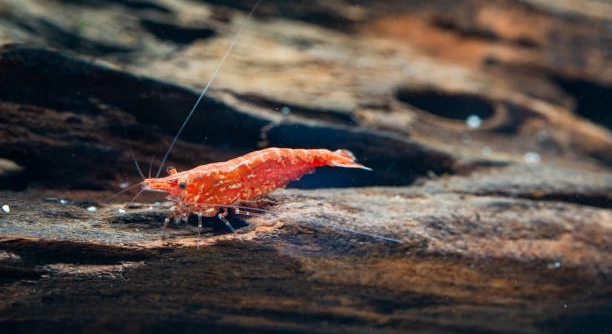
Cherry shrimp are popular among aquarium enthusiasts for their vibrant colors and active behavior. Many owners enjoy observing their tiny movements and daily routines, often noticing patterns in how they interact with their environment throughout the day.
Cherry shrimp do not possess an internal sense of time similar to humans. Their activity levels and behaviors are influenced primarily by light exposure, temperature, and feeding schedules rather than an innate ability to track hours of the day.
Observing these patterns can help you create a healthier environment and better understand their natural rhythms. Adjusting light and feeding routines can improve both their activity and well-being.
Daily Activity Patterns
Cherry shrimp are naturally more active during the day when light is present. They use this time to forage, explore, and interact with their environment. At night, they tend to hide among plants or decorations, conserving energy and avoiding stress. Observing their daytime behaviors can provide insights into their health. Changes in movement or feeding may indicate environmental issues, such as water quality or temperature fluctuations. Regular monitoring of light cycles helps maintain a stable routine for the shrimp. Adjusting feeding times to align with their activity can also encourage natural behaviors. Even minor disturbances in their habitat, such as sudden noise or strong water currents, can temporarily alter activity patterns. Consistent care and observation allow owners to notice subtle shifts that may otherwise go unnoticed. Over time, a clear pattern emerges, showing the shrimp’s preferred areas for hiding, feeding, and exploring within the tank. This understanding helps maintain a comfortable and predictable environment for them.
Light directly affects their behavior and encourages daytime activity.
Monitoring tank lighting and feeding can improve their overall well-being and energy levels. Consistency is key to maintaining predictable patterns.
Influence of Environmental Factors
Temperature, water quality, and tank setup greatly affect cherry shrimp behavior. Small changes in temperature can increase or decrease activity levels, while poor water conditions can cause stress or illness. Proper filtration and regular water testing ensure the shrimp remain healthy. Decorations, plants, and hiding spots allow them to feel secure and explore without risk. Even the placement of food influences where they spend most of their time. Keeping a stable environment reduces stress and helps shrimp display natural behaviors. Gradual adjustments to light and temperature help them acclimate without sudden disruptions, supporting both feeding and movement patterns. Observing how shrimp respond to these changes provides insight into their comfort and health, making it easier to maintain a thriving tank.
Environmental stability and proper tank management are essential for their consistent behavior.
By carefully controlling temperature, lighting, and water quality, owners can help cherry shrimp maintain natural activity patterns. A well-structured tank with adequate hiding spaces encourages exploration while minimizing stress. Observing responses to feeding and habitat adjustments offers insight into their preferences, allowing for improved care. These factors combine to support growth, reproduction, and overall health. Maintaining stability over time helps the shrimp thrive and display normal daily behaviors, making them easier to monitor. Consistency in care not only ensures active shrimp but also reduces the risk of illness or behavioral issues. Tracking patterns over several weeks provides a clearer understanding of their needs. This approach allows for timely interventions when necessary and ensures a safe, predictable environment for the shrimp to live comfortably.
Light and Its Effects
Cherry shrimp are highly responsive to light changes. Bright light encourages exploration and feeding, while dim conditions promote hiding and rest. Maintaining a consistent light schedule helps them stay active and reduces stress, supporting natural daily rhythms and predictable behaviors in the tank.
Light influences cherry shrimp activity by regulating their internal cycles. A stable day-night pattern allows them to forage during the day and rest at night. Sudden changes in intensity or duration can stress them, causing reduced movement or hiding. Using a timer ensures consistency, while avoiding direct sunlight prevents overheating or algae growth. Observing shrimp under different lighting conditions helps identify their preferred levels, ensuring both comfort and activity. Over time, the shrimp adjust to consistent lighting, showing regular patterns in feeding, movement, and interaction with their environment, which is important for overall health.
Artificial lighting should mimic natural conditions, providing gradual transitions between day and night. This encourages normal behavior, reduces stress, and helps cherry shrimp establish a predictable routine. Observing their response to light changes allows for adjustments that improve tank management and promote long-term well-being. Proper placement of lights ensures even coverage, while avoiding overly bright spots that could drive shrimp to hide excessively. Balancing intensity and duration supports natural cycles, keeping shrimp active during daylight hours. Maintaining this consistency helps regulate feeding, foraging, and movement patterns, which are crucial for their health and growth. Gradual adjustments prevent shock and allow shrimp to adapt comfortably.
Feeding and Behavioral Cues
Feeding times influence cherry shrimp activity, as they become more active around meals. Regular schedules reinforce routines and help monitor their health. Overfeeding or irregular feeding can disrupt these patterns and increase stress, affecting overall behavior.
Cherry shrimp respond quickly to food, often gathering in feeding areas and showing heightened movement. A consistent feeding schedule encourages predictable activity, while irregularity can lead to hiding or lethargy. Offering a balanced diet ensures proper growth and energy for natural behaviors. Observing how shrimp approach food provides insights into their health, appetite, and social interactions. Small portions prevent water contamination and maintain clean conditions, which are essential for well-being. Feeding cues also support bonding with the tank environment, helping shrimp feel secure and confident while exploring.
Monitoring behavior around feeding times helps identify potential problems early. Changes in appetite or movement can signal stress, illness, or environmental issues. Adjusting portion sizes, frequency, and feeding locations supports optimal health and activity levels. A regular feeding routine also reinforces day-night patterns, as shrimp anticipate food during daylight hours. Observing responses to different foods or feeding methods reveals preferences and helps prevent waste. Maintaining clean water while feeding is crucial, as uneaten food can degrade water quality. Over time, consistent feeding practices contribute to a predictable environment where shrimp thrive, remain active, and display natural behaviors.
Stress and Its Impact
Stress affects cherry shrimp behavior quickly. Sudden changes in water quality, temperature, or tank activity can cause hiding, reduced movement, or irregular feeding. Minimizing disturbances and maintaining stable conditions helps them stay active and healthy.
Even minor stressors like overcrowding or aggressive tank mates can disrupt their daily routines. Observing shrimp for signs of stress allows timely adjustments to their environment, improving overall well-being and supporting natural activity patterns.
Molting and Activity
Molting is a critical process for cherry shrimp and affects their behavior. During molting, they may hide for protection while shedding their old exoskeleton. This period reduces movement and feeding as energy is focused on growth. Monitoring their molting cycles helps ensure safety and proper nutrition.
Social Interaction
Cherry shrimp display subtle social behaviors. They often group while feeding and communicate through movement and touch, establishing a calm and predictable dynamic within the tank.
FAQ
Do cherry shrimp have a sense of time?
Cherry shrimp do not perceive time the way humans do. They respond to environmental cues like light, temperature, and feeding schedules. Their activity cycles depend largely on these external factors rather than an internal clock. Consistent lighting and feeding help maintain predictable behavior patterns, which owners can use to anticipate activity.
Why are my cherry shrimp more active during the day?
Daytime activity is linked to light exposure. Shrimp use daylight hours to forage, explore, and interact. At night, they typically hide among plants or decorations to conserve energy and reduce stress. Maintaining a stable light-dark schedule encourages this natural rhythm and prevents erratic behaviors.
Can cherry shrimp get stressed?
Yes, stress is common in cherry shrimp and can reduce activity or appetite. Causes include sudden water changes, aggressive tank mates, overcrowding, or poor water quality. Signs of stress include hiding more than usual, lethargy, and reduced feeding. Addressing environmental stability helps shrimp remain calm and active.
How does molting affect cherry shrimp behavior?
Molting temporarily alters shrimp behavior. They often hide to protect themselves while shedding their old exoskeleton. Movement and feeding decrease during this period as energy is focused on growth. Providing hiding spaces and a clean environment helps shrimp molt safely and return to normal activity quickly.
Do cherry shrimp follow a feeding routine?
Yes, cherry shrimp respond strongly to feeding schedules. Regular feeding encourages predictable activity and reduces stress. Irregular feeding can lead to hiding or reduced movement. Offering small, balanced portions at consistent times helps maintain energy levels and supports healthy behavior patterns.
Does tank setup influence shrimp activity?
Tank layout, plants, and decorations impact shrimp movement and comfort. Hiding spots provide security, while open areas encourage exploration and foraging. A well-planned setup reduces stress and promotes natural behavior, making it easier to observe activity patterns and maintain overall health.
How does water quality affect daily behavior?
Water parameters like pH, temperature, and ammonia levels directly affect shrimp activity. Poor conditions cause hiding, lethargy, or abnormal movement. Regular water testing, filtration, and gradual adjustments help shrimp maintain consistent daily routines and reduce stress. Stability is key for healthy, predictable behavior.
Can cherry shrimp recognize feeding cues?
Yes, shrimp can learn to associate certain cues, like movement near the tank or the appearance of food, with feeding times. This response helps reinforce daily routines and encourages activity during specific periods, making their behavior more predictable for monitoring and care.
Why do shrimp hide more at certain times?
Hiding is a natural response to perceived risk or environmental stress. Changes in lighting, water flow, or tank disturbances can trigger this behavior. Providing adequate cover and avoiding sudden changes allows shrimp to feel secure and maintain normal activity levels throughout the day.
Do all cherry shrimp show the same activity patterns?
Individual shrimp may vary slightly in behavior. Factors like age, health, and molting cycles influence activity levels. Observing the group as a whole helps identify typical patterns, while noting individual differences ensures each shrimp’s needs are met for consistent health and well-being.
Can I influence their activity with lighting adjustments?
Yes, changing light intensity or duration affects shrimp movement. Gradual transitions between day and night conditions support natural activity cycles. Using a timer helps maintain consistency and reduces stress, encouraging predictable behavior during both feeding and exploration periods.
What is the best way to monitor shrimp behavior?
Observing shrimp daily, noting feeding habits, movement, and hiding tendencies, helps identify normal patterns. Recording changes in activity or response to environmental adjustments allows timely interventions, supporting healthy behavior and maintaining an ideal tank environment.
Do social interactions impact activity?
Yes, shrimp often display group behaviors during feeding and exploration. Interaction through movement and touch establishes social dynamics that affect comfort and activity levels. Maintaining appropriate population density ensures social balance without causing stress or competition, promoting overall well-being.
How long do activity patterns take to stabilize?
Patterns generally stabilize after several days to weeks of consistent light, feeding, and water conditions. Gradual changes in the environment help shrimp adjust without stress, allowing predictable behavior cycles to form and supporting a healthier tank ecosystem.
Are there signs of abnormal activity I should watch for?
Sudden lethargy, excessive hiding, or erratic swimming can indicate stress, illness, or poor water quality. Early detection and corrective action, such as testing water parameters or adjusting lighting, help prevent long-term issues and maintain normal daily routines for shrimp.
How can I encourage natural behavior in cherry shrimp?
Maintaining stable conditions, providing hiding spots, and feeding consistently supports natural exploration and foraging. Observing their responses and adjusting environmental factors as needed encourages activity and comfort, helping shrimp display healthy behaviors without unnecessary stress or disruption.
Do shrimp behavior patterns differ between tanks?
Yes, tank size, layout, population, and water quality all influence activity. Observing shrimp in their specific environment helps identify normal behavior patterns and guides care practices to ensure consistent activity and health. Adjustments to lighting, hiding spaces, and feeding improve routine behaviors.
Can seasonal changes affect cherry shrimp activity?
Temperature fluctuations or light changes can influence activity if the tank is exposed to natural light or inconsistent heating. Maintaining controlled indoor conditions minimizes seasonal impact and keeps shrimp routines predictable throughout the year.
How do shrimp communicate through behavior?
Cherry shrimp use subtle movements and touch to signal presence or establish comfort zones. This communication impacts activity, feeding patterns, and social dynamics. Observing these interactions provides insight into their well-being and helps manage tank population for harmony.
Are younger shrimp more active than adults?
Juvenile shrimp often display higher activity while exploring and feeding. Adults may have steadier patterns and spend more time in hiding or resting. Understanding these differences helps set appropriate expectations and care routines for shrimp of varying ages.
Can shrimp adjust to changes in their environment?
Yes, shrimp can adapt gradually to new conditions if changes are implemented slowly. Sudden shifts in temperature, lighting, or tank layout can cause stress, while careful adjustments allow them to maintain normal activity and feeding behaviors.
Does the number of shrimp in a tank matter?
Population density affects comfort and behavior. Overcrowding can increase stress and hiding, while too few shrimp may reduce social interaction. Maintaining balanced numbers supports predictable activity and healthy daily patterns.
What is the role of hiding spots in daily activity?
Hiding spots provide safety during molting, feeding, or stress. Properly placed plants and decorations encourage exploration while giving shrimp a secure environment, allowing them to display natural behaviors without feeling threatened or overwhelmed.
How long can shrimp stay hidden without concern?
Temporary hiding is normal, especially during molting or stress. Prolonged inactivity may indicate environmental issues or illness. Observing water conditions, feeding response, and interactions helps determine if the behavior is natural or needs intervention.
Can I train shrimp to a feeding schedule?
Yes, consistent feeding times create predictable activity patterns. Shrimp learn to associate cues, such as movement near the tank or food appearance, with feeding. This encourages regular foraging behavior, reduces stress, and supports overall health.
How do I know if my shrimp are healthy based on behavior?
Healthy shrimp are active during light hours, respond to food, molt successfully, and interact socially. Irregular movement, hiding, or loss of appetite may signal stress or illness. Observing behavior daily provides early warning signs for intervention.
Do tank mates affect cherry shrimp routines?
Yes, aggressive or overly active tank mates can disrupt shrimp activity. Providing safe companions and sufficient hiding spaces helps maintain normal feeding and exploration patterns without unnecessary stress.
How does feeding type influence behavior?
Shrimp respond differently to various foods. High-quality, balanced diets promote active foraging and exploration. Overfeeding or low-quality food can reduce movement and lead to hiding. Observing responses helps adjust diet for optimal behavior.
What role does water temperature play in activity?
Temperature directly affects metabolism and movement. Stable, appropriate ranges encourage consistent activity and feeding, while fluctuations can stress shrimp and disrupt daily patterns. Maintaining ideal water conditions supports predictable behavior and overall health.
Can light timers help regulate shrimp behavior?
Yes, timers provide consistent day-night cycles, supporting natural rhythms. Gradual transitions reduce stress and encourage normal activity, feeding, and rest periods. Regular cycles help shrimp establish predictable daily behavior patterns, making observation and care easier.
How do I know if hiding is normal or a problem?
Short-term hiding during molting or after disturbances is normal. Extended hiding with reduced feeding or erratic movement may indicate stress, poor water quality, or illness. Observing behavior alongside environmental conditions helps determine the cause and necessary adjustments.
Do shrimp have peak activity hours?
Yes, activity often peaks shortly after lights turn on and during feeding times. Recognizing these periods helps monitor health, adjust feeding, and maintain consistent tank management, ensuring shrimp remain active and comfortable throughout the day.
Can lighting color affect shrimp activity?
Lighting color can influence visibility and comfort but does not significantly change activity patterns. Natural or white light is typically preferred, while extreme colors may cause stress or reduce visibility, impacting exploration and feeding behavior.
How do I prevent stress-related behavior changes?
Maintain stable water conditions, consistent feeding, and secure hiding spots. Gradual adjustments to tank layout or lighting prevent sudden stress, helping shrimp display natural behavior consistently. Observing responses allows timely intervention to maintain a healthy environment.
What environmental cues are most important for daily routines?
Light, temperature, and feeding schedules are the primary cues. These factors regulate activity, rest, and foraging. Ensuring stability in these areas allows cherry shrimp to maintain predictable behavior patterns and supports overall health and well-being.
Do shrimp behavior patterns change with age?
Yes, younger shrimp tend to be more active, while older shrimp may spend more time resting or hiding. Monitoring age-related changes ensures appropriate care, feeding, and environment for shrimp at different life stages.
How long should I observe shrimp to understand their routines?
Observing shrimp over several weeks provides insight into normal activity patterns, feeding responses, and social interactions. Regular monitoring helps identify deviations caused by environmental changes or stress, ensuring timely adjustments.
Can stress cause long-term behavioral changes?
Prolonged stress can lead to reduced activity, irregular feeding, or poor molting. Maintaining stable conditions, proper feeding, and safe tank layout prevents long-term issues and supports predictable, healthy behavior.
What is the role of hiding during molting and feeding?
Hiding provides protection and reduces risk of injury. During molting, shrimp are vulnerable, and hiding ensures safety. During feeding, secure spaces allow more confident foraging and interaction, promoting normal daily behaviors.
How do I create an ideal environment for predictable activity?
Combine stable lighting, temperature, water quality, and hiding spots. Consistent feeding schedules and careful monitoring of tank conditions encourage natural exploration, foraging, and social interaction. Observing shrimp behavior ensures adjustments maintain a safe, predictable environment.
Can shrimp adjust to new feeding schedules?
Yes, gradual changes help shrimp adapt to new routines. Consistent timing and portioning reinforce predictable activity, improve foraging efficiency, and reduce stress. Monitoring responses ensures the transition supports normal behavior and overall health.
Does social hierarchy affect shrimp activity?
Social dynamics influence movement and feeding. Dominant shrimp may control food access, while others hide temporarily. Balanced population density and adequate hiding spots minimize stress and allow predictable behavior for all shrimp.
How does tank size influence behavior patterns?
Larger tanks offer more exploration space, while small tanks may limit movement. Adequate space supports natural foraging, hiding, and social interaction. Observing activity in relation to tank size ensures shrimp remain comfortable and active.
Do shrimp ever change routines temporarily?
Yes, changes in light, temperature, feeding, or tank disturbances can temporarily alter activity. Providing stability and monitoring responses allows shrimp to resume normal routines quickly without long-term effects.
Can water flow affect activity?
Strong currents may cause hiding or stress, while gentle flow encourages natural movement. Adjusting filtration and flow patterns ensures shrimp can explore comfortably, maintain feeding routines, and display typical behavior patterns.
How often should I monitor shrimp behavior?
Daily observation is ideal. Noting movement, feeding, and hiding allows early detection of stress, illness, or environmental issues. Regular monitoring helps maintain predictable routines and ensures long-term health.
Are there differences in activity between male and female shrimp?
Females may spend more time hiding during molting or carrying eggs, while males are often more active in foraging and exploring. Understanding these differences helps set realistic expectations for behavior and tank management.
How do I know if shrimp are adapting to a new tank?
Gradual increases in activity, regular feeding, and consistent exploration indicate successful adaptation. Temporary hiding or reduced movement is normal, but prolonged inactivity may signal stress or environmental issues needing correction.
Can external vibrations or noise affect behavior?
Yes, sudden vibrations or loud noises can cause hiding, erratic swimming, or reduced feeding. Minimizing disturbances helps shrimp remain calm, maintain activity patterns, and display normal daily behavior.
Do shrimp follow the same patterns on weekends or holidays?
Patterns are driven by environmental cues rather than human schedules. Consistency in light, feeding, and water conditions ensures predictable activity regardless of external human routines.
Can I encourage more activity in shy shrimp?
Providing additional hiding spaces, stable conditions, and regular feeding can help shy shrimp explore more confidently. Gradual exposure to tank activity encourages natural foraging and movement without causing stress.
Does plant density impact activity?
Yes, plants provide hiding spots and exploration areas. Dense planting allows secure movement and encourages foraging, while sparse setups may cause stress and reduced activity. Balanced coverage supports natural behaviors.
How does water chemistry affect daily activity?
Stable pH, hardness, and low ammonia/nitrite levels support normal movement, feeding, and molting. Fluctuations can reduce activity or cause stress. Regular testing and adjustments maintain a healthy environment for predictable shrimp behavior.
Can shrimp recover from disrupted routines?
Yes, with stable conditions, consistent feeding, and minimal stress, shrimp typically return to normal activity patterns. Gradual reintroduction to environmental cues ensures predictable behavior resumes efficiently.
What is the most reliable way to track shrimp activity?
Daily notes on movement, feeding, hiding, and social interactions help identify trends. Comparing observations over time provides a clear picture of normal behavior and allows for early intervention when issues arise.
Are there any signs of overfeeding in shrimp behavior?
Overfeeding can lead to reduced activity, hiding, or lethargy. Uneaten food also affects water quality, further impacting behavior. Providing small, balanced portions at consistent intervals supports healthy activity patterns.
How do I balance hiding and exploration spaces?
Offer sufficient hiding spots for molting and stress, while leaving open areas for foraging and movement. Balanced tank layout promotes natural behavior and predictable daily activity, reducing stress and encouraging normal patterns.
Can cherry shrimp anticipate environmental changes?
They respond to consistent cues like light and feeding times. Gradual adaptation to environmental changes allows shrimp to maintain regular routines, but sudden shifts can cause temporary stress and altered behavior.
Do cherry shrimp have different behavior at the surface versus the bottom?
Shrimp spend most time near the bottom for feeding and hiding. Surface activity increases when food is added or in low-stress conditions. Observing preferences helps adjust feeding and tank layout for optimal comfort.
How does tank cleaning affect shrimp routines?
Regular cleaning supports health but can temporarily disrupt behavior. Gentle, gradual cleaning minimizes stress, allowing shrimp to resume normal activity quickly. Avoiding sudden major changes preserves predictable daily patterns.
Can I track shrimp activity without disturbing them?
Yes, observation from outside the tank, using natural light or cameras, allows monitoring without interference. Recording patterns helps identify normal behavior, feeding responses, and potential stress signs without disturbing shrimp.
How do I encourage balanced activity for all shrimp?
Provide multiple feeding spots, adequate hiding spaces, and consistent light. Monitoring interactions ensures no shrimp is overly dominant or stressed, promoting equitable access to resources and predictable activity across the group.
Do shrimp activity levels vary seasonally indoors?
Indoor conditions with stable temperature and lighting minimize seasonal effects. Occasional changes in ambient light or heat may influence minor behavior shifts, but predictable routines are maintained with controlled tank conditions.
Are there risks in over-observing shrimp?
Frequent tapping, shadows, or rapid movements can stress shrimp. Observing calmly and consistently prevents unnecessary hiding or altered behavior, maintaining predictable activity without causing disturbance.
How long should shrimp be observed to determine stress recovery?
Recovery may take a few hours to days, depending on stress severity. Regular observation of feeding, movement, and hiding helps gauge improvement and confirms that routines are returning to normal.
Can shrimp activity indicate water contamination?
Yes, sudden lethargy, hiding, or erratic movement may signal poor water quality. Testing for ammonia, nitrites, and pH can confirm issues and guide corrective action to restore normal behavior.
Do shrimp recognize individual tank mates?
They respond to familiar movement patterns rather than recognizing individuals. Social dynamics develop through repeated interactions, influencing feeding, hiding, and exploration behaviors within the group.
How does tank age affect behavior?
Mature tanks provide stable conditions, encouraging predictable routines. Newly established tanks may see irregular activity due to fluctuating water parameters and less secure hiding spots, requiring closer monitoring until stability is achieved.
Is activity affected by water hardness?
Yes, extreme hardness can stress shrimp, reducing movement and feeding. Maintaining appropriate hardness levels supports normal behavior, molting, and overall health, ensuring predictable daily activity patterns.
Can shrimp adjust to new lighting schedules?
Gradual changes in light duration or intensity help shrimp adapt without stress. Sudden shifts may cause hiding or reduced activity, so timers and incremental adjustments are effective for maintaining normal routines.
Do shrimp show signs of fatigue or overexertion?
Excessive movement or lack of hiding may indicate stress or poor conditions. Providing stable environments and consistent feeding prevents overexertion and supports predictable, healthy activity patterns.
How important is water temperature consistency?
Stable temperature ensures normal metabolism, feeding, and movement. Fluctuations can cause hiding, lethargy, or stress. Monitoring and adjusting heaters help maintain a comfortable environment for predictable behavior.
Can cherry shrimp detect time changes?
They rely on light and environmental cues rather than an internal clock. Consistent day-night cycles support predictable activity, feeding, and rest periods, allowing them to appear in sync with daily routines.
Does tank decoration type matter?
Yes, plants, rocks, and shelters influence exploration and hiding. Providing varied textures and spaces encourages natural behaviors, supports safety during molting, and promotes balanced activity across the tank.
Are there behavioral differences between tank-bred and wild shrimp?
Wild shrimp may be more cautious and hide more, while tank-bred shrimp tend to adapt faster to controlled conditions. Observing behavior differences helps adjust feeding, hiding spaces, and environmental cues accordingly.
Can activity levels predict molting schedules?
Increased hiding and reduced movement often precede
Cherry shrimp are fascinating creatures, and their behaviors reveal a lot about their health and environment. While they do not have a sense of time like humans, they follow predictable patterns influenced by light, temperature, feeding schedules, and tank setup. Observing these patterns closely allows owners to understand what normal activity looks like and to spot any early signs of stress or illness. Consistency is crucial in maintaining these routines, and small adjustments in lighting or feeding times can make a noticeable difference in their activity levels. Over time, you begin to notice how each shrimp reacts to environmental changes and how their behaviors shift throughout the day.
Maintaining stable tank conditions is essential for predictable and healthy shrimp behavior. Factors like water quality, temperature, and tank layout directly affect their activity and comfort. Sudden changes in any of these areas can cause stress, hiding, or reduced feeding. Providing hiding spots, a balanced diet, and gentle water flow encourages exploration while keeping them safe. Even small details, such as placing food in multiple locations or adjusting light gradually, can improve the shrimp’s routine. Observing how they interact with each other and with their environment helps create a calm and secure habitat, where natural behaviors like foraging, molting, and social interactions occur regularly. Proper care and attention to these factors result in shrimp that are active, healthy, and less likely to experience behavioral problems.
Understanding cherry shrimp behavior is a combination of careful observation, consistent care, and patience. Their daily routines are shaped largely by external cues, and supporting those cues through stable conditions ensures they thrive. Watching how they respond to feeding, light, and tank changes provides valuable insight into their needs. While they may be small, the details of their behavior can tell you a lot about their well-being. By keeping a predictable schedule, maintaining water quality, and providing adequate hiding and exploration spaces, you can create an environment where your shrimp are comfortable and active. Over time, this attentiveness leads to a deeper connection with the shrimp and a healthier, more balanced tank overall.

Hello,
If you enjoy the content that we create, please consider saying a "Thank You!" by leaving a tip.
Every little bit helps us continue crafting quality advice that supports the health, happiness, and well-being of pets around the world, for pets of all shapes, sizes, and species.
We really appreciate the kindness and support that you show us!