
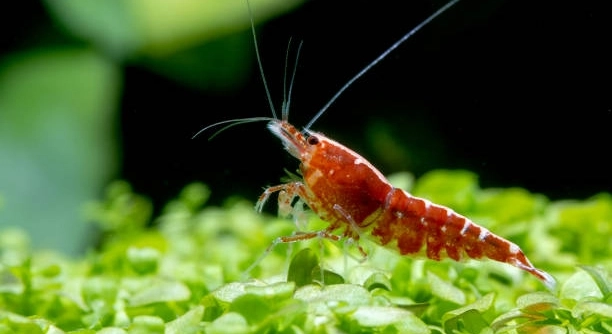
Do you ever notice your shrimp only seem active when the lights are dim? Observing their behavior can be surprising, especially when they seem to disappear during the day and come alive at night.
Shrimp are primarily nocturnal feeders, meaning they are naturally more active at night to avoid predators and to forage efficiently. Their feeding patterns are influenced by light, environmental conditions, and innate circadian rhythms.
Understanding these habits can improve your shrimp care and feeding routine, ensuring a healthier environment for your aquatic pets.
Reasons Shrimp Are More Active at Night
Shrimp are naturally more active during nighttime due to instinctual behavior. In the wild, darkness provides protection from predators, allowing them to search for food safely. Even in home aquariums, shrimp maintain this nocturnal pattern. Their feeding is less about hunger alone and more about safety and comfort. Light can stress them, causing them to hide or stay inactive. Temperature and water flow also influence their activity. Cooler, calmer water encourages them to explore and feed, while sudden changes can make them retreat. Additionally, shrimp use night hours to clean themselves and forage through substrate, consuming leftover food and tiny organisms. Observing them in low light helps you understand their natural behavior. Providing hiding spots and dim lighting during the day can reduce stress and make them more willing to feed. Over time, you’ll notice a routine pattern where shrimp actively move and feed primarily during evening or night hours, aligning with their internal clock.
Shrimp are less visible during the day, but this does not mean they are not eating. They forage quietly and rest in sheltered areas.
Adjusting tank conditions to mimic natural cycles supports healthy nocturnal behavior. Proper lighting, hiding spaces, and regular feeding schedules help shrimp thrive and reduce stress-related inactivity. Watching them at night becomes more predictable and rewarding when their needs are met.
How to Encourage Nighttime Feeding
Keeping feeding times consistent helps shrimp adapt to your schedule without disrupting their natural rhythm.
Providing small, frequent meals in the evening encourages them to forage actively. Avoid overfeeding, as leftover food can pollute the tank and harm water quality. Using sinking pellets or specialized shrimp food ensures they can reach it easily during nighttime. Lighting plays a crucial role; dim or red lights allow them to feed without stress. Plants and decorations provide natural cover, making shrimp feel safe while exploring and eating. Monitoring water parameters such as temperature, pH, and ammonia levels ensures a stable environment. Active, healthy shrimp are more likely to feed consistently when their surroundings mimic natural conditions. By respecting their nocturnal habits, you encourage normal behavior while keeping the tank clean and balanced. Over time, these adjustments lead to a thriving, visible shrimp population that feeds actively each night.
Adjusting Lighting to Support Nocturnal Behavior
Shrimp prefer dim lighting and often hide when the tank is too bright. Using low or red lights during nighttime encourages natural feeding patterns.
Dim lighting reduces stress and mimics their natural environment. Shrimp are highly sensitive to sudden changes in brightness, which can make them retreat into hiding spots. By keeping lights low during feeding times, they feel safer and are more likely to come out and explore the tank. Plants and decorations provide additional cover, creating a sense of security. Observing shrimp under gentle lighting helps you see natural behaviors without disturbing them. Adjusting the light schedule gradually also allows shrimp to acclimate without disrupting their internal rhythm.
Providing consistent light cycles reinforces their circadian rhythm. Maintaining a regular schedule of dim and bright periods helps shrimp remain healthy, active, and confident while feeding. A balanced environment, with hiding spaces and controlled lighting, ensures they thrive. Regular observation under these conditions helps you better understand their nocturnal tendencies and optimize feeding strategies, creating a stable, stress-free habitat.
Feeding Techniques for Nighttime Activity
Small, frequent meals at night encourage shrimp to feed actively while reducing leftover waste.
Sinking pellets or specialized shrimp food are ideal for nighttime feeding. Shrimp can forage at their own pace, and small portions prevent overfeeding that might compromise water quality. Sprinkling food in different areas encourages natural searching behavior and keeps them engaged. Observing them as they feed shows which areas are preferred and which foods they favor. Keeping the feeding routine consistent each evening helps shrimp anticipate and maintain activity patterns. Using plants and tank decorations to spread food ensures all shrimp have access without competition. Over time, this method supports healthier, more active shrimp and cleaner water conditions.
Common Mistakes When Feeding Shrimp
Overfeeding can cause water pollution and stress for shrimp. Too much food left in the tank leads to decay and poor water quality, which can harm their health.
Feeding at inconsistent times disrupts their natural nocturnal rhythm. Shrimp may hide or become inactive if they cannot anticipate food, affecting growth and overall wellbeing.
Choosing the Right Food
Shrimp benefit from a mix of sinking pellets, algae wafers, and blanched vegetables. Providing variety ensures proper nutrition while supporting natural foraging behavior. Observing their preferences helps adjust portions and prevent waste, keeping the tank clean. Consistency in food type and timing encourages active nighttime feeding.
Maintaining Water Quality
Regular water changes and monitoring parameters like pH, ammonia, and temperature are crucial for shrimp health. Clean, stable water encourages nocturnal activity and proper feeding behavior.
FAQ
Why do my shrimp hide during the day?
Shrimp are naturally nocturnal and feel safer in dim conditions. Bright light can stress them, causing them to retreat to hiding spots. Providing plants, decorations, or small caves offers shelter and helps them feel secure while resting.
Can I feed shrimp during the day?
Yes, but they are less active and may not eat much. Daytime feeding can work if portions are small, but their natural rhythm makes nighttime the most effective feeding period. Avoid overfeeding to prevent water quality issues.
How often should I feed my shrimp?
Small, frequent feedings are ideal. Feeding once or twice daily at night aligns with their natural activity. Using small portions ensures they can eat everything without leaving excess food that could decompose.
What types of food are best for nighttime feeding?
Sinking pellets, algae wafers, and blanched vegetables work well. These foods allow shrimp to forage at their own pace without competition. Variety ensures balanced nutrition while encouraging natural foraging behavior.
Do shrimp need live plants in the tank?
Live plants are helpful but not mandatory. They provide hiding spots, reduce stress, and can host biofilm for grazing. Artificial decorations can also provide security if live plants are not available.
How can I tell if my shrimp are eating enough?
Look for active foraging during their nighttime hours. Healthy shrimp will move around the tank, picking at food and substrate. A decrease in activity or visible weight loss can indicate insufficient feeding or stress.
Will light schedule changes affect shrimp feeding?
Yes, sudden changes can disrupt their nocturnal rhythm. Gradual adjustments to light and dark periods help shrimp acclimate without stress, ensuring consistent nighttime activity and feeding behavior.
Can water quality affect nighttime feeding?
Absolutely. Poor water conditions, such as high ammonia or unstable pH, can reduce activity and feeding. Regular water changes and monitoring parameters are essential to maintain healthy, active shrimp.
Is it normal for shrimp to eat only at night?
Yes, this is typical behavior. Nocturnal feeding helps them avoid predators and aligns with their natural instincts. Even in well-lit aquariums, most shrimp will wait until dimmer periods to actively forage.
How can I encourage shy shrimp to feed at night?
Provide hiding spots, dim lighting, and small scattered food portions. Consistent feeding times and minimizing disturbances during nighttime help shy shrimp feel secure enough to explore and eat.
Can overfeeding at night harm shrimp?
Yes, uneaten food can decay, affecting water quality and shrimp health. Offer only what they can consume within a few hours and remove leftovers promptly to prevent ammonia spikes.
Do all shrimp species feed at night?
Most ornamental and freshwater shrimp are primarily nocturnal, though activity levels vary by species. Observing your specific shrimp type helps tailor feeding schedules to their natural patterns.
How long should I observe shrimp before adjusting feeding habits?
Monitor them for at least a week to understand their routine. Nighttime behavior, food consumption, and general activity provide insight into proper feeding strategies and tank adjustments.
Are there signs of stress from feeding at the wrong time?
Yes, stressed shrimp may hide excessively, molt less frequently, or show reduced movement. Maintaining consistent nighttime feeding and proper tank conditions reduces stress and supports natural behavior.
What should I do if some shrimp aren’t eating?
Check for stressors like light, water quality, or overcrowding. Offer food in sheltered areas and ensure all shrimp can access it. Patience and observing individual behavior often resolves the issue.
How does temperature influence nighttime feeding?
Shrimp are more active within optimal temperature ranges. Cooler or unstable water can reduce activity, while stable, slightly warmer temperatures encourage nighttime foraging without stressing them.
Can I use automated feeders for nighttime feeding?
Yes, automatic feeders set to release small portions at night can maintain a consistent feeding schedule. Ensure the amount is controlled to prevent overfeeding and water quality issues.
Should I remove uneaten food immediately?
Yes, leftover food can decay and pollute the tank. Removing uneaten portions within a few hours maintains clean water and encourages shrimp to eat only what is available, promoting healthier feeding habits.
Does tank size affect nighttime feeding?
Tank size influences hiding spots and space for foraging. Larger tanks with plenty of cover allow shrimp to feel safe and feed actively, while overcrowded or bare tanks can increase stress and reduce nighttime activity.
Can stress from daytime disturbances affect night feeding?
Yes, loud noises, vibrations, or sudden movements can cause shrimp to stay hidden even at night. Minimizing disruptions and providing calm, stable conditions encourages active foraging.
Are nocturnal feeding patterns linked to molting?
Yes, shrimp often prefer to molt during low-activity periods. Nighttime feeding aligns with their comfort, allowing them to forage safely while minimizing risk during vulnerable stages.
How do I balance feeding multiple shrimp at night?
Scatter small portions around the tank to reduce competition. Observe which areas are visited more frequently and adjust placement to ensure all shrimp access food evenly.
Can I combine daytime and nighttime feeding?
Yes, but daytime meals should be minimal. Nighttime remains their primary feeding period. Combining schedules may help with growth but should respect their natural nocturnal instincts.
What adjustments help newly introduced shrimp feed at night?
Introduce hiding spots, maintain low lighting, and offer small, scattered meals. Patience and a stable environment help new shrimp acclimate to the tank and adopt normal nighttime feeding behavior.
How long do shrimp stay active at night?
Most shrimp are active for several hours after lights dim, foraging and exploring. Activity may taper off gradually, depending on food availability, temperature, and individual temperament.
Can seasonal changes affect nighttime feeding?
Yes, natural fluctuations in temperature or light cycles can influence activity levels. Adjust feeding times and observe behavior to ensure shrimp continue healthy nocturnal habits.
Is it normal for shrimp to ignore food sometimes?
Yes, individual preferences, stress, or molting can cause temporary disinterest. Consistent care, proper lighting, and water quality usually restore normal feeding behavior.
How do I prevent aggressive competition during nighttime feeding?
Provide multiple feeding spots and small portions. This reduces conflict, ensures access for all shrimp, and encourages natural foraging without dominant individuals taking all the food.
What signs indicate my shrimp are thriving with nighttime feeding?
Active movement, regular foraging, healthy coloration, and successful molting indicate shrimp are adjusting well. Consistent nighttime feeding routines and stable tank conditions support these positive behaviors.
How long should nighttime feeding routines be maintained?
Maintain consistent schedules indefinitely. Shrimp thrive on routine, and regular nighttime feeding supports long-term health, stress reduction, and natural activity patterns.
Are there risks of feeding too late at night?
Feeding too late may overlap with their resting period. Provide food during peak nighttime activity to maximize foraging and reduce leftover waste, maintaining a balanced and clean tank environment.
Can observing shrimp at night improve care?
Yes, it allows you to see natural behaviors, adjust feeding strategies, and ensure tank conditions meet their needs. Nighttime observation is key to supporting healthy, active shrimp.
Do shrimp feed differently as they age?
Younger shrimp may be more active and need smaller, frequent portions. Adults often feed at a steadier pace but still follow nocturnal patterns. Adjust portions and feeding frequency according to age and activity.
How does tank decoration influence nighttime feeding?
Decorations provide hiding spots, reduce stress, and encourage foraging behavior. Spreading food near decorations allows shrimp to feed confidently while feeling protected from perceived threats.
Are nocturnal shrimp more efficient at consuming food?
Yes, nighttime feeding aligns with their natural instincts, allowing them to forage thoroughly while avoiding stress. This results in better consumption and less leftover waste, improving tank health.
Should I track nighttime feeding habits?
Yes, noting feeding times, portions, and shrimp activity helps refine schedules and identify potential health issues early. Consistent tracking supports long-term care and ensures shrimp remain active and healthy.
Can multiple species share a tank without affecting nighttime feeding?
Yes, if compatible, but observe interactions closely. Some species may compete for food or disturb shrimp activity. Adequate hiding spots and food distribution help maintain peaceful nighttime feeding.
Do shrimp ever switch to daytime feeding?
It is rare but possible under stress or unusual conditions. Maintaining dim lighting, proper water quality, and a stable routine keeps them aligned with their natural nocturnal habits.
How long should I continue observing shrimp behavior for feeding adjustments?
At least one to two weeks is ideal. Monitor activity, food consumption, and interactions. This period allows you to identify patterns, make informed adjustments, and ensure shrimp are feeding efficiently and healthily.
Can shrimp feeding habits indicate water quality problems?
Yes, decreased nighttime activity or refusal to eat can signal poor water conditions, imbalanced pH, or temperature fluctuations. Early observation and adjustments prevent long-term health issues and maintain a stable environment.
What is the best way to introduce new foods at night?
Offer small portions alongside familiar foods. Gradually increase quantities once shrimp accept the new option. Observation ensures they are eating properly without overfeeding or wasting food.
How do I manage feeding for a large shrimp colony at night?
Divide the tank into sections and scatter small portions across all areas. This ensures even access, reduces competition, and encourages natural foraging without overwhelming the tank or water quality.
Are there special considerations for breeding shrimp and nighttime feeding?
Provide hiding spots and consistent feeding schedules. Pregnant or molting shrimp benefit from small, frequent portions to reduce stress and support health during vulnerable periods.
Can stress from daytime disturbances affect molting and feeding?
Yes, noise, movement, or water changes during the day can make shrimp hide more at night, affecting feeding and molting. Minimizing disturbances supports natural behavior.
Do shrimp prefer certain types of food at night?
Preferences vary by species and individual shrimp. Observation allows you to identify favored foods and adjust portions to encourage active nighttime feeding without waste.
How can I tell if nighttime feeding is effective?
Active shrimp movement, minimal leftover food, and regular molting indicate successful feeding. Adjust portions or feeding locations if shrimp are not consuming food fully.
Is nighttime feeding important for shrimp health?
Yes, aligning with natural nocturnal behavior reduces stress, encourages proper foraging, and supports overall growth and vitality. Following their instinctive patterns ensures a healthier shrimp population.
Can shrimp feeding schedules change with tank mates?
Yes, aggressive or faster-feeding tank mates may influence shrimp behavior. Provide multiple feeding spots and small portions to ensure shrimp feed without competition or stress.
How do I manage feeding if shrimp are shy?
Offer food in covered areas, reduce light intensity, and scatter small portions. Gradual adjustments and consistent nighttime feeding help shy shrimp become more active and confident.
What role does water temperature play in nighttime feeding?
Stable, appropriate temperatures encourage activity. Extreme fluctuations can reduce movement and appetite. Monitoring and adjusting tank temperature ensures shrimp feed actively during their nocturnal period.
How long should feeding sessions last at night?
Feeding should last only as long as the shrimp consume available food, typically a few hours. Removing leftovers promptly prevents water pollution and maintains healthy feeding habits.
Can shrimp feeding habits indicate overall tank health?
Yes, consistent nighttime activity and consumption show proper water conditions, diet, and stress levels. Any sudden changes may signal issues that require attention to maintain a stable environment.
How do I ensure all shrimp get food at night?
Scatter small portions throughout the tank, use multiple feeding locations, and observe behavior. This ensures shy or slower shrimp access food without competition.
Does feeding frequency affect shrimp growth?
Yes, consistent, appropriately sized feedings support steady growth. Overfeeding or irregular schedules can stress shrimp, reduce activity, and affect overall health.
Are there differences between freshwater and saltwater shrimp nighttime feeding?
Yes, species and habitat type influence feeding behavior. Freshwater shrimp generally follow strict nocturnal patterns, while some saltwater species may show more flexibility depending on environment and tank conditions.
Can I combine live and prepared foods at night?
Yes, offering a combination supports nutrition and encourages natural foraging. Start with small amounts to prevent waste and observe shrimp acceptance.
How can I tell if shrimp prefer one feeding method over another?
Watch which foods they eat first, where they forage most, and how actively they move. Observing behavior helps tailor feeding strategies to meet individual and colony needs.
Does shrimp size affect nighttime feeding?
Smaller shrimp may feed more frequently in tiny portions, while adults consume steadier amounts. Adjusting food size and placement ensures all shrimp feed efficiently without waste.
Can nighttime feeding reduce aggression among shrimp?
Yes, scattered portions and multiple feeding spots reduce competition. When shrimp can forage without fighting, stress decreases, and overall activity increases.
Is it necessary to feed shrimp at night if the tank has biofilm?
Biofilm provides some nutrition, but supplemental feeding ensures balanced growth and supports healthy activity. Nighttime feeding complements natural grazing habits.
How do I prevent leftover food from affecting nighttime feeding?
Offer only what shrimp can consume in a few hours. Remove uneaten portions promptly to maintain water quality and encourage healthy, active nocturnal feeding behavior.
What adjustments help shrimp after molting during nighttime feeding?
Provide extra hiding spots and avoid sudden disturbances. Post-molt shrimp are vulnerable, so gentle handling and consistent feeding help them regain strength while minimizing stress.
Can frequent water changes affect nighttime feeding?
Yes, sudden changes can stress shrimp, reducing nighttime activity. Gradual adjustments and stable water parameters help maintain normal feeding behavior.
How do I manage feeding for mixed-age shrimp at night?
Scatter food in multiple locations and offer varied portion sizes. This ensures both juvenile and adult shrimp access food while respecting their natural foraging habits.
Can shrimp feeding patterns indicate health issues?
Yes, reduced nighttime activity or refusal to eat can signal illness, stress, or poor water quality. Observing feeding patterns helps identify problems early.
How do I encourage hesitant shrimp to feed at night?
Provide safe hiding spots, dim lighting, and small, scattered portions. Consistent nighttime routines help them feel secure and confident enough to forage.
Are there signs shrimp are overfed at night?
Leftover food, cloudy water, or inactive shrimp may indicate overfeeding. Adjust portions and remove excess to maintain water quality and healthy activity levels.
Can I use feeding to monitor shrimp population health?
Yes, observing how all shrimp feed at night helps track growth, activity, and stress levels. Regular monitoring ensures the colony remains healthy and balanced.
How do I handle feeding if some shrimp are shy or slower?
Scatter food near hiding spots and in multiple locations. This ensures shy or slower shrimp can access food without competition, encouraging active nighttime foraging.
Does nighttime feeding affect shrimp coloration?
Consistent feeding and low-stress environments promote vibrant coloration. Healthy, active shrimp that feed well at night typically show better coloration than stressed or underfed shrimp.
Are there long-term benefits to observing nighttime feeding?
Yes, it helps optimize diet, tank conditions, and stress management. Observing patterns allows for adjustments that support growth, health, and natural behavior for the colony.
What should I do if nighttime feeding is inconsistent?
Check lighting, water quality, food type, and tank environment. Gradual adjustments and consistent routines restore normal nocturnal activity and feeding behavior.
How do I prevent competition during nighttime feeding?
Scatter small portions, use multiple feeding spots, and provide hiding places. This reduces stress, ensures all shrimp access food, and encourages natural foraging behavior.
Can nighttime feeding schedules improve shrimp molting cycles?
Yes, providing consistent, low-stress feeding supports regular molting. Adequate nutrition and stable conditions help shrimp grow and molt safely during their active periods.
Is monitoring nighttime feeding necessary for all shrimp types?
Yes, regardless of species, observing feeding behavior ensures proper nutrition, stress management, and tank maintenance. Tailoring schedules to natural activity patterns improves overall health.
How do I adjust feeding for new shrimp arrivals?
Introduce food in sheltered areas, maintain low lighting, and observe behavior closely. Gradually integrate them into the normal nighttime feeding routine to reduce stress and encourage active foraging.
Can tank size or decoration impact feeding efficiency?
Yes, more hiding spots and space encourage active nighttime foraging. Sparse tanks may increase stress and competition, reducing feeding efficiency. Proper tank setup supports natural behavior.
Does feeding at night affect shrimp reproduction?
Yes, regular feeding during active periods supports energy levels, reduces stress, and contributes to successful breeding. Maintaining natural nocturnal habits is beneficial for reproductive health.
What is the best way to introduce new foods at night?
Offer small portions alongside familiar foods. Gradually increase amounts while monitoring acceptance. Observing shrimp ensures they adapt without overfeeding or stress.
How can I track nighttime feeding success?
Note portions consumed, shrimp activity, and leftover food. Consistent observation allows adjustments for diet, tank setup, and feeding schedule, improving overall shrimp health.
Can nighttime feeding reduce disease risk?
Yes, maintaining a clean environment, stable feeding schedule, and proper nutrition reduces stress and susceptibility to disease, supporting healthy shrimp populations.
Are there special considerations for breeding shrimp?
Provide hiding spots, consistent feeding schedules, and small, frequent portions. Pregnant or molting shrimp benefit from low-stress nighttime feeding for safety and proper nutrition.
How do I prevent food waste during nighttime feeding?
Offer only what shrimp can consume in a few hours and remove leftovers promptly. Scattering small portions ensures all shrimp can access food without excess.
Does shrimp behavior during nighttime feeding reflect tank health?
Yes, active, feeding shrimp indicate stable water quality, low stress, and proper nutrition. Monitoring behavior provides insight into overall tank conditions.
Can feeding timing affect shrimp lifespan?
Yes, aligning with natural nocturnal patterns reduces stress, supports proper nutrition, and encourages activity, contributing to longer, healthier lives.
How do I encourage timid shrimp to eat at night?
Provide hiding places, dim lights, and scattered food. Consistent feeding times and a calm environment help shy shrimp feel secure enough to forage actively.
Can nighttime feeding schedules be adjusted seasonally?
Yes, minor changes in temperature or light cycles may require slight adjustments. Observing shrimp behavior ensures feeding remains effective and aligned with natural activity patterns.
Does feeding location affect nighttime activity?
Yes, placing food near shelters encourages confident foraging. Multiple feeding locations reduce competition and ensure even access, supporting natural behavior.
Are there benefits to tracking feeding over time?
Yes, tracking portions, activity, and leftover food helps identify trends, optimize diet, and ensure the shrimp remain healthy and active throughout their life cycle.
How does molting affect nighttime feeding?
Molting shrimp may eat less or hide more. Providing safe spaces and consistent feeding schedules supports recovery
Observing shrimp behavior can feel surprisingly rewarding once you understand their natural patterns. Shrimp are primarily nocturnal, meaning they are most active and willing to feed during the night. This behavior is instinctual, stemming from the need to avoid predators and forage safely in the wild. Even in a controlled aquarium environment, their internal clock keeps them aligned with these patterns. Providing dim lighting, stable water conditions, and a consistent feeding schedule helps them feel secure and encourages natural foraging behavior. While it may seem unusual at first that shrimp disappear during the day, this is completely normal. Over time, recognizing these habits allows for better care and a healthier, more active shrimp population in your tank.
Feeding shrimp at night requires a bit of observation and planning. Small, frequent meals work best, allowing them to eat at their own pace without leaving excessive leftovers that can harm water quality. Using sinking pellets, algae wafers, or blanched vegetables ensures that all shrimp can access food. Scattering portions around the tank and near hiding spots reduces competition and encourages shy shrimp to feed. Maintaining a consistent nighttime routine also supports their health and natural activity. Watching them as they move and forage provides insight into their preferences, showing which areas of the tank they favor and which foods they respond to most eagerly. Adjusting food type and placement over time can improve overall nutrition and reduce stress.
Creating a comfortable environment is just as important as feeding. Shrimp thrive in stable water conditions, appropriate temperatures, and a tank with sufficient plants or decorations to provide shelter. Reducing stressors, such as sudden lighting changes or disturbances, helps them feel safe and more willing to explore and feed at night. Observing their activity, growth, and molting patterns allows you to identify potential issues early and make necessary adjustments. Over time, following these practices results in healthier shrimp that display natural, active behaviors while maintaining the tank’s cleanliness and balance. Understanding their habits and adapting care to support nocturnal feeding creates a stable, thriving environment where shrimp can flourish.

Hello,
If you enjoy the content that we create, please consider saying a "Thank You!" by leaving a tip.
Every little bit helps us continue crafting quality advice that supports the health, happiness, and well-being of pets around the world, for pets of all shapes, sizes, and species.
We really appreciate the kindness and support that you show us!