
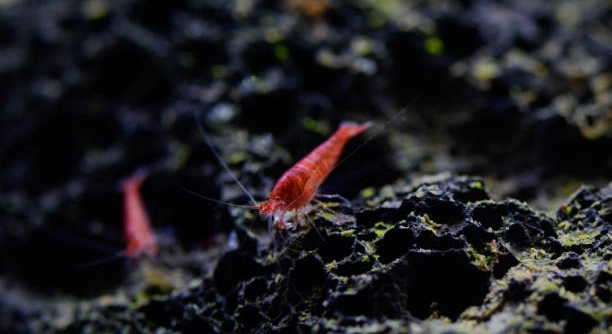
Have you ever noticed your cherry shrimp sitting still for long periods in the tank, seeming less active than usual? Observing them quietly can make you wonder about their overall health and environment.
Cherry shrimp often stop moving due to stress, poor water quality, or improper temperature. Low oxygen levels, excessive ammonia, or sudden changes in the tank can also affect their activity, making it essential to monitor and adjust these conditions carefully.
Maintaining a healthy and stable aquarium is key, and understanding these simple factors can help your shrimp regain their natural movement.
Common Causes of Inactivity
Cherry shrimp may become inactive due to several environmental factors. Water parameters are the most critical. Sudden changes in temperature or pH can shock them, causing lethargy. Ammonia, nitrite, and nitrate levels that are too high are especially harmful. Lack of oxygen in the water can also reduce movement. Overcrowding in the tank or insufficient hiding spaces can stress shrimp, making them remain still. Even diet plays a role. If shrimp are not getting enough food or the right nutrients, their energy levels can drop. Additionally, disease or parasites can cause inactivity. Some shrimp also enter a natural molting phase, during which they move very little. Recognizing these factors early helps prevent long-term health problems. Regular testing and observation are key. Adjusting water conditions slowly, providing proper food, and maintaining a calm environment all contribute to more active, healthy shrimp in the tank.
Lethargy often signals an underlying issue that needs attention. Monitoring the tank daily helps prevent severe problems.
By keeping the water clean and stable, providing a balanced diet, and offering hiding spaces, shrimp regain energy and start moving again. Stress reduction is crucial for their overall health and activity. Observing behavior carefully allows you to notice subtle changes before they become serious, ensuring your shrimp remain vibrant and healthy in their habitat. Consistency in care is more effective than sudden interventions, and small adjustments often yield significant improvements.
Water Quality and Temperature
Maintaining proper water conditions is essential for active shrimp. Temperature should stay consistent, and water should be free from toxins.
Water temperature fluctuations can stress shrimp and slow their metabolism. Ammonia, nitrites, and high nitrates affect oxygen absorption, leading to lethargy. Regular water testing and partial water changes help maintain stable conditions. Using a reliable heater and thermometer ensures a consistent temperature range. Avoid sudden changes during cleaning or tank maintenance. Proper filtration keeps the water clear and removes harmful chemicals. Dechlorinating tap water before adding it to the tank prevents shock. Providing a few plants or moss can improve oxygen levels naturally. Balanced water chemistry, including pH and hardness, supports healthy behavior. Observing shrimp daily allows early detection of stress caused by poor water conditions. Adjustments should be gradual to prevent additional stress. Overall, clean, stable water with proper temperature is the foundation for active, healthy cherry shrimp in any tank environment.
Diet and Feeding Habits
Uneven feeding can make cherry shrimp sluggish. They need a mix of algae, biofilm, and specialized shrimp food to maintain energy and health. Overfeeding or underfeeding can both lead to inactivity.
A proper diet ensures shrimp have enough energy to move and molt safely. Algae wafers, blanched vegetables, and high-quality shrimp pellets provide essential nutrients. Observing how much they eat each day helps prevent leftover food from polluting the tank. Uneaten food can break down, increasing ammonia levels and stressing shrimp further. Rotating food types keeps their diet balanced and supports healthy growth. Feeding small amounts multiple times a day is better than a single large portion, which can overwhelm the tank and affect water quality. Maintaining a consistent feeding schedule also reinforces natural activity patterns.
Shrimp rely on biofilm and microorganisms for supplemental nutrition. Encouraging plant growth and allowing surfaces to develop natural biofilm provides a steady food source. This can help inactive shrimp regain energy and improve overall tank health. By combining prepared foods with natural sources, shrimp receive a complete diet that promotes consistent movement and vitality, supporting their wellbeing in a simple, manageable way.
Stress and Environmental Factors
Stress from sudden changes or overcrowding reduces shrimp activity. Keeping a calm, stable environment helps them stay active and healthy.
Loud vibrations, rapid temperature changes, or frequent tank rearrangements can frighten shrimp. Overcrowding increases competition for food and hiding spaces, adding to stress. Providing plants, moss, and hiding spots reduces fear and encourages natural movement. Avoiding sudden chemical treatments or harsh water changes keeps stress levels low. Even lighting impacts behavior; too bright or fluctuating light can make shrimp hide and remain still. Observing shrimp behavior daily allows early identification of stress factors. Simple environmental adjustments often restore normal activity quickly.
Gradual acclimation is important when introducing new shrimp or equipment. Slowly adjusting water chemistry, temperature, and lighting prevents shock. Ensuring each shrimp has enough space reduces aggression and competition. Stress also affects molting, which can lead to stalled growth or vulnerability to disease. Maintaining stable, clean conditions, minimal disturbances, and adequate shelter encourages shrimp to explore the tank, forage actively, and interact naturally. By prioritizing calm and consistent care, shrimp regain energy, move confidently, and thrive in their environment.
Molting and Growth
Cherry shrimp naturally slow down during molting. They need extra care and safe spaces to complete this process without stress or harm.
Providing hiding spots and avoiding sudden changes helps shrimp molt successfully. Molting is crucial for growth, and disturbances can make them stay hidden longer than usual.
Disease and Health Issues
Illness can make shrimp inactive or hide frequently. Bacterial infections, parasites, or fungal growth impact energy levels and behavior. Observing physical signs like discoloration, lethargy, or unusual movements helps identify health problems early.
Treating sick shrimp involves isolating them, testing water conditions, and providing proper medication when necessary. Maintaining good hygiene, regular water changes, and avoiding overcrowding prevents many health issues. Nutrition also supports recovery, as healthy shrimp resist disease better. Early intervention is key because untreated infections can spread quickly. Keeping the tank clean, stable, and well-fed reduces the risk of inactivity caused by illness and helps shrimp return to normal activity levels.
Tank Companions
Aggressive or overly active tank mates can intimidate cherry shrimp, causing them to stay still or hide frequently.
FAQ
Why are my cherry shrimp staying at the bottom of the tank?
Cherry shrimp often stay at the bottom when they are stressed or not feeling well. Poor water quality, sudden temperature changes, or lack of hiding spots can make them seek shelter near the substrate. Ensuring stable water parameters and adding moss or plants encourages them to explore more.
Is it normal for cherry shrimp to stay still for hours?
Yes, short periods of inactivity are normal, especially during molting. Shrimp reduce movement to conserve energy and protect themselves while shedding their exoskeleton. Long periods of stillness may indicate stress, poor water quality, or health issues. Observing them over time helps determine if action is needed.
Can water temperature affect shrimp activity?
Absolutely. Cherry shrimp are sensitive to temperature fluctuations. Too cold slows metabolism, while too warm can increase stress and oxygen demand. Maintaining a stable range, usually between 72°F and 78°F (22°C–26°C), keeps them active and healthy. Sudden changes should be avoided during maintenance.
How often should I feed cherry shrimp?
Feeding small amounts once or twice daily is sufficient. Overfeeding can pollute the water, while underfeeding reduces energy levels. Offering a mix of algae, biofilm, and specialized shrimp pellets ensures they receive balanced nutrition and remain active. Rotating food types supports overall health.
What signs indicate a sick shrimp?
Discoloration, lethargy, loss of appetite, or unusual swimming patterns can indicate illness. Fungus, bacteria, or parasites are common causes. Early detection allows treatment before the problem spreads. Removing affected shrimp and maintaining clean water reduces the risk for others in the tank.
Can tank mates cause inactivity?
Yes, aggressive or fast-moving fish can stress shrimp, causing them to hide or stay still. Peaceful tank companions and adequate hiding spaces reduce fear and encourage normal movement. Avoid keeping cherry shrimp with large or predatory species.
Why are my shrimp hiding more than usual?
Increased hiding is usually due to stress from water changes, overcrowding, or aggressive tank mates. Shrimp also hide during molting to protect themselves. Providing stable conditions, shelters, and careful monitoring helps them feel secure and return to normal activity.
Does water hardness affect activity?
Yes, improper hardness can stress shrimp. Cherry shrimp thrive in moderately soft to slightly hard water. Too soft or too hard water can reduce movement and affect molting. Testing water hardness and adjusting as needed supports health and activity levels.
How can I encourage more activity in my shrimp?
Improving water quality, maintaining stable temperature, and providing hiding spaces encourage movement. Adding plants, moss, and surfaces for biofilm helps shrimp forage naturally. A balanced diet and minimizing disturbances also promote regular activity and overall well-being.
Can stress from handling cause inactivity?
Handling or frequent disturbances can frighten shrimp, causing them to hide or freeze in place. Minimizing interaction, maintaining calm conditions, and avoiding sudden tank changes reduces stress and allows shrimp to move freely.
Is inactivity a sign of aging?
Older shrimp may naturally slow down, but inactivity combined with other signs like loss of color or molting difficulties usually indicates environmental or health problems. Observing shrimp behavior alongside water conditions helps differentiate natural slowing from concerning inactivity.
How long should I wait before intervening?
A few hours of stillness is usually fine, but consistent inactivity for more than a day or signs of illness require action. Testing water parameters, adjusting diet, and checking for stressors ensures shrimp regain normal activity promptly.
Can poor lighting affect movement?
Yes, excessively bright or fluctuating light can make shrimp hide or stay still. Low or diffused lighting mimics natural conditions and encourages foraging and normal behavior. Observing shrimp during different lighting periods helps find the right balance.
What role does molting play in inactivity?
During molting, shrimp slow down to conserve energy and reduce risk of injury. They often hide until their new exoskeleton hardens. Providing shelters and stable conditions during this period is essential to prevent stress or predation.
How does water oxygenation impact activity?
Low oxygen levels make shrimp lethargic and may cause them to cluster near water surfaces. Ensuring proper filtration, aeration, and plant growth maintains oxygen levels and supports active behavior. Regular observation of shrimp at different tank levels indicates if oxygen is sufficient.
Does overpopulation affect activity?
Overcrowding increases competition for food and space, which can stress shrimp and reduce movement. Maintaining a balanced population with adequate hiding spots and feeding areas helps shrimp feel secure and remain active.
How do I know if inactivity is temporary or serious?
Temporary inactivity often occurs during molting, feeding breaks, or minor stress. Persistent stillness combined with signs like discoloration, lack of appetite, or unusual swimming suggests a serious problem. Regular monitoring of water parameters and shrimp behavior helps identify when intervention is necessary.
Can biofilm availability influence movement?
Yes, shrimp feed on biofilm for energy. Limited biofilm may reduce their activity. Encouraging natural biofilm growth on plants, decorations, and tank surfaces provides a steady food source, keeping shrimp engaged and active.
Does tank size play a role in activity?
Smaller tanks may restrict movement and increase stress, while larger tanks provide space for foraging and exploration. Adequate size, combined with hiding spots, balanced population, and stable conditions, promotes normal shrimp behavior.
Are sudden water changes harmful?
Sudden large water changes can shock shrimp, causing them to freeze or hide. Gradual adjustments, such as partial water changes and careful acclimation, prevent stress and support continued activity. Consistency in maintenance routines is key for healthy shrimp behavior.
Can improper substrate affect activity?
Yes, substrate impacts biofilm growth and hiding spaces. Smooth gravel or sand supports natural foraging, while sharp or unsuitable substrate may discourage movement and cause stress. Choosing a shrimp-friendly substrate promotes exploration and feeding behavior.
How long does it take for shrimp to recover activity?
Recovery time depends on the cause. Minor stress or feeding adjustments may show improvement within hours, while water quality corrections or illness treatment can take days. Patience and careful observation are important for restoring normal activity.
Can water additives or treatments cause inactivity?
Certain chemicals, even beneficial ones, can stress shrimp if used improperly. Always follow dosage instructions, test water after treatments, and monitor shrimp closely to avoid reduced activity or health issues.
Do cherry shrimp sleep?
Shrimp do rest, appearing inactive during these periods. This is normal and usually short-lived. Resting shrimp will resume movement when disturbed by food, light changes, or environmental activity.
How can I prevent future inactivity?
Maintaining stable water parameters, balanced diet, proper tank mates, and adequate hiding spaces reduces stress and promotes natural movement. Regular observation and small, consistent care steps prevent most causes of shrimp inactivity.
Is inactivity reversible?
Most inactivity caused by stress, water quality, or diet is reversible with proper care. Persistent lethargy due to disease or severe environmental issues requires intervention but can often improve with corrective measures. Regular monitoring ensures shrimp return to normal behavior.
How does tank decor affect activity?
Plants, moss, and hiding spots encourage exploration and foraging, reducing hiding behavior. Sparse or unsafe decor may make shrimp feel exposed, increasing stillness. Arranging decorations thoughtfully supports natural movement.
Can light cycles impact shrimp activity?
Yes, consistent day and night cycles mimic natural conditions, encouraging normal foraging and movement. Sudden shifts or irregular lighting can stress shrimp and reduce activity. Establishing a steady cycle promotes healthy behavior.
Does water pH affect shrimp activity?
Improper pH can stress shrimp, causing them to stay still. Maintaining a stable pH within the recommended range of 6.5–7.5 supports movement, molting, and overall health. Sudden changes should be avoided.
What is the best way to observe shrimp activity?
Watching during feeding or quiet periods helps identify normal movement patterns. Noting responses to light, food, and interaction with tank mates provides insights into stress levels and overall health.
Can seasonal changes affect activity?
Yes, temperature and lighting shifts can influence metabolism and behavior. Stable indoor conditions usually minimize seasonal impacts, but monitoring water temperature and tank environment ensures consistent activity year-round.
How do I balance activity with tank maintenance?
Gradual water changes, minimal disturbances, and proper cleaning methods prevent stress. Scheduling maintenance during low-activity periods allows shrimp to remain active and comfortable without unnecessary disruption.
Are all shrimp equally active?
Individual shrimp may vary in activity due to age, health, and personality. Observing trends rather than single instances helps determine normal versus concerning behavior. Consistent care supports activity across all shrimp in the tank.
Does tank filtration influence shrimp movement?
Proper filtration maintains water quality and oxygen levels, promoting activity. Overly strong currents can tire shrimp or cause hiding, while weak filtration may reduce oxygen, slowing movement. Choosing the right system balances health and behavior.
Can stress from predators cause long-term inactivity?
Repeated exposure to aggressive tank mates can lead to chronic stress and reduced movement. Providing shelters, avoiding predatory species, and maintaining a calm environment helps shrimp regain natural activity over time.
How do I know if my shrimp are happy?
Active foraging, regular swimming, molting, and interaction with biofilm or plants indicate healthy, content shrimp. Persistent hiding, lethargy, or abnormal behavior signals the need for environmental adjustments or care changes.
Can water hardness or minerals affect molting and activity?
Yes, low calcium or improper mineral content can delay molting and reduce movement. Supplementing minerals and monitoring hardness ensures shrimp maintain energy and complete molting safely.
Is occasional inactivity normal during feeding?
Yes, shrimp may pause while grazing on biofilm or resting between meals. Short periods of stillness are natural and part of normal behavior, not a cause for concern unless combined with other stress signs.
Do shrimp respond to human presence?
Some shrimp become more cautious and reduce movement when humans approach. Observing from a distance provides a more accurate view of natural activity and minimizes stress.
Can overcrowding cause inactivity even with proper water conditions?
Yes, too many shrimp in one tank increases competition and stress, leading to hiding or stillness. Adequate space and shelters help reduce these effects and maintain healthy activity.
How long does it take for new shrimp to become active?
New shrimp may hide or stay still for several hours to days as they acclimate. Gradual introduction, stable water conditions, and sufficient hiding spots encourage normal activity faster.
Are frozen or dried foods enough for active shrimp?
Supplementing with algae, biofilm, and fresh vegetables ensures balanced nutrition. Relying solely on frozen or dried foods may reduce energy and movement over time. Variety supports consistent activity and growth.
Can water flow affect activity?
Excessive current can tire shrimp or push them into hiding. Gentle circulation and areas of calm water allow natural movement and exploration without stress.
Does shrimp color indicate activity levels?
Color changes often signal stress, molting, or illness, which can affect activity. Vibrant, consistent color usually corresponds with healthy, active behavior. Monitoring both color and movement provides a full picture of shrimp well-being.
How can I encourage shy shrimp to explore?
Providing plants, moss, and gentle lighting encourages exploration. Feeding in different areas and avoiding disturbances gradually increases confidence and normal activity patterns.
What is the role of biofilm in reducing inactivity?
Biofilm serves as a natural food source. Limited access reduces energy and encourages hiding. Promoting biofilm growth ensures shrimp remain engaged, feeding, and moving regularly.
Can water additives like fertilizers affect activity?
Some fertilizers or chemicals may harm shrimp or alter water parameters. Using shrimp-safe products only and monitoring water quality prevents stress and supports consistent activity.
How important is tank cleaning frequency?
Regular cleaning prevents waste buildup and maintains oxygen and water quality. Overcleaning or sudden changes can stress shrimp, so moderate, consistent maintenance keeps them active and healthy.
Does tank size affect shrimp confidence and movement?
Larger tanks with hiding spots allow shrimp to explore and feel safe, promoting natural activity. Small or crowded tanks may increase hiding behavior and reduce movement.
How do I spot stress-related inactivity early?
Monitoring behavior, color, feeding patterns, and interactions with tank mates identifies stress before severe inactivity develops. Early adjustments prevent long-term health problems.
What role does water clarity play?
Cloudy or polluted water can reduce oxygen and discourage shrimp from exploring. Maintaining clean, clear water supports natural foraging and movement.
How do I balance activity with predator safety?
Providing shelters, plants, and low-risk tank mates ensures shrimp can move freely while staying safe. Strategic tank layout minimizes stress and inactivity caused by potential threats.
Does consistent feeding schedule impact activity?
Yes, predictable feeding times encourage regular movement and foraging. Inconsistent schedules can reduce activity and increase stress. Consistency helps shrimp remain active and healthy.
How long does it take for shrimp to recover from stress?
Recovery depends on the cause. Minor stress from handling may take hours, while water quality or illness issues can take days. Gradual adjustments and monitoring support full recovery and restored activity.
Can molting difficulties cause long-term inactivity?
Yes, failed or delayed molting due to poor water conditions or insufficient minerals can leave shrimp weak and inactive. Supporting proper molting prevents extended inactivity.
Does shrimp age influence movement patterns?
Older shrimp may move less naturally, but inactivity combined with other stressors usually indicates environmental or health problems rather than age alone. Observing trends helps determine if behavior is normal.
How do I know if my tank setup promotes activity?
Active shrimp exploring plants, moss, and substrate indicate a healthy environment. Providing hiding spots, stable conditions, and proper diet ensures consistent movement and engagement.
Can sudden noises or vibrations cause inactivity?
Yes, frequent disturbances can frighten shrimp, making them freeze or hide. Minimizing vibrations and noise supports natural movement.
Do shrimp have natural activity cycles?
Yes, shrimp alternate between active foraging and resting periods. Observing these cycles helps identify abnormal behavior caused by stress or illness.
Can overcrowding with other species affect activity?
Yes, even peaceful species can compete for food or space, reducing shrimp movement. Proper tank planning and population management maintain natural behavior.
How do I support active molting behavior?
Providing stable water, minerals, and safe hiding spots allows shrimp to molt safely. Proper nutrition and calm conditions ensure successful molts and ongoing activity.
Does light intensity impact foraging behavior?
Bright, harsh lighting can discourage movement. Diffused or moderate lighting promotes exploration, feeding, and normal activity patterns.
Can tank water changes stimulate activity?
Gradual water changes improve quality and oxygen levels, encouraging shrimp to explore and feed. Sudden large changes can reduce activity due to stress.
Is shrimp inactivity reversible with proper care?
Yes, most inactivity caused by stress, poor water conditions, or diet can be reversed. Prompt adjustments restore energy, normal behavior, and overall health.
How does substrate type influence foraging and movement?
Smooth gravel or sand supports biofilm growth and allows safe exploration. Unsuitable substrate can discourage movement and increase hiding behavior.
Can temperature swings at night affect activity?
Even small fluctuations during night hours can stress shrimp. Maintaining a consistent temperature prevents lethargy and supports natural activity cycles.
What role do live plants play in shrimp activity?
Live plants provide food, hiding spots, and oxygen, encouraging natural foraging and exploration. A well-planted tank reduces stress and inactivity.
How do I know if my shrimp are molting successfully?
Shrimp that hide briefly, appear slightly pale, and resume normal activity afterward are molting successfully. Difficulty or prolonged inactivity signals environmental or nutritional issues.
Can tank mates trigger long-term inactivity?
Repeated stress from aggressive or fast-moving tank mates may lead to chronic hiding and reduced movement. Adequate shelters and careful selection prevent this.
Does diet variety improve activity?
Yes, a mix of biofilm, vegetables, and pellets provides balanced nutrition, supporting energy and regular movement. Monotonous diets can reduce vitality.
How does tank maintenance schedule affect shrimp activity?
Consistent, gentle maintenance prevents stress and maintains water quality. Irregular or aggressive cleaning can frighten shrimp, reducing movement and increasing hiding behavior.
Can excessive decorations reduce activity?
Too many decorations may limit swimming space, but thoughtful placement with hiding spots encourages natural exploration and balanced activity.
Do shrimp react differently to filtered vs unfiltered water?
Proper filtration ensures clean water and oxygenation, supporting activity. Lack of filtration reduces water quality, leading to lethargy and stress.
How can I encourage shy shrimp to explore more?
Adding plants, moss, and diffused lighting, along with gentle feeding, gradually encourages shy shrimp to leave hiding spots and increase natural movement.
Does water chemistry stability matter for activity?
Yes, consistent pH, hardness, and temperature prevent stress. Stable water conditions support foraging, molting, and overall movement, reducing inactivity significantly.
Can poor water circulation affect shrimp behavior?
Insufficient flow reduces oxygen levels, slowing metabolism. Excessive current forces shrimp to hide. Balanced circulation promotes active foraging and exploration without stress.
How do I identify minor inactivity versus serious issues?
Short rest periods are normal, but persistent hiding, lack of appetite, color changes, or unusual movements indicate problems requiring observation, testing, and intervention.
Can shrimp become inactive due to aging?
Older shrimp may slow slightly, but combined with other stress signs, inactivity usually indicates environmental or health concerns. Observation over time distinguishes natural slowing from serious issues.
Do seasonal lighting changes impact activity?
Shrimp respond to day length and light intensity. Consistent artificial lighting stabilizes behavior, while sudden changes can reduce activity and increase hiding.
Can water additives trigger hiding or stillness?
Some chemicals may stress shrimp if misused. Using shrimp-safe additives carefully maintains activity and overall health.
Does tank placement affect activity?
Vibrations, direct sunlight, or temperature fluctuations from tank placement can stress shrimp. A quiet, stable location promotes normal movement and exploration.
How important is monitoring daily behavior?
Daily observation detects early signs of stress, illness, or water issues, allowing quick adjustments to prevent prolonged inactivity.
Can substrate depth affect activity?
Too shallow limits biofilm growth and hiding areas, while deep, soft substrate provides natural foraging spaces and encourages normal movement.
Are some shrimp naturally less active?
Yes, individual differences exist, but consistent inactivity with other stress signs indicates environmental or health problems needing attention.
How do I encourage group activity?
Providing ample space, hiding spots, and consistent feeding promotes movement and social foraging, keeping the tank lively and shrimp engaged.
Can water changes cause temporary inactivity?
Sudden or large changes may stress shrimp, leading to short-term hiding or stillness. Gradual adjustments
Cherry shrimp are delicate creatures, and their behavior often reflects the conditions of their environment. When they become inactive, it is usually a signal that something in the tank needs attention. Water quality is the most important factor to monitor. Ammonia, nitrites, and nitrates must remain at safe levels, and the pH and temperature should be stable. Sudden changes, even small ones, can cause stress and lead to lethargy. Providing a consistent routine for feeding and tank maintenance helps maintain stability. Regular observation of your shrimp can reveal subtle changes in behavior before they become serious issues, allowing for timely adjustments that support health and activity.
Diet and nutrition are also crucial for keeping shrimp active. Cherry shrimp feed on biofilm, algae, and specialized pellets, and a proper balance of these foods ensures they have enough energy to move and molt safely. Overfeeding can pollute the water, while underfeeding can leave shrimp weak and sluggish. Offering small, frequent meals and rotating food types helps maintain energy levels and encourages exploration of the tank. Additionally, providing live plants, moss, and surfaces for biofilm growth allows shrimp to forage naturally, supporting both activity and overall health. Stress is often reduced when shrimp feel secure in their environment, so hiding spots and gentle lighting can make a noticeable difference in their movement.
Environmental and social factors play a strong role in shrimp behavior. Aggressive or overly active tank mates can intimidate shrimp, causing them to hide or stay still. Even harmless disturbances such as loud noises, vibrations, or sudden water changes can lead to prolonged inactivity. Proper tank layout, with enough hiding spaces and moderate water flow, encourages exploration while minimizing stress. Molting periods require additional care, as shrimp naturally reduce movement to protect themselves. Understanding these patterns helps distinguish normal rest from concerning inactivity. With consistent care, attention to water quality, a balanced diet, and a calm environment, cherry shrimp are more likely to remain active and healthy. Observing and responding to their needs ensures they thrive and display their natural, lively behavior.

Hello,
If you enjoy the content that we create, please consider saying a "Thank You!" by leaving a tip.
Every little bit helps us continue crafting quality advice that supports the health, happiness, and well-being of pets around the world, for pets of all shapes, sizes, and species.
We really appreciate the kindness and support that you show us!