
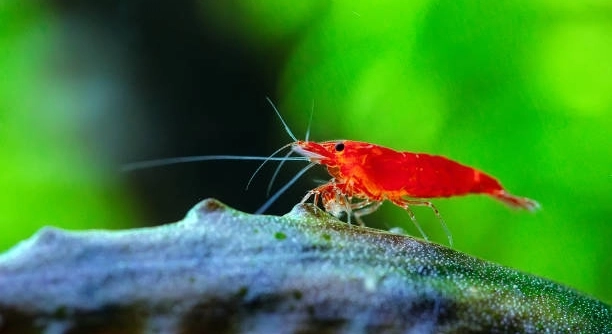
Are your cherry shrimp floating near the surface of your aquarium, leaving you concerned about their health? Observing shrimp behavior can be unsettling, especially when they seem unable to swim properly or stay near the bottom of the tank.
Floating cherry shrimp are often a result of water quality issues, improper diet, or stress from sudden environmental changes. Ensuring stable water parameters, proper feeding routines, and minimal disturbances can significantly reduce floating incidents.
Understanding why your shrimp float will help maintain a healthier tank environment. Small adjustments can improve their well-being and prevent further issues in your aquarium.
Common Causes of Floating Cherry Shrimp
Floating in cherry shrimp is often linked to water quality problems. Ammonia, nitrite, or nitrate levels that are too high can disrupt their ability to regulate buoyancy. Sudden temperature fluctuations or incorrect pH levels may also cause stress, leading to abnormal swimming patterns. Overfeeding can create excessive waste, further affecting water conditions and increasing the likelihood of shrimp floating near the surface. Additionally, a lack of hiding spaces can make shrimp feel exposed, causing them to linger at the top. Observing your tank carefully and testing water parameters regularly is essential.
Keeping the water clean and stable will help your shrimp maintain normal activity. A small test kit and regular water changes can prevent many floating incidents.
Stress and poor water conditions are not the only factors. Diet plays a key role in shrimp buoyancy. Uneaten food or improper nutrition can lead to digestive issues, producing gas in their bodies. Gas buildup affects their swimming ability and may make them float. Shrimp need balanced food rich in nutrients and occasional live or blanched vegetables to stay healthy. A varied diet prevents digestive problems that can lead to floating. Observing shrimp after feeding helps determine if diet adjustments are necessary.
How to Correct Floating Behavior
Adjusting tank conditions often resolves floating issues. Proper filtration, regular water changes, and stable temperatures are vital for shrimp health.
Monitoring your shrimp closely after making environmental adjustments is important. Some may recover quickly, while others need more time. Consistent care and minor corrections usually restore buoyancy and normal activity.
If your shrimp continue floating despite water and diet corrections, consider additional factors. Molting can temporarily affect buoyancy, as shrimp may struggle to control movement when shedding exoskeletons. Ensure tank mates are not causing stress, as aggressive or larger species can force shrimp to surface repeatedly. Providing plenty of plants and hiding spots can reduce stress and give shrimp places to recover. Long-term observation is necessary, and documenting any behavioral changes helps identify patterns. Maintaining consistent water quality and a balanced diet remains essential, but addressing all environmental stressors ensures shrimp regain normal swimming behavior and overall health.
Water Quality Management
Regular water testing is essential for keeping cherry shrimp healthy. Monitoring ammonia, nitrite, nitrate, pH, and temperature helps prevent floating and other stress-related behaviors. Small adjustments can make a big difference in maintaining a stable environment.
Fluctuating water parameters are a common reason for shrimp floating. Ammonia or nitrite spikes can overwhelm their systems, making it difficult to swim properly. Maintaining a consistent temperature and pH is equally important, as sudden changes can shock shrimp. Weekly water changes, even partial ones, help remove waste buildup and reduce toxins. Using a reliable test kit ensures you catch problems early before they affect shrimp health.
Filtration also plays a key role in water stability. A filter suitable for your tank size helps maintain oxygen levels and reduces organic waste. Avoid overly strong currents, as they can stress shrimp and cause them to float. Combining proper filtration with careful water changes creates a consistent environment, allowing shrimp to move naturally and reducing the risk of buoyancy issues. Observing behavior after these adjustments confirms whether the water conditions are adequate.
Diet and Feeding Practices
Providing the right food in appropriate amounts is critical for shrimp buoyancy. Overfeeding or poor-quality food can cause digestive issues and floating problems.
Cherry shrimp need a balanced diet rich in protein, fiber, and essential nutrients. Uneaten food can decompose, releasing harmful substances into the water, which further stresses the shrimp. Incorporating blanched vegetables or algae wafers ensures proper nutrition and supports healthy digestion. Monitoring feeding amounts prevents leftovers from affecting water quality. Adjusting feeding frequency and quantity based on shrimp activity and tank size helps maintain their health and reduces floating incidents.
In addition to balanced nutrition, observation is key. Notice if shrimp float shortly after eating, as this indicates digestive difficulties. Gradually introducing new foods can prevent stress. Live plants or biofilm in the tank also provide natural grazing opportunities, supporting digestion and overall health. Combining careful feeding, dietary variety, and monitoring ensures shrimp maintain normal buoyancy, thrive in the aquarium, and display natural behavior. Regularly cleaning uneaten food and adjusting portions keeps both shrimp and tank conditions optimal.
Tank Environment Adjustments
Providing plenty of hiding spots reduces stress and helps shrimp maintain normal behavior. Plants, moss, and decorations give them places to rest and feel secure.
Avoid overcrowding, as too many shrimp or tank mates can increase stress. A balanced population supports healthier swimming and less floating.
Molting and Buoyancy
Molting can temporarily affect shrimp buoyancy. During this process, shrimp shed their exoskeleton, which may make them less coordinated and prone to floating. Ensuring a calcium-rich diet and stable water parameters supports successful molting and quicker recovery.
Monitoring Behavior
Observing your shrimp daily helps catch early signs of floating. Note patterns, feeding responses, and interactions with tank mates to identify any issues promptly.
FAQ
Why are my cherry shrimp floating at the surface?
Floating at the surface is often linked to stress, water quality issues, or digestive problems. High ammonia, nitrite, or nitrate levels can overwhelm their systems. Sudden temperature or pH changes may shock them. Observing water parameters and maintaining stable conditions usually resolves the problem.
Can overfeeding cause my shrimp to float?
Yes, overfeeding leads to uneaten food decomposing in the tank, which negatively affects water quality. Excess food can also cause digestive problems in shrimp, producing gas that makes them float. Feeding in controlled amounts and removing leftovers prevents these issues.
Does molting affect buoyancy?
Molting temporarily impacts buoyancy. During the shedding of their exoskeleton, shrimp may lose coordination and struggle to swim. Providing a calcium-rich diet and stable water conditions helps shrimp molt successfully and regain normal movement more quickly.
Are certain tank mates responsible for floating behavior?
Aggressive or larger tank mates can stress shrimp, forcing them to swim near the surface or float unnaturally. Ensuring compatible species and adequate hiding spots reduces stress and allows shrimp to maintain natural behavior. Plants, moss, and decorations give them secure areas to retreat.
How often should I test my water to prevent floating?
Testing water at least once a week is recommended. Monitoring ammonia, nitrite, nitrate, pH, and temperature ensures any spikes or fluctuations are detected early. Consistent water tests help prevent stress and buoyancy problems before they become severe.
What role does temperature play in floating?
Sudden temperature changes or unstable conditions can shock shrimp, affecting their buoyancy. Maintaining a stable temperature suitable for cherry shrimp, usually between 72-78°F (22-26°C), supports normal swimming behavior and reduces floating incidents.
Can diet changes improve floating behavior?
Yes, a balanced diet supports digestion and overall health. Including blanched vegetables, algae wafers, and quality shrimp pellets ensures shrimp get essential nutrients. Observing feeding patterns and adjusting amounts prevents digestive issues that contribute to floating.
Is filtration important for preventing floating shrimp?
Filtration maintains water quality and oxygen levels, both critical for buoyancy. A filter appropriate for your tank size removes waste and toxins, while avoiding strong currents that could stress shrimp. Combining filtration with regular water changes keeps the environment stable.
How can I help shrimp recover after floating episodes?
Correcting water parameters, reducing stress, and ensuring proper nutrition are key. Gradually improving conditions, providing hiding spaces, and monitoring shrimp closely allows them to regain strength and return to normal swimming. Patience is essential, as recovery may take several days.
Do shrimp float more often in new tanks?
Yes, new tanks can have unstable water parameters, which stress shrimp. Cycling the tank fully before introducing shrimp and monitoring ammonia, nitrite, and nitrate levels reduces floating occurrences. Gradual acclimation also helps shrimp adjust to their new environment without unnecessary stress.
Are there signs floating shrimp are unwell?
Shrimp floating constantly, lethargic, or showing color changes may indicate illness or severe stress. Observing their behavior alongside water tests and diet adjustments helps determine whether further action is needed, such as isolating affected shrimp or improving tank conditions.
How long does it take for shrimp to stop floating once conditions improve?
Recovery varies depending on the cause. Minor stress or temporary digestive issues may resolve in a day or two. Water quality or dietary corrections can take several days for shrimp to regain normal buoyancy. Consistent care speeds up recovery and supports long-term health.
Can I prevent floating shrimp entirely?
While not all floating incidents are preventable, maintaining stable water parameters, a balanced diet, proper filtration, and adequate hiding spaces minimizes occurrences. Regular observation and early intervention are the most effective ways to reduce floating behavior and ensure shrimp thrive.
Should I remove floating shrimp from the tank?
Only remove shrimp if they appear weak, injured, or at risk from tank mates. Otherwise, improving environmental conditions while monitoring behavior is sufficient. Removing them unnecessarily can cause additional stress and may worsen their condition.
Are there medical treatments for floating shrimp?
There are no specific medications for floating behavior. Treatment focuses on environmental correction, diet adjustments, and reducing stress. Maintaining optimal water quality and proper nutrition is the most effective method for resolving buoyancy issues.
Can water hardness affect floating?
Yes, improper water hardness can stress shrimp. Soft water can make molting difficult, while very hard water may affect metabolism. Testing and adjusting general and carbonate hardness to match species needs supports buoyancy and overall health.
How do I know if floating is temporary or serious?
Temporary floating usually resolves after molting, minor stress, or short-term dietary issues. Persistent floating, lethargy, or abnormal coloration indicates a more serious problem requiring water correction, diet review, or stress reduction measures. Regular observation helps identify patterns.
Is lighting a factor in floating behavior?
While lighting alone rarely causes floating, sudden changes or excessively bright lights can stress shrimp. Gradually adjusting light intensity and providing shaded areas helps reduce stress and encourages normal activity.
Does tank size influence floating shrimp?
Smaller tanks can exacerbate stress due to limited space, higher waste concentration, and rapid parameter changes. Larger tanks with stable conditions and hiding spaces provide a healthier environment, reducing the likelihood of floating incidents.
Can I use supplements to prevent floating?
Supplements like calcium or mineral additives support molting and overall health. They should be used carefully and according to tank needs, as overdosing can cause additional stress or water imbalances, worsening floating behavior.
How long should I observe shrimp after changing water conditions?
Observe shrimp for several days after adjustments. Most will return to normal swimming within 24-72 hours if stressors are addressed. Monitoring feeding, molting, and interactions ensures that conditions are appropriate and floating does not recur.
Final Thoughts
Floating in cherry shrimp is a common issue that can be alarming at first, but it is often manageable with careful observation and adjustments. Water quality plays a central role in their behavior. Ammonia, nitrite, and nitrate levels must remain within safe limits, as spikes can quickly stress shrimp and affect their buoyancy. Regular testing, combined with consistent water changes, helps maintain a stable environment. Temperature and pH stability are also essential. Sudden changes in these parameters can shock shrimp, making them float or swim abnormally. Using a thermometer and a reliable test kit allows for early detection of problems before they escalate. Even small, consistent efforts in monitoring water conditions can prevent many floating incidents.
Diet is another critical factor in keeping shrimp healthy and maintaining proper buoyancy. Overfeeding can lead to decomposing food, which negatively impacts water quality and can create digestive issues for the shrimp. A balanced diet that includes quality shrimp pellets, blanched vegetables, and occasional algae sources provides the necessary nutrients for overall health and supports proper digestion. Observing shrimp after feeding helps determine if they are adjusting well to the food or if changes are needed. Digestive problems often manifest as floating behavior, so keeping track of feeding amounts and diet quality can be an effective preventative measure. Gradual introduction of new foods, rather than sudden changes, helps avoid stress and encourages healthy eating habits.
Creating a comfortable and low-stress tank environment also reduces floating behavior. Hiding spots, plants, moss, and decorations give shrimp places to retreat when they feel threatened or vulnerable. Overcrowding should be avoided, as excessive population density can increase stress and force shrimp to surface more often. Filtration that maintains water quality without creating strong currents supports normal swimming activity. Molting can also temporarily affect buoyancy, so ensuring shrimp have access to calcium and stable water conditions allows them to molt safely and regain normal movement. Overall, floating is often a symptom of stress or environmental imbalance. Consistent care, attention to water quality, proper diet, and a well-structured habitat usually resolves these issues and promotes long-term shrimp health. Observing behavior, addressing small problems promptly, and maintaining stable tank conditions help keep shrimp active, healthy, and less likely to float unnecessarily.

Hello,
If you enjoy the content that we create, please consider saying a "Thank You!" by leaving a tip.
Every little bit helps us continue crafting quality advice that supports the health, happiness, and well-being of pets around the world, for pets of all shapes, sizes, and species.
We really appreciate the kindness and support that you show us!