
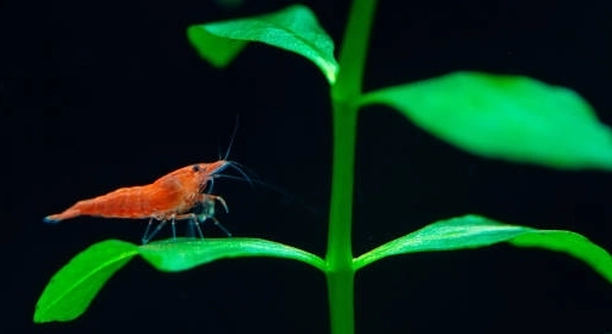
Molting is a natural process for shrimp, but sometimes it does not go smoothly. After a bad molt, shrimp can become weak, vulnerable, and stressed. Proper care during recovery is essential to ensure their health and survival.
Helping shrimp recover after a bad molt involves providing a stress-free environment, maintaining clean water with optimal parameters, offering easily digestible food, and monitoring them closely for signs of illness or injury. Prompt intervention increases survival chances.
Following these steps can make a significant difference in their recovery. Small adjustments in care can help shrimp regain strength and return to normal activity levels.
Create a Safe and Calm Environment
After a bad molt, shrimp are extremely fragile. They may struggle to swim or hide properly, making them easy targets for stress and injury. Removing aggressive tank mates or temporarily separating them in a quarantine area can reduce risk. Soft decorations like moss, small plants, or smooth rocks give them a safe place to rest. Avoid sudden movements around the tank and limit handling, as shrimp can easily be harmed. Consistent water temperature and low lighting also help reduce stress. Observing them quietly lets you notice any subtle changes in behavior. Providing hiding spots and keeping the environment stable allows their exoskeleton to harden naturally. Water flow should be gentle, as strong currents can exhaust weak shrimp. Feeding should be light and frequent with soft foods to prevent additional strain. Patience is key since overhandling or rushing recovery can worsen their condition.
Maintaining a calm tank directly supports molting shrimp in regaining strength and health.
A safe environment allows shrimp to recover without additional stress. It ensures they can rest, feed, and strengthen gradually while minimizing risks from aggressive tank mates or sudden disturbances. Stability in temperature, water flow, and light supports normal behavior and encourages a smoother recovery process. Hiding places reduce anxiety and protect them from accidental harm. Overall, careful adjustments create conditions where shrimp can regain vitality at their own pace.
Maintain Optimal Water Conditions
Water quality is critical for shrimp after a bad molt.
Shrimp are highly sensitive to ammonia, nitrites, and sudden pH changes. Keeping water clean with stable parameters helps prevent infections. Regular monitoring and partial water changes reduce stress and support healing.
Proper water conditions support both exoskeleton hardening and overall immune function. Temperature, pH, and mineral content should remain consistent, avoiding any sudden shifts that could shock fragile shrimp. High-quality water encourages feeding and activity, helping shrimp regain strength. Removing decaying food and waste minimizes harmful bacteria, while gentle filtration maintains oxygen levels without stressing them. Observing water parameters daily ensures issues are addressed promptly, preventing complications. Adding mineral supplements or shrimp-specific salts can aid in exoskeleton recovery. Careful attention to water chemistry is more effective than frequent handling or unnecessary interventions. In combination with a calm tank, optimal water quality forms the foundation of recovery, giving shrimp the best chance to rebuild their strength and survive post-molt vulnerabilities.
Offer Soft and Nutritious Food
Soft foods are easier for shrimp to eat after a bad molt. Cooked vegetables, algae wafers, and specially formulated shrimp pellets can provide nutrients without stressing their weakened bodies.
Providing nutrient-rich, soft foods supports energy restoration and exoskeleton development. Shrimp that struggle to eat hard foods benefit from options like blanched zucchini, spinach, or finely crushed pellets. These foods are gentle on their delicate mouths while still supplying essential vitamins, minerals, and proteins needed for recovery. Frequent, small feedings prevent overfeeding and water contamination. Monitoring their appetite allows adjustments if they refuse certain foods, ensuring they receive proper nutrition. Consistent feeding with soft, high-quality options helps shrimp regain strength and supports faster recovery after a stressful molt.
Avoid feeding items that could harm their soft bodies. Foods should be easy to grasp, chew, and digest. Removing uneaten portions promptly prevents water contamination. Offering variety keeps them interested and encourages eating, which is critical for restoring energy levels and supporting growth. Overfeeding or providing hard, sharp foods can cause injury or stress. Paying attention to how much they eat and adjusting portions helps maintain water quality while ensuring recovery needs are met. The goal is to nourish without causing additional strain.
Monitor Behavior and Health Closely
Observing shrimp behavior helps detect issues early.
After a bad molt, shrimp may show unusual swimming, lethargy, or missing limbs. Recording these changes helps track recovery progress and guides care adjustments.
Close monitoring ensures timely intervention if problems arise. Shrimp that remain inactive, stop eating, or display damaged exoskeletons may need separate care or additional minerals. Tracking molting frequency, appetite, and interactions with other tank mates provides valuable insight into their overall well-being. Using a small notebook or phone log can help notice patterns or subtle declines. Regular observation helps catch infections or stress symptoms early, preventing complications. Adjusting water parameters, food, or tank setup based on these observations supports shrimp health. Remaining attentive and patient allows a gentle, effective recovery process that reduces the risk of further injury or mortality.
Provide Hiding Spots
Shrimp need places to hide after a bad molt. Moss, small plants, and smooth decorations give them safe spaces to rest and recover.
Hiding spots reduce stress and prevent aggressive tank mates from harming weakened shrimp. Gentle cover helps them regain confidence and move around more naturally without fear.
Use Mineral Supplements
Adding minerals like calcium and magnesium supports exoskeleton hardening. These supplements can be included in food or directly in water to strengthen shrimp after a stressful molt. Proper mineral levels improve shell formation, enhance immunity, and reduce the risk of deformities or future molting complications.
Avoid Overcrowding
Too many shrimp in the tank increases stress and competition. Reducing numbers or creating separate areas ensures weaker shrimp have space and safety to recover properly.
FAQ
How long does it take for shrimp to recover after a bad molt?
Recovery time depends on the severity of the molt and water conditions. Most shrimp regain strength within a few days to a week, while others with more stress or injuries may take longer. Patience and proper care are essential.
Can I feed shrimp normally after a bad molt?
Shrimp should receive soft, easily digestible foods at first. Small portions of blanched vegetables, algae wafers, or crushed shrimp pellets are ideal. Avoid hard or sharp foods until their exoskeletons are fully hardened and they can eat comfortably.
Do I need to separate a molting shrimp from others?
Separation is recommended if tank mates are aggressive or curious. A small quarantine area reduces the risk of injury and stress. If the tank is peaceful, hiding spots may be enough to protect the shrimp.
Should I change water more often during recovery?
Maintaining clean water is important, but frequent large water changes can stress weak shrimp. Small, partial changes with stable temperature and parameters are safer and help maintain water quality without shocking them.
What signs indicate a shrimp is not recovering well?
Watch for prolonged inactivity, refusal to eat, discolored or soft exoskeletons, and abnormal swimming. These signs may indicate stress, illness, or mineral deficiency. Prompt adjustments in care or tank conditions are necessary to prevent further complications.
Can mineral supplements help speed recovery?
Yes, calcium, magnesium, and other trace minerals support exoskeleton formation and overall strength. Adding supplements to food or water helps prevent deformities and improves molting success in future cycles.
Is it normal for shrimp to hide for several days?
Yes, after a bad molt, shrimp often stay hidden while their new shell hardens. Providing safe spots allows them to rest and reduces stress, which is critical for a smooth recovery.
Can stress affect molting shrimp?
Stress slows recovery and weakens immunity. Avoid sudden movements, aggressive tank mates, and drastic environmental changes. Keeping a calm, stable environment encourages healing and normal behavior.
How often should I monitor shrimp after a bad molt?
Daily observation is recommended. Tracking appetite, movement, and interactions with tank mates helps catch problems early. Using logs or notes can make it easier to notice subtle changes that indicate recovery issues.
Will shrimp fully recover after losing a limb?
Yes, shrimp can regenerate lost limbs over several molts. Providing optimal water quality, nutrition, and stress-free conditions speeds regeneration and supports overall health during recovery.
Can temperature changes affect recovery?
Yes, sudden temperature fluctuations can shock weak shrimp and delay exoskeleton hardening. Keeping water within a stable range suitable for your shrimp species supports healing and reduces stress-related complications.
Is hiding food beneficial during recovery?
Yes, placing small portions near safe areas encourages feeding without forcing the shrimp to expose themselves to potential stress. Consistent, gentle feeding helps maintain energy for shell hardening and overall recovery.
Do all shrimp species recover the same way?
Different species may vary in resilience and molting behavior. Tailoring care to your specific type of shrimp, including diet, minerals, and tank setup, ensures the best recovery outcomes.
How can I prevent future bad molts?
Stable water parameters, proper nutrition, adequate minerals, hiding spots, and minimal stress reduce the risk of problematic molts. Monitoring shrimp regularly and addressing early signs of stress or illness improves long-term health.
Can stress from other shrimp cause a bad molt?
Yes, aggressive or overcrowded conditions increase the likelihood of molting problems. Providing space, hiding spots, or temporary separation helps protect weaker shrimp and supports a smoother recovery.
Are there any supplements to avoid?
Avoid harsh chemicals or excessive dosing of minerals, which can harm shrimp. Only use species-specific supplements in recommended amounts to support health and exoskeleton development safely.
How important is observation during recovery?
Observation is critical. Early detection of changes in behavior, eating, or mobility allows timely adjustments. Careful monitoring ensures shrimp have the best chance to regain strength and complete a healthy molt cycle.
Should I handle shrimp during recovery?
Handling should be minimized. Weak, recently molted shrimp are fragile, and even gentle handling can cause injury or stress. Let them rest, feed, and move naturally while observing quietly.
Can water flow affect recovery?
Strong currents can exhaust fragile shrimp. Gentle water movement supports oxygenation without stressing them, allowing safer and faster recovery.
Do hiding places improve feeding?
Yes, shrimp feel safer near cover. Placing food near moss, plants, or decorations encourages them to eat while reducing stress and exposure to other tank mates.
Is light stress harmful?
Bright or fluctuating light can stress weak shrimp. Soft, stable lighting conditions help them hide, rest, and focus energy on recovery rather than escaping perceived threats.
How long before normal behavior returns?
Most shrimp show gradual improvement over several days. Appetite, activity, and interaction with tank mates slowly return. Consistency in care, water quality, and nutrition speeds this process.
Can infections occur after a bad molt?
Yes, damaged exoskeletons increase susceptibility to bacterial and fungal infections. Maintaining clean water, monitoring behavior, and providing supportive nutrition reduce the risk of complications.
Are all bad molts preventable?
Not entirely. Even under ideal conditions, molting issues can occur due to genetics, age, or stress. Consistent care minimizes risk and supports faster recovery when problems arise.
Can bad molts be fatal?
Yes, severe molting issues can lead to death if shrimp are weak, stressed, or exposed to poor conditions. Early intervention, gentle care, and proper nutrition improve survival chances.
Does tank size affect recovery?
Overcrowded tanks increase stress and competition for food. Providing adequate space or creating separate areas for weak shrimp supports safer, smoother recovery and reduces injury risk.
Is it normal for shrimp to refuse food initially?
Yes, weakness and stress can reduce appetite. Offer small, soft portions and monitor closely. Appetite typically returns as they regain strength and confidence.
Can molting frequency indicate health issues?
Unusually frequent or delayed molts may signal stress, poor water quality, or nutritional deficiencies. Tracking molting patterns helps detect potential problems early, allowing corrective measures to be applied.
Are there signs of successful recovery?
Shrimp moving normally, eating regularly, and exploring their environment indicate recovery. Hardened exoskeletons and renewed interaction with tank mates are positive signs of regained health.
How do I encourage a smooth next molt?
Continue stable water conditions, balanced nutrition, mineral supplementation, hiding spots, and minimal stress. Supporting overall health helps prevent future bad molts and promotes regular, safe molting cycles.
Can tankmates affect recovery pace?
Yes, aggressive or competitive shrimp can slow recovery. Providing space, hiding places, or temporary separation allows weak shrimp to regain strength safely without interference from others.
Is it necessary to treat shrimp after a minor bad molt?
Minor issues may resolve naturally with proper care. Focus on clean water, soft foods, and stress reduction. Only intervene with supplements or separation if weakness, injury, or prolonged inactivity is observed.
What role does diet play in recovery?
Diet provides energy and essential nutrients for exoskeleton hardening. Soft, high-quality foods rich in calcium, magnesium, and protein help shrimp regain strength and support immune function during recovery.
How do I know if water parameters are suitable?
Regular testing for ammonia, nitrites, nitrates, pH, and temperature ensures stable conditions. Maintaining appropriate levels for your species reduces stress and supports successful recovery.
Are there risks with quarantine tanks?
Quarantine tanks reduce stress from other shrimp but require careful setup. Avoid rapid parameter changes, strong currents, and overcrowding. Proper monitoring ensures they provide a safe environment for recovery.
Do all shrimp eat after a bad molt?
Not always. Weak shrimp may hide and refuse food. Persistent observation and offering soft, accessible options increase the likelihood of feeding and recovery.
Can supplements replace natural foods?
Supplements support minerals but cannot replace a balanced diet. Soft vegetables, algae, and high-quality pellets provide energy and other nutrients vital for full recovery.
How often should I check for molting progress?
Daily observation is recommended. Checking their movement, hiding behavior, and exoskeleton condition helps ensure timely adjustments in care and promotes a smooth recovery process.
Are there environmental cues that aid recovery?
Stable temperature, gentle water flow, soft lighting, and secure hiding spots provide comfort. Reducing external stressors allows shrimp to focus on feeding and shell hardening.
Is patience really necessary?
Yes, recovery cannot be rushed. Weak shrimp need time to regain strength and rebuild their exoskeleton. Gentle care, observation, and consistent conditions are key to successful recovery.
Can a bad molt affect future molting cycles?
It can, especially if stress, poor nutrition, or injuries occur. Supporting overall health and proper care reduces risks for subsequent molts and ensures stronger, healthier cycles.
What is the first sign of improvement?
Increased movement, small feeding responses, and returning curiosity are early indicators. Visible exoskeleton hardening and reduced hiding behavior follow as recovery progresses.
Do water additives speed up recovery?
Some mineral supplements aid shell hardening, but excessive chemicals can harm weak shrimp. Use species-specific products carefully, following recommended dosages for safe support.
Is it okay if shrimp molt again soon after a bad molt?
Frequent molting may indicate stress or nutritional deficiency. Ensure water quality, diet, and minerals are adequate before expecting another healthy molt. Observation and gentle care remain essential.
Can shrimp fully heal without supplements?
Yes, if water quality, diet, and environment are optimal. Supplements speed recovery and prevent deformities but are not strictly required if basic needs are met.
How do I know when recovery is complete?
Shrimp moving normally, eating consistently, hiding less, and showing a fully hardened exoskeleton indicate full recovery. Behavior returns to pre-molt patterns over several days.
Are there risks with overfeeding during recovery?
Yes, leftover food can degrade water quality, increasing stress and infection risk. Small, frequent feedings of soft foods are safer for recovering shrimp.
Do all tankmates need adjustment?
Not always. Only aggressive or overly curious shrimp pose a threat. Providing space, hiding spots, or temporary separation is sufficient in most cases.
Can lighting changes help?
Soft, consistent lighting reduces stress. Sudden bright lights or frequent changes may cause shrimp to hide excessively or expend energy unnecessarily.
Is temperature stabilization critical?
Yes, sudden fluctuations can shock weak shrimp, slowing recovery and potentially causing mortality. Maintain a steady, species-appropriate temperature throughout the recovery period.
Can bad water flow be corrected easily?
Yes, adjusting filter output or adding barriers to slow currents ensures gentle water movement, protecting weak shrimp while maintaining oxygen levels and cleanliness.
Does frequent observation stress shrimp?
Observation itself is not stressful if done quietly. Avoid tapping the tank or moving decorations while checking, and keep monitoring consistent but gentle.
Can recovery be aided by supplements in food versus water?
Both methods work. Adding minerals to food ensures direct intake, while water supplements provide passive absorption. Use proper dosages to avoid overdose.
Is hiding behavior normal after every bad molt?
Yes, hiding is a protective instinct. It allows shrimp to rest, reduce stress, and safely harden their new exoskeleton. Over time, activity gradually resumes.
Do I need to worry if shrimp lose color temporarily?
Temporary pale coloration is normal due to stress and weakness. It usually returns as the exoskeleton hardens and the shrimp regains strength.
Are some shrimp more resilient than others?
Yes, species, age, and individual health affect recovery. Younger, stronger shrimp may recover faster, while older or weaker individuals need extra care.
Can molting frequency indicate overall tank health?
Yes, irregular molting patterns often reflect stress, poor water quality, or insufficient nutrition, signaling adjustments may be necessary for all shrimp.
Is isolation always necessary?
No, only for shrimp threatened by aggressive tank mates. Peaceful tanks may provide enough hiding spots to allow recovery without separation.
How long should hiding areas be maintained?
Keep hiding spots available until shrimp show normal activity, appetite, and movement, which usually occurs within several days to a week.
Do tank size and decoration affect recovery?
Yes, adequate space and safe structures reduce stress, encourage feeding, and allow natural movement, supporting faster and safer recovery.
Should water parameters be adjusted during recovery?
Only if they are out of ideal ranges. Sudden changes can stress weak shrimp. Gradual adjustments are safer when needed.
Can shrimp recover fully if stressed repeatedly?
Repeated stress slows healing and may lead to permanent damage. Reducing stressors is essential for a successful recovery and future molting cycles.
Are there visible signs of successful exoskeleton hardening?
A glossy, firm shell, normal color, and smooth texture indicate proper hardening. Shrimp will gradually resume regular activity and feeding.
Is soft food enough for nutrition during recovery?
Soft food provides energy, but balanced nutrition including protein, minerals, and vitamins is necessary to support full recovery and healthy exoskeleton formation.
How often should supplements be given?
Follow species-specific guidelines. Over-supplementing can harm shrimp, while too little may slow recovery. Consistency and moderation are key.
Can hiding spots be too dense?
Yes, overcrowding with decorations can restrict movement, trap waste, or reduce water flow. Balance hiding spots with open areas for safe navigation.
Do I need to track individual shrimp?
Tracking individuals helps monitor recovery progress, feeding, and behavior changes. Notes or simple markings can assist in identifying shrimp needing extra care.
Are recovered shrimp more resilient?
Proper care during recovery strengthens health, but future molting stress remains possible. Maintaining consistent care reduces risk of repeat bad molts.
Does water hardness affect recovery?
Yes, calcium and general hardness support exoskeleton formation. Soft water may slow shell hardening unless supplemented appropriately.
Can recovered shrimp rejoin a normal tank safely?
Yes, once exoskeletons harden and behavior normalizes, they can safely interact with other shrimp under normal tank conditions.
Do all bad molts cause long-term issues?
Not always. Minor molts may resolve fully with proper care. Severe or repeated bad molts may affect growth, molting cycles, or limb regeneration.
Is observation more important than intervention?
Yes, careful monitoring ensures timely and appropriate intervention. Over-handling or unnecessary treatment can worsen stress and delay recovery.
Can temperature swings undo recovery progress?
Yes, sudden changes can shock weak shrimp, slow exoskeleton hardening, and cause behavioral stress, negating careful care efforts.
Are shrimp more active at certain times during recovery?
Activity may be low initially. Gradual increase occurs as strength returns. Hiding and resting are normal in early recovery days.
Should water changes be avoided entirely?
No, partial water changes maintain cleanliness but must be small and stable to prevent stress. Large or sudden changes can harm fragile shrimp.
Is feeding frequency more important than amount?
Yes, small frequent feedings prevent overeating and maintain energy without compromising water quality or stressing recovering shrimp.
Do all hiding areas need plants?
Not necessarily. Smooth rocks, moss, or tank decorations also provide shelter. Plants are helpful but not required if other safe spaces exist.
Can recovering shrimp molt again safely?
Yes, if conditions, nutrition, and stress levels are optimal. Early recovery molts may require extra monitoring and hiding spots to ensure safety.
Does diet affect future molts?
Proper nutrition improves exoskeleton quality and reduces risk of future bad molts. Lack of essential minerals or protein can lead to recurring issues.
Are there risks if shrimp are not observed daily?
Yes, subtle signs of stress or illness can go unnoticed, leading to delayed intervention and potential mortality. Daily observation ensures timely care.
Can recovered shrimp interact normally immediately?
They may gradually reintegrate. Initially, hiding and caution are normal, but confident, active behavior returns as strength and shell hardness improve.
How do I balance water parameters and supplements?
Maintain stable pH, temperature, and hardness. Supplements provide essential minerals but must be dosed correctly. Excessive supplementation or parameter swings can harm fragile shrimp.
Is it normal for shrimp to molt multiple times after recovery?
Yes, healthy shrimp continue regular molting cycles. Observing subsequent molts helps ensure full recovery and indicates overall health improvement.
Can bad molt recovery tips prevent all future problems?
They reduce risk but cannot guarantee perfect molts. Genetics, age, and occasional stressors still influence molting outcomes. Consistent care maximizes health and recovery success.
Should weak shrimp be isolated long-term?
Only until they regain strength and a hardened exoskeleton. Long-term isolation may limit social interaction but ensures safety during fragile recovery stages.
Does tank temperature affect feeding?
Yes, stable temperature encourages normal appetite. Too cold or fluctuating temperatures reduce energy and willingness to eat, slowing recovery.
Can poor water circulation affect shell hardening?
Yes, stagnant water reduces oxygen and mineral distribution. Gentle circulation ensures nutrients reach shrimp and supports proper exoskeleton development.
Is gradual exposure to tankmates beneficial?
Yes, reintroducing shrimp slowly allows adjustment, prevents stress, and minimizes risks of aggression during post-molt vulnerability.
Do recovered shrimp need supplements long-term?
Only if water lacks essential minerals. Regular diet and stable water conditions usually suffice after full recovery.
Are some shrimp more prone to bad molts?
Yes, species, age, diet, and tank conditions influence molting success. Preventive care reduces risk but cannot eliminate all issues.
Does hiding behavior indicate fear or weakness?
Both. Newly molted shrimp hide due to fragility and instinct. Gradual increase in activity signals regained strength and confidence.
Can water pH changes harm recovering shrimp?
Yes, sudden shifts can stress weak shrimp and delay exoskeleton hardening. Maintaining consistent pH is critical for safety.
Are there natural indicators of mineral deficiency?
Soft shells, deformed limbs, or delayed molting suggest calcium or magnesium deficiency. Supplements or diet adjustments help correct deficiencies.
Does tank location affect recovery?
Yes, vibrations, light, and temperature changes from nearby equipment or activity can stress shrimp. A stable, quiet location supports smoother recovery.
Is it normal for shrimp to refuse food for a day or two?
Yes, temporary loss of appetite is common. Continue offering small, soft meals and monitor behavior; feeding usually resumes as strength returns.
Can recovering shrimp molt successfully again soon?
Yes, if proper care, nutrition, and stress-free conditions are maintained. Close observation ensures safety during subsequent molts.
**Do all bad molts require intervention?
Molting is a natural but delicate process for shrimp, and sometimes things do not go as planned. A bad molt can leave them weak, stressed, or vulnerable to injury and disease. The recovery process requires careful attention and patience. Providing a calm, safe environment is one of the most important steps. Hiding spots, gentle water flow, and stable lighting reduce stress and give shrimp a place to rest. Removing aggressive or overly curious tank mates can prevent injuries. Even small changes, like adjusting decorations or reducing sudden movements near the tank, can have a meaningful impact. Stress-free conditions allow shrimp to focus their energy on healing and regaining strength, which is essential for a successful recovery.
Nutrition plays a crucial role in helping shrimp recover from a bad molt. Soft, easily digestible foods provide the energy and nutrients they need while reducing strain on their weakened bodies. Blanched vegetables, algae wafers, and specially formulated pellets are good options. Mineral supplements, especially calcium and magnesium, support exoskeleton hardening and reduce the likelihood of deformities. Feeding should be done in small, frequent portions to prevent overfeeding and maintain water quality. Observation of their appetite is important; not all shrimp will eat immediately after a bad molt. Monitoring how much and what they eat allows adjustments to their diet so they get the right nutrients without stressing the tank. Balanced nutrition combined with gentle care ensures shrimp regain strength and helps prepare them for future molts.
Consistent observation and water maintenance are equally important. Weak shrimp are highly sensitive to water quality, so maintaining stable parameters is critical. Partial water changes, checking for ammonia, nitrites, nitrates, and keeping temperature and pH stable all support recovery. Close observation allows you to detect signs of illness or prolonged stress early. Daily monitoring of movement, eating behavior, and interactions with other shrimp provides insight into recovery progress. Patience is essential because shrimp recover gradually. Even when improvements are small, every positive change indicates that the care provided is effective. By combining a calm environment, proper nutrition, and careful monitoring, shrimp have the best chance to fully recover from a bad molt and return to normal activity levels. Recovery may take time, but attentive and consistent care helps ensure their long-term health and wellbeing.

Hello,
If you enjoy the content that we create, please consider saying a "Thank You!" by leaving a tip.
Every little bit helps us continue crafting quality advice that supports the health, happiness, and well-being of pets around the world, for pets of all shapes, sizes, and species.
We really appreciate the kindness and support that you show us!