
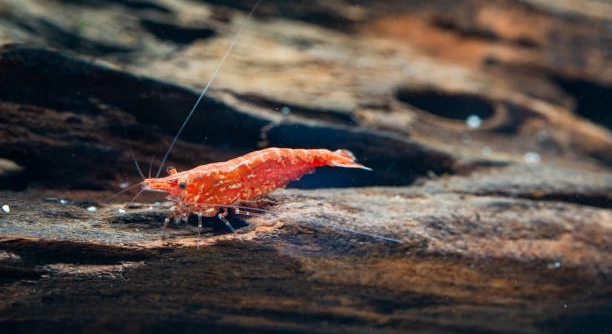
Cherry shrimp are small, colorful freshwater creatures that add life to any aquarium. Snails, equally peaceful, are often kept alongside shrimp for cleaning and decoration purposes in home tanks. They both bring unique charm to aquatic spaces.
Cherry shrimp can generally coexist peacefully with most snail species, provided the tank is spacious, well-maintained, and stocked with sufficient food and hiding places to minimize competition and stress. Careful monitoring ensures both thrive without harm.
Keeping them together can enhance your tank’s ecosystem. Understanding their needs will help create a balanced environment for both species.
Choosing the Right Snail Species
When keeping cherry shrimp with snails, selecting the right species is important. Some snails, like mystery snails or nerite snails, are peaceful and unlikely to bother shrimp. Avoid larger or aggressive snails, such as assassin snails, which may prey on baby shrimp. Size balance matters because small shrimp can become stressed if tankmates are too large. Additionally, snails that consume leftover food and algae can help maintain a clean tank without competing heavily with shrimp for resources. It is also important to provide plenty of hiding spots with plants or decorations so shrimp feel secure. Observing behavior during the first few weeks will indicate whether the pairing is suitable. Water parameters should also suit both species; consistent temperature and pH help maintain health. By carefully choosing compatible snail species, you can create a calm, balanced tank environment where both shrimp and snails thrive peacefully.
Snails like nerites and mystery snails are ideal because they do not harm shrimp and help keep the tank clean.
Monitoring interactions regularly is essential to prevent stress or accidental harm. Make sure food is abundant, and hiding places are adequate. Over time, a well-selected snail species will coexist without issues, reducing algae and debris naturally. Avoiding aggressive snails ensures baby shrimp survive and grow safely. Creating zones in the tank allows shrimp to retreat if needed. Both species benefit from stable water conditions. Feeding schedules should accommodate all inhabitants, and plants can provide shelter while enhancing aesthetics. Observation during feeding and daily activity confirms that both shrimp and snails are thriving. Adjustments may be necessary if competition arises, but careful planning usually prevents conflicts. Selecting snails based on size, temperament, and diet compatibility makes cohabitation predictable and rewarding. This approach leads to a healthy, balanced aquarium environment for everyone involved.
Tank Setup Considerations
A tank over 10 gallons works best for shrimp and snails together, providing enough space to reduce stress.
Proper tank setup requires attention to plants, hiding spots, and water conditions. Live plants are highly beneficial, offering shelter and surfaces for biofilm growth, which shrimp eat. Substrate should allow both species to forage comfortably without obstruction. Filtration must be gentle to avoid pulling in small shrimp, while maintaining water quality for snails. Regular water changes prevent ammonia buildup and maintain clarity. Light levels should support plant growth without encouraging excessive algae that could overwhelm the tank. Decorations and driftwood offer hiding spaces and grazing surfaces. Temperature and pH must remain stable, with monitoring tools to ensure both species’ comfort. By carefully arranging the tank, shrimp feel secure, and snails can move freely while cleaning. A well-organized setup reduces territorial stress and encourages natural behaviors, allowing both species to thrive together in harmony over time.
Feeding and Diet Balance
Cherry shrimp eat algae, biofilm, and specially formulated shrimp food. Snails mostly consume algae, leftover food, and plant matter.
It’s important to avoid overfeeding, as excess food can decay and harm water quality. Feed in small amounts, ensuring both shrimp and snails get enough to eat. Observing feeding habits helps identify if adjustments are needed. Supplementing with vegetables like zucchini or spinach can benefit snails, while shrimp benefit from algae wafers or pellets. Maintaining variety in the diet keeps both species healthy, reduces stress, and encourages natural foraging behaviors. Uneaten food should be removed promptly to prevent water issues.
Timing feedings consistently supports a stable environment. Shrimp and snails often feed at different spots, which reduces competition and ensures both thrive.
Monitoring Behavior and Health
Watch for signs of stress or illness in both shrimp and snails. Early detection prevents serious problems.
Healthy shrimp are active, colorful, and constantly grazing, while healthy snails move steadily and respond to touch or feeding. If shrimp hide excessively or snails stop moving, conditions may need adjustment. Water parameters, tank cleanliness, and diet are common factors affecting health. Molting shrimp may appear vulnerable, so additional hiding spaces are crucial. Observing interactions ensures snails are not interfering with shrimp activities. Regular checks of shells for cracks or discoloration help detect issues early. Maintaining stable temperature, pH, and hardness supports long-term health.
Consistent observation allows quick responses to any changes. Adjusting tank conditions, feeding routines, or habitat structures based on behavior ensures both species remain active, healthy, and stress-free, promoting a peaceful coexistence that benefits the entire aquarium ecosystem.
Water Quality Maintenance
Stable water quality is crucial for both cherry shrimp and snails. Frequent water changes prevent ammonia and nitrite buildup, keeping the environment safe.
Filtration should be gentle to avoid harming shrimp, while still removing debris effectively. Testing water regularly helps maintain proper pH, hardness, and temperature.
Avoiding Overcrowding
Overcrowding can stress both species, leading to aggression or health issues. Each shrimp and snail needs enough space to move freely.
Too many inhabitants increase waste, making water quality harder to maintain. A spacious tank with proper hiding spots reduces stress and supports natural behavior, promoting a balanced and healthy aquarium ecosystem.
Breeding Considerations
Cherry shrimp breed readily, while snails can multiply quickly under good conditions. Planning for population growth prevents overcrowding and stress in the tank.
Providing ample hiding spaces and maintaining stable water parameters helps ensure baby shrimp survive and grow safely. Snails may need occasional population control to keep the balance manageable.
Algae Control Tips
Algae is a natural food source but can become excessive. Regular maintenance and monitoring keep growth in check.
FAQ
Can cherry shrimp and snails live together peacefully?
Yes, cherry shrimp and many snail species can coexist peacefully in the same tank. Peaceful snails like nerite or mystery snails rarely bother shrimp, while providing benefits such as algae control and leftover food consumption. Maintaining hiding spots and stable water parameters further supports harmony between the two.
Do snails eat baby shrimp?
Most small, peaceful snails do not pose a threat to baby shrimp. Larger or predatory species, such as assassin snails, can potentially harm shrimp fry. Providing dense plant cover and hiding spaces ensures baby shrimp survive and grow safely in a shared tank.
What size tank is suitable for both species?
A tank of at least 10 gallons is recommended for keeping cherry shrimp and snails together. Sufficient space reduces stress, allows natural behavior, and prevents competition for food and hiding spots. Larger tanks are ideal if the population is high or breeding occurs.
How often should I feed them?
Feed shrimp and snails small amounts once or twice daily, depending on their activity and tank size. Overfeeding can cause water quality issues, so remove uneaten food promptly. Variety in diet, including algae wafers for shrimp and vegetables for snails, supports overall health.
What water parameters are best?
Both species prefer stable conditions. Keep temperature between 72–78°F (22–26°C), pH around 6.5–7.5, and moderate hardness. Regular water testing and partial changes maintain these parameters, reducing stress and ensuring healthy growth.
Can I keep multiple snail species with shrimp?
Yes, as long as all chosen snails are peaceful and have compatible water needs. Avoid combining aggressive species that might harm shrimp. Ensure adequate space, hiding spots, and balanced feeding to prevent competition. Observation during the first weeks confirms compatibility.
How do I control snail population?
Snails breed quickly, especially with abundant food. Controlling population may require removing excess snails manually or adjusting feeding. Regular observation prevents overcrowding, which can stress shrimp and degrade water quality. A balanced approach keeps both species healthy.
Do snails help clean the tank?
Yes, snails consume leftover food, decaying plants, and some algae, helping maintain cleaner water. They complement shrimp, which primarily feed on biofilm and algae, reducing tank maintenance while supporting a natural ecosystem.
What should I do if shrimp hide too much?
Excessive hiding usually indicates stress. Check water quality, feeding amounts, and tank conditions. Ensure hiding spots are adequate but not limiting movement. Observing behavior during feeding can reveal if shrimp feel safe and adjust conditions accordingly.
Are there any risks with tank decorations?
Sharp or rough decorations can injure shrimp or snails. Smooth surfaces and live plants are safer options. Decorations should also provide hiding spaces and grazing surfaces for natural behavior without overcrowding the tank.
How do I encourage breeding in cherry shrimp?
Provide stable water parameters, hiding spots, and consistent feeding. Dense plants or moss give baby shrimp shelter. Avoid predators or aggressive tankmates, and ensure snails do not consume baby shrimp in high numbers. Stress-free conditions increase breeding success.
Can I use chemical treatments in a tank with both species?
Most chemical treatments, especially for algae or disease, can harm shrimp or snails. Only use treatments specifically labeled safe for invertebrates, and monitor water quality closely after application. Natural methods like manual cleaning are safer alternatives.
How do I manage algae naturally?
Algae control can be achieved by balancing light, nutrients, and introducing algae-eating snails or shrimp. Overfeeding and excessive light increase algae growth. Routine tank maintenance, combined with grazing by tank inhabitants, keeps algae manageable without chemicals.
Is it okay to mix male and female snails?
Yes, many snail species reproduce easily, so male-female combinations are common. Be aware that reproduction may increase population quickly. Monitoring numbers prevents overcrowding and ensures shrimp have enough space and resources.
Can stress affect shrimp color?
Yes, stressed shrimp may lose vibrancy. Causes include poor water quality, aggressive tankmates, or overcrowding. Stable conditions, adequate food, and safe hiding spaces help shrimp maintain bright coloration and healthy behavior.
How long can cherry shrimp and snails live together?
With proper care, both can live several years in a shared tank. Cherry shrimp typically live 1–2 years, while snails may live 2–5 years depending on species. Maintaining water quality, space, and diet ensures long-term coexistence.
What signs indicate a sick snail or shrimp?
Shrimp may become lethargic, lose color, or fail to molt properly. Snails may stop moving, show shell damage, or become discolored. Prompt adjustment of water quality, diet, and observation can prevent further issues. Early intervention is key.
Can I keep plants with shrimp and snails?
Yes, live plants provide hiding spaces for shrimp and surfaces for snails to graze. Plants help stabilize water parameters and provide natural food sources. Choosing hardy species reduces damage from grazing and supports a balanced ecosystem.
Do I need to quarantine new snails or shrimp?
Quarantining new additions prevents disease introduction to the established tank. A separate tank for 1–2 weeks helps ensure health and reduces risks to both shrimp and existing snails, keeping the aquarium stable and safe.
What is the best substrate for both species?
Fine gravel or sand is ideal, allowing shrimp to forage without injury and snails to move freely. Substrate should support plants while not trapping excessive waste. A suitable substrate encourages natural behavior and contributes to tank cleanliness.
How can I tell if the tank is balanced?
Signs include active shrimp, healthy snail movement, clear water, and manageable algae levels. Regular observation of behavior, feeding habits, and water testing confirms a stable environment where both species thrive together.
This FAQ provides practical guidance to ensure cherry shrimp and snails coexist safely and healthily in the same tank.
Keeping cherry shrimp and snails together can be a rewarding experience when done carefully. Both species are small, peaceful, and contribute to a healthy aquarium environment. Cherry shrimp add color and activity, constantly grazing on algae and biofilm, while snails help manage leftover food and algae growth. When choosing snails, it is important to select peaceful species like mystery snails or nerite snails that do not pose a threat to shrimp, especially baby shrimp. Avoid aggressive or predatory snails, as these can stress or harm smaller tank inhabitants. Providing ample hiding spaces, such as plants, moss, or decorative structures, allows shrimp to feel secure while snails move freely around the tank. This balance of safety and freedom helps maintain a stable, peaceful environment for both species.
Maintaining water quality is another crucial factor in successful cohabitation. Both shrimp and snails are sensitive to fluctuations in temperature, pH, and water hardness. Frequent water changes, gentle filtration, and regular testing can prevent harmful levels of ammonia, nitrites, or nitrates from building up. Overfeeding should also be avoided, as excess food can decay and negatively affect water quality. Offering a variety of food tailored to each species’ needs ensures both shrimp and snails receive proper nutrition. Shrimp benefit from algae wafers or specialized shrimp food, while snails thrive on vegetables and algae. Observing feeding habits and behavior over time helps identify any issues early, allowing adjustments before problems escalate. By carefully monitoring water conditions and diet, both species can live together harmoniously for years.
Behavior and health monitoring is equally important for a thriving tank. Healthy cherry shrimp are active, colorful, and frequently grazing, while healthy snails move steadily and respond to their surroundings. Stress signs, such as shrimp hiding excessively or snails becoming inactive, indicate that adjustments are needed in the tank’s setup, water conditions, or population levels. Breeding can also be a factor to manage, as both species reproduce readily under favorable conditions. Providing hiding spots for baby shrimp and controlling snail populations helps prevent overcrowding and competition for resources. With consistent care, attention to water quality, diet, and population management, cherry shrimp and snails can coexist safely and successfully. Creating this balanced aquarium not only enhances its appearance but also supports the natural behaviors and health of both species, resulting in a lively, self-sustaining aquatic environment.
Word count: 405

Hello,
If you enjoy the content that we create, please consider saying a "Thank You!" by leaving a tip.
Every little bit helps us continue crafting quality advice that supports the health, happiness, and well-being of pets around the world, for pets of all shapes, sizes, and species.
We really appreciate the kindness and support that you show us!