
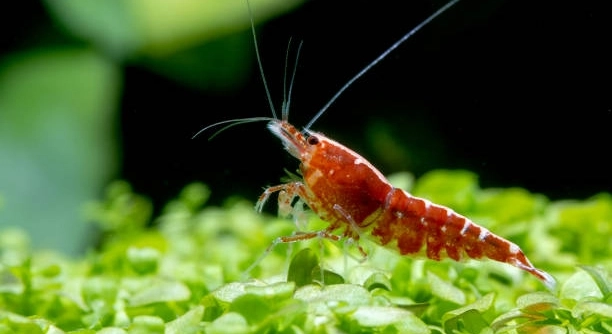
Cherry shrimp are delicate creatures that thrive in carefully maintained environments. Their tiny bodies are sensitive to changes in their surroundings, and every aspect of their tank can affect their health and activity. Maintaining stability is key for these pets.
Cherry shrimp do respond to water temperature. Optimal ranges help regulate their metabolism, feeding behavior, and overall well-being. Deviations outside this range can cause stress, reduce immunity, and impact molting and reproduction, making temperature control essential for proper care.
Proper temperature management ensures your shrimp remain active and healthy. Understanding their needs will help you create a stable and thriving aquarium environment.
Understanding Cherry Shrimp Temperature Needs
Cherry shrimp thrive in stable water conditions, and temperature is one of the most important factors to monitor. These small creatures are highly sensitive to fluctuations, which can stress them and affect their health. Ideal water temperature ranges from 68°F to 78°F, keeping them active and promoting proper molting. Temperatures above 80°F can shorten their lifespan, while lower temperatures slow their metabolism and reduce activity. Consistency is key because sudden changes may trigger illness or mortality. Observing shrimp behavior can provide clues; lethargy, hiding, or lack of feeding often indicate temperature stress. Using a reliable aquarium heater with a thermostat helps maintain a steady environment. Monitoring with a thermometer ensures small shifts are noticed before they become harmful. In addition, placement of the tank away from drafts or direct sunlight helps prevent rapid temperature swings. Attention to these details supports a healthy, thriving shrimp population over time.
Temperature directly influences metabolism and activity. Stable conditions keep shrimp feeding, molting, and reproducing efficiently.
Keeping water temperature consistent requires monitoring and small adjustments. This stability reduces stress and prevents common health issues that arise from sudden environmental changes.
Signs of Temperature Stress
Shrimp showing abnormal behavior often indicate stress from improper temperature. Even minor fluctuations can cause reduced feeding or lethargy.
Temperature stress can affect shrimp in multiple ways. Molting may become irregular, and reproduction can slow or stop completely. Shrimp may hide more than usual, and some may develop shell problems. Over time, consistent exposure to unsuitable temperatures can weaken their immune system, making them more susceptible to diseases. It is important to observe daily activity and feeding habits, as these are the first indicators of stress. Adjusting the tank environment gradually is safer than sudden changes. Maintaining water chemistry, alongside temperature, further supports shrimp health. Providing proper vegetation and hiding spaces also helps them cope with minor stress. By carefully managing temperature and habitat conditions, shrimp can thrive, remain active, and reproduce successfully, ensuring a vibrant, balanced aquarium ecosystem.
How to Maintain Optimal Water Temperature
Using a reliable heater with a thermostat is essential. Regularly check the water with a thermometer and make small adjustments to avoid sudden changes that can stress shrimp. Placement away from direct sunlight helps maintain stability.
Gradual adjustments are safer than sudden changes. If the tank is too cold, increase the temperature slowly, about 1–2°F per day, until it reaches the ideal range. For warmer tanks, lower the temperature gradually using a combination of cooling methods such as partial water changes or reducing direct heat exposure. Avoid extremes, as rapid shifts can weaken immunity and reduce activity. Observing shrimp daily ensures you notice signs of stress early.
Consistency is more important than hitting an exact number. Even if the temperature fluctuates slightly, keeping changes slow prevents shock. Monitoring both day and night temperatures helps maintain stability, and combining heating with proper tank placement creates a more secure environment. This careful approach allows shrimp to feed, molt, and reproduce effectively.
Seasonal Temperature Variations
Seasonal changes can affect aquarium water temperature. Rooms warm in summer and cool in winter, impacting stability for shrimp.
During hotter months, tanks may need partial water changes with cooler water to maintain safe conditions. Fans or small cooling devices can help avoid overheating. In winter, heaters should be checked and set to maintain a consistent range. Monitoring the aquarium regularly ensures shrimp remain active and healthy, and minor adjustments prevent stress. Consistent observation helps manage seasonal shifts efficiently.
Equipment to Monitor Temperature
A good thermometer is necessary to track water temperature accurately. Digital or floating thermometers help detect changes quickly and prevent prolonged stress for shrimp.
Heaters with built-in thermostats provide stable conditions. Selecting one appropriate for your tank size ensures even heat distribution and consistent temperature control.
Effects of Temperature on Breeding
Water temperature directly impacts cherry shrimp reproduction. Warmer ranges within the ideal spectrum encourage faster molting and more frequent breeding cycles. Eggs develop efficiently, and females remain active in caring for the clutch. Cooler temperatures slow metabolism, delaying reproduction and sometimes causing eggs not to hatch. Maintaining stable temperatures promotes healthy, sustainable populations in the aquarium, allowing shrimp to thrive naturally without additional interventions. Consistent care ensures females are ready for repeated breeding, and males stay active. Observing behavior, such as frequent molting and active swimming, indicates breeding conditions are favorable, helping sustain a thriving colony.
Quick Tips for Temperature Control
Regularly check the tank and adjust the heater gradually. Small, consistent changes prevent stress and maintain shrimp health.
FAQ
What is the ideal temperature range for cherry shrimp?
The ideal temperature range for cherry shrimp is between 68°F and 78°F. Staying within this range keeps their metabolism stable, promotes proper molting, and encourages regular feeding and reproduction. Temperatures slightly outside this range can be tolerated for short periods, but consistent extremes may stress the shrimp.
Can cherry shrimp survive in temperatures below 68°F?
Cherry shrimp can survive in cooler water, but their activity slows significantly. Low temperatures reduce feeding, molting becomes less frequent, and reproduction may stop. Prolonged exposure to cold can weaken their immune system, making them more vulnerable to illness. Gradual warming to the optimal range helps them recover.
What happens if water temperature goes above 78°F?
Temperatures above 78°F increase metabolism and stress levels. Shrimp may become more active initially, but prolonged heat can shorten lifespan, reduce immunity, and trigger premature molting. Eggs may fail to develop, and some shrimp may hide or show lethargy as a coping response to excessive heat.
Do cherry shrimp react immediately to temperature changes?
Yes, they often respond quickly to sudden shifts. Rapid changes can cause hiding, reduced feeding, or erratic swimming. Observing these behaviors early allows adjustments before stress becomes severe. Slow, controlled changes are always safer to protect their health and prevent mortality.
How can I maintain stable temperature in my tank?
Using a heater with a thermostat ensures water stays within the desired range. A thermometer helps monitor fluctuations. Tank placement away from sunlight, drafts, or heating vents also prevents sudden changes. Small, regular adjustments are more effective than drastic changes.
Can seasonal changes affect shrimp behavior?
Yes, seasonal room temperature variations can influence tank temperature. Summer heat may increase water temperature, while winter cold can slow metabolism. Fans, partial water changes, or heaters can help maintain stability. Monitoring daily ensures shrimp remain active and healthy despite seasonal shifts.
Are certain shrimp more sensitive to temperature than others?
Yes, younger or newly molted shrimp are more vulnerable. They are less resilient to stress and temperature fluctuations, requiring extra attention. Adults tolerate minor variations better, but consistent care benefits all shrimp, ensuring growth and survival across all life stages.
Does water chemistry interact with temperature effects?
Absolutely. pH, hardness, and ammonia levels influence how shrimp respond to temperature. For example, higher temperatures increase metabolism, which can raise ammonia production. Maintaining proper water chemistry alongside temperature control reduces stress and prevents health issues, creating a safe environment for shrimp.
Can shrimp recover from temperature stress?
Yes, recovery is possible if changes are addressed quickly. Gradually restoring water to the optimal range, providing hiding spaces, and monitoring behavior helps shrimp regain normal activity. Persistent stress or extreme temperatures may lead to permanent health issues or death, so prevention is key.
How often should I check my tank temperature?
Daily monitoring is recommended. Small shifts can have a big impact, and early detection allows for quick adjustments. Checking at different times of the day ensures both daytime heating and nighttime cooling are accounted for, maintaining a stable environment consistently.
Is it necessary to adjust temperature for breeding?
Yes, maintaining the ideal range encourages molting and breeding. Slightly warmer conditions within the safe spectrum can increase reproductive activity. However, exceeding the upper limit causes stress and may reduce egg viability, so balance is essential.
Do cherry shrimp show visible signs of discomfort from temperature?
Yes, signs include hiding, reduced feeding, sluggish swimming, or abnormal molting. These behaviors indicate stress and prompt adjustments to stabilize the tank. Observing shrimp closely helps prevent long-term health problems and maintains a thriving colony.
Can I use multiple heaters for large tanks?
Yes, using more than one heater ensures even temperature distribution, especially in larger tanks. Pairing heaters with a reliable thermostat helps maintain stability and prevents hot or cold spots, which can stress shrimp and affect overall health.
What tools are most effective for temperature control?
A combination of a heater with thermostat, thermometer, and monitoring equipment is ideal. Fans or cooling devices can help in warmer months. Consistent observation and slow adjustments are the most effective way to protect shrimp from temperature-related stress.
Are red cherry shrimp more sensitive than other color variants?
Not significantly. Color variants have similar temperature needs. However, individual sensitivity may vary slightly based on age or health, so all shrimp should be observed carefully, especially during seasonal or rapid environmental changes.
How long does it take for shrimp to adjust to minor temperature changes?
Gradual adjustments allow shrimp to acclimate over hours or days. Sudden changes can cause immediate stress, so slow increments of 1–2°F per day are recommended for safety and comfort.
Can shrimp thrive without a heater in mild climates?
Yes, in stable mild climates, a heater may not be necessary. However, monitoring is still crucial, as even small temperature swings can affect activity, feeding, and reproduction. Supplemental heating may be needed during unexpected cold spells.
Does water circulation affect temperature stability?
Yes, good circulation distributes heat evenly throughout the tank. Poor circulation can create hot or cold spots, causing stress in shrimp. Combining circulation with a reliable heater ensures a more consistent and healthy environment.
Is it safe to turn off the heater at night?
Turning off a heater can be risky if room temperatures fluctuate. Continuous, stable heating prevents sudden drops and maintains optimal conditions. Using a thermostat ensures safety while avoiding unnecessary temperature swings.
What is the most common mistake with temperature management?
The most common mistake is ignoring small fluctuations or making rapid adjustments. Even minor shifts can stress shrimp over time. Regular monitoring, gradual corrections, and awareness of environmental factors prevent these issues, keeping shrimp healthy and active.
Final Thoughts
Maintaining proper water temperature is one of the most important aspects of caring for cherry shrimp. Their small bodies are highly sensitive to changes in their environment, and even minor fluctuations can affect their activity, feeding, and overall health. Keeping the tank within the ideal range of 68°F to 78°F ensures that shrimp remain active and comfortable. Temperatures outside this range, whether too hot or too cold, can cause stress, slow their metabolism, and interfere with molting and reproduction. A stable environment helps prevent illness and supports natural behavior, allowing the shrimp to thrive in a home aquarium. Paying attention to temperature may seem simple, but it has a major impact on the long-term well-being of the shrimp.
Using a heater with a reliable thermostat is the most effective way to maintain a stable environment. Checking the temperature regularly with a thermometer helps catch small fluctuations before they become a problem. Sudden changes are more dangerous than a minor, consistent variation, so gradual adjustments are key. Tank placement is also important; avoiding direct sunlight, drafts, or heat sources prevents sudden temperature shifts. Seasonal changes may require small interventions, such as partial water changes in the summer or adjustments to heater settings in the winter. Observing shrimp behavior is equally important because they show signs of stress, such as hiding, reduced feeding, or sluggish swimming, when temperatures are not ideal. Consistent monitoring and careful adjustments keep the shrimp healthy and maintain a balanced tank environment.
Temperature control is not only about keeping the water at the right degree; it is also about creating a consistent and safe habitat. Combined with good water chemistry, proper feeding, and adequate hiding spaces, stable temperatures support a thriving shrimp population. Understanding how your shrimp respond to changes allows you to act quickly when conditions shift. Gradual adjustments, regular observation, and proper equipment make temperature management easier and more effective. By focusing on stability rather than perfection, it is possible to maintain a healthy, active, and reproducing colony of cherry shrimp. Maintaining proper water temperature creates a predictable environment that benefits all aspects of their health, from growth to reproduction, ensuring long-term success in caring for these delicate aquatic pets.

Hello,
If you enjoy the content that we create, please consider saying a "Thank You!" by leaving a tip.
Every little bit helps us continue crafting quality advice that supports the health, happiness, and well-being of pets around the world, for pets of all shapes, sizes, and species.
We really appreciate the kindness and support that you show us!