
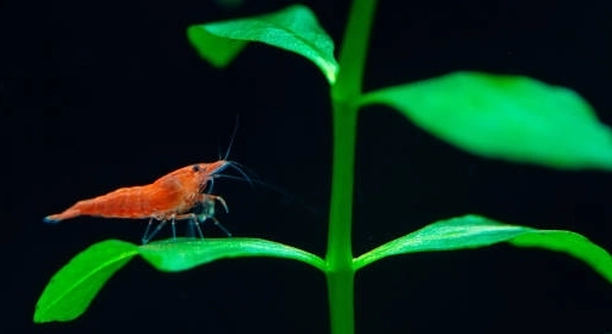
Keeping shrimp healthy can be more challenging than it seems. Even experienced hobbyists can face sudden losses despite careful feeding and maintenance routines. Many hidden factors in their environment can quickly turn dangerous without warning.
Shrimp can die suddenly due to water quality changes, harmful chemicals, improper temperature, lack of oxygen, disease, incompatible tank mates, or sudden stress. Each factor can act independently or together, creating conditions that quickly become lethal for these sensitive creatures.
Understanding these threats will help you protect your shrimp and maintain a stable, healthy aquarium environment for the long term. Awareness of risks is essential for every shrimp keeper.
Sudden Water Quality Changes
Water quality is the most critical factor for shrimp survival. Even small shifts in pH, ammonia, nitrite, or nitrate levels can be fatal. Shrimp are extremely sensitive to toxins that may go unnoticed in regular observation. A slight increase in ammonia from decaying food or overcrowding can stress shrimp, weakening their immune systems and making them more prone to disease. Additionally, tap water treated with chlorine or chloramine without proper neutralization can cause immediate harm. Frequent partial water changes and testing are essential to maintain stability. Rapid changes in water hardness or temperature can also cause stress, leading to death. Even a single overlooked chemical or environmental shift can be enough to trigger a mass die-off. Observing shrimp behavior, checking water parameters daily, and keeping a clean substrate all contribute to preventing sudden losses. Being proactive rather than reactive is key to preserving a healthy shrimp tank.
Keeping the water stable requires attention and care. Regular testing ensures shrimp remain in a safe environment.
Monitoring and adjusting water quality consistently will help avoid unexpected deaths. Stable, clean water supports their natural behavior and long-term health.
Harmful Chemicals
Cleaning agents, fertilizers, or accidental sprays can contaminate the tank and kill shrimp instantly. Even residue on hands or decorations can introduce toxins that shrimp cannot tolerate.
Pesticides, soaps, or scented products entering the aquarium can have devastating effects. Shrimp absorb chemicals through their exoskeleton and gills, making them vulnerable. Careless handling of water additives or introducing plants from treated environments may also introduce harmful substances. Many hobbyists underestimate how easily chemicals travel through water, affecting every corner of the tank. Even a drop of contaminated water from another aquarium can introduce toxins. Shrimp have no protective mechanism against these substances, so exposure is often fatal within hours. Preventing chemical exposure requires careful separation of household chemicals from tank maintenance, thorough rinsing of any new additions, and using only aquarium-safe products. Being aware of hidden sources and testing new items before adding them can reduce risks. Consistency in these habits is essential for keeping shrimp safe.
Avoiding chemical exposure protects shrimp and preserves water stability. Always handle tank additions with care to prevent harm.
Improper Temperature
Shrimp are highly sensitive to temperature fluctuations. Too hot or too cold water can stress them and lead to sudden death. Maintaining a consistent range is crucial for their survival and overall health.
Sudden temperature changes affect shrimp metabolism and immune response. Even a few degrees outside their preferred range can reduce oxygen levels, slow digestion, and increase susceptibility to disease. Heating or cooling too quickly, or placing the tank near drafts or direct sunlight, can cause rapid stress. Some species require very specific ranges, so knowing the needs of your shrimp is essential. Using a reliable heater or thermometer helps maintain stability, and gradual adjustments are safer than sudden shifts. Consistency in temperature minimizes stress and allows shrimp to thrive in a controlled environment.
Temperature also interacts with water chemistry. Fluctuations can amplify toxins like ammonia or nitrites, creating a dangerous environment. Monitoring both temperature and water parameters together ensures shrimp remain healthy. Proper insulation, shade, and heating equipment reduce risk and support steady conditions.
Lack of Oxygen
Shrimp rely on sufficient oxygen levels to survive. Low oxygen can quickly weaken or kill them, even if water appears clean and clear.
Oxygen depletion often occurs in overcrowded tanks, with heavy feeding, or when plants decay. Poor circulation or stagnant water worsens the problem, leaving shrimp struggling to breathe. Adding aeration or circulation devices helps maintain adequate oxygen.
Shrimp breathe through gills and are extremely sensitive to dissolved oxygen changes. When oxygen drops, they become lethargic, may float, or cling to surfaces near currents. Even short-term oxygen shortages can cause irreversible damage or death. Overfeeding creates excessive waste, consuming oxygen during decomposition. Dense plant growth or lack of water movement also reduces oxygen availability. Monitoring oxygen indirectly through shrimp behavior and directly using test kits ensures levels remain safe. Simple measures like adding air stones, adjusting filters, or increasing water movement can prevent oxygen-related deaths and maintain a healthy tank environment.
Disease Outbreaks
Shrimp are prone to bacterial, fungal, and parasitic infections. Sick shrimp can deteriorate quickly, often without visible signs until it’s too late. Immediate action is required to prevent spread.
Quarantining new shrimp and maintaining strict hygiene can reduce disease risks. Even minor infections can escalate if ignored.
Incompatible Tank Mates
Certain fish or invertebrates can harm or kill shrimp. Aggressive or predatory species often stress shrimp or eat them. Careful selection of tank mates is essential to avoid losses.
Sudden Stress
Shrimp are highly sensitive to stress. Changes in light, handling, or water conditions can shock them, leading to rapid decline or death. Maintaining calm and stable conditions is crucial for their well-being.
Overfeeding
Excess food decomposes quickly, producing toxins and reducing oxygen. Feeding in moderation prevents water quality deterioration and keeps shrimp safe and healthy.
FAQ
What is the most common reason shrimp die suddenly?
The most frequent cause of sudden shrimp death is poor water quality. Ammonia, nitrite, and nitrate levels that rise even slightly can be fatal. Shrimp are very sensitive to changes, so consistent testing and maintenance are essential to prevent unexpected losses.
How often should I test my tank water?
Testing water at least once a week is recommended for shrimp tanks. Daily observation of behavior is also helpful, as lethargy, hiding, or unusual swimming can indicate water issues before test kits show problems. Maintaining stable conditions reduces stress and prevents disease.
Can tap water harm shrimp?
Yes, untreated tap water can contain chlorine, chloramine, or heavy metals, which are toxic to shrimp. Always use a water conditioner to neutralize harmful chemicals and allow the water to stabilize before adding shrimp to the tank.
Why do shrimp die after adding new tank mates?
New tank mates can introduce disease, stress, or aggression. Aggressive fish may attack shrimp, and incompatible species can cause stress that weakens their immune system. Quarantine new additions and research compatibility to avoid sudden deaths.
How does temperature affect shrimp health?
Shrimp are sensitive to temperature fluctuations. Water that is too hot or too cold can stress them, slow metabolism, and reduce oxygen availability. Sudden changes are dangerous, so a stable, species-appropriate temperature range is crucial for survival.
What role does oxygen play in shrimp survival?
Shrimp require sufficient dissolved oxygen to thrive. Poor circulation, overcrowding, or overfeeding can reduce oxygen levels. Low oxygen leads to lethargy, difficulty breathing, and rapid death. Adding aeration and monitoring water movement helps maintain safe oxygen levels.
Can overfeeding kill shrimp?
Yes, overfeeding produces excess waste, which decomposes and releases toxins while consuming oxygen. Moderation is key. Feeding only what shrimp can consume in a few hours keeps water quality high and prevents stress or sudden death.
Are diseases preventable in shrimp tanks?
Diseases can be minimized but not entirely prevented. Quarantining new shrimp, maintaining clean water, avoiding stress, and controlling population density all help reduce the likelihood of infections spreading. Observing shrimp closely for early signs is important.
Do decorations or plants pose risks?
Some decorations, plants, or substrates can leach toxins or chemicals. New items should be thoroughly rinsed and checked for treatments or pesticides. Natural, aquarium-safe materials reduce risk, and avoiding abrupt changes prevents stress-related deaths.
How can I reduce stress for my shrimp?
Stable water parameters, proper hiding places, gentle handling, and compatible tank mates all help minimize stress. Avoid sudden lighting changes, rapid water movements, or excessive human activity around the tank, as these can negatively impact shrimp health.
Can stress alone kill shrimp?
Yes, stress is a major factor in sudden shrimp deaths. Even without disease or poor water, prolonged stress weakens the immune system, making shrimp vulnerable. Maintaining a calm, stable environment is critical for their long-term survival.
What is the best way to introduce new shrimp?
Acclimate new shrimp slowly using drip or float methods to adjust to water parameters. Sudden changes in pH, temperature, or hardness can be fatal. Quarantine newcomers to prevent disease transmission and allow them to adjust gradually.
How do I know if my shrimp are sick?
Signs of illness include lethargy, discoloration, unusual swimming, or hiding. Molting problems or a refusal to eat can also indicate disease. Early detection and action are key to saving affected shrimp.
Is overpopulation dangerous for shrimp?
Yes, overcrowding increases waste, stress, and competition for resources. High density can lead to oxygen depletion, poor water quality, and higher disease risk. Maintaining a proper stocking level ensures a healthier, more stable environment.
Can temperature swings be more harmful than high temperatures?
Sudden temperature changes are often more dangerous than consistently high or low temperatures. Rapid shifts stress shrimp, disrupt metabolism, and can trigger mass mortality. Gradual adjustments and stable heating or cooling systems help prevent deaths.
How often should I clean the tank?
Regular partial water changes and substrate cleaning are essential. Over-cleaning can remove beneficial bacteria, but ignoring maintenance allows waste buildup and toxins to accumulate. A balanced routine supports both water quality and shrimp health.
Are all shrimp species equally sensitive?
No, sensitivity varies. Some species tolerate wider temperature, pH, or water hardness ranges, while others are extremely delicate. Researching species-specific needs ensures proper care and reduces the risk of sudden deaths.
Can I prevent all sudden shrimp deaths?
While careful care minimizes risks, not all deaths are preventable. Genetics, unknown pathogens, or accidental exposure to toxins can still affect shrimp. Focusing on stable water, proper feeding, and low-stress conditions offers the best protection.
Does lighting affect shrimp survival?
Lighting primarily affects algae growth and stress. Too bright or sudden changes can frighten shrimp. Providing shaded areas and gradual light adjustments helps maintain a calm, safe environment.
Should I remove dead shrimp immediately?
Yes, removing deceased shrimp promptly prevents water contamination, which can release ammonia and other toxins. This simple step helps protect remaining shrimp and maintain stable water quality.
How important is hiding space?
Hiding spaces reduce stress, especially during molting. Shrimp feel vulnerable without shelters, increasing risk of injury, predation, or stress-related death. Providing plants, caves, or decorations supports safer, more natural behavior.
Can molting problems cause sudden deaths?
Yes, molting difficulties can be fatal. Improper water chemistry, calcium deficiency, or stress can prevent shrimp from shedding properly. Supporting molting through diet, stable water, and low-stress conditions is essential for survival.
How do I recover after a sudden die-off?
First, remove deceased shrimp and test water parameters. Identify potential causes such as toxins, disease, or oxygen issues. Clean the tank carefully, stabilize water, and consider quarantining remaining shrimp. Addressing the root cause prevents further loss.
Are baby shrimp more vulnerable?
Yes, juvenile shrimp are more sensitive to water changes, toxins, and low oxygen. Extra care with feeding, hiding places, and stable conditions is necessary to ensure their survival during early stages.
Can improper feeding schedules harm shrimp?
Irregular or excessive feeding stresses shrimp and can degrade water quality. Feeding consistent, moderate amounts helps maintain stable conditions and prevents sudden deaths linked to overfeeding or starvation.
Do plants help shrimp survival?
Live plants improve oxygen, provide hiding spots, and help reduce toxins. However, some plants may carry pesticides or chemicals. Always rinse new plants thoroughly before adding them to protect shrimp health.
How do I know my shrimp tank is safe?
Consistent water testing, observation of shrimp behavior, stable temperature, proper feeding, and limited stressors indicate a safe environment. Addressing issues early reduces sudden deaths and supports long-term health.
Is it better to keep a small or large group?
A moderate group ensures social interaction without overcrowding. Too few shrimp may be stressed or lonely, while too many increase waste and competition. Proper balance is key for survival and well-being.
How quickly do shrimp die from toxins?
Exposure to harmful chemicals can kill shrimp within hours. Immediate removal of contaminated water, careful cleaning, and stabilization are crucial to save remaining shrimp. Prevention is far more effective than trying to rescue after exposure.
Can I use any water conditioner?
Only aquarium-safe conditioners should be used. Some products for general pets or plants may contain harmful additives. Always check labels and ensure compatibility with shrimp to avoid accidental deaths.
How can I reduce stress during tank maintenance?
Gentle movements, slow water changes, avoiding sudden lighting changes, and limiting direct contact help minimize stress. Keeping a calm environment during routine tasks protects shrimp health.
Does tank size affect shrimp survival?
Smaller tanks are more sensitive to parameter fluctuations, making stability harder to maintain. Larger tanks buffer changes better, but overstocking still increases risk. Proper sizing supports long-term health and reduces sudden deaths.
Can I prevent all infections naturally?
While natural prevention like clean water and proper diet helps, infections can still occur. Monitoring behavior, isolating sick shrimp, and maintaining optimal conditions remain essential.
Is it normal for shrimp to hide a lot?
Occasional hiding is normal, especially during molting or stress. Persistent hiding may indicate poor water quality, aggression, or disease. Observing patterns helps identify issues before they become fatal.
How often should I check shrimp behavior?
Daily observation is ideal. Sudden changes in activity, feeding, or swimming can indicate water problems, stress, or illness. Early detection allows prompt action and reduces mortality risk.
Can sudden deaths be caused by genetics?
Yes, weak genetics can make shrimp more vulnerable to stress, disease, and environmental changes. Selecting healthy, reputable stock reduces risk but cannot eliminate all losses.
Are shrimp sensitive to vibrations or noise?
Excessive vibrations or loud noises can stress shrimp, particularly delicate species. Placing the tank in a stable, quiet area helps maintain calm and supports survival.
Does substrate type matter?
Certain substrates can release toxins, alter pH, or trap waste. Choosing shrimp-safe materials and maintaining cleanliness reduces health risks and supports stable conditions.
How important is quarantine for new shrimp?
Quarantine prevents disease introduction, allowing observation for illness and acclimation to water conditions. Skipping this step increases risk of sudden deaths in the main tank.
Can sudden deaths happen even in a well-maintained tank?
Yes, despite careful care, unforeseen factors like pathogens, hidden toxins, or genetic issues can cause loss. Vigilance, testing, and rapid response are essential for minimizing risk.
What is the best way to feed baby and adult shrimp differently?
Baby shrimp require finely powdered food or biofilm-based diets, while adults need larger pellets or algae. Feeding according to size ensures proper nutrition and prevents overfeeding-related water problems.
How can I identify hidden toxins in the tank?
Testing for ammonia, nitrites, and nitrates is key. Check decorations, substrates, plants, and water sources for contaminants. Observation of shrimp behavior often reveals early warning signs of toxins.
Is it safe to mix shrimp species?
Some species tolerate each other, while others may compete aggressively. Research compatibility carefully to avoid stress, aggression, or unexpected deaths.
How long can shrimp survive without food?
Shrimp can survive days to a week without food, depending on age and health. Prolonged starvation weakens them, increasing susceptibility to disease and stress.
Can overexposure to light harm shrimp?
Excessive light can stress shrimp, especially during molting. Providing shaded areas and moderate lighting cycles helps maintain calm and encourages natural behavior.
Does water hardness affect shrimp survival?
Yes, improper hardness can impact molting, reproduction, and overall health. Maintaining species-specific hardness ranges supports strong exoskeletons and reduces mortality.
How can I safely clean decorations and plants?
Rinse with dechlorinated water, avoid soaps or chemicals, and gently scrub to remove debris. Clean items prevent toxins and maintain a safe environment for shrimp.
Should I use filters in a shrimp tank?
Filters maintain water clarity and oxygenation but should not create strong currents. Sponge filters are ideal, providing gentle filtration and safe surfaces for shrimp.
Can shrimp survive sudden pH changes?
Sudden shifts in pH are very harmful. Gradual adjustments are necessary. Stability is far more important than targeting a specific number quickly.
How do I know if shrimp are stressed?
Signs include hiding, reduced movement, unusual swimming patterns, and refusal to eat. Promptly checking water parameters and environmental conditions can reduce mortality.
Are frozen or live foods safer for shrimp?
Both are safe if prepared properly. Frozen foods should be thawed and rinsed, while live foods must be free of chemicals or predators to avoid contamination.
Can shrimp recover from minor stress?
Yes, if water parameters are stable, food is available, and the environment remains calm. Quick action minimizes long-term effects and prevents further deaths.
How do I maintain a healthy shrimp tank long-term?
Regular water testing, careful feeding, stable temperature, adequate oxygen, and stress reduction are essential. Consistency and attention to detail ensure shrimp thrive and avoid sudden deaths.
Maintaining a shrimp tank requires attention to detail and consistency. Shrimp are delicate creatures that respond quickly to changes in their environment. Even small shifts in water quality, temperature, or oxygen levels can cause stress or sudden death. By testing water regularly and monitoring behavior, many common problems can be avoided. A steady routine of partial water changes, careful feeding, and keeping the tank clean helps maintain a stable environment. Understanding the needs of the specific shrimp species in the tank is also essential, as some are more sensitive than others. Awareness of the conditions that can harm shrimp allows you to respond quickly before a situation becomes critical. Regular observation and early intervention are key to keeping shrimp healthy.
Creating a calm, stable environment is one of the most effective ways to protect shrimp from harm. Avoiding sudden temperature shifts, chemical exposure, and incompatible tank mates reduces stress and prevents unexpected losses. Providing hiding spaces and gentle water flow allows shrimp to behave naturally and feel secure. Overfeeding and overcrowding can create rapid declines in water quality, so feeding in moderation and keeping the population balanced is important. Additionally, introducing new shrimp carefully through quarantine and acclimation helps prevent disease and stress. Every small step to maintain stability, from rinsing decorations to checking plant treatments, contributes to the overall health of the shrimp. Even minor oversights can have a significant impact, so attention to detail is essential.
Long-term success with a shrimp tank depends on consistent care and preventive measures. Diseases, stress, and sudden environmental changes are often the main causes of unexpected deaths, but these risks can be minimized. Maintaining proper water chemistry, oxygen levels, and a stable temperature supports shrimp health and growth. Observing shrimp daily and addressing issues quickly prevents small problems from becoming deadly. Over time, developing good habits like careful feeding, avoiding harsh chemicals, and keeping compatible tank mates ensures a safe and thriving habitat. While shrimp are sensitive, consistent care and monitoring make it possible to enjoy a healthy, balanced aquarium. By focusing on stability, cleanliness, and stress reduction, shrimp can live longer, healthier lives, and the tank can remain a successful and sustainable ecosystem.

Hello,
If you enjoy the content that we create, please consider saying a "Thank You!" by leaving a tip.
Every little bit helps us continue crafting quality advice that supports the health, happiness, and well-being of pets around the world, for pets of all shapes, sizes, and species.
We really appreciate the kindness and support that you show us!